
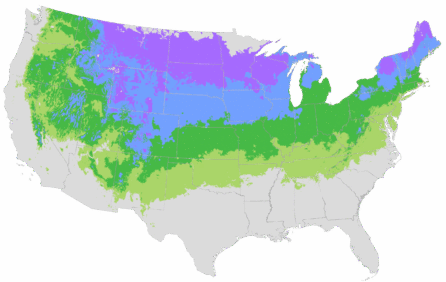
You're growing in this Zip Code:
Change LocationDiscover Plants for Your Area
Tom Thumb Cranberry Cotoneaster
Cotoneaster apiculatus 'Tom Thumb'
Pronunciation: ko-to-ne-AS-ter a-pik-u-LA-tus
SKU #02855
LIGHT:
Full sun
WATER:
Once established water during dry spells.
SIZE:
Moderate growing; reaches 1 to 2 ft. tall, spreading 5 ft wide.

Home Delivery Price
?
- Arrives in 3 to 7 days
- Free shipping on orders over $149
- Perfect Start Promise
Select Quantity
Retailers Near You
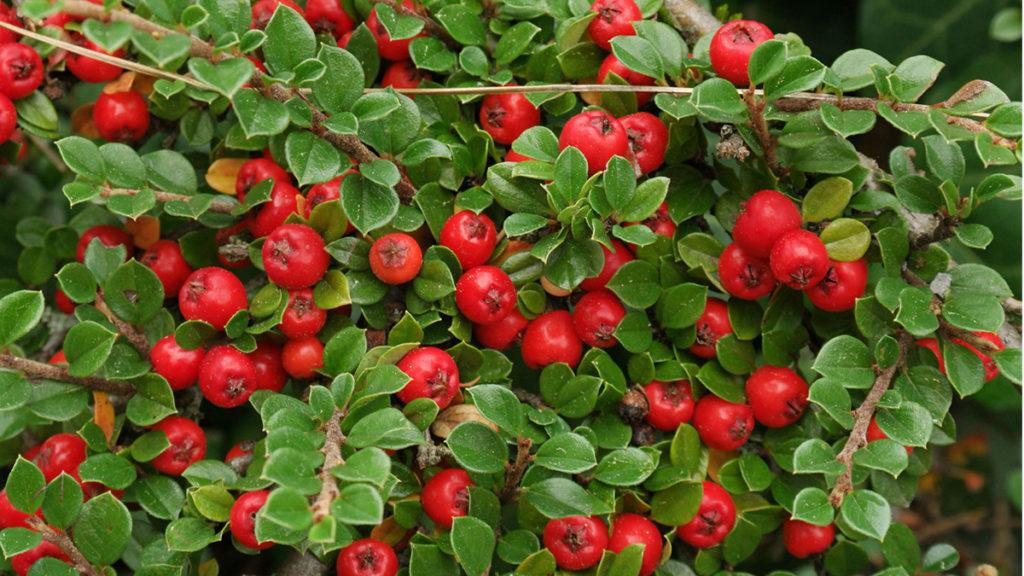
| Description | Tiny glossy leaves grace the arching branches of this tidy, compact variety. Spreads as a dense mound requiring little to no pruning to maintain its shape, making it an excellent low-maintenance groundcover. Offers bright red to burgundy fall foliage hues. Grows well in poor soils, including dry areas and clay. Semi-evergreen to deciduous. |
|---|---|
| Bloom Time | Summer |
| Deciduous/Evergreen | Deciduous |
| Special Features | Fall Color, Waterwise, Compact Form, Benefits Birds |
| Problems/Solutions | Deer Resistant, Erosion Control, Rabbit Resistant, Tolerates Urban Pollution, Road Salt Tolerant |
| Growth Rate | Moderate |
| Flower Attributes | Showy Flowers |
| Landscape Use | Barrier, Border, Espalier, Hedge, Ground Cover |
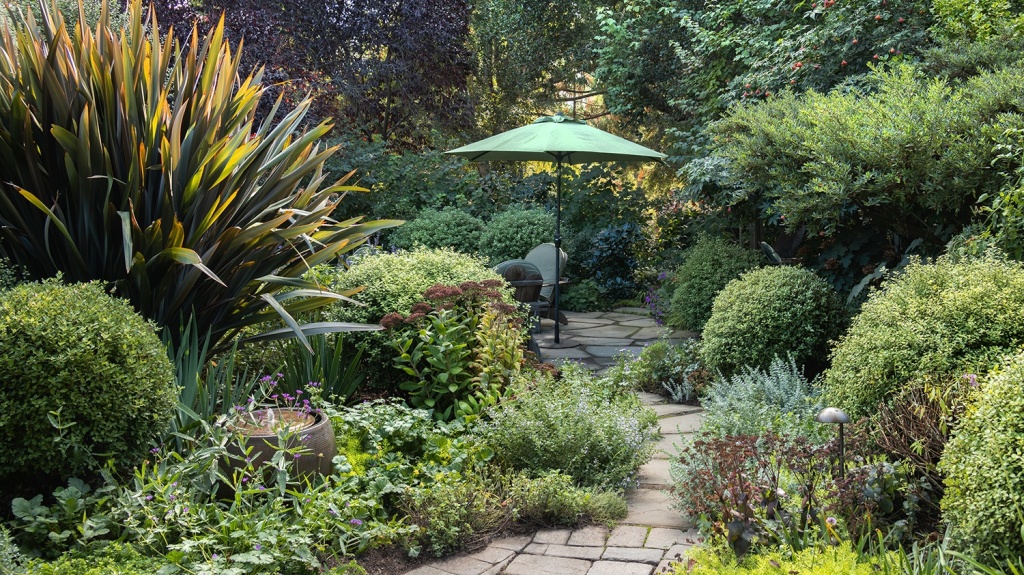
| Design Ideas | Plant en masse over a wide area to create a weed-blocking groundcover. Works well in rock gardens as a backdrop for plants with blue-green or red foliage. Place near plants with larger foliage to add a contrasting texture. |
| Flower Color | White |
| Foliage Color | Green |
| Foliage Fall Color | Burgundy |
| Companion Plants | Magnolia (Magnolia); Rose (Rosa); Juniper (Juniperus); Dogwood (Cornus); Cranberry Bush (Viburnum) |
| Care Instructions | Grows easily in average, well-drained soils. Adaptable to a wide range of soil conditions, but does not do well in hot, humid climates. Water deeply, regularly during first growing season to establish an extensive root system; reduce frequency once established. Apply fertilizer in early spring. |
| Lore | The name Cotoneaster derives from cotoneum, a Latin name for the quince, and the suffix -aster, meaning 'resembling'. |
Details
| Description | Tiny glossy leaves grace the arching branches of this tidy, compact variety. Spreads as a dense mound requiring little to no pruning to maintain its shape, making it an excellent low-maintenance groundcover. Offers bright red to burgundy fall foliage hues. Grows well in poor soils, including dry areas and clay. Semi-evergreen to deciduous. |
|---|---|
| Bloom Time | Summer |
| Deciduous/Evergreen | Deciduous |
| Special Features | Fall Color, Waterwise, Compact Form, Benefits Birds |
| Problems/Solutions | Deer Resistant, Erosion Control, Rabbit Resistant, Tolerates Urban Pollution, Road Salt Tolerant |
| Growth Rate | Moderate |
| Flower Attributes | Showy Flowers |
Style
| Landscape Use | Barrier, Border, Espalier, Hedge, Ground Cover |
|---|---|
| Design Ideas | Plant en masse over a wide area to create a weed-blocking groundcover. Works well in rock gardens as a backdrop for plants with blue-green or red foliage. Place near plants with larger foliage to add a contrasting texture. |
| Flower Color | White |
| Foliage Color | Green |
| Foliage Fall Color | Burgundy |
| Companion Plants | Magnolia (Magnolia); Rose (Rosa); Juniper (Juniperus); Dogwood (Cornus); Cranberry Bush (Viburnum) |
Care
| Care Instructions | Grows easily in average, well-drained soils. Adaptable to a wide range of soil conditions, but does not do well in hot, humid climates. Water deeply, regularly during first growing season to establish an extensive root system; reduce frequency once established. Apply fertilizer in early spring. |
|---|
History
| Lore | The name Cotoneaster derives from cotoneum, a Latin name for the quince, and the suffix -aster, meaning 'resembling'. |
|---|
Retailers Near You
About Us
We have been pioneers and craftsmen in the art of growing plants for 100 years. Since our founding in Southern California by Harry E. Rosedale, Sr. in 1926, we have been absolutely dedicated and obsessed with quality.
We have been pioneers and craftsmen in the art of growing plants for nearly 100 years. Since our founding in Southern California by Harry E. Rosedale, Sr. in 1926, we have been absolutely dedicated and obsessed with quality.