
You're growing in this Zip Code:
Discover Plants for Your Area
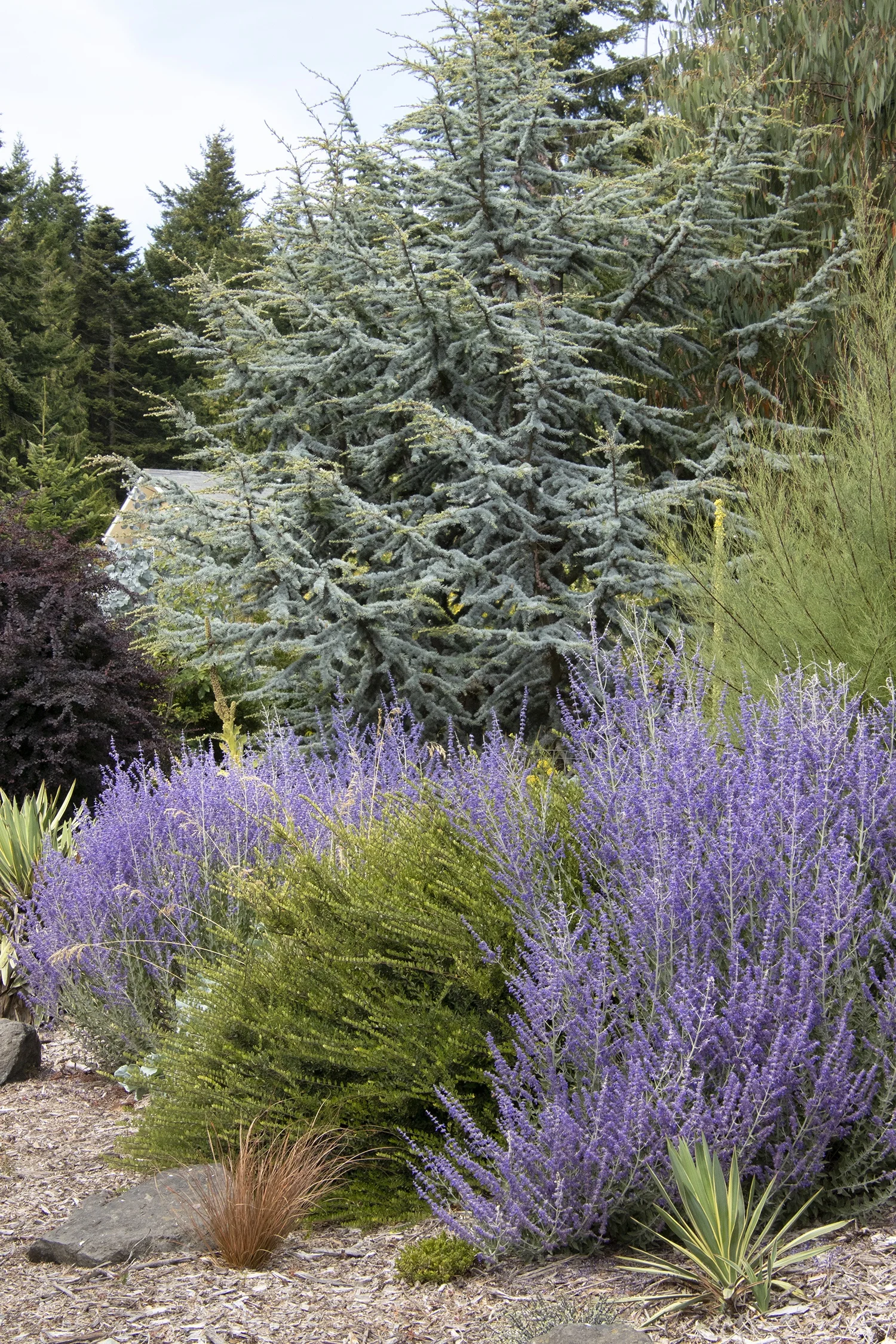
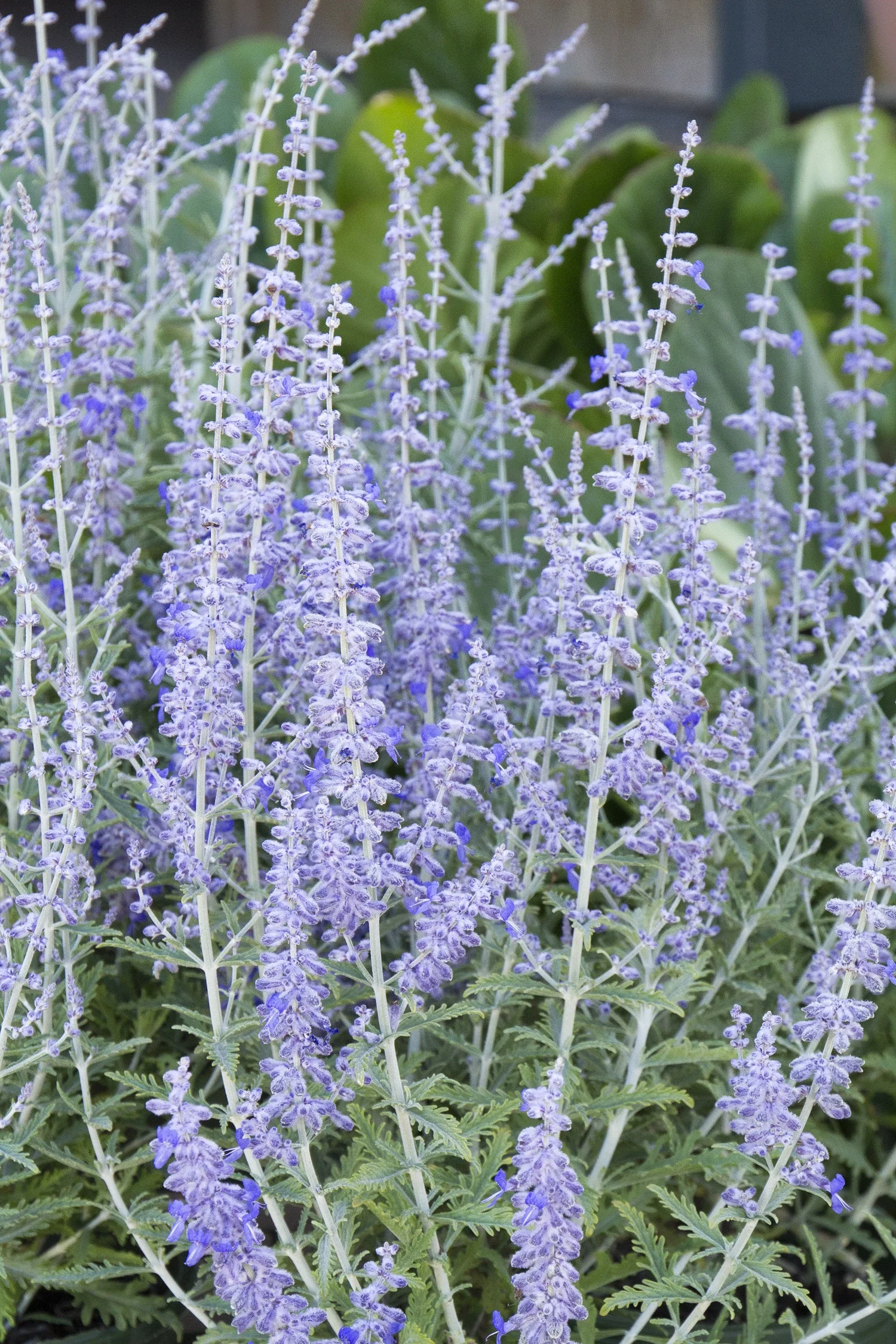


Lacey Blue Russian Sage
Perovskia atriplicifolia 'Lisslitt' PP #20,845
Pronunciation: pe-ROF-ski-a a-tri-pli-si-FO-li-a
SKU #08478
LIGHT:
Full sun
WATER:
Once established water during dry spells.
SIZE:
Moderate growing; reaches 12 to 18 in. tall, spreading 24 to 26 in. wide.

Home Delivery Price
?
- Arrives in 3 to 7 days
- Free shipping on orders over $149
- Perfect Start Promise
Select Quantity
Retailers Near You
This Plant's Growing Zones: 4-10
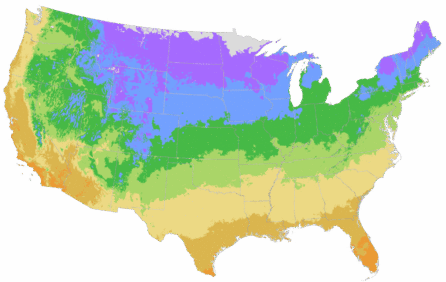
Your USDA Cold Hardiness Zone:
| Description | This hardy, heat and drought tolerant selection has an improved, sturdy, compact form that does not flop over in the landscape! Lavender-blue flower sprays enhance its aromatic, deer resistant foliage. A colorful, easy care choice for an accent, border or mass planting. Perennial. |
|---|---|
| Bloom Time | Summer to early fall |
| Deciduous/Evergreen | Herbaceous |
| Special Features | Easy Care, Waterwise, Attracts Pollinators, Heat Loving, Compact Form |
| Problems/Solutions | Deer Resistant, Rabbit Resistant |
| Growth Rate | Moderate |
| Flower Attributes | Showy Flowers |
| Patent Act | Asexual reproduction of plants protected by the Plant Patent Act is prohibited during the life of the patent. |
| Landscape Use | Border, Container, Hillside |
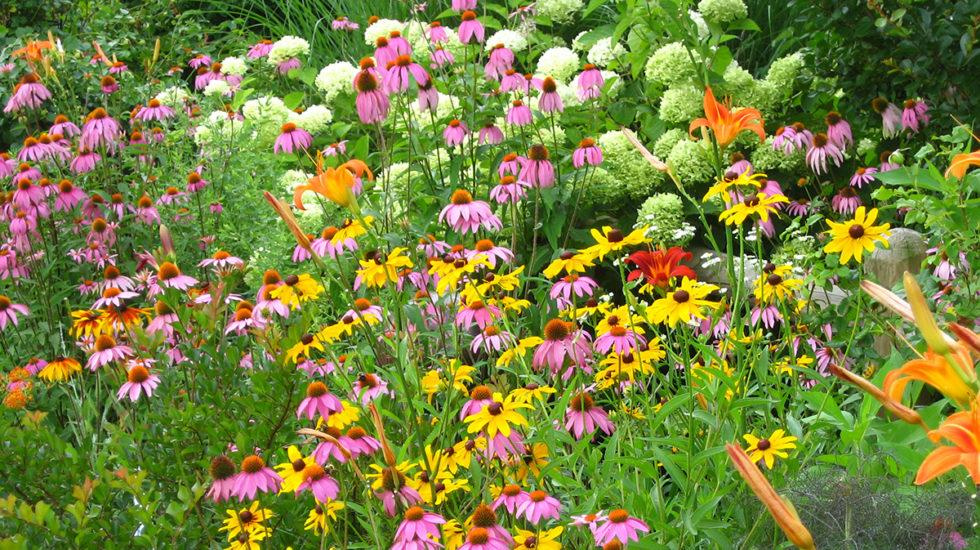
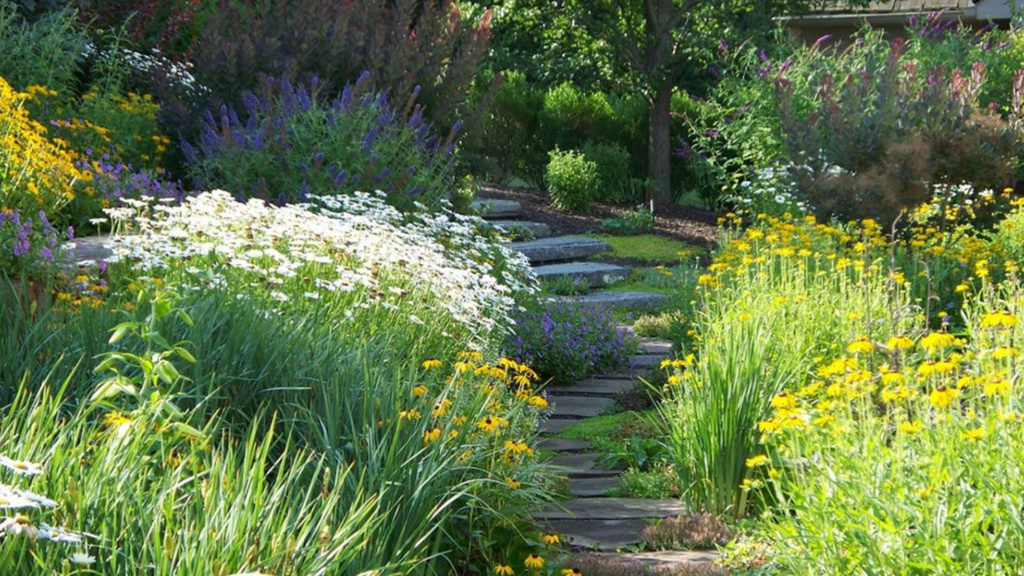
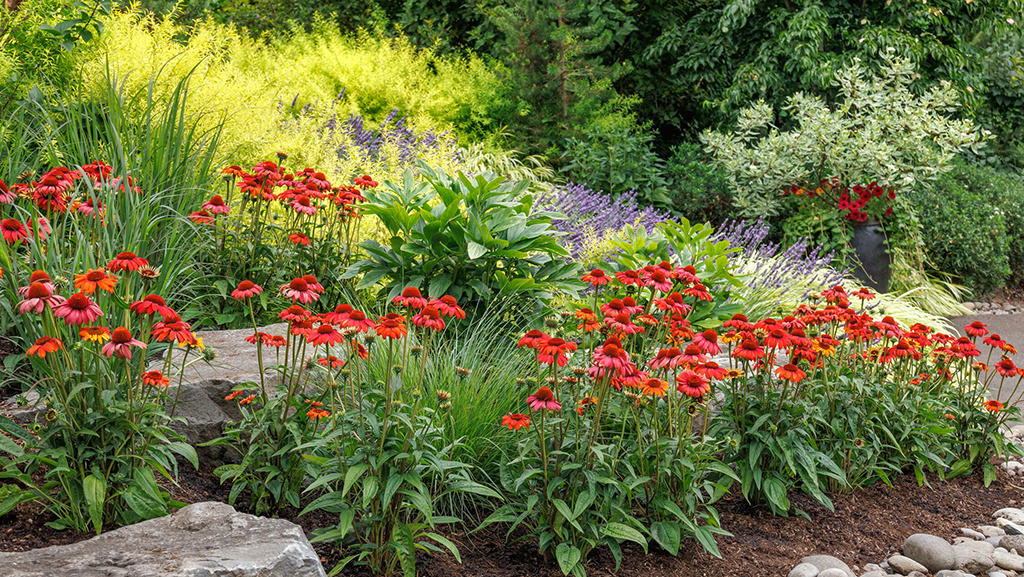
| Design Ideas | Plant en masse to add a wonderful drift of color to the landscape. A delightful alternative to lavender in cottage gardens or along fence lines of pickets or iron. Shows well in traditional parterres or hedge-bound planters. Casual character is equally suited for wild gardens amidst rocky outcroppings or landscape boulders. Outstanding at edges of dry stream beds with wildflowers. Excellent container specimen in unglazed clay pots. |
| Flower Color | Purple |
| Foliage Color | Gray-green |
| Companion Plants | Juniper (Juniperus); Aster (Aster); Potentilla (Potentilla); Butterfly Weed (Asclepias); Butterfly Bush (Buddleja); Bee Balm (Monarda) |
| Care Instructions | Easily grown in average to lean, fast-draining soils. Avoid wet, poorly drained soils. Water deeply, regularly during the first growing season to establish an extensive root system; once established, reduce frequency. Fertilize in early spring and prune to within several inches above the ground to promote dense growth and heavy bloom. |
| History | Lacey Blue Russian Sage was discovered in a self-pollinated seedling mixture of Perovskia 'Blue Spire' in 2001, during a breeding project by Peter Catt in Liss, Hampshire, United Kingdom, with the goal of developing a more compact cultivar with stiff, upright flowering stems. Chosen for its compact plant habit, foliage that is highly dissected and silver-green in color, and its stiff, upright flowering stems with an abundance of flowers, the selection was then reproduced by the breeder in 2003 by means of stem cuttings. The characteristics of the new cultivar have been found to be stable and reproduced true to type in successive generations. |
Details
| Description | This hardy, heat and drought tolerant selection has an improved, sturdy, compact form that does not flop over in the landscape! Lavender-blue flower sprays enhance its aromatic, deer resistant foliage. A colorful, easy care choice for an accent, border or mass planting. Perennial. |
|---|---|
| Bloom Time | Summer to early fall |
| Deciduous/Evergreen | Herbaceous |
| Special Features | Easy Care, Waterwise, Attracts Pollinators, Heat Loving, Compact Form |
| Problems/Solutions | Deer Resistant, Rabbit Resistant |
| Growth Rate | Moderate |
| Flower Attributes | Showy Flowers |
| Patent Act | Asexual reproduction of plants protected by the Plant Patent Act is prohibited during the life of the patent. |
Style
| Landscape Use | Border, Container, Hillside |
|---|---|
| Design Ideas | Plant en masse to add a wonderful drift of color to the landscape. A delightful alternative to lavender in cottage gardens or along fence lines of pickets or iron. Shows well in traditional parterres or hedge-bound planters. Casual character is equally suited for wild gardens amidst rocky outcroppings or landscape boulders. Outstanding at edges of dry stream beds with wildflowers. Excellent container specimen in unglazed clay pots. |
| Flower Color | Purple |
| Foliage Color | Gray-green |
| Companion Plants | Juniper (Juniperus); Aster (Aster); Potentilla (Potentilla); Butterfly Weed (Asclepias); Butterfly Bush (Buddleja); Bee Balm (Monarda) |
Care
| Care Instructions | Easily grown in average to lean, fast-draining soils. Avoid wet, poorly drained soils. Water deeply, regularly during the first growing season to establish an extensive root system; once established, reduce frequency. Fertilize in early spring and prune to within several inches above the ground to promote dense growth and heavy bloom. |
|---|
History
| History | Lacey Blue Russian Sage was discovered in a self-pollinated seedling mixture of Perovskia 'Blue Spire' in 2001, during a breeding project by Peter Catt in Liss, Hampshire, United Kingdom, with the goal of developing a more compact cultivar with stiff, upright flowering stems. Chosen for its compact plant habit, foliage that is highly dissected and silver-green in color, and its stiff, upright flowering stems with an abundance of flowers, the selection was then reproduced by the breeder in 2003 by means of stem cuttings. The characteristics of the new cultivar have been found to be stable and reproduced true to type in successive generations. |
|---|
Retailers Near You
About Us
We have been pioneers and craftsmen in the art of growing plants for 100 years. Since our founding in Southern California by Harry E. Rosedale, Sr. in 1926, we have been absolutely dedicated and obsessed with quality.
We have been pioneers and craftsmen in the art of growing plants for nearly 100 years. Since our founding in Southern California by Harry E. Rosedale, Sr. in 1926, we have been absolutely dedicated and obsessed with quality.