
You're growing in this Zip Code:
Discover Plants for Your Area
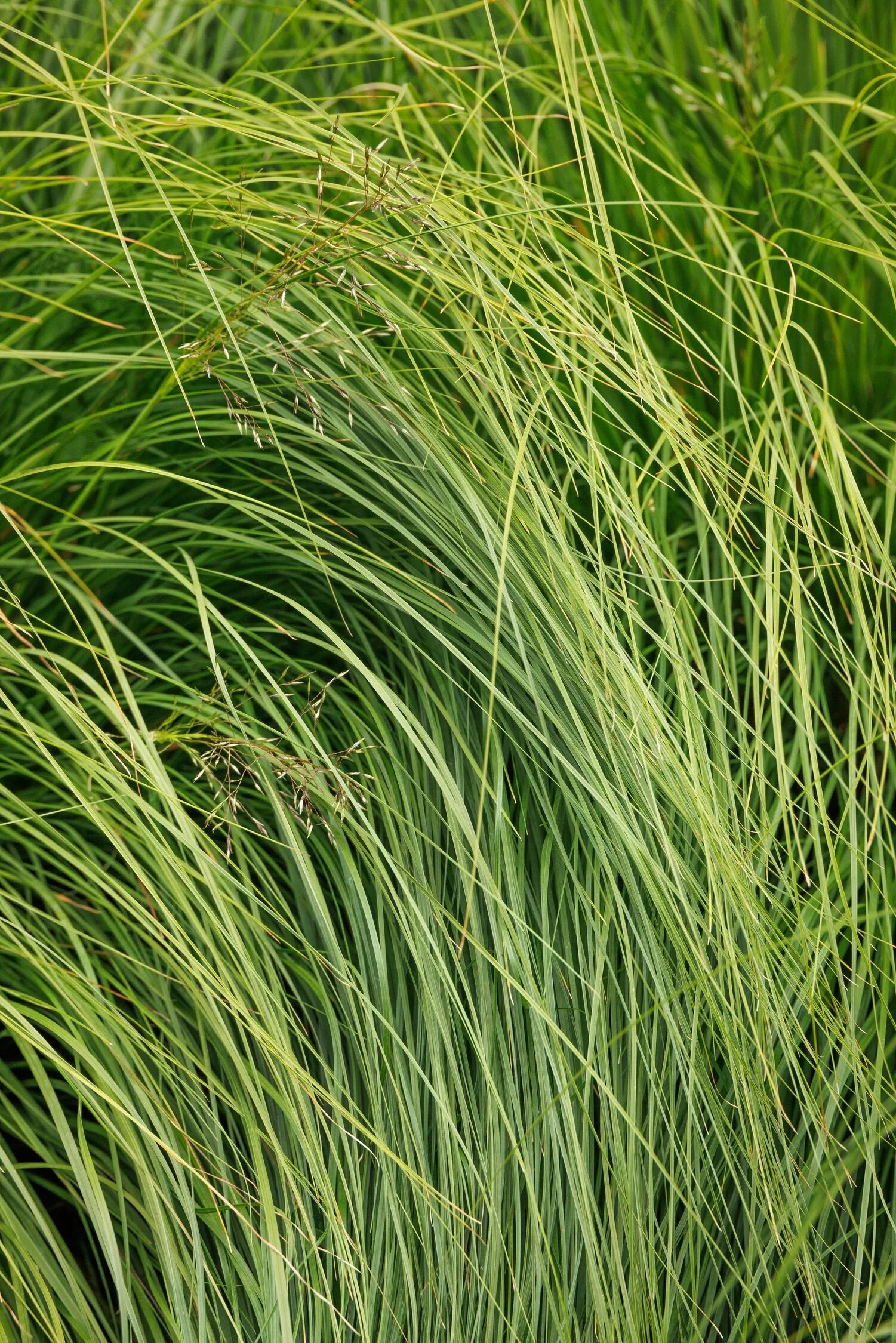
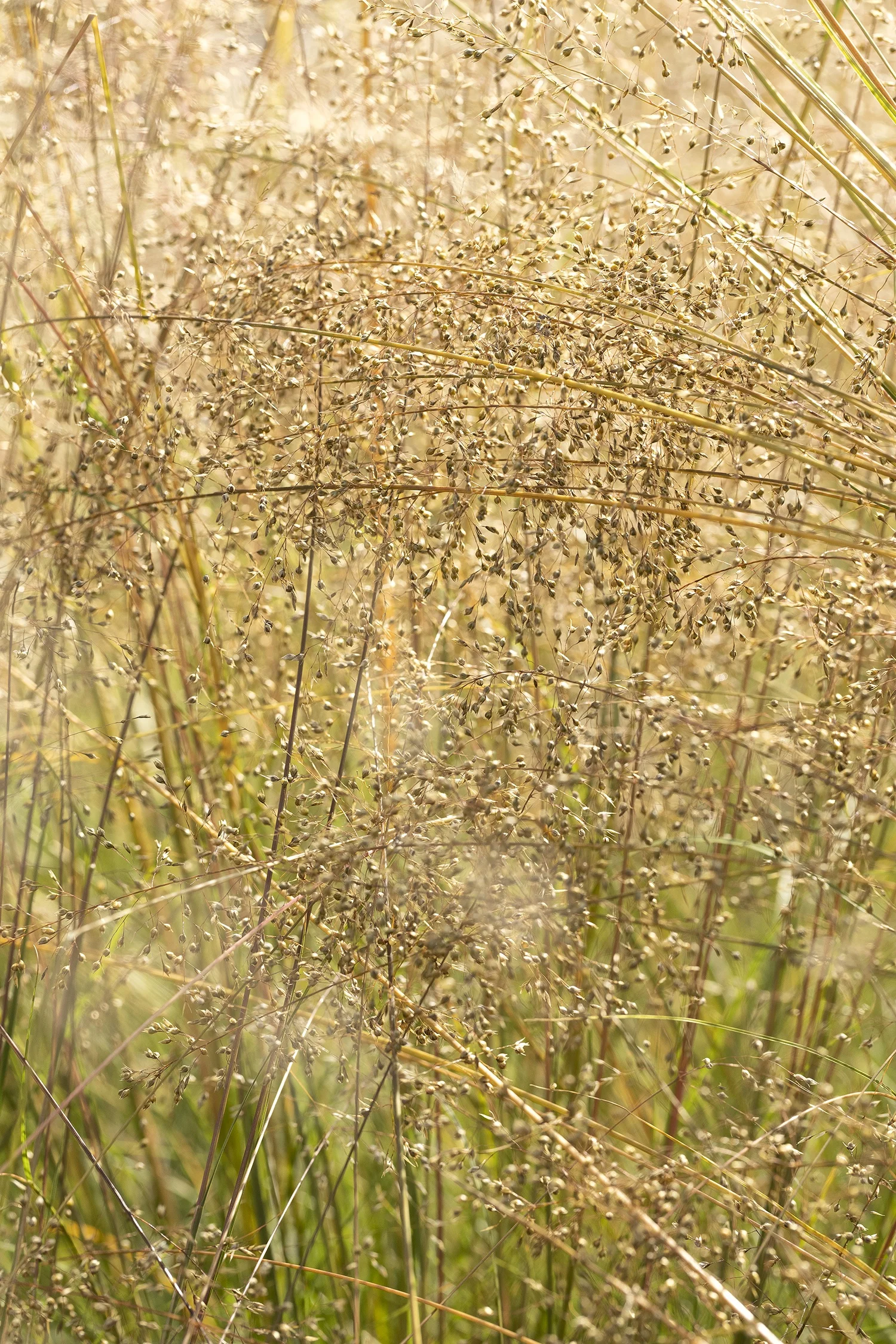
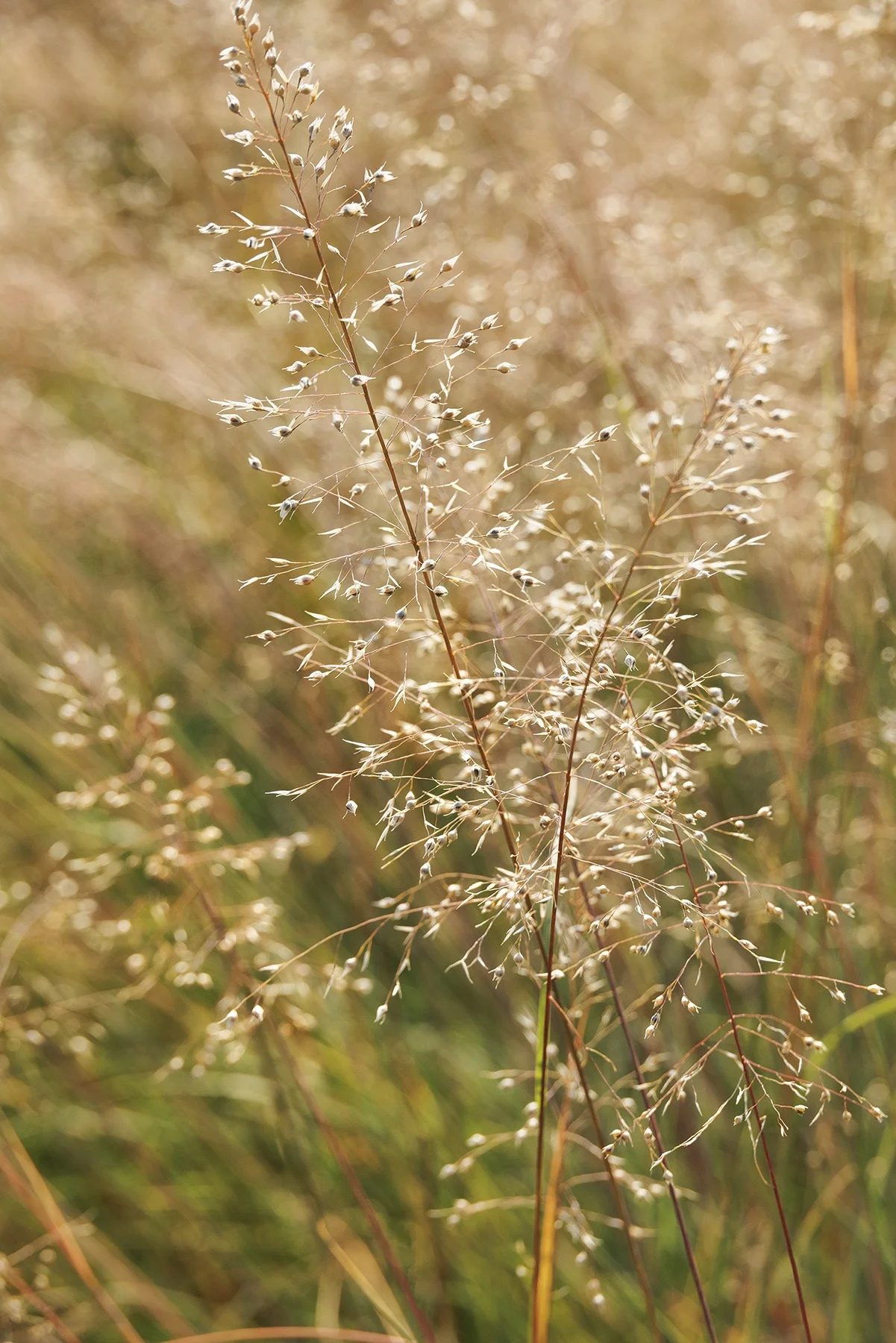
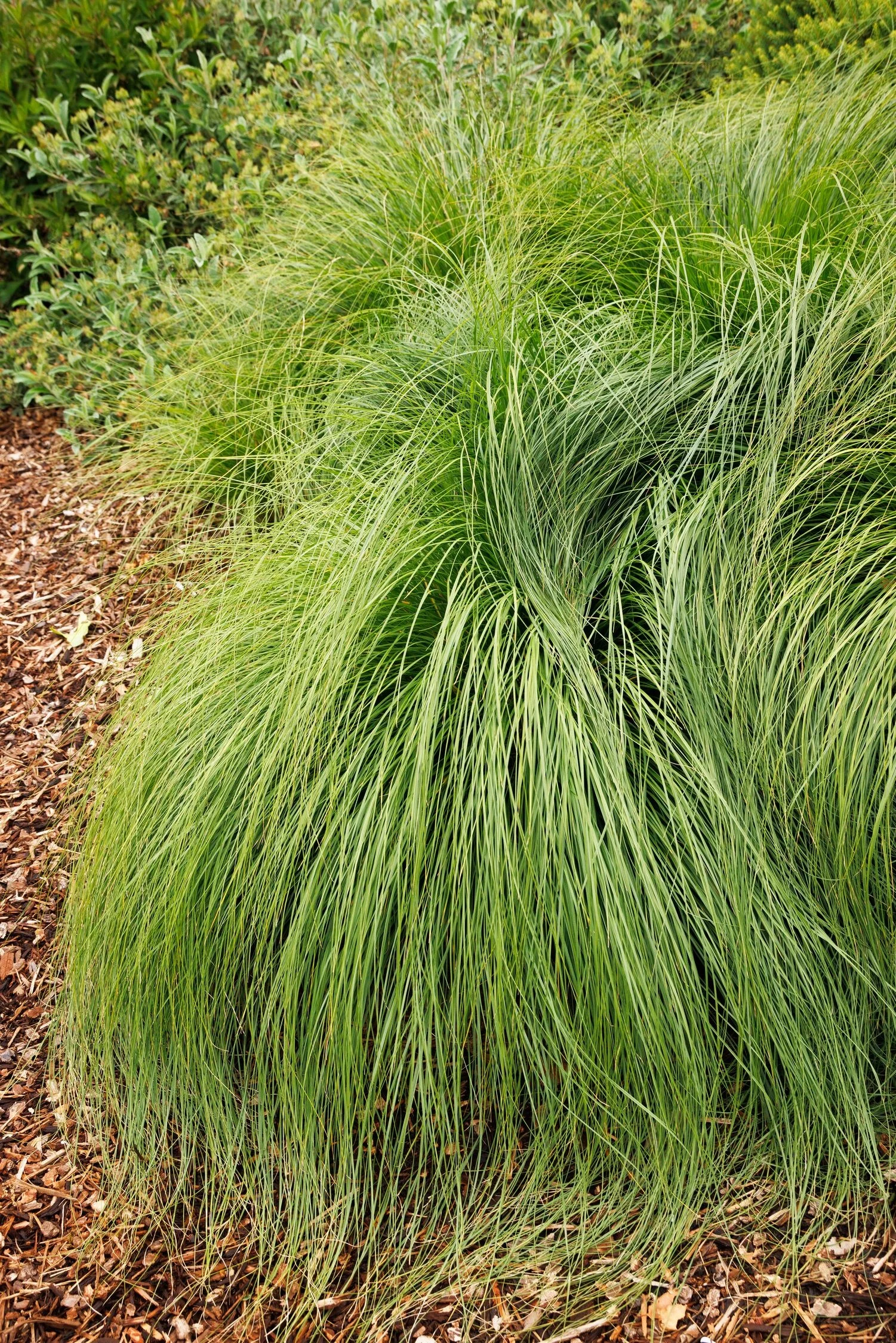
Prairie Dropseed
Sporobolus heterolepis
Pronunciation: spoh-ROB-ah-lus het-er-OH-le-pis
SKU #01208
LIGHT:
Full sun
WATER:
Water when top 3 inches of soil is dry.
SIZE:
Slowly reaches 18 in. tall, 24 to 36 in. wide; 36 in. tall in bloom.

Retailers Near You
Ready to Grow?
Ship Monrovia plants directly to your door. Browse a curated selection available online.
Shop Now >This Plant's Growing Zones: 3-9
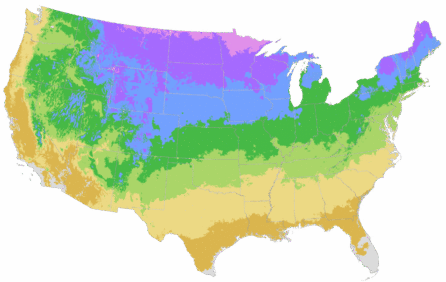
Your USDA Cold Hardiness Zone:
| Description | A fine-textured grass for the landscape with tall, slender stalks that display airy, remarkably fragrant, light brown, late summer panicles. Dense, mounded foliage turns deep copper-gold in fall. Attractive accent, or easy care groundcover, if planted en masse. Long-lived and trouble free. Rarely self-seeds. Native to the plains of North America. |
|---|---|
| Bloom Time | Summer to fall |
| Deciduous/Evergreen | Herbaceous |
| Special Features | Easy Care, Fall Color, North American Native, Heat Loving, Benefits Birds |
| Problems/Solutions | Deer Resistant, Erosion Control |
| Growth Rate | Slow |
| Flower Attributes | Fragrant |
| Landscape Use | Ground Cover |
| Flower Color | Brown |
| Foliage Color | Green |
| Foliage Fall Color | Yellow |
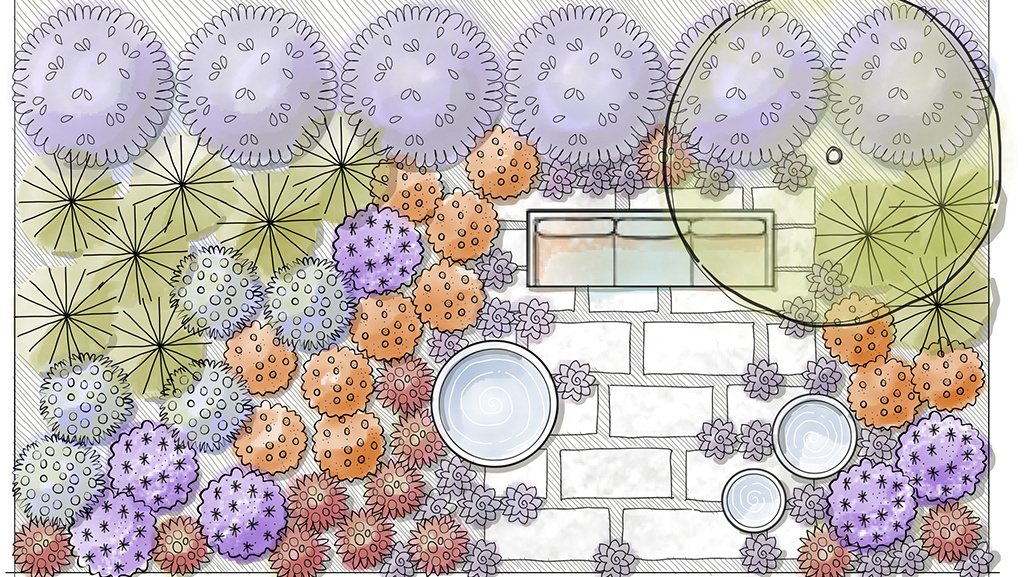
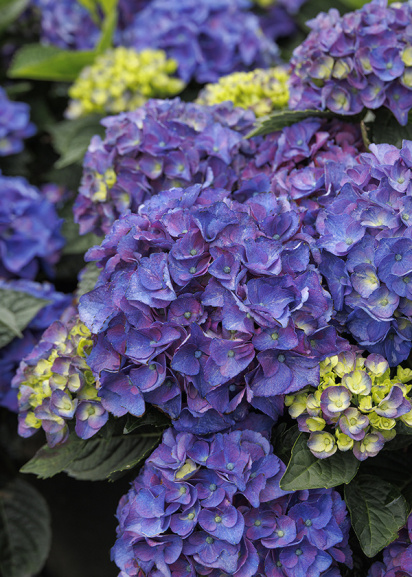
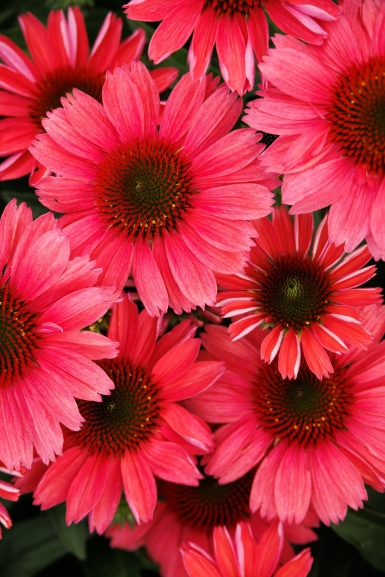
| Companion Plants | Coneflower (Echinacea); Black-Eyed Susan (Rudbeckia); Phlox (Phlox); Aster (Aster); Shasta Daisy (Chrysanthemum) |
| Care Instructions | Tolerates a range of soils, including heavy clay; prefers slightly dry, rocky soils. Water deeply, regularly during first growing season to establish an extensive root system; allow to dry slightly between intervals. Once established, reduce frequency; tolerates drought. Remove old, faded foliage before new leaves emerge. |
| History | Sporobolus heterolepis is native to the mid-western United States, where it occurs in prairies, glades, and open ground throughout much of the central plains. |
Details
| Description | A fine-textured grass for the landscape with tall, slender stalks that display airy, remarkably fragrant, light brown, late summer panicles. Dense, mounded foliage turns deep copper-gold in fall. Attractive accent, or easy care groundcover, if planted en masse. Long-lived and trouble free. Rarely self-seeds. Native to the plains of North America. |
|---|---|
| Bloom Time | Summer to fall |
| Deciduous/Evergreen | Herbaceous |
| Special Features | Easy Care, Fall Color, North American Native, Heat Loving, Benefits Birds |
| Problems/Solutions | Deer Resistant, Erosion Control |
| Growth Rate | Slow |
| Flower Attributes | Fragrant |
Style
| Landscape Use | Ground Cover |
|---|---|
| Flower Color | Brown |
| Foliage Color | Green |
| Foliage Fall Color | Yellow |
| Companion Plants | Coneflower (Echinacea); Black-Eyed Susan (Rudbeckia); Phlox (Phlox); Aster (Aster); Shasta Daisy (Chrysanthemum) |
Care
| Care Instructions | Tolerates a range of soils, including heavy clay; prefers slightly dry, rocky soils. Water deeply, regularly during first growing season to establish an extensive root system; allow to dry slightly between intervals. Once established, reduce frequency; tolerates drought. Remove old, faded foliage before new leaves emerge. |
|---|
History
| History | Sporobolus heterolepis is native to the mid-western United States, where it occurs in prairies, glades, and open ground throughout much of the central plains. |
|---|
Retailers Near You
About Us
We have been pioneers and craftsmen in the art of growing plants for 100 years. Since our founding in Southern California by Harry E. Rosedale, Sr. in 1926, we have been absolutely dedicated and obsessed with quality.
We have been pioneers and craftsmen in the art of growing plants for nearly 100 years. Since our founding in Southern California by Harry E. Rosedale, Sr. in 1926, we have been absolutely dedicated and obsessed with quality.