
You're growing in this Zip Code:
Discover Plants for Your Area


Exclusive
Moonlight Chinese Fairy Bells
Disporum cantoniense 'Moonlight' PP #24,556
Pronunciation: dy-SPOR-um kan-toe-nee-EN-see
SKU #08582
LIGHT:
Filtered sun, Full shade, Partial shade
WATER:
Keep soil moist, but not soggy.
SIZE:
Quickly forms clump 18 to 24 in. tall and wide, slowly spreading wider.

Home Delivery Price
?
- Arrives in 3 to 7 days
- Free shipping on orders over $149
- Perfect Start Promise
Select Quantity
Retailers Near You
This Plant's Growing Zones: 7-9
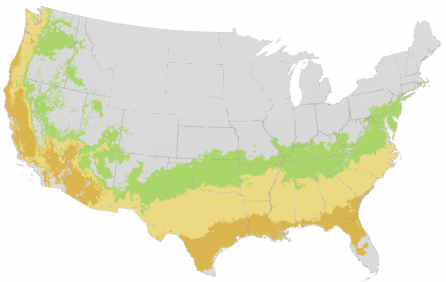
Your USDA Cold Hardiness Zone:
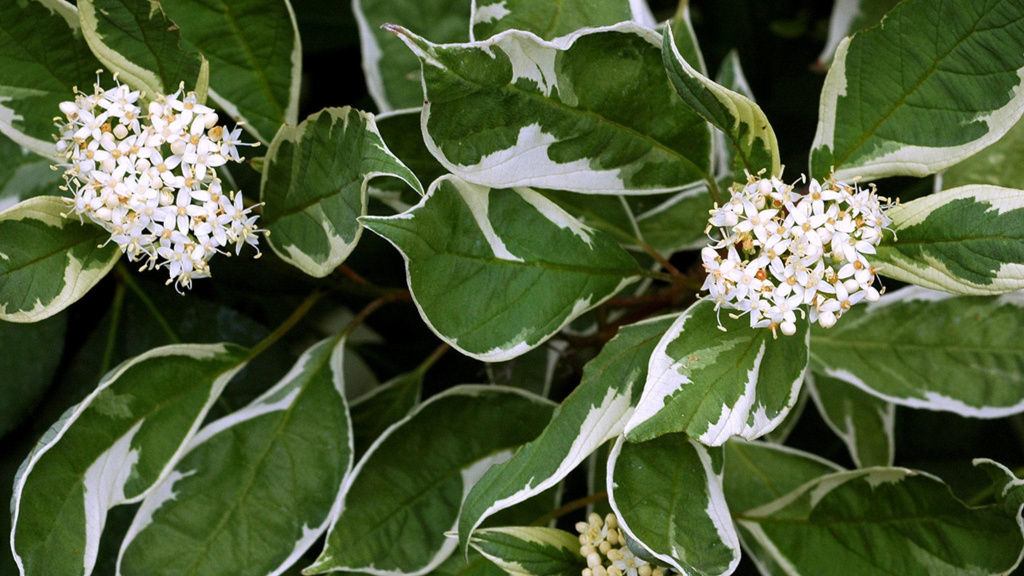

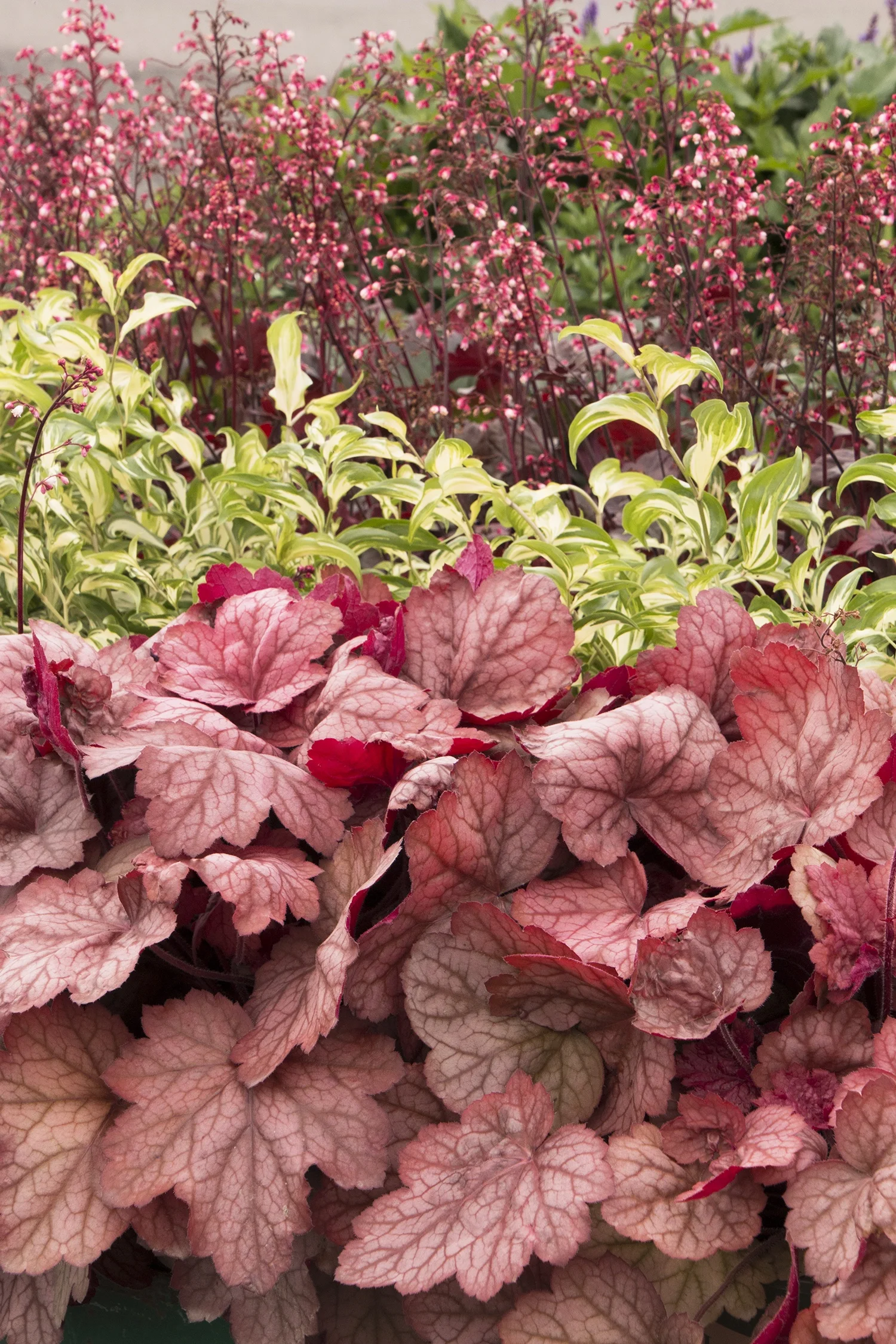
| Description | An exceptional compact cultivar with unique green and silver-white variegation radiating from each leaf blade, becoming suffused with purple-pink coloration as temperatures cool in the fall. Graceful, arching stems emerge in spring, soon followed by clusters of small flowers. Adds an illuminating effect to any shade garden. An herbaceous perennial. |
|---|---|
| Bloom Time | Late spring to summer |
| Deciduous/Evergreen | Herbaceous |
| Special Features | Dramatic Foliage Color, Easy Care, Fall Color, Fast Growing, Compact Form |
| Growth Rate | Slow |
| Flower Attributes | Showy Flowers |
| Patent Act | Asexual reproduction of plants protected by the Plant Patent Act is prohibited during the life of the patent. |
| Landscape Use | Border, Container, Ground Cover, Edging |
| Flower Color | Yellow |
| Foliage Color | Variegated |
| Foliage Fall Color | Purple |
| Companion Plants | Spikenard (Aralia); Lungwort (Pulmonaria); Coral Bells (Heuchera); Ligularia (Ligularia); Hosta (Hosta); Bleeding Heart (Dicentra) |
| Care Instructions | Thrives in humus-rich, consistently moist, well-drained soils. Plants will slowly spread over time by rhizomes to form a broad clump. Root-hardy with protection to USDA zones 5 and 6, and semi-evergreen to evergreen elsewhere. Prune away old foliage before new growth appears in spring. |
| History | 'Moonlight' was brought to Monrovia by Dan Hinkley, and was introduced in 2015 as a Monrovia exclusive. It originated as a naturally occurring branch mutation of Disporum cantoniense 'Aureovariegata' (not patented). The new cultivar was discovered by Reinier van Elderen in a container at his nursery in 2007 in Lijnden, The Netherlands. This new cultivar differs from its parent plant in that 'Aureovariegata' has foliage that is inconspicuously variegated with green and pale greenish yellow leaves, while the new cultivar has radiating silvery white and green variegation. As compared to Disporum 'Night Heron and 'Green Giant', 'Moonlight' is noted for it's unique coloration and variegation while having a significantly shorter form with a more arching habit. Moonlight was brought to Monrovia |
Details
| Description | An exceptional compact cultivar with unique green and silver-white variegation radiating from each leaf blade, becoming suffused with purple-pink coloration as temperatures cool in the fall. Graceful, arching stems emerge in spring, soon followed by clusters of small flowers. Adds an illuminating effect to any shade garden. An herbaceous perennial. |
|---|---|
| Bloom Time | Late spring to summer |
| Deciduous/Evergreen | Herbaceous |
| Special Features | Dramatic Foliage Color, Easy Care, Fall Color, Fast Growing, Compact Form |
| Growth Rate | Slow |
| Flower Attributes | Showy Flowers |
| Patent Act | Asexual reproduction of plants protected by the Plant Patent Act is prohibited during the life of the patent. |
Style
| Landscape Use | Border, Container, Ground Cover, Edging |
|---|---|
| Flower Color | Yellow |
| Foliage Color | Variegated |
| Foliage Fall Color | Purple |
| Companion Plants | Spikenard (Aralia); Lungwort (Pulmonaria); Coral Bells (Heuchera); Ligularia (Ligularia); Hosta (Hosta); Bleeding Heart (Dicentra) |
Care
| Care Instructions | Thrives in humus-rich, consistently moist, well-drained soils. Plants will slowly spread over time by rhizomes to form a broad clump. Root-hardy with protection to USDA zones 5 and 6, and semi-evergreen to evergreen elsewhere. Prune away old foliage before new growth appears in spring. |
|---|
History
| History | 'Moonlight' was brought to Monrovia by Dan Hinkley, and was introduced in 2015 as a Monrovia exclusive. It originated as a naturally occurring branch mutation of Disporum cantoniense 'Aureovariegata' (not patented). The new cultivar was discovered by Reinier van Elderen in a container at his nursery in 2007 in Lijnden, The Netherlands. This new cultivar differs from its parent plant in that 'Aureovariegata' has foliage that is inconspicuously variegated with green and pale greenish yellow leaves, while the new cultivar has radiating silvery white and green variegation. As compared to Disporum 'Night Heron and 'Green Giant', 'Moonlight' is noted for it's unique coloration and variegation while having a significantly shorter form with a more arching habit. Moonlight was brought to Monrovia |
|---|
Retailers Near You
About Us
We have been pioneers and craftsmen in the art of growing plants for 100 years. Since our founding in Southern California by Harry E. Rosedale, Sr. in 1926, we have been absolutely dedicated and obsessed with quality.
We have been pioneers and craftsmen in the art of growing plants for nearly 100 years. Since our founding in Southern California by Harry E. Rosedale, Sr. in 1926, we have been absolutely dedicated and obsessed with quality.