
You're growing in this Zip Code:
Change LocationDiscover Plants for Your Area
Exclusive
Sparkler® Arrowwood Viburnum
Viburnum dentatum 'SMVDE' PP #28,092
Pronunciation: vy-BER-num den-TAY-tum
SKU #40995
LIGHT:
Full sun, Partial sun
WATER:
Water when top 2 inches of soil is dry.
SIZE:
Moderate growing; reaches 10 to 15 ft. tall and wide.

Home Delivery Price
?
- Arrives in 3 to 7 days
- Free shipping on orders over $149
- Perfect Start Promise
Select Quantity
Retailers Near You
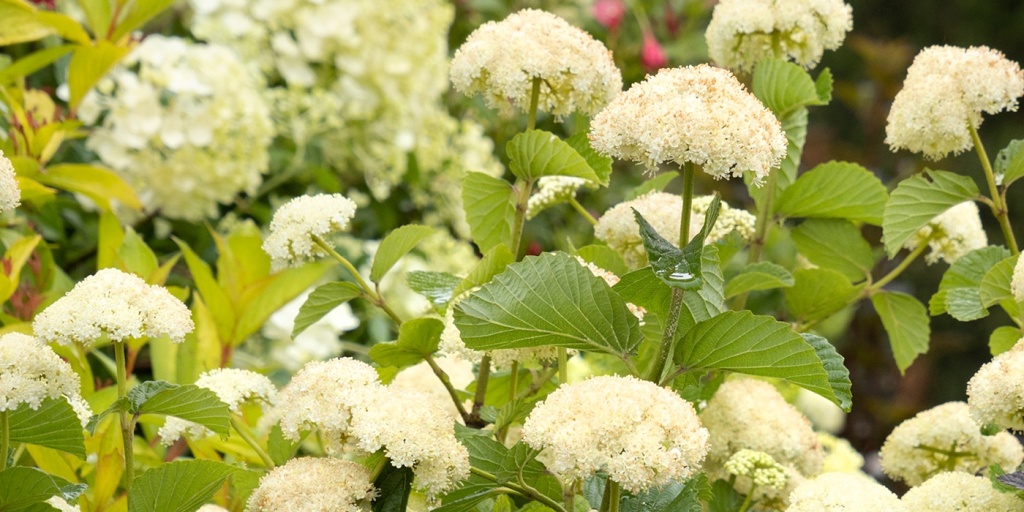
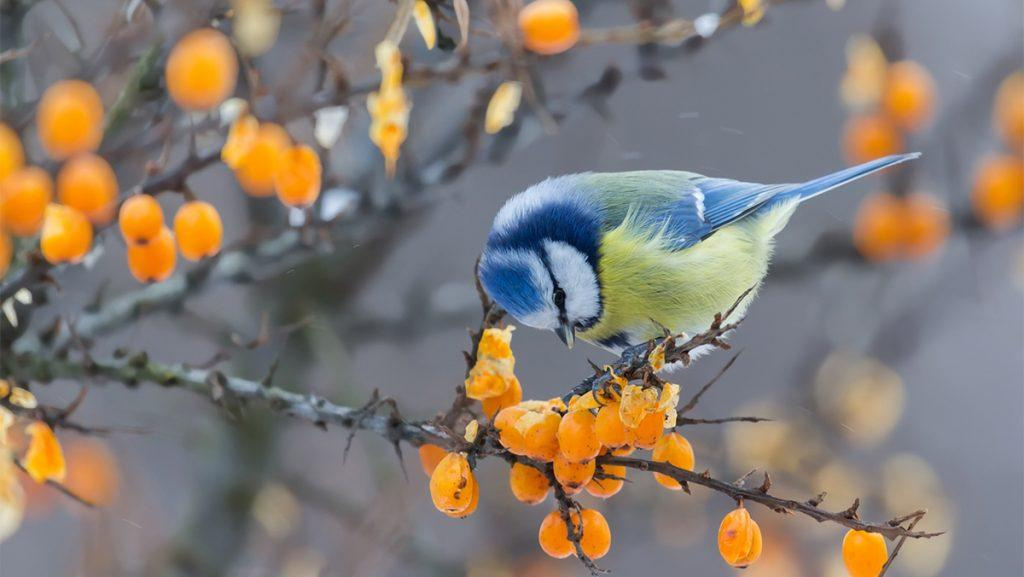
| Description | A densely branched, upright, deciduous shrub with lustrous, dark green, ruffled foliage that turns bright yellow to red in fall. Creamy white, flat-topped umbels give way to large clusters of showy blue-black berries that will delight birds. A hardy and reliable hedge, screen or border background, ideal for urban landscapes or native gardens. |
|---|---|
| Bloom Time | Late spring to early summer |
| Deciduous/Evergreen | Deciduous |
| Special Features | Easy Care, Fall Color, Ornamental Berries, Benefits Birds |
| Problems/Solutions | Coastal Exposure, Black Walnut Tolerant |
| Growth Rate | Moderate |
| Flower Attributes | Showy Flowers |
| Patent Act | Asexual reproduction of plants protected by the Plant Patent Act is prohibited during the life of the patent. |
| Landscape Use | Border, Hedge, Privacy Screen |
| Flower Color | White |
| Foliage Color | Dark Green |
| Foliage Fall Color | Orange |
| Companion Plants | Magnolia (Magnolia); Beautyberry (Callicarpa); Astilbe (Astilbe); Phlox (Phlox); Bee Balm (Monarda) |
| Care Instructions | Highly adaptable to a wide variety of soil types; prefers moist and well-drained. Water deeply and regularly during first growing season to establish an extensive root system; reduce frequency, once established. Apply fertilizer before new growth begins in spring. Prune only as needed to shape. |
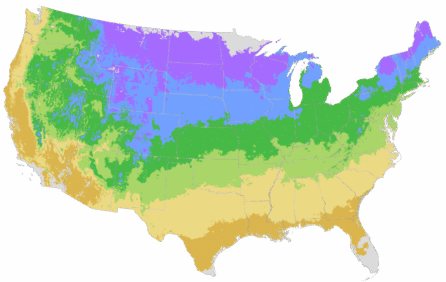
| History | This selection of arrowood viburnum originated from Spring Meadow Nursery exclusively introduced by Monrovia Nursery. Viburnum dentatum species is native to and widespread in the eastern United States from Maine to Florida and west to Iowa and eastern Texas, where their habitat includes open woods, woodland margins, and stream banks. Though mostly found in loamy, neutral to acidic soils with ample moisture, arrowwood viburnum is highly adaptable to a wide range of conditions, and grows in dry to fairly wet soils. |
| Lore | Widely distributed in eastern North America, the strong, straight stems of native Viburnum dentatum shrubs were reportedly used as arrow shafts by several Native American tribes, hence the common name Arrowwood. |
Details
| Description | A densely branched, upright, deciduous shrub with lustrous, dark green, ruffled foliage that turns bright yellow to red in fall. Creamy white, flat-topped umbels give way to large clusters of showy blue-black berries that will delight birds. A hardy and reliable hedge, screen or border background, ideal for urban landscapes or native gardens. |
|---|---|
| Bloom Time | Late spring to early summer |
| Deciduous/Evergreen | Deciduous |
| Special Features | Easy Care, Fall Color, Ornamental Berries, Benefits Birds |
| Problems/Solutions | Coastal Exposure, Black Walnut Tolerant |
| Growth Rate | Moderate |
| Flower Attributes | Showy Flowers |
| Patent Act | Asexual reproduction of plants protected by the Plant Patent Act is prohibited during the life of the patent. |
Style
| Landscape Use | Border, Hedge, Privacy Screen |
|---|---|
| Flower Color | White |
| Foliage Color | Dark Green |
| Foliage Fall Color | Orange |
| Companion Plants | Magnolia (Magnolia); Beautyberry (Callicarpa); Astilbe (Astilbe); Phlox (Phlox); Bee Balm (Monarda) |
Care
| Care Instructions | Highly adaptable to a wide variety of soil types; prefers moist and well-drained. Water deeply and regularly during first growing season to establish an extensive root system; reduce frequency, once established. Apply fertilizer before new growth begins in spring. Prune only as needed to shape. |
|---|
History
| History | This selection of arrowood viburnum originated from Spring Meadow Nursery exclusively introduced by Monrovia Nursery. Viburnum dentatum species is native to and widespread in the eastern United States from Maine to Florida and west to Iowa and eastern Texas, where their habitat includes open woods, woodland margins, and stream banks. Though mostly found in loamy, neutral to acidic soils with ample moisture, arrowwood viburnum is highly adaptable to a wide range of conditions, and grows in dry to fairly wet soils. |
|---|---|
| Lore | Widely distributed in eastern North America, the strong, straight stems of native Viburnum dentatum shrubs were reportedly used as arrow shafts by several Native American tribes, hence the common name Arrowwood. |
Retailers Near You
About Us
We have been pioneers and craftsmen in the art of growing plants for 100 years. Since our founding in Southern California by Harry E. Rosedale, Sr. in 1926, we have been absolutely dedicated and obsessed with quality.
We have been pioneers and craftsmen in the art of growing plants for nearly 100 years. Since our founding in Southern California by Harry E. Rosedale, Sr. in 1926, we have been absolutely dedicated and obsessed with quality.