
You're growing in this Zip Code:
Discover Plants for Your Area
Thumbelina Leigh English Lavender
Lavandula angustifolia 'Thumbelina Leigh'
Pronunciation: lav-AN-dew-lah an-gus-tee-FOH-lee-uh
SKU #02848
LIGHT:
Full sun
WATER:
Let soil go almost dry between waterings.
SIZE:
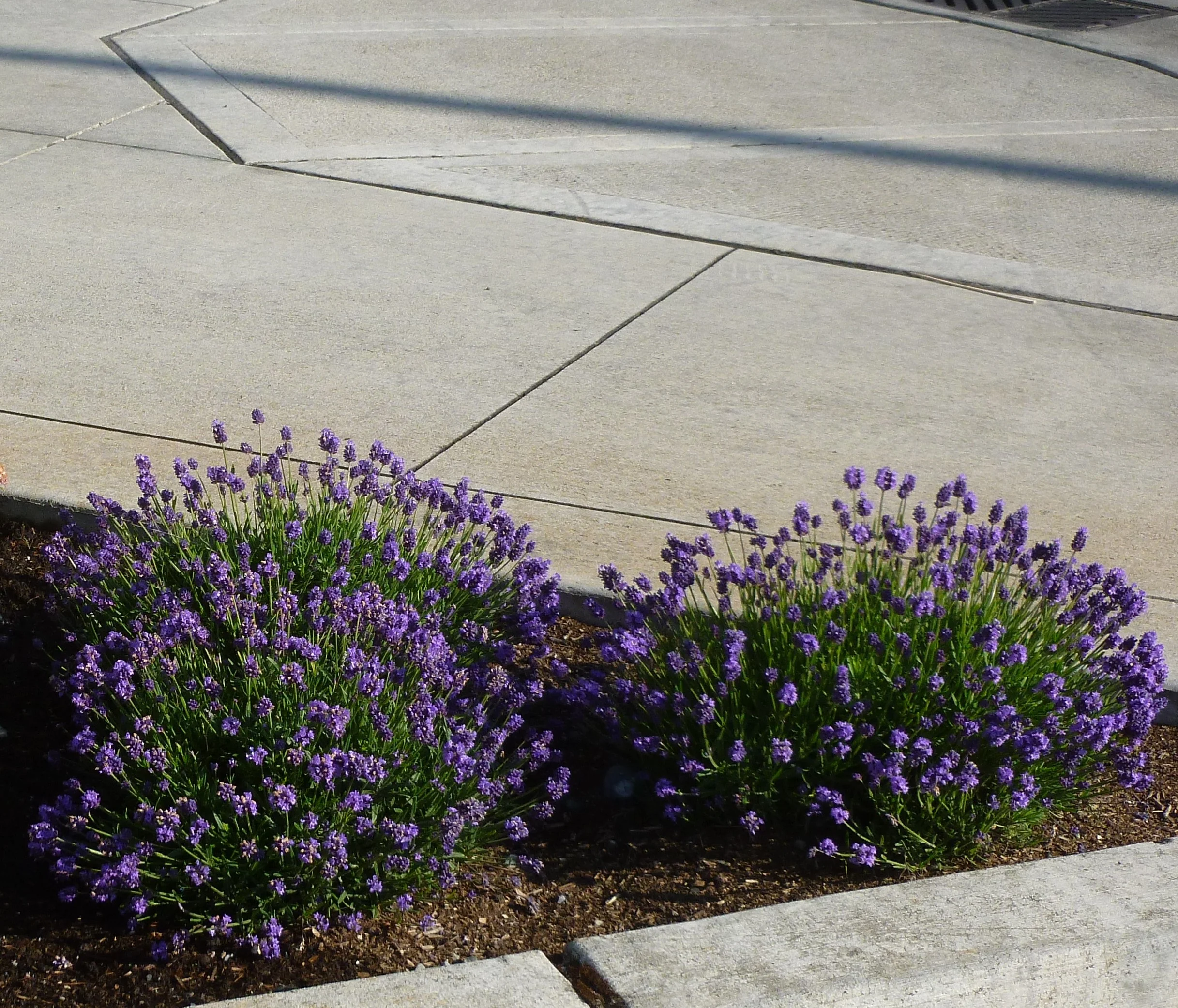
Moderate growing; reaches 12 to 18 in. tall, 12 in. wide, in bloom.

Retailers Near You
Ready to Grow?
Ship Monrovia plants directly to your door. Browse a curated selection available online.
Shop Now >This Plant's Growing Zones: 5-10
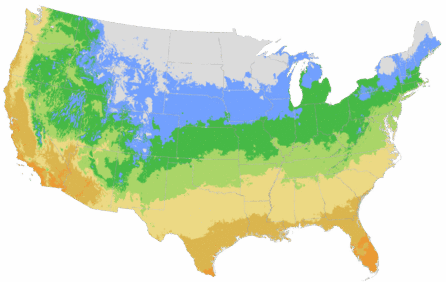
Your USDA Cold Hardiness Zone:
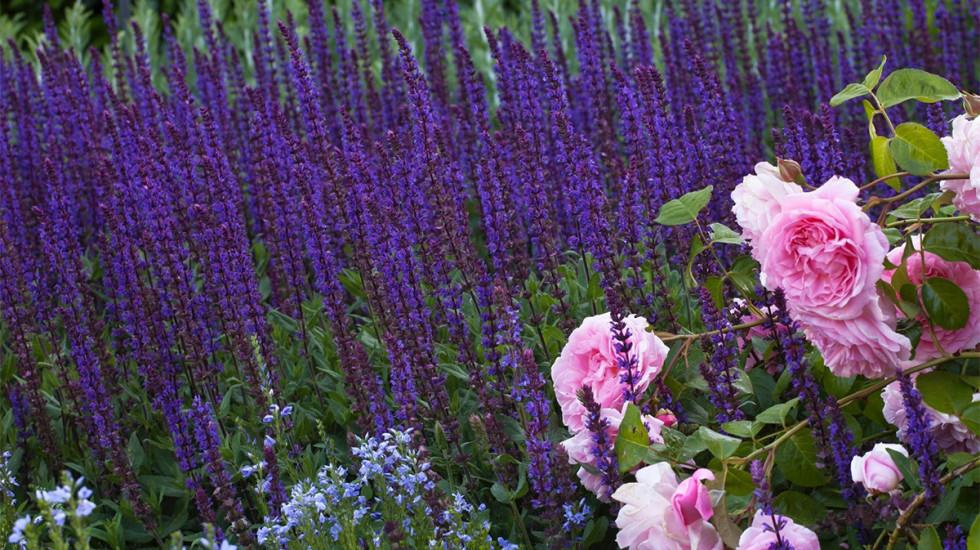
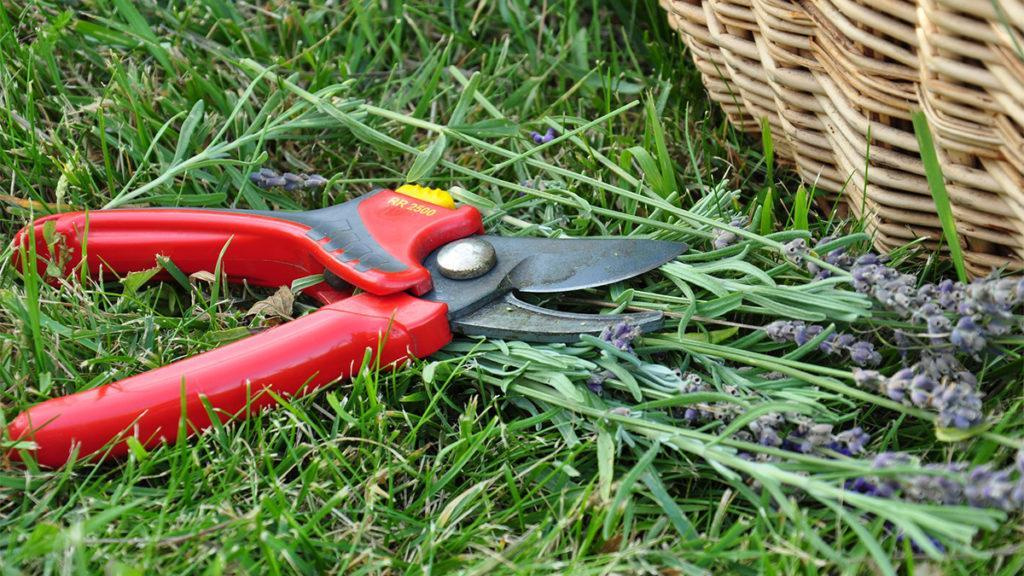
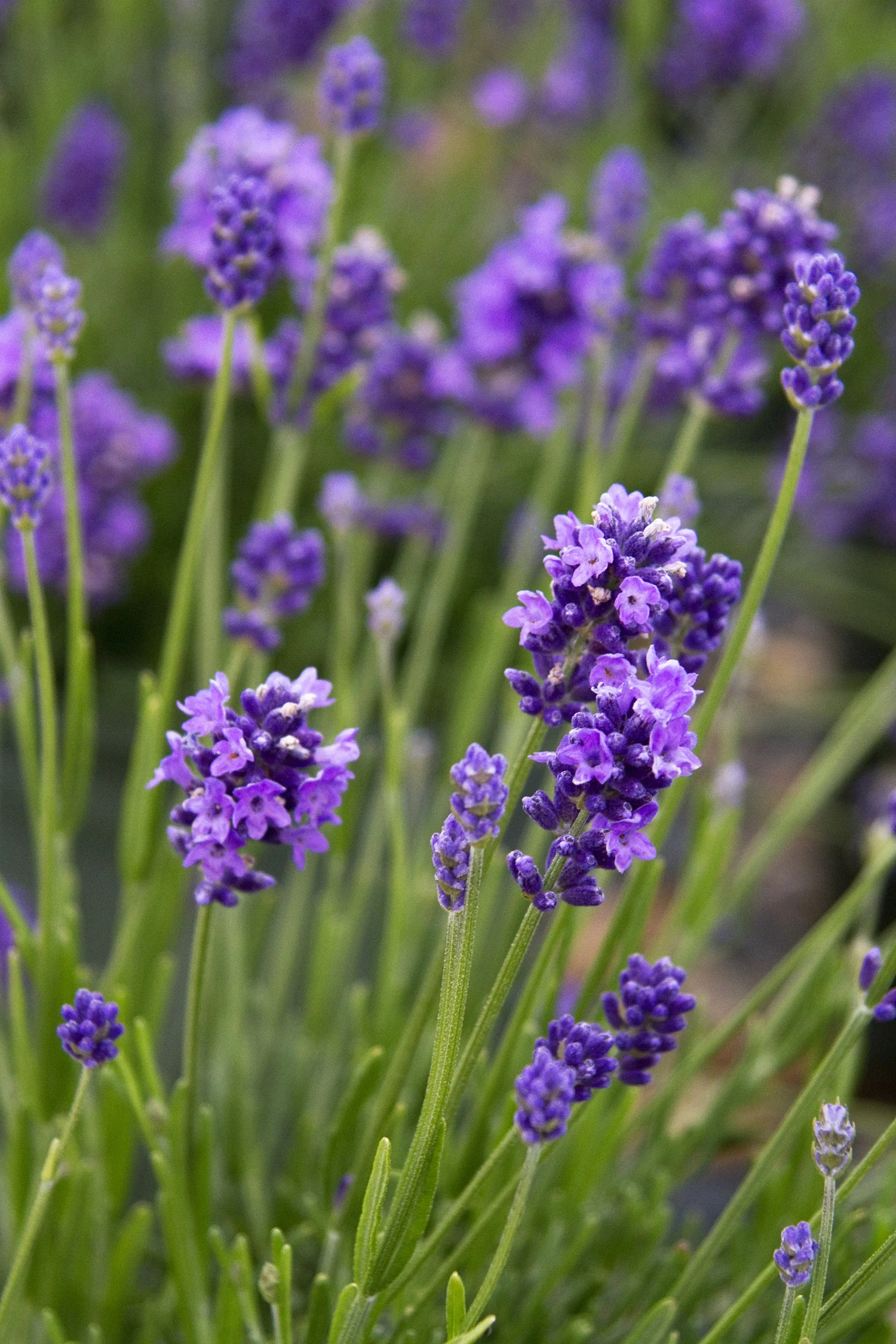
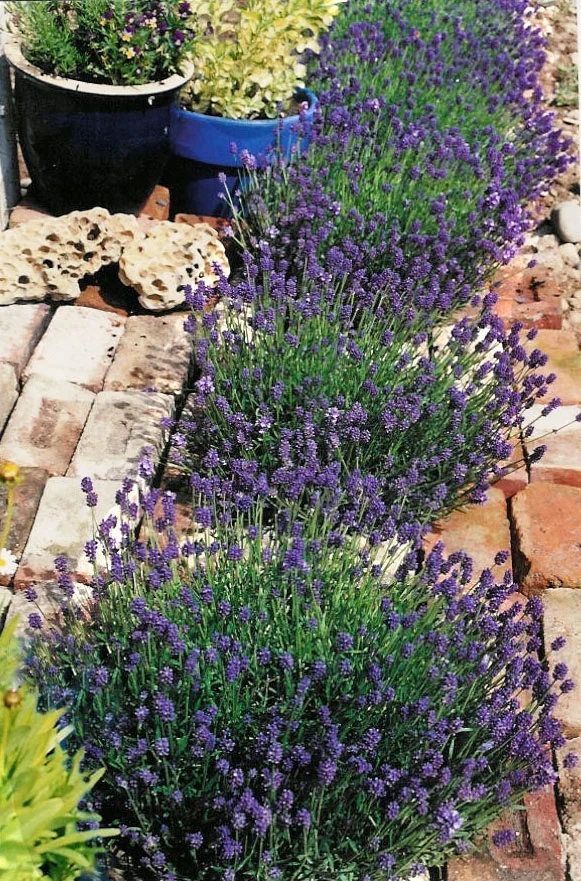
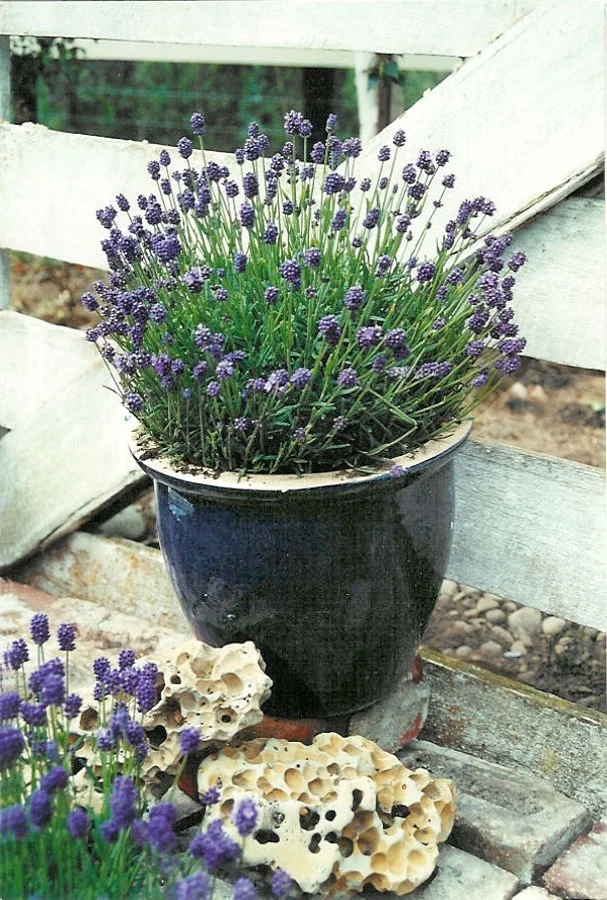
| Description | An extremely aromatic and profuse bloomer, this compact selection produces lovely spikes of violet-blue blooms up to three times per year! Prune back by one-half after flowering for best repeat show. This versatile, undemanding little evergreen shrub is ideal for containers, low borders, and rock gardens. |
|---|---|
| Bloom Time | Summer |
| Deciduous/Evergreen | Evergreen |
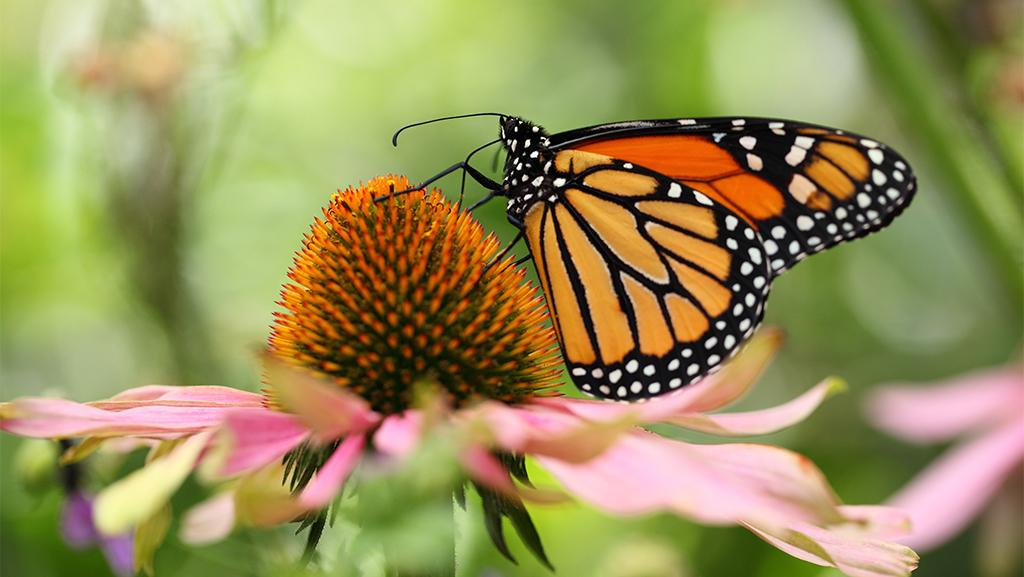
| Special Features | Waterwise, Edible, Attracts Pollinators, Heat Loving, Compact Form |
| Problems/Solutions | Deer Resistant, Rabbit Resistant |
| Growth Rate | Moderate |
| Flower Attributes | Flowers for Cutting, Fragrant, Repeat Flowering, Showy Flowers |
| Patent Act | Asexual reproduction of plants protected by the Plant Patent Act is prohibited during the life of the patent. |
| Landscape Use | Border, Container |
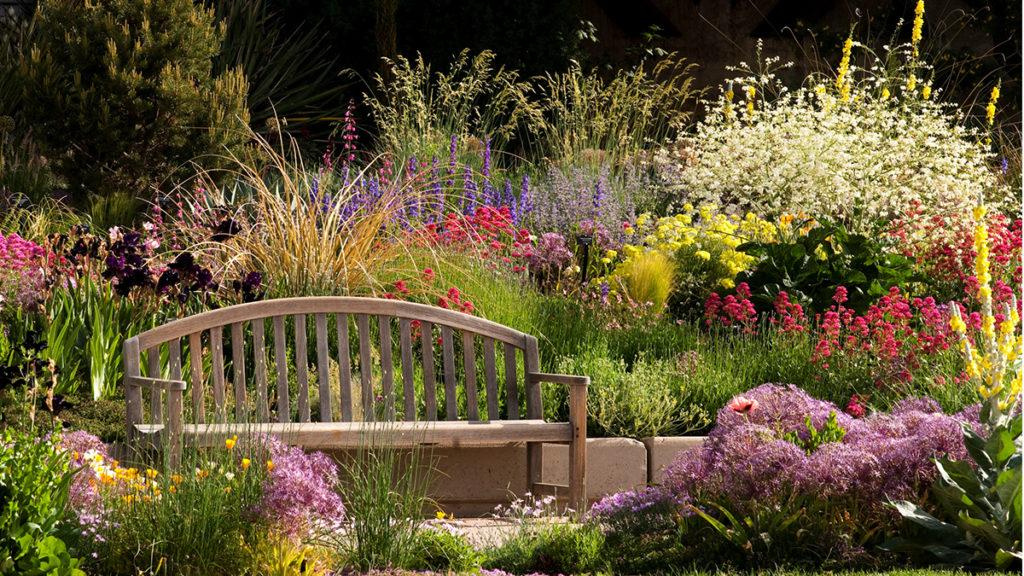
| Design Ideas | A versatile small lavender renowned for a size well suited to containers. But like its full size predecessors it remains valuable for dry slopes, banks and rock gardens. Exceptional component of Mediterranean style gardens both formal and casual. With similar requirements as western natives, it is suitable for xeriscape or wild gardens. Equally suited to traditional mixed borders with perennials and flowering shrubs provided soil is well drained. Performs best in artistic pots and particularly beautiful in aged classical terra cotta. |
| Flower Color | Blue |
| Foliage Color | Gray-green |
| Companion Plants | Black-Eyed Susan (Rudbeckia); Skullcap (Scutellaria); Shasta Daisy (Chrysanthemum); Rosemary (Rosmarinus); Rose (Rosa); Coneflower (Echinacea) |
| Care Instructions | Thrives in lean, loose, fast-draining, slightly alkaline soil; avoid heavy, soggy soils. Plant with crowns slightly above soil level. Water regularly during the first growing season to establish root system; once established, reduce frequency. Prune back by one-half after flowering to encourage rebloom. |
| History | The lavenders have been grown in Europe long before Linnaeus' time and he named both this genus and species. Lavandula is derived from the Latin verb lavo or lavandus - to wash, because the Romans used it extensively in their ablutions. French lavender is not native to France, but hot, dry Spain, Greece and North Africa. Its common name is derived merely from the region where it is grown commercially, Province, France. The plants originally classified as L. spica and L. vera are how collectively grouped under L. angustifolia. The species and well over fifty cultivars are considered the most cold hardy and produce what many say is the sweetest of all lavender oils. |
| Lore | Oil rich lavender has long been used in bathing so it's scent is an age old favorite for bed and bath preparations, fragrances and cosmetics. |
Details
| Description | An extremely aromatic and profuse bloomer, this compact selection produces lovely spikes of violet-blue blooms up to three times per year! Prune back by one-half after flowering for best repeat show. This versatile, undemanding little evergreen shrub is ideal for containers, low borders, and rock gardens. |
|---|---|
| Bloom Time | Summer |
| Deciduous/Evergreen | Evergreen |
| Special Features | Waterwise, Edible, Attracts Pollinators, Heat Loving, Compact Form |
| Problems/Solutions | Deer Resistant, Rabbit Resistant |
| Growth Rate | Moderate |
| Flower Attributes | Flowers for Cutting, Fragrant, Repeat Flowering, Showy Flowers |
| Patent Act | Asexual reproduction of plants protected by the Plant Patent Act is prohibited during the life of the patent. |
Style
| Landscape Use | Border, Container |
|---|---|
| Design Ideas | A versatile small lavender renowned for a size well suited to containers. But like its full size predecessors it remains valuable for dry slopes, banks and rock gardens. Exceptional component of Mediterranean style gardens both formal and casual. With similar requirements as western natives, it is suitable for xeriscape or wild gardens. Equally suited to traditional mixed borders with perennials and flowering shrubs provided soil is well drained. Performs best in artistic pots and particularly beautiful in aged classical terra cotta. |
| Flower Color | Blue |
| Foliage Color | Gray-green |
| Companion Plants | Black-Eyed Susan (Rudbeckia); Skullcap (Scutellaria); Shasta Daisy (Chrysanthemum); Rosemary (Rosmarinus); Rose (Rosa); Coneflower (Echinacea) |
Care
| Care Instructions | Thrives in lean, loose, fast-draining, slightly alkaline soil; avoid heavy, soggy soils. Plant with crowns slightly above soil level. Water regularly during the first growing season to establish root system; once established, reduce frequency. Prune back by one-half after flowering to encourage rebloom. |
|---|
History
| History | The lavenders have been grown in Europe long before Linnaeus' time and he named both this genus and species. Lavandula is derived from the Latin verb lavo or lavandus - to wash, because the Romans used it extensively in their ablutions. French lavender is not native to France, but hot, dry Spain, Greece and North Africa. Its common name is derived merely from the region where it is grown commercially, Province, France. The plants originally classified as L. spica and L. vera are how collectively grouped under L. angustifolia. The species and well over fifty cultivars are considered the most cold hardy and produce what many say is the sweetest of all lavender oils. |
|---|---|
| Lore | Oil rich lavender has long been used in bathing so it's scent is an age old favorite for bed and bath preparations, fragrances and cosmetics. |
Retailers Near You
About Us
We have been pioneers and craftsmen in the art of growing plants for 100 years. Since our founding in Southern California by Harry E. Rosedale, Sr. in 1926, we have been absolutely dedicated and obsessed with quality.
We have been pioneers and craftsmen in the art of growing plants for nearly 100 years. Since our founding in Southern California by Harry E. Rosedale, Sr. in 1926, we have been absolutely dedicated and obsessed with quality.