
You're growing in this Zip Code:
Discover Plants for Your Area
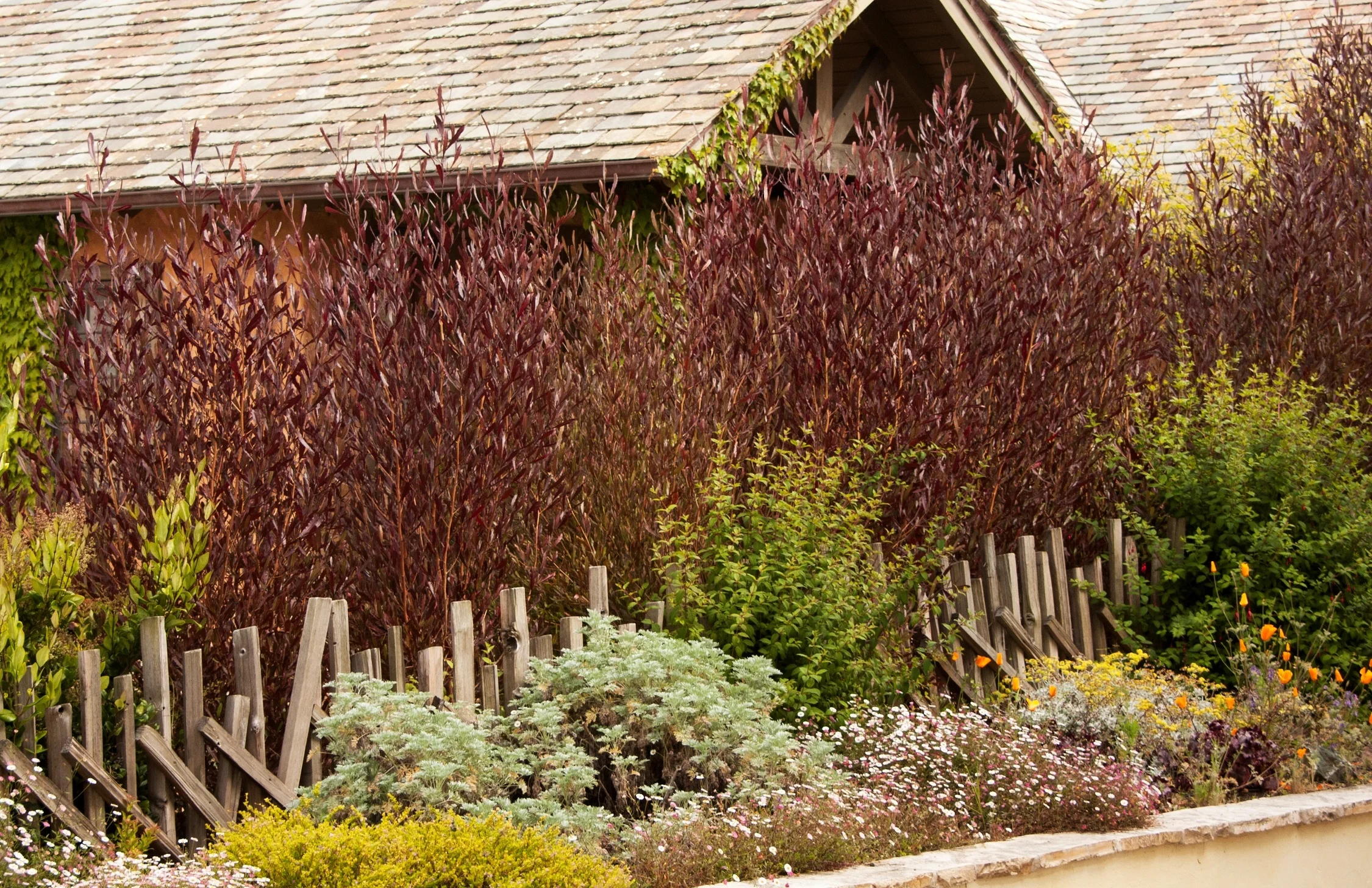
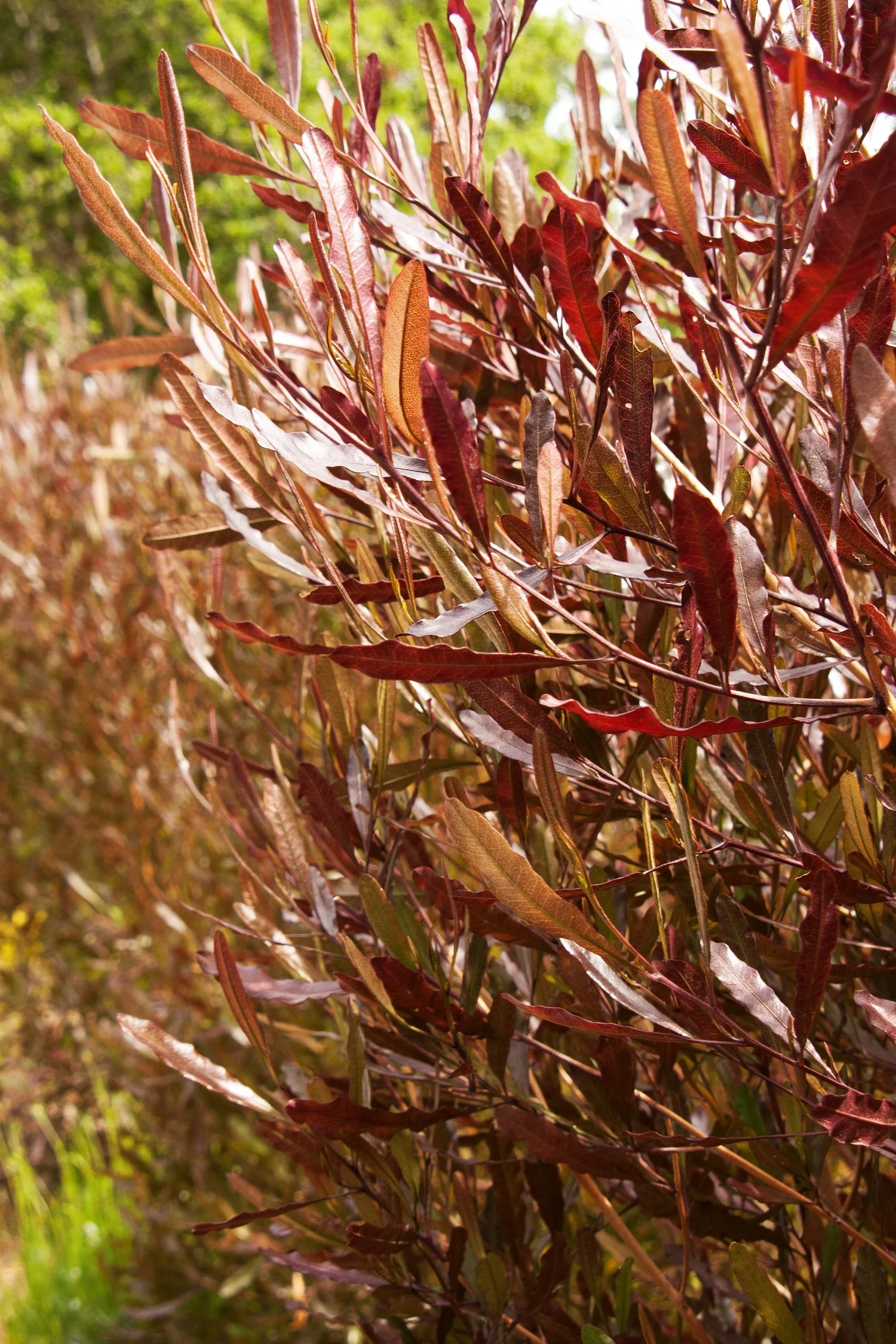

Purple Hopseed Bush
Dodonaea viscosa 'Purpurea'
Pronunciation: doh-don-EE-uh viss-KOH-suh
SKU #03165
LIGHT:
Full sun
WATER:
Water when top 3 inches of soil is dry.
SIZE:
Fast growing; reaches 12 ft. tall, 6 to 8 ft. wide.

Retailers Near You
Ready to Grow?
Ship Monrovia plants directly to your door. Browse a curated selection available online.
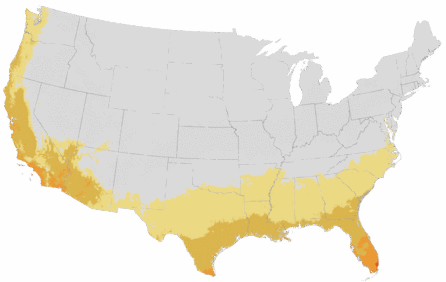
Shop Now >This Plant's Growing Zones: 8-11
Your USDA Cold Hardiness Zone:
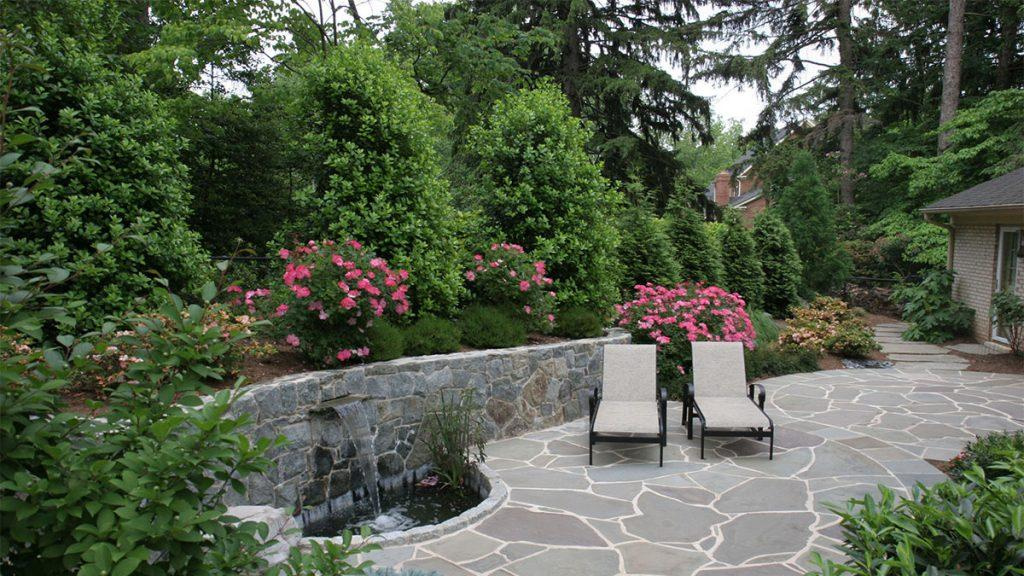
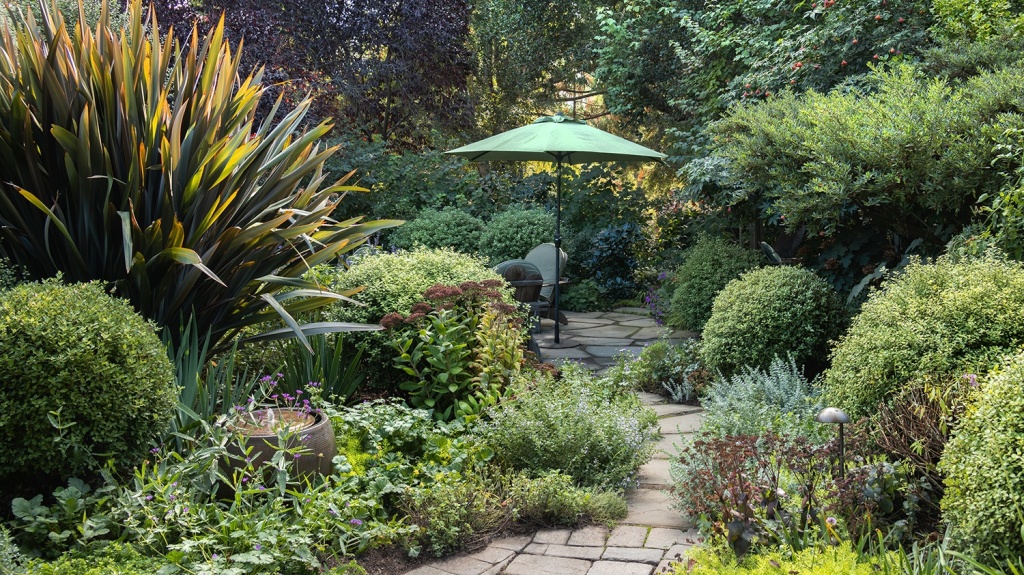
| Description | A great show of color with bronze-green foliage that turns deep purple-red in fall. Pinkish fruit brightens the plant in summer. Dense branches can be trimmed as a hedge or espalier; left unpruned, it makes a superb evergreen screen. |
|---|---|
| Bloom Time | Inconspicuous; prized for foliage. |
| Deciduous/Evergreen | Evergreen |
| Special Features | Dramatic Foliage Color, Easy Care, Fall Color, Waterwise, Fast Growing |
| Growth Rate | Fast |
| Growth Habit | Upright |
| Flower Attributes | Showy Flowers |
| Landscape Use | Border, Espalier, Hedge, Privacy Screen, Windbreak |
| Design Ideas | As a background plant, this Hopseed Bush's bronze foliage will create a soft framework for more vivid flowers. Useful as a tightly spaced hedge in very hot climates for shelter from desert winds. Avoid planting this flammable shrub in high-fire hazard zones or near barbecues. Also, the papery seedpods will litter swimming pools. |
| Foliage Color | Bronze |
| Foliage Fall Color | Purple |
| Companion Plants | Rose (Rosa); Passion Vine (Passiflora); Carpet Bugle (Ajuga); Lantana (Lantana); Crape Myrtle (Lagerstroemia) |
| Care Instructions | Provide a site with well-drained soil. Best foliage in full sun. Water deeply, regularly during the first growing season to establish an extensive root system; reduce frequency once established. Apply a general purpose fertilizer before new growth begins in spring. For a neat appearance, prune annually to shape. |
| History | This shrub is grouped into the soapberry family, the Sapindaceae, which contains about 150 genera spread around the world. This genus was classified by Linnaeus and confirmed by the Austrian, Nicolaus Jacquin, 1727-1817. It contains about 50 species of shrubs and small trees native to tropics around the world, but most notably in Australia. This species is highly variable because it is found over an immense range from Arizona to South America and in parts of the South Pacific. It produces many varieties with unique characteristics. This variety, 'Purpurea' is by far the best known and most widely cultivated. It is native to New Zealand. |
Details
| Description | A great show of color with bronze-green foliage that turns deep purple-red in fall. Pinkish fruit brightens the plant in summer. Dense branches can be trimmed as a hedge or espalier; left unpruned, it makes a superb evergreen screen. |
|---|---|
| Bloom Time | Inconspicuous; prized for foliage. |
| Deciduous/Evergreen | Evergreen |
| Special Features | Dramatic Foliage Color, Easy Care, Fall Color, Waterwise, Fast Growing |
| Growth Rate | Fast |
| Growth Habit | Upright |
| Flower Attributes | Showy Flowers |
Style
| Landscape Use | Border, Espalier, Hedge, Privacy Screen, Windbreak |
|---|---|
| Design Ideas | As a background plant, this Hopseed Bush's bronze foliage will create a soft framework for more vivid flowers. Useful as a tightly spaced hedge in very hot climates for shelter from desert winds. Avoid planting this flammable shrub in high-fire hazard zones or near barbecues. Also, the papery seedpods will litter swimming pools. |
| Foliage Color | Bronze |
| Foliage Fall Color | Purple |
| Companion Plants | Rose (Rosa); Passion Vine (Passiflora); Carpet Bugle (Ajuga); Lantana (Lantana); Crape Myrtle (Lagerstroemia) |
Care
| Care Instructions | Provide a site with well-drained soil. Best foliage in full sun. Water deeply, regularly during the first growing season to establish an extensive root system; reduce frequency once established. Apply a general purpose fertilizer before new growth begins in spring. For a neat appearance, prune annually to shape. |
|---|
History
| History | This shrub is grouped into the soapberry family, the Sapindaceae, which contains about 150 genera spread around the world. This genus was classified by Linnaeus and confirmed by the Austrian, Nicolaus Jacquin, 1727-1817. It contains about 50 species of shrubs and small trees native to tropics around the world, but most notably in Australia. This species is highly variable because it is found over an immense range from Arizona to South America and in parts of the South Pacific. It produces many varieties with unique characteristics. This variety, 'Purpurea' is by far the best known and most widely cultivated. It is native to New Zealand. |
|---|
Retailers Near You
About Us
We have been pioneers and craftsmen in the art of growing plants for 100 years. Since our founding in Southern California by Harry E. Rosedale, Sr. in 1926, we have been absolutely dedicated and obsessed with quality.
We have been pioneers and craftsmen in the art of growing plants for nearly 100 years. Since our founding in Southern California by Harry E. Rosedale, Sr. in 1926, we have been absolutely dedicated and obsessed with quality.