
You're growing in this Zip Code:
Change LocationDiscover Plants for Your Area
Radiation Bush Lantana
Lantana camara 'Radiation'
Pronunciation: lan-TAY-na ca-MA-ra
SKU #05685
LIGHT:
Full sun
WATER:
Water deeply when soil is dry.
SIZE:
Moderate growing; reaches 4 to 6 ft. tall and wide.

Retailers Near You
Ready to Grow?
Ship Monrovia plants directly to your door. Browse a curated selection available online.
Shop Now >
| Description | A profusion of radiant warm season color from rich orange-red blooms with yellow accents that brighten sun-drenched landscapes! Thrives in the heat of summer when many flowers cease blooming. Excellent for use as a low hedge plant or accent shrub. Evergreen in frost-free areas; treat as an annual elsewhere. |
|---|---|
| Bloom Time | Spring and summer; longer in frost-free areas |
| Deciduous/Evergreen | Evergreen |
| Special Features | Easy Care, Waterwise, Attracts Pollinators, Benefits Birds |
| Problems/Solutions | Coastal Exposure, Deer Resistant, Erosion Control, Tolerates Urban Pollution |
| Growth Rate | Moderate |
| Growth Habit | Upright |
| Flower Attributes | Long Bloom Season, Showy Flowers |
| Landscape Use | Border, Container, Hillside |
| Design Ideas | This vivid Lantana is an unparalleled source of quick foliage and flowers in warmer climates. Its coloring is just right for adding brilliance to the tropical-inspired landscape that will take some cold. These plants grow very fast to fill in a young landscape, or use as a single-season makeover plant. Very resilient in extreme heat, particularly reflected heat off driveways or street paving. A natural for filling sunny banks and slopes. Plant in flower and shrub beds, raised planters, along fence lines and foundations, and in parkways. Put them in pots for powerful color on a deck or patio with brightly blooming annual flowers. |
| Flower Color | Multicolored |
| Foliage Color | Green |
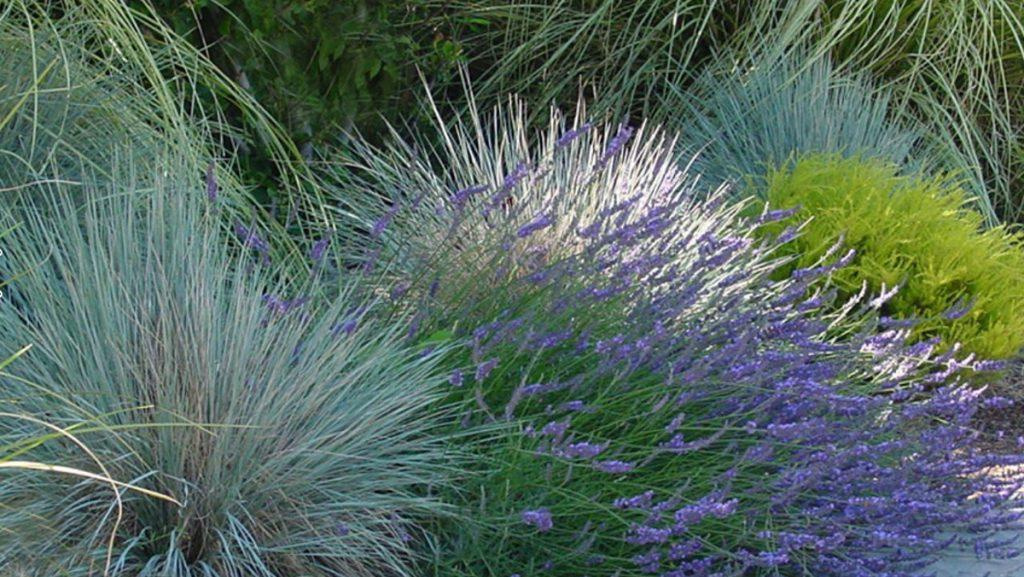
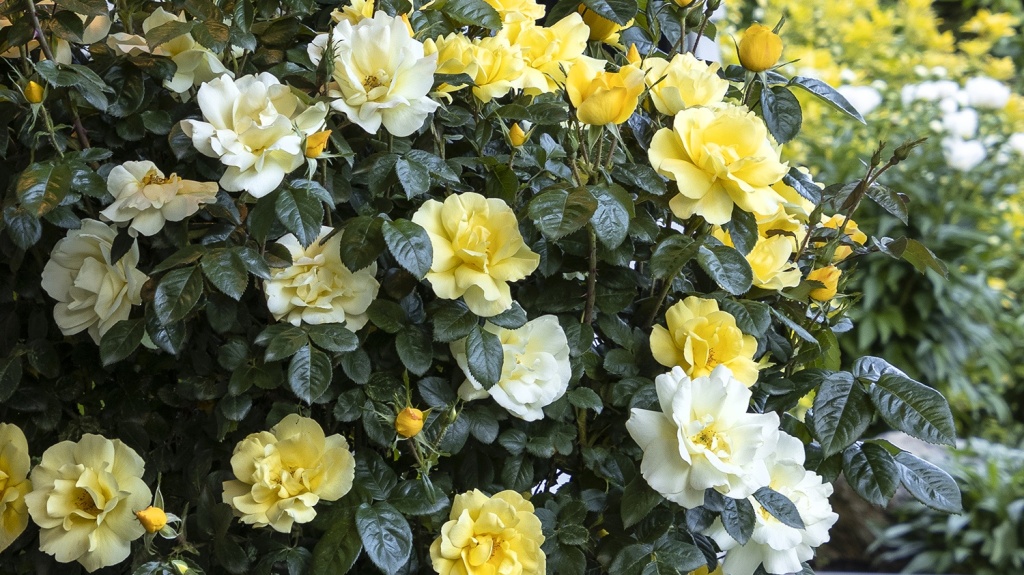
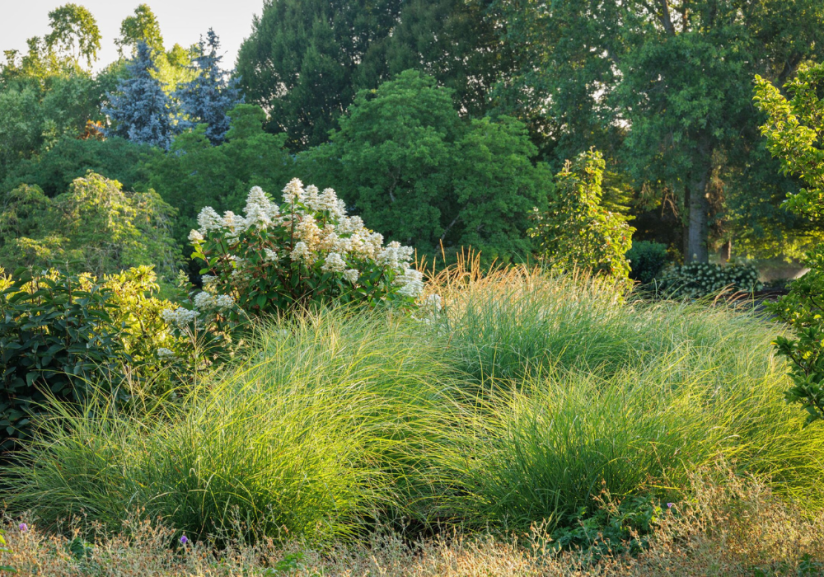
| Companion Plants | Maiden Grass (Miscanthus); Salvia (Salvia); Heliotrope (Heliotrope); Red Yucca (Hesperaloe); Hibiscus (Hibiscus); Cordyline (Cordyline) |
| Care Instructions | Thrives in average, well-drained soils. Water deeply, regularly in first growing season to establish root system. Once established in the landscape, reduce frequency; continue to water container plants regularly. Fertilize in spring. Remove spent blooms periodically and prune annually to shape. |
| Lore | Lantanas are valuable butterfly nectar plants and are equally appealing to hummingbirds. This is a large genus with over 150 species native to tropical regions of the Americas and Africa. L. camara is native as far north as Texas and southern Georgia but has naturalized elsewhere in the South. The genus name is the same as the South American name for the plants. Many of the contemporary varieties resulted from hybrids of this and L. montevidensis. |
Details
| Description | A profusion of radiant warm season color from rich orange-red blooms with yellow accents that brighten sun-drenched landscapes! Thrives in the heat of summer when many flowers cease blooming. Excellent for use as a low hedge plant or accent shrub. Evergreen in frost-free areas; treat as an annual elsewhere. |
|---|---|
| Bloom Time | Spring and summer; longer in frost-free areas |
| Deciduous/Evergreen | Evergreen |
| Special Features | Easy Care, Waterwise, Attracts Pollinators, Benefits Birds |
| Problems/Solutions | Coastal Exposure, Deer Resistant, Erosion Control, Tolerates Urban Pollution |
| Growth Rate | Moderate |
| Growth Habit | Upright |
| Flower Attributes | Long Bloom Season, Showy Flowers |
Style
| Landscape Use | Border, Container, Hillside |
|---|---|
| Design Ideas | This vivid Lantana is an unparalleled source of quick foliage and flowers in warmer climates. Its coloring is just right for adding brilliance to the tropical-inspired landscape that will take some cold. These plants grow very fast to fill in a young landscape, or use as a single-season makeover plant. Very resilient in extreme heat, particularly reflected heat off driveways or street paving. A natural for filling sunny banks and slopes. Plant in flower and shrub beds, raised planters, along fence lines and foundations, and in parkways. Put them in pots for powerful color on a deck or patio with brightly blooming annual flowers. |
| Flower Color | Multicolored |
| Foliage Color | Green |
| Companion Plants | Maiden Grass (Miscanthus); Salvia (Salvia); Heliotrope (Heliotrope); Red Yucca (Hesperaloe); Hibiscus (Hibiscus); Cordyline (Cordyline) |
Care
| Care Instructions | Thrives in average, well-drained soils. Water deeply, regularly in first growing season to establish root system. Once established in the landscape, reduce frequency; continue to water container plants regularly. Fertilize in spring. Remove spent blooms periodically and prune annually to shape. |
|---|
History
| Lore | Lantanas are valuable butterfly nectar plants and are equally appealing to hummingbirds. This is a large genus with over 150 species native to tropical regions of the Americas and Africa. L. camara is native as far north as Texas and southern Georgia but has naturalized elsewhere in the South. The genus name is the same as the South American name for the plants. Many of the contemporary varieties resulted from hybrids of this and L. montevidensis. |
|---|
Frequently asked questions
Does Radiation Bush Lantana produce flowers?
Spring and summer; longer in frost-free areas
Is Radiation Bush Lantana evergreen or deciduous?
Radiation Bush Lantana is Evergreen.
What are the special features of Radiation Bush Lantana?
Radiation Bush Lantana is Easy Care, Waterwise, Attracts Pollinators, Benefits Birds.
Is Radiation Bush Lantana resistant to pests or animals?
Coastal Exposure, Deer Resistant, Erosion Control, Tolerates Urban Pollution
How fast does Radiation Bush Lantana grow?
Radiation Bush Lantana has a Moderate growth rate.
What is the growth habit of Radiation Bush Lantana?
Radiation Bush Lantana grows in an Upright habit.
Where can I use Radiation Bush Lantana in my landscape?
Radiation Bush Lantana is suitable for: Border, Container, Hillside.
How can I use Radiation Bush Lantana in my garden design?
This vivid Lantana is an unparalleled source of quick foliage and flowers in warmer climates. Its coloring is just right for adding brilliance to the tropical-inspired landscape that will take some cold. These plants grow very fast to fill in a young landscape, or use as a single-season makeover plant. Very resilient in extreme heat, particularly reflected heat off driveways or street paving. A natural for filling sunny banks and slopes. Plant in flower and shrub beds, raised planters, along fence lines and foundations, and in parkways. Put them in pots for powerful color on a deck or patio with brightly blooming annual flowers.
What color are Radiation Bush Lantana flowers?
Radiation Bush Lantana produces Multicolored flowers.
What color is the foliage of Radiation Bush Lantana?
Radiation Bush Lantana has Green foliage.
What plants grow well with Radiation Bush Lantana?
Good companion plants for Radiation Bush Lantana include: Maiden Grass (Miscanthus); Salvia (Salvia); Heliotrope (Heliotrope); Red Yucca (Hesperaloe); Hibiscus (Hibiscus); Cordyline (Cordyline).
How do I care for Radiation Bush Lantana?
Thrives in average, well-drained soils. Water deeply, regularly in first growing season to establish root system. Once established in the landscape, reduce frequency; continue to water container plants regularly. Fertilize in spring. Remove spent blooms periodically and prune annually to shape.
Retailers Near You
About Us
We have been pioneers and craftsmen in the art of growing plants for 100 years. Since our founding in Southern California by Harry E. Rosedale, Sr. in 1926, we have been absolutely dedicated and obsessed with quality.
We have been pioneers and craftsmen in the art of growing plants for nearly 100 years. Since our founding in Southern California by Harry E. Rosedale, Sr. in 1926, we have been absolutely dedicated and obsessed with quality.