
You're growing in this Zip Code:
Change LocationDiscover Plants for Your Area
Red Butterflies Tropical Milkweed
Asclepias curassavica 'Red Butterflies'
Pronunciation: as-KLE-pee-us ku-rah-SAV-ik-uh
SKU #02191
LIGHT:
Full sun
WATER:
Keep soil moist, but not soggy.
SIZE:
Quickly reaches 3 ft. tall, 2 ft. wide.

Retailers Near You
Ready to Grow?
Ship Monrovia plants directly to your door. Browse a curated selection available online.
Shop Now >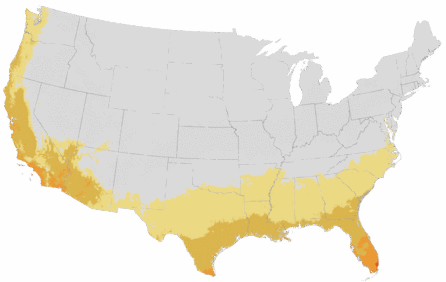

| Description | Clusters of attractive buds open to bright scarlet-red and yellow flowers. This easy care, well-behaved plant needs little attention and provides wonderful color. Tolerates poor, unimproved soils. Ideal for naturalized areas, meadows, and borders. Prune to the base in fall, especially if it does not go dormant naturally in your climate. This prevents Monarch butterflies from feeding at the wrong time of year. An herbaceous perennial. |
|---|---|
| Bloom Time | Summer |
| Deciduous/Evergreen | Herbaceous |
| Special Features | Easy Care, Waterwise, Attracts Pollinators, Fast Growing |
| Problems/Solutions | Rabbit Resistant |
| Growth Rate | Fast |
| Growth Habit | Upright |
| Flower Attributes | Showy Flowers |
| Landscape Use | Border, Container |
| Flower Color | Red |
| Foliage Color | Green |
| Companion Plants | Coneflower (Echinacea); Salvia (Salvia); Butterfly Bush (Buddleja); Trumpet Vine (Campsis); Bee Balm (Monarda) |
| Care Instructions | Thrives in slightly sandy to loamy, well-drained soil. Water deeply, regularly in first growing season to establish an extensive root system; reduce frequency, once established. Prune to the base in fall, especially if it does not go dormant naturally in your climate. This prevents Monarch butterflies from feeding at the wrong time of year. In harsh winter areas below zone 8, grow in containers and move to a sunny indoor spot before first frost. |
| Lore | Asclepias curassavica is native to South America. |
Details
| Description | Clusters of attractive buds open to bright scarlet-red and yellow flowers. This easy care, well-behaved plant needs little attention and provides wonderful color. Tolerates poor, unimproved soils. Ideal for naturalized areas, meadows, and borders. Prune to the base in fall, especially if it does not go dormant naturally in your climate. This prevents Monarch butterflies from feeding at the wrong time of year. An herbaceous perennial. |
|---|---|
| Bloom Time | Summer |
| Deciduous/Evergreen | Herbaceous |
| Special Features | Easy Care, Waterwise, Attracts Pollinators, Fast Growing |
| Problems/Solutions | Rabbit Resistant |
| Growth Rate | Fast |
| Growth Habit | Upright |
| Flower Attributes | Showy Flowers |
Style
| Landscape Use | Border, Container |
|---|---|
| Flower Color | Red |
| Foliage Color | Green |
| Companion Plants | Coneflower (Echinacea); Salvia (Salvia); Butterfly Bush (Buddleja); Trumpet Vine (Campsis); Bee Balm (Monarda) |
Care
| Care Instructions | Thrives in slightly sandy to loamy, well-drained soil. Water deeply, regularly in first growing season to establish an extensive root system; reduce frequency, once established. Prune to the base in fall, especially if it does not go dormant naturally in your climate. This prevents Monarch butterflies from feeding at the wrong time of year. In harsh winter areas below zone 8, grow in containers and move to a sunny indoor spot before first frost. |
|---|
History
| Lore | Asclepias curassavica is native to South America. |
|---|
Frequently asked questions
Does Red Butterflies Tropical Milkweed produce flowers?
Summer
Is Red Butterflies Tropical Milkweed evergreen or deciduous?
Red Butterflies Tropical Milkweed is Herbaceous.
What are the special features of Red Butterflies Tropical Milkweed?
Red Butterflies Tropical Milkweed is Easy Care, Waterwise, Attracts Pollinators, Fast Growing.
Is Red Butterflies Tropical Milkweed resistant to pests or animals?
Rabbit Resistant
How fast does Red Butterflies Tropical Milkweed grow?
Red Butterflies Tropical Milkweed has a Fast growth rate.
What is the growth habit of Red Butterflies Tropical Milkweed?
Red Butterflies Tropical Milkweed grows in an Upright habit.
Where can I use Red Butterflies Tropical Milkweed in my landscape?
Red Butterflies Tropical Milkweed is suitable for: Border, Container.
What color are Red Butterflies Tropical Milkweed flowers?
Red Butterflies Tropical Milkweed produces Red flowers.
What color is the foliage of Red Butterflies Tropical Milkweed?
Red Butterflies Tropical Milkweed has Green foliage.
What plants grow well with Red Butterflies Tropical Milkweed?
Good companion plants for Red Butterflies Tropical Milkweed include: Coneflower (Echinacea); Salvia (Salvia); Butterfly Bush (Buddleja); Trumpet Vine (Campsis); Bee Balm (Monarda).
How do I care for Red Butterflies Tropical Milkweed?
Thrives in slightly sandy to loamy, well-drained soil. Water deeply, regularly in first growing season to establish an extensive root system; reduce frequency, once established. Prune to the base in fall, especially if it does not go dormant naturally in your climate. This prevents Monarch butterflies from feeding at the wrong time of year. In harsh winter areas below zone 8, grow in containers and move to a sunny indoor spot before first frost.
Retailers Near You
About Us
We have been pioneers and craftsmen in the art of growing plants for 100 years. Since our founding in Southern California by Harry E. Rosedale, Sr. in 1926, we have been absolutely dedicated and obsessed with quality.
We have been pioneers and craftsmen in the art of growing plants for nearly 100 years. Since our founding in Southern California by Harry E. Rosedale, Sr. in 1926, we have been absolutely dedicated and obsessed with quality.