
You're growing in this Zip Code:
Discover Plants for Your Area


Red Hooks Grevillea
Grevillea 'Red Hooks'
Pronunciation: grev-ILL-ee-uh
SKU #07802
LIGHT:
Full sun
WATER:
Once established, water occasionally.
SIZE:
Quickly reaches 8 to 12 feet tall and wide

Retailers Near You
Ready to Grow?
Ship Monrovia plants directly to your door. Browse a curated selection available online.
Shop Now >This Plant's Growing Zones: 9-11
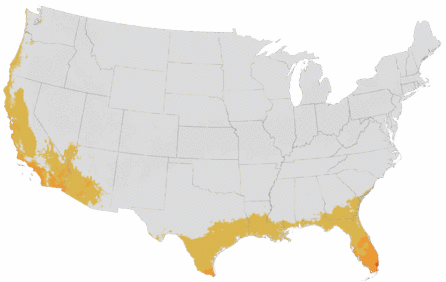
Your USDA Cold Hardiness Zone:
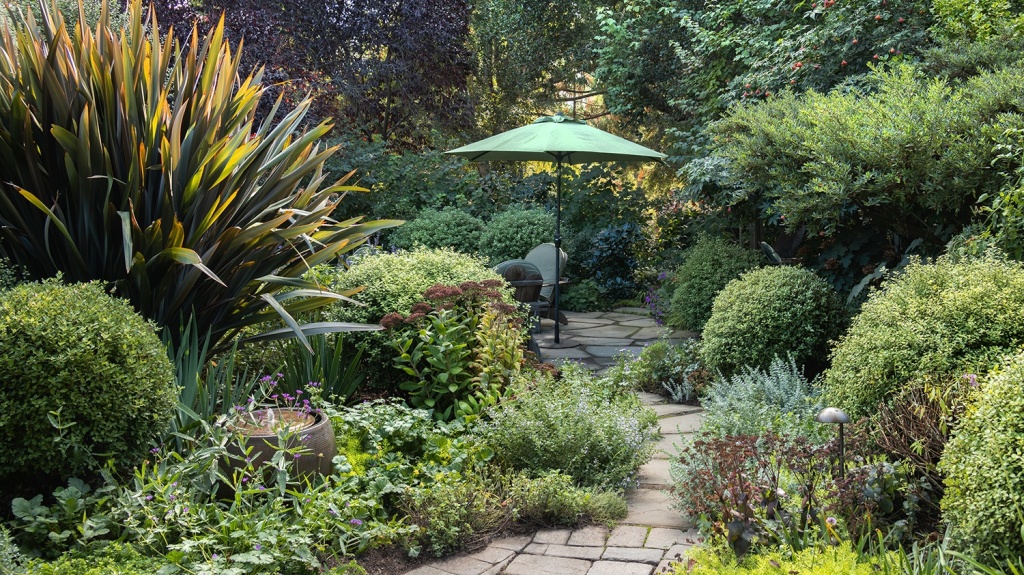
| Description | A fast growing, vase-shaped, upright shrub with fishbone leaves and unique, brush-shaped red flowers. Blooms intermittently throughout the year, but heaviest in late winter to spring. Tough, drought resistant, and well-adapted to warm coastal and adjacent inland areas. Great for use as a barrier, screening or as a stand-alone specimen, and will take easily to slopes and banks. |
|---|---|
| Bloom Time | Heaviest in late winter to spring |
| Deciduous/Evergreen | Evergreen |
| Special Features | Attracts Hummingbirds, Waterwise, Attracts Pollinators, Heat Loving, Fast Growing, Benefits Birds |
| Problems/Solutions | Deer Resistant, Erosion Control, Drought Tolerant |
| Growth Rate | Fast |
| Flower Attributes | Repeat Flowering, Showy Flowers |
| Landscape Use | Barrier, Privacy Screen, Hillside |
| Flower Color | Red |
| Foliage Color | Green |
| Companion Plants | Plumbago (Plumbago); Cape Honeysuckle (Tecomaria); Rock Rose (Cistus); Rosemary (Rosmarinus); Fountain Grass (Pennisetum) |
| Care Instructions | Adapts to a variety of soils with excellent drainage; prefers loamy, gravelly, lightly acidic soil. Water deeply, regularly in first growing season to establish root system, taking care not to overwater. Once established, reduce frequency; tolerates moderate drought. Feed sparingly in spring; avoid high phosphorus fertilizers. Prune in late spring after flowering to shape and reduce size if desired. |
| Lore | Gevilleas evolved flowers are specifically adapted to pollenation by the honeyeater bird with its curved beak, which means plants remain sterile in all regions outside this bird's natural habitat. |
Details
| Description | A fast growing, vase-shaped, upright shrub with fishbone leaves and unique, brush-shaped red flowers. Blooms intermittently throughout the year, but heaviest in late winter to spring. Tough, drought resistant, and well-adapted to warm coastal and adjacent inland areas. Great for use as a barrier, screening or as a stand-alone specimen, and will take easily to slopes and banks. |
|---|---|
| Bloom Time | Heaviest in late winter to spring |
| Deciduous/Evergreen | Evergreen |
| Special Features | Attracts Hummingbirds, Waterwise, Attracts Pollinators, Heat Loving, Fast Growing, Benefits Birds |
| Problems/Solutions | Deer Resistant, Erosion Control, Drought Tolerant |
| Growth Rate | Fast |
| Flower Attributes | Repeat Flowering, Showy Flowers |
Style
| Landscape Use | Barrier, Privacy Screen, Hillside |
|---|---|
| Flower Color | Red |
| Foliage Color | Green |
| Companion Plants | Plumbago (Plumbago); Cape Honeysuckle (Tecomaria); Rock Rose (Cistus); Rosemary (Rosmarinus); Fountain Grass (Pennisetum) |
Care
| Care Instructions | Adapts to a variety of soils with excellent drainage; prefers loamy, gravelly, lightly acidic soil. Water deeply, regularly in first growing season to establish root system, taking care not to overwater. Once established, reduce frequency; tolerates moderate drought. Feed sparingly in spring; avoid high phosphorus fertilizers. Prune in late spring after flowering to shape and reduce size if desired. |
|---|
History
| Lore | Gevilleas evolved flowers are specifically adapted to pollenation by the honeyeater bird with its curved beak, which means plants remain sterile in all regions outside this bird's natural habitat. |
|---|
Retailers Near You
About Us
We have been pioneers and craftsmen in the art of growing plants for 100 years. Since our founding in Southern California by Harry E. Rosedale, Sr. in 1926, we have been absolutely dedicated and obsessed with quality.
We have been pioneers and craftsmen in the art of growing plants for nearly 100 years. Since our founding in Southern California by Harry E. Rosedale, Sr. in 1926, we have been absolutely dedicated and obsessed with quality.