
You're growing in this Zip Code:
Discover Plants for Your Area
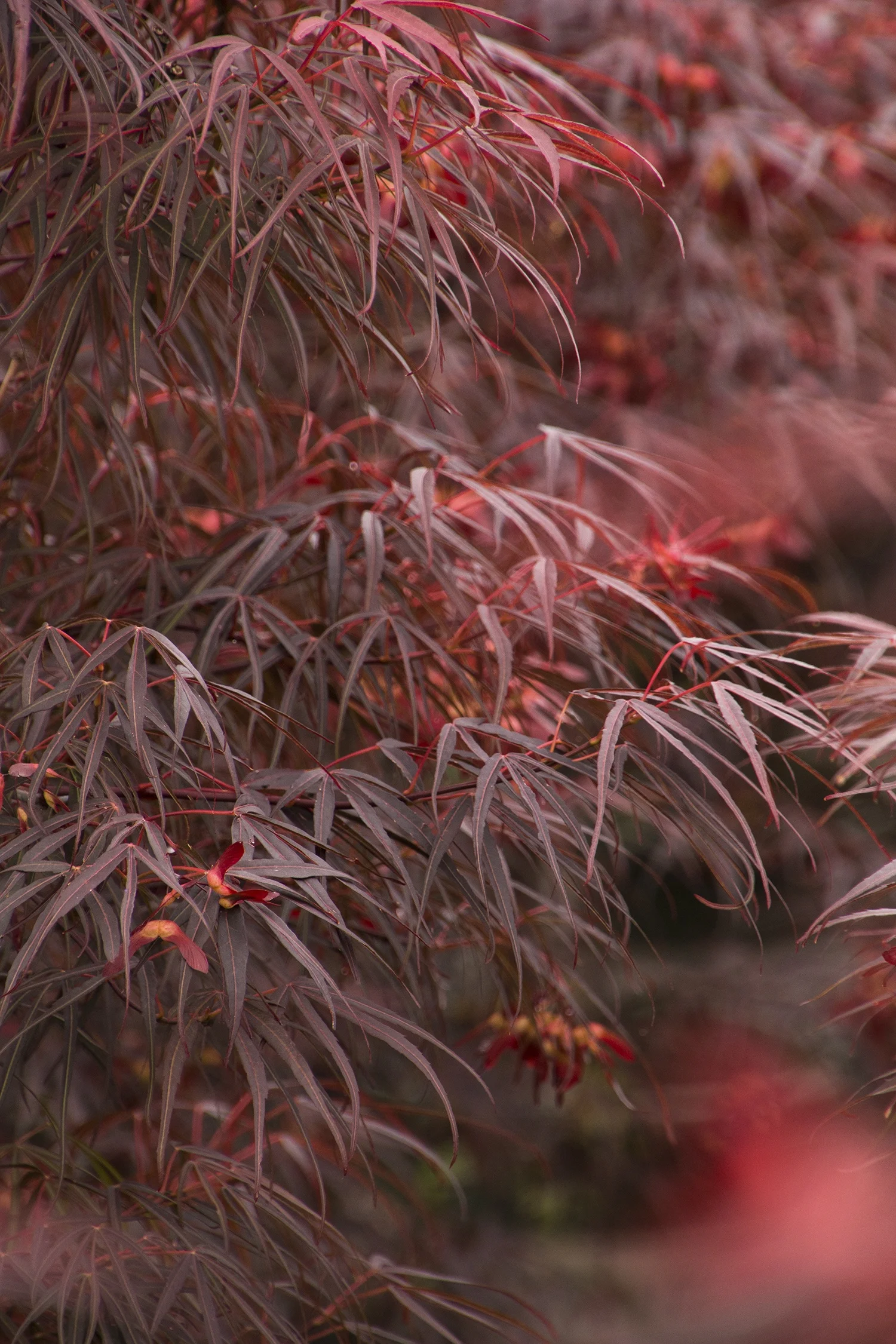
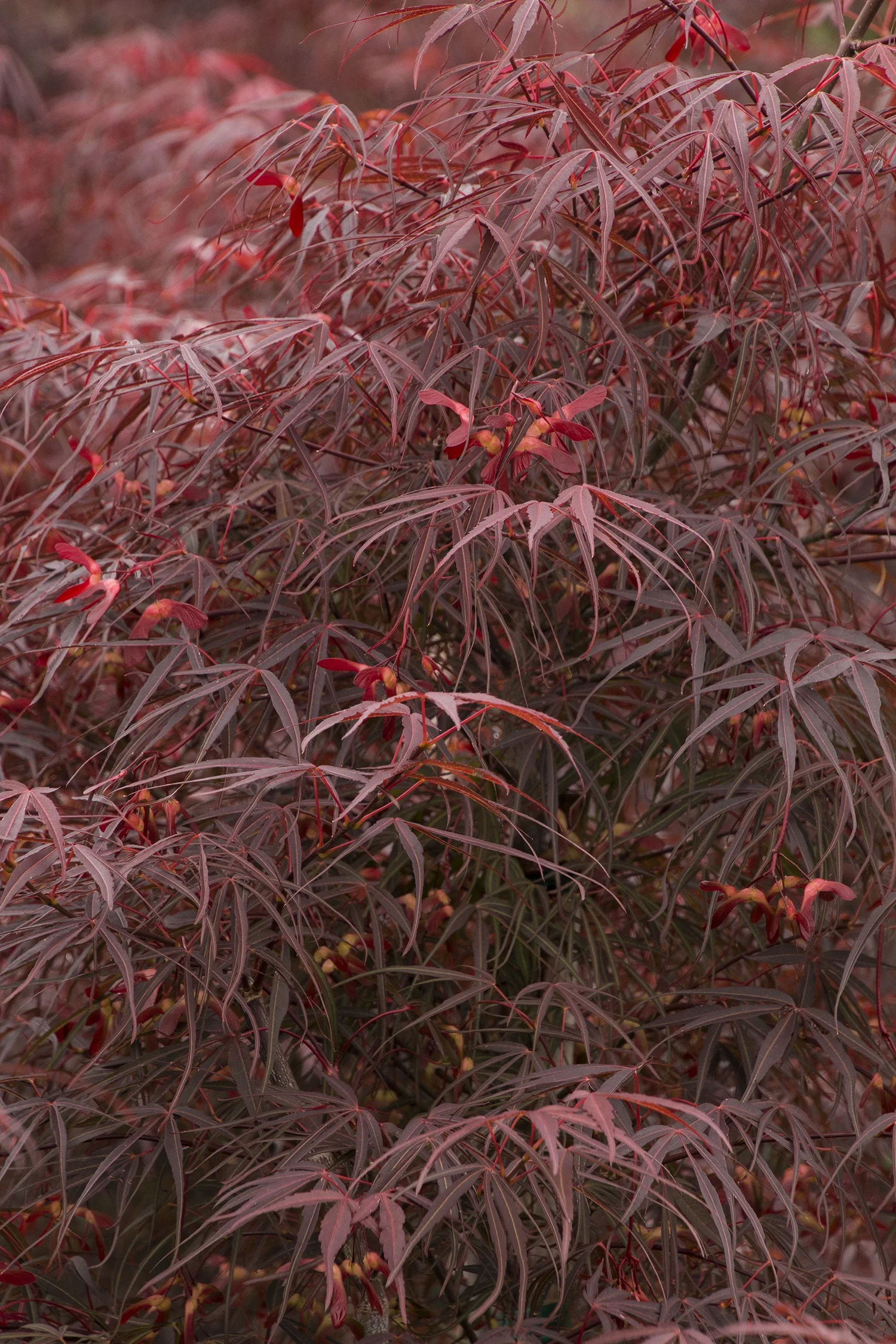
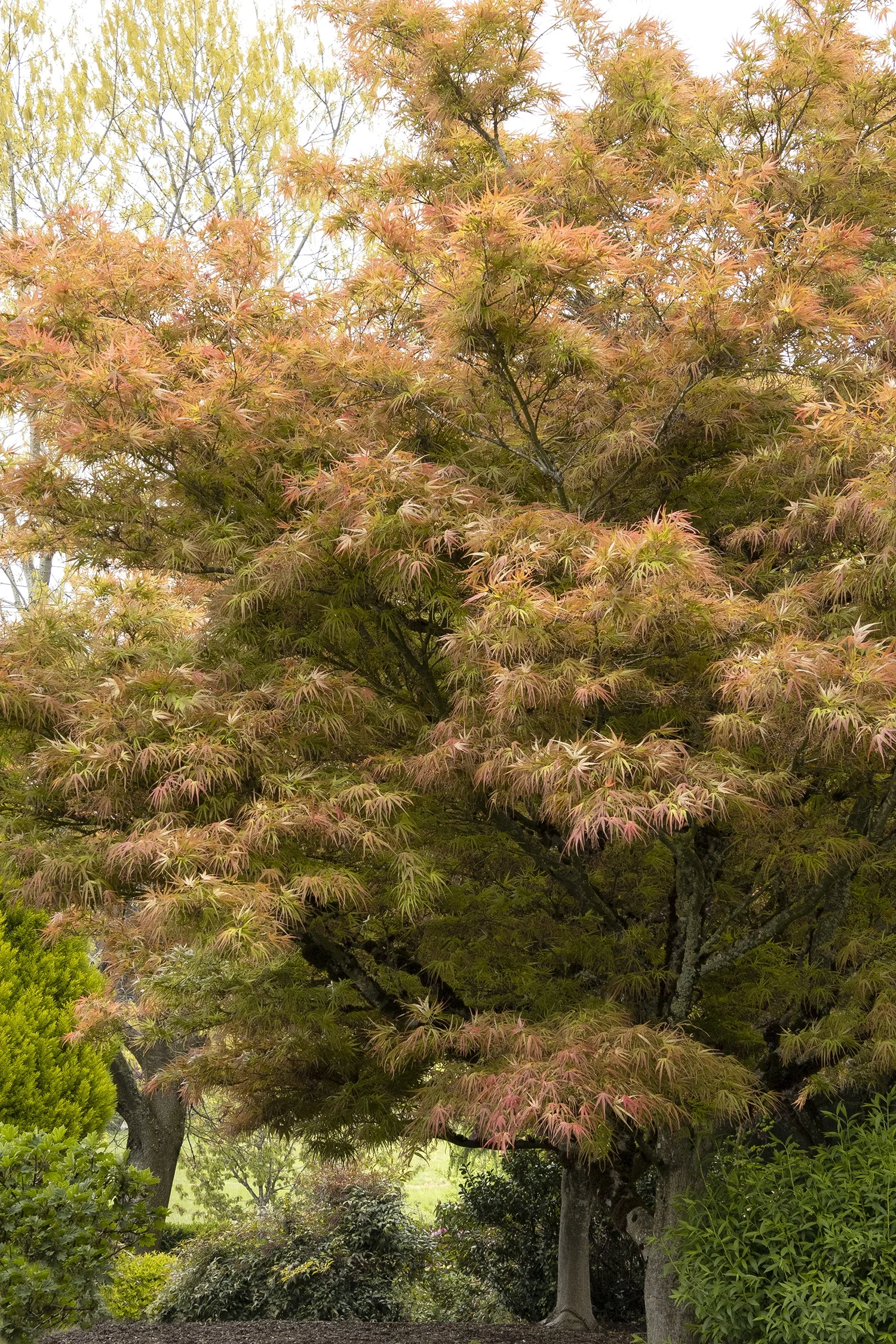
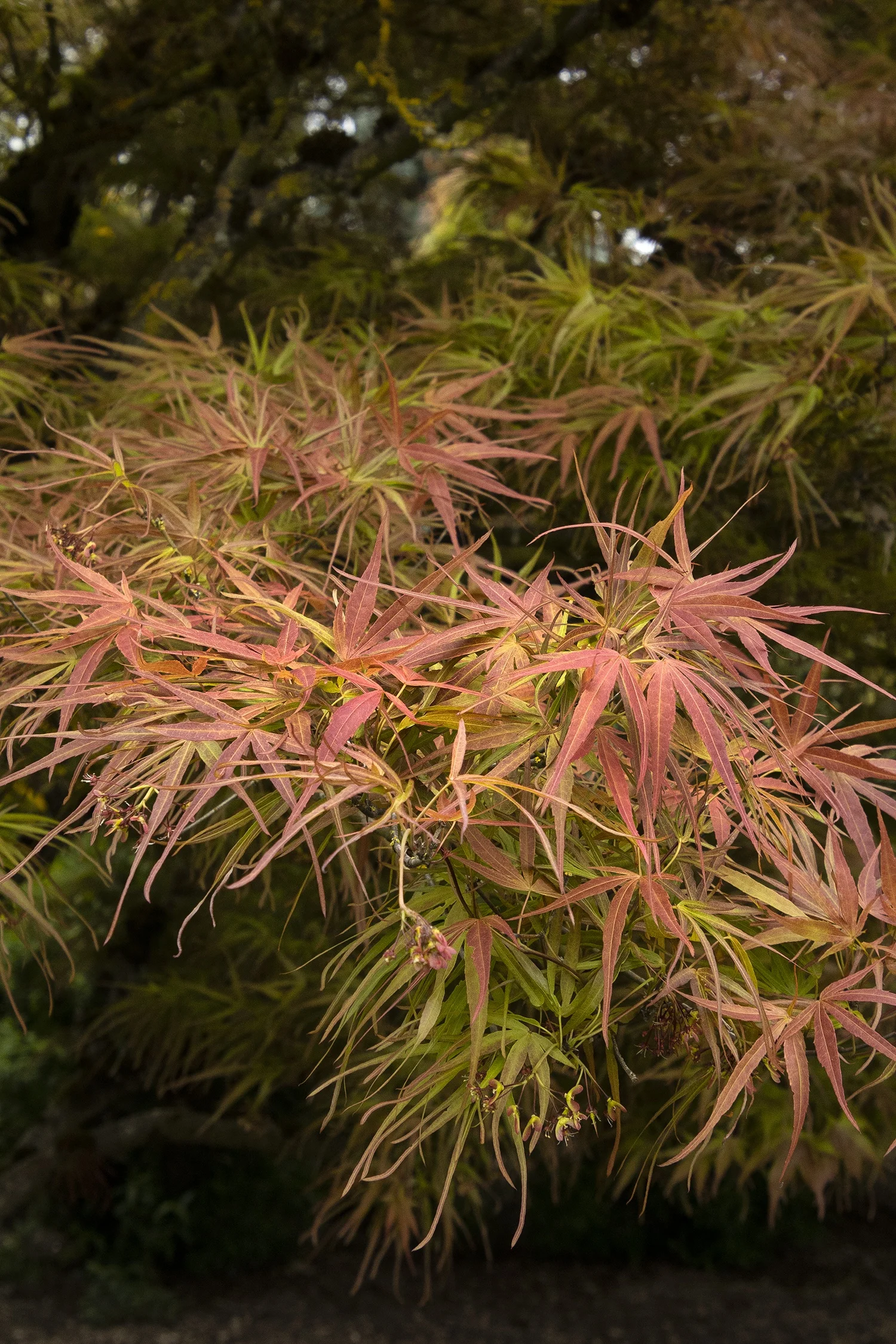
Ribbon-Leaf Japanese Maple
Acer palmatum 'Atrolineare'
Pronunciation: AY-ser pal-MA-tum
SKU #00107
LIGHT:
Filtered sun, Full sun, Partial shade, Partial sun
WATER:
Keep soil consistently moist but not soggy.
SIZE:
Slowly reaches 10 to 12 ft. tall and wide.

Retailers Near You
Ready to Grow?
Ship Monrovia plants directly to your door. Browse a curated selection available online.
Shop Now >This Plant's Growing Zones: 5-8
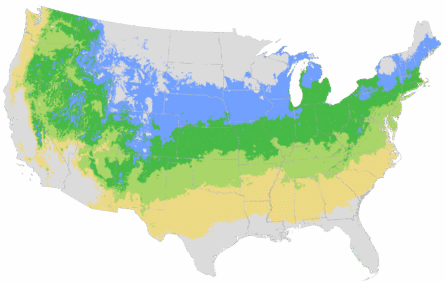
Your USDA Cold Hardiness Zone:
| Description | A striking small tree with elegant, fine-textured, palmate leaves. The finger-like foliage emerges red in spring, transitions to bronze-red and green in summer, then turns brilliant red and orange in fall. Its graceful, upright branched, compact form makes it an ideal specimen for garden, container or bonsai. Deciduous. |
|---|---|
| Bloom Time | Inconspicuous; prized for foliage. |
| Deciduous/Evergreen | Deciduous |
| Special Features | Attractive Bark, Dramatic Foliage Color, Easy Care, Fall Color, Non-toxic to Cats and Dogs, Compact Form |
| Problems/Solutions | Deer Resistant, Rabbit Resistant |
| Growth Rate | Slow |
| Flower Color | Red |
| Foliage Color | Burgundy |
| Foliage Fall Color | Red |
| Companion Plants | Azalea (Azalea); Hosta (Hosta); Japanese Forest Grass (Hakonechloa); Rhododendron (Rhododendron); Astilbe (Astilbe) |
| Care Instructions | Provide slightly acidic, well-drained soil; shelter from drying winds. Avoid harsh afternoon sun exposures in hot summer areas. Mulch to keep root zone cool. Water deeply, regularly during first few growing seasons to establish an extensive root system; reduce frequency once established. Apply slow-release fertilizer in early spring. |
Details
| Description | A striking small tree with elegant, fine-textured, palmate leaves. The finger-like foliage emerges red in spring, transitions to bronze-red and green in summer, then turns brilliant red and orange in fall. Its graceful, upright branched, compact form makes it an ideal specimen for garden, container or bonsai. Deciduous. |
|---|---|
| Bloom Time | Inconspicuous; prized for foliage. |
| Deciduous/Evergreen | Deciduous |
| Special Features | Attractive Bark, Dramatic Foliage Color, Easy Care, Fall Color, Non-toxic to Cats and Dogs, Compact Form |
| Problems/Solutions | Deer Resistant, Rabbit Resistant |
| Growth Rate | Slow |
Style
| Flower Color | Red |
|---|---|
| Foliage Color | Burgundy |
| Foliage Fall Color | Red |
| Companion Plants | Azalea (Azalea); Hosta (Hosta); Japanese Forest Grass (Hakonechloa); Rhododendron (Rhododendron); Astilbe (Astilbe) |
Care
| Care Instructions | Provide slightly acidic, well-drained soil; shelter from drying winds. Avoid harsh afternoon sun exposures in hot summer areas. Mulch to keep root zone cool. Water deeply, regularly during first few growing seasons to establish an extensive root system; reduce frequency once established. Apply slow-release fertilizer in early spring. |
|---|
Retailers Near You
About Us
We have been pioneers and craftsmen in the art of growing plants for 100 years. Since our founding in Southern California by Harry E. Rosedale, Sr. in 1926, we have been absolutely dedicated and obsessed with quality.
We have been pioneers and craftsmen in the art of growing plants for nearly 100 years. Since our founding in Southern California by Harry E. Rosedale, Sr. in 1926, we have been absolutely dedicated and obsessed with quality.