
You're growing in this Zip Code:
Change LocationDiscover Plants for Your Area
River Birch
Betula nigra
Pronunciation: BET-ew-luh NY-gruh
SKU #01242
LIGHT:
Full sun
WATER:
Keep soil moist to wet.
SIZE:
Quickly reaches 40 to 60 ft. tall and wide; 70 ft. tall in ideal conditions.

Retailers Near You
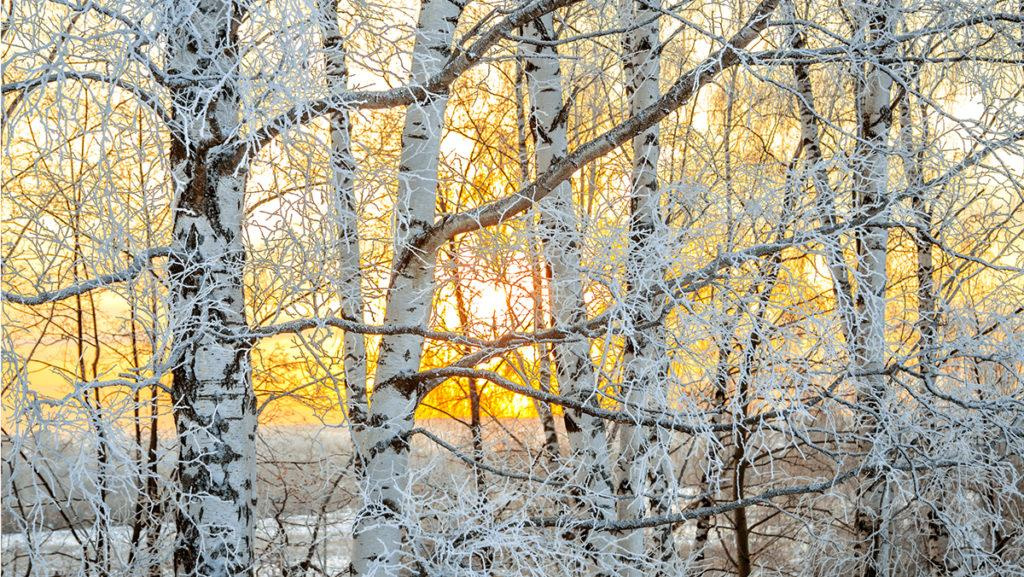
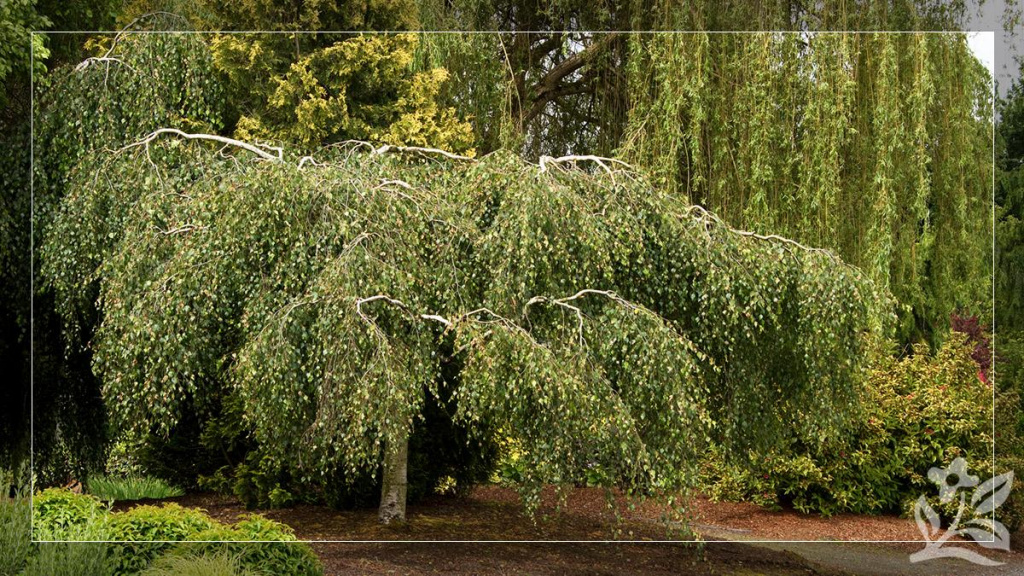

| Description | Attractive buff-colored peeling bark is a wonderful backdrop for yellow fall color. An impressive specimen often grown as a clump of several trunks. Thrives in moist areas. Considered to be more resistant to borers than the European white birch, and one of the most adaptable and heat tolerant of the birches. Deciduous. |
|---|---|
| Bloom Time | Inconspicuous; prized for foliage and bark. |
| Deciduous/Evergreen | Deciduous |
| Special Features | Attractive Bark, Fall Color, Improved Pest and Disease Resistance, North American Native, Fast Growing, Benefits Birds |
| Problems/Solutions | Coastal Exposure, Deer Resistant, Erosion Control, Very Wet Areas, Road Salt Tolerant |
| Growth Rate | Fast |
| Growth Habit | Pyramidal |
| Landscape Use | Windbreak, Shade Tree |
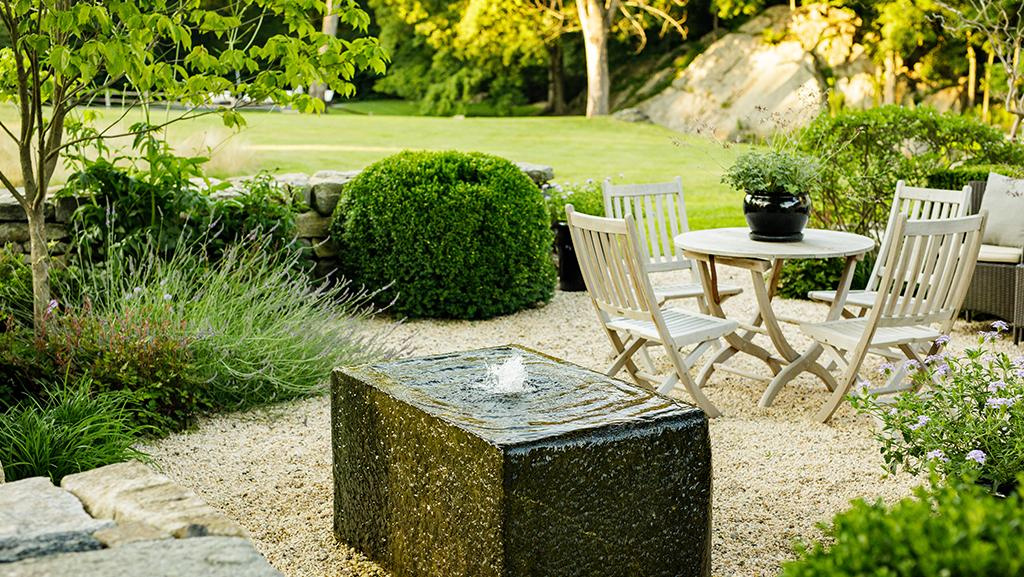
| Design Ideas | Excellent tree for very large homesites, parks and open space. A problem solver for low lying sites to wet for many other species. Important component of the wetland wild garden and for re-vegetating disturbed sites along river banks that benefit from extensive root stabilization of eroding banks.. |
| Flower Color | Yellow |
| Foliage Color | Green |
| Foliage Fall Color | Yellow |
| Companion Plants | Clethra (Clethra); Red-Twig Dogwood (Cornus); Sweet Flag (Acorus); Dappled Willow (Salix integra); Water Iris (Iris ensata); Japanese Spurge (Pachysandra) |
| Care Instructions | Thrives in deep, loamy, moist but well-drained soil amended with sand or gravel, but highly adaptable. Water deeply, regularly in first few growing seasons to establish root system; once established tolerates mild drought, but reaches maximum growth in rich, fertile, evenly moist soils. Fertilize in early spring. Seldom requires pruning. |
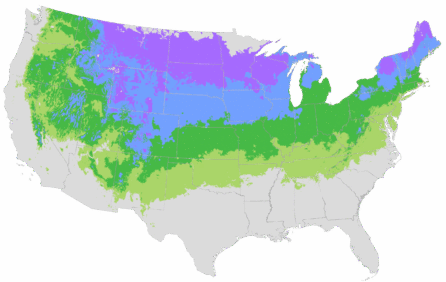
| History | Named for its habitat along the streams and rivers of eastern North America. Its range extends from Mass. to Florida, and Minnesota to Kansas. It was introduced to Britain by Peter Collinson who received seed or cuttings from John Bartram in the early 18th century. |
| Lore | Infusions of the inner bark of river birch was used to treat a variety of ailments by many Native American tribes within its range. |
Details
| Description | Attractive buff-colored peeling bark is a wonderful backdrop for yellow fall color. An impressive specimen often grown as a clump of several trunks. Thrives in moist areas. Considered to be more resistant to borers than the European white birch, and one of the most adaptable and heat tolerant of the birches. Deciduous. |
|---|---|
| Bloom Time | Inconspicuous; prized for foliage and bark. |
| Deciduous/Evergreen | Deciduous |
| Special Features | Attractive Bark, Fall Color, Improved Pest and Disease Resistance, North American Native, Fast Growing, Benefits Birds |
| Problems/Solutions | Coastal Exposure, Deer Resistant, Erosion Control, Very Wet Areas, Road Salt Tolerant |
| Growth Rate | Fast |
| Growth Habit | Pyramidal |
Style
| Landscape Use | Windbreak, Shade Tree |
|---|---|
| Design Ideas | Excellent tree for very large homesites, parks and open space. A problem solver for low lying sites to wet for many other species. Important component of the wetland wild garden and for re-vegetating disturbed sites along river banks that benefit from extensive root stabilization of eroding banks.. |
| Flower Color | Yellow |
| Foliage Color | Green |
| Foliage Fall Color | Yellow |
| Companion Plants | Clethra (Clethra); Red-Twig Dogwood (Cornus); Sweet Flag (Acorus); Dappled Willow (Salix integra); Water Iris (Iris ensata); Japanese Spurge (Pachysandra) |
Care
| Care Instructions | Thrives in deep, loamy, moist but well-drained soil amended with sand or gravel, but highly adaptable. Water deeply, regularly in first few growing seasons to establish root system; once established tolerates mild drought, but reaches maximum growth in rich, fertile, evenly moist soils. Fertilize in early spring. Seldom requires pruning. |
|---|
History
| History | Named for its habitat along the streams and rivers of eastern North America. Its range extends from Mass. to Florida, and Minnesota to Kansas. It was introduced to Britain by Peter Collinson who received seed or cuttings from John Bartram in the early 18th century. |
|---|---|
| Lore | Infusions of the inner bark of river birch was used to treat a variety of ailments by many Native American tribes within its range. |
Retailers Near You
About Us
We have been pioneers and craftsmen in the art of growing plants for 100 years. Since our founding in Southern California by Harry E. Rosedale, Sr. in 1926, we have been absolutely dedicated and obsessed with quality.
We have been pioneers and craftsmen in the art of growing plants for nearly 100 years. Since our founding in Southern California by Harry E. Rosedale, Sr. in 1926, we have been absolutely dedicated and obsessed with quality.