
You're growing in this Zip Code:
Change LocationDiscover Plants for Your Area
Robust Male Fern
Dryopteris filix-mas 'Robusta'
Pronunciation: drye-OPP-ter-iss FY-liks mas roh-BUS-tuh
SKU #03626
LIGHT:
Full shade
WATER:
Keep soil moist, but not soggy.
SIZE:
Quickly forms foliage clumps 4 ft. tall, 2 ft. wide, or wider.

Retailers Near You

| Description | This vigorous western U.S. native is widely adaptable to any shady, cool and moist spot in the garden or woodland. A fairly compact selection with long, leathery, emerald green fronds that are upright and stately. Produces a flush of new, deep green fronds each spring. Semi-evergreen; retains its foliage well in cold weather. |
|---|---|
| Bloom Time | Prized for foliage. |
| Deciduous/Evergreen | Semi-Evergreen |
| Special Features | Fast Growing |
| Problems/Solutions | Deer Resistant, Rabbit Resistant |
| Growth Rate | Fast |
| Growth Habit | Clumping |
| Landscape Use | Border, Container, Ground Cover, Edging |
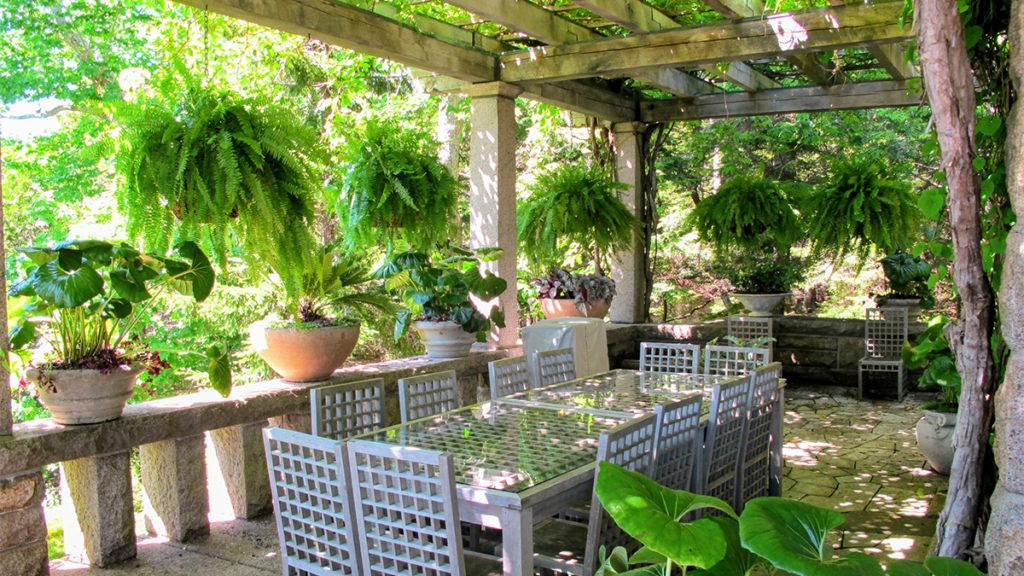
| Design Ideas | A perfect space filler to flesh out shade gardens and landscapes under large shade trees or groves. Exceptional for filling gaps in rock waterfalls where shade prevents other plants. A good problem solver for narrow sideyards and fleshes out difficult north facing foundation planting. |
| Foliage Color | Green |
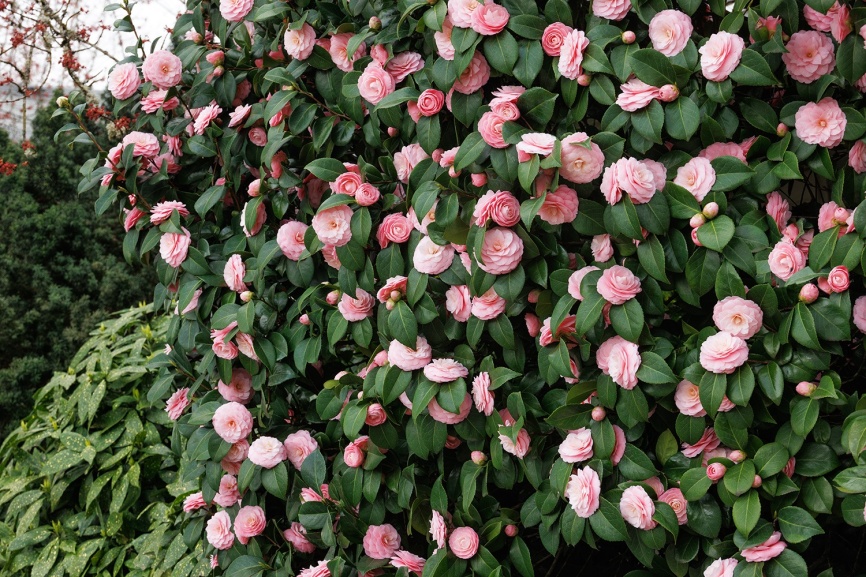
| Companion Plants | Azalea (Azalea); Camellia (Camellia); Japanese Forest Grass (Hakonechloa); Rhododendron (Rhododendron); Astilbe (Astilbe) |
| Care Instructions | Provide enriched, slightly acidic, well-drained soil, with shelter from drying winter winds. Water deeply, regularly during the first growing season to establish root system; once established, water regularly to maintain evenly moist soil. Fertilize regularly during growing season. Cut back old fronds after new growth begins in spring. |
| History | This fern is native to a huge range spanning much of the Northern Hemisphere. This species is a commonplace wood fern in Europe and is also found in scattered locations in North America. It prefers to grow in limestone areas. The genus was classified and named by Austrian botanist Heinrich Schott. It is found in oak forests of Europe, which explains the translation of its name from the Greek for oak fern. |
| Lore | In ancient Europe, ferns were often associated with incantations and spells granting one invisibility because the plants lacked seeds and seemed to magically appear. Male fern is grown commercially as an anthelminthic, to expel worms. |
Details
| Description | This vigorous western U.S. native is widely adaptable to any shady, cool and moist spot in the garden or woodland. A fairly compact selection with long, leathery, emerald green fronds that are upright and stately. Produces a flush of new, deep green fronds each spring. Semi-evergreen; retains its foliage well in cold weather. |
|---|---|
| Bloom Time | Prized for foliage. |
| Deciduous/Evergreen | Semi-Evergreen |
| Special Features | Fast Growing |
| Problems/Solutions | Deer Resistant, Rabbit Resistant |
| Growth Rate | Fast |
| Growth Habit | Clumping |
Style
| Landscape Use | Border, Container, Ground Cover, Edging |
|---|---|
| Design Ideas | A perfect space filler to flesh out shade gardens and landscapes under large shade trees or groves. Exceptional for filling gaps in rock waterfalls where shade prevents other plants. A good problem solver for narrow sideyards and fleshes out difficult north facing foundation planting. |
| Foliage Color | Green |
| Companion Plants | Azalea (Azalea); Camellia (Camellia); Japanese Forest Grass (Hakonechloa); Rhododendron (Rhododendron); Astilbe (Astilbe) |
Care
| Care Instructions | Provide enriched, slightly acidic, well-drained soil, with shelter from drying winter winds. Water deeply, regularly during the first growing season to establish root system; once established, water regularly to maintain evenly moist soil. Fertilize regularly during growing season. Cut back old fronds after new growth begins in spring. |
|---|
History
| History | This fern is native to a huge range spanning much of the Northern Hemisphere. This species is a commonplace wood fern in Europe and is also found in scattered locations in North America. It prefers to grow in limestone areas. The genus was classified and named by Austrian botanist Heinrich Schott. It is found in oak forests of Europe, which explains the translation of its name from the Greek for oak fern. |
|---|---|
| Lore | In ancient Europe, ferns were often associated with incantations and spells granting one invisibility because the plants lacked seeds and seemed to magically appear. Male fern is grown commercially as an anthelminthic, to expel worms. |
Retailers Near You
About Us
We have been pioneers and craftsmen in the art of growing plants for 100 years. Since our founding in Southern California by Harry E. Rosedale, Sr. in 1926, we have been absolutely dedicated and obsessed with quality.
We have been pioneers and craftsmen in the art of growing plants for nearly 100 years. Since our founding in Southern California by Harry E. Rosedale, Sr. in 1926, we have been absolutely dedicated and obsessed with quality.