
You're growing in this Zip Code:
Change LocationDiscover Plants for Your Area
Santa Rosa Plum
Prunus salicina 'Santa Rosa'
Pronunciation: PROO-nus sah-lih-SEE-nuh
SKU #05996
LIGHT:
Full sun
WATER:
Water when top 2 inches of soil is dry.
SIZE:
Moderately growing; reaches 20 to 30 ft. tall and wide.

Retailers Near You
Ready to Grow?
Ship Monrovia plants directly to your door. Browse a curated selection available online.
Shop Now >
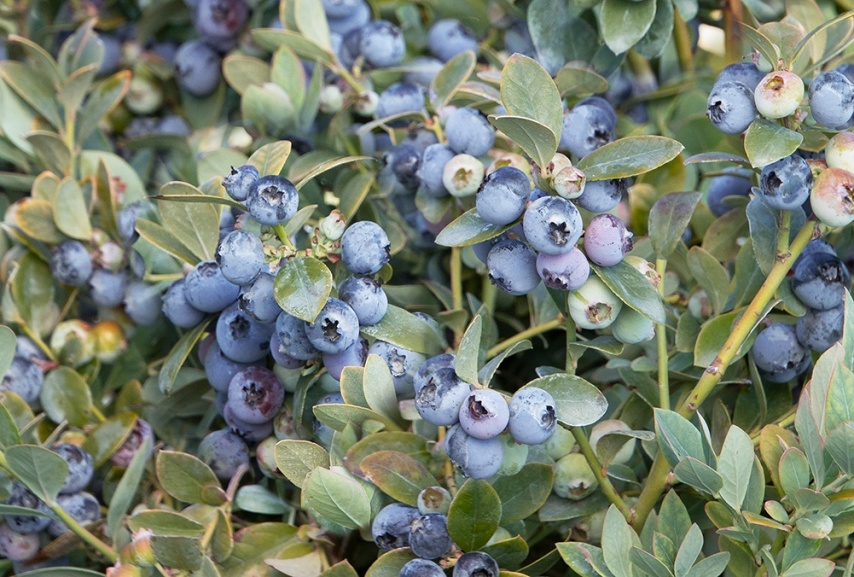
| Description | A showy display of white flowers in spring yields an abundant harvest of dark crimson fruit each summer. Firm flesh with a wonderful flavor for fresh eating or in preserves. Fruit production is higher when another plum tree is nearby. A lovely border tree or garden accent. 400 chill hours recommended. Deciduous. |
|---|---|
| Bloom Time | Spring |
| Deciduous/Evergreen | Deciduous |
| Special Features | Fall Color, Edible, Attracts Pollinators, Benefits Birds |
| Growth Rate | Moderate |
| Flower Attributes | Showy Flowers |
| Landscape Use | Espalier |
| Flower Color | White |
| Foliage Color | Green |
| Foliage Fall Color | Yellow |
| Companion Plants | Apple (Malus); Peach (Prunus persica); Cherry (Prunus avium); Apricot (Prunus armeniaca); Lavender (Lavandula); Raspberry (Rubus); Strawberry (Fragaria) |
| Care Instructions | Easily grown in average, well-drained soils. Water deeply, regularly during the first growing season to establish an extensive root system; once established, reduce frequency. Feed with an organic fertilizer before new growth begins in spring. Thin fruit for best size and quality. Prune annually in winter to maintain shape. |
| Lore | Santa Rosa is an all-time favorite home and commercial variety of plum. It does not require a pollenizer, but fruit yield will increase when another plum is planted nearby. |
Details
| Description | A showy display of white flowers in spring yields an abundant harvest of dark crimson fruit each summer. Firm flesh with a wonderful flavor for fresh eating or in preserves. Fruit production is higher when another plum tree is nearby. A lovely border tree or garden accent. 400 chill hours recommended. Deciduous. |
|---|---|
| Bloom Time | Spring |
| Deciduous/Evergreen | Deciduous |
| Special Features | Fall Color, Edible, Attracts Pollinators, Benefits Birds |
| Growth Rate | Moderate |
| Flower Attributes | Showy Flowers |
Style
| Landscape Use | Espalier |
|---|---|
| Flower Color | White |
| Foliage Color | Green |
| Foliage Fall Color | Yellow |
| Companion Plants | Apple (Malus); Peach (Prunus persica); Cherry (Prunus avium); Apricot (Prunus armeniaca); Lavender (Lavandula); Raspberry (Rubus); Strawberry (Fragaria) |
Care
| Care Instructions | Easily grown in average, well-drained soils. Water deeply, regularly during the first growing season to establish an extensive root system; once established, reduce frequency. Feed with an organic fertilizer before new growth begins in spring. Thin fruit for best size and quality. Prune annually in winter to maintain shape. |
|---|
History
| Lore | Santa Rosa is an all-time favorite home and commercial variety of plum. It does not require a pollenizer, but fruit yield will increase when another plum is planted nearby. |
|---|
Frequently asked questions
Does Santa Rosa Plum produce flowers?
Spring
Is Santa Rosa Plum evergreen or deciduous?
Santa Rosa Plum is Deciduous.
What are the special features of Santa Rosa Plum?
Santa Rosa Plum is Fall Color, Edible, Attracts Pollinators, Benefits Birds.
How fast does Santa Rosa Plum grow?
Santa Rosa Plum has a Moderate growth rate.
Where can I use Santa Rosa Plum in my landscape?
Santa Rosa Plum is suitable for: Espalier.
What color are Santa Rosa Plum flowers?
Santa Rosa Plum produces White flowers.
What color is the foliage of Santa Rosa Plum?
Santa Rosa Plum has Green foliage.
What plants grow well with Santa Rosa Plum?
Good companion plants for Santa Rosa Plum include: Apple (Malus); Peach (Prunus persica); Cherry (Prunus avium); Apricot (Prunus armeniaca); Lavender (Lavandula); Raspberry (Rubus); Strawberry (Fragaria).
How do I care for Santa Rosa Plum?
Easily grown in average, well-drained soils. Water deeply, regularly during the first growing season to establish an extensive root system; once established, reduce frequency. Feed with an organic fertilizer before new growth begins in spring. Thin fruit for best size and quality. Prune annually in winter to maintain shape.
Retailers Near You
About Us
We have been pioneers and craftsmen in the art of growing plants for 100 years. Since our founding in Southern California by Harry E. Rosedale, Sr. in 1926, we have been absolutely dedicated and obsessed with quality.
We have been pioneers and craftsmen in the art of growing plants for nearly 100 years. Since our founding in Southern California by Harry E. Rosedale, Sr. in 1926, we have been absolutely dedicated and obsessed with quality.