
You're growing in this Zip Code:
Change LocationDiscover Plants for Your Area
Sizzling Pink Fringe Flower
Loropetalum chinense 'Sizzling Pink'
Pronunciation: lor-oh-PET-ah-lum chi-NEN-see
SKU #05919
LIGHT:
Full sun, Partial sun
WATER:
Water when top 3 inches of soil is dry.
SIZE:
Moderate growing; reaches 4 to 6 ft. tall, 4 to 5 ft. wide, in natural form.

Retailers Near You
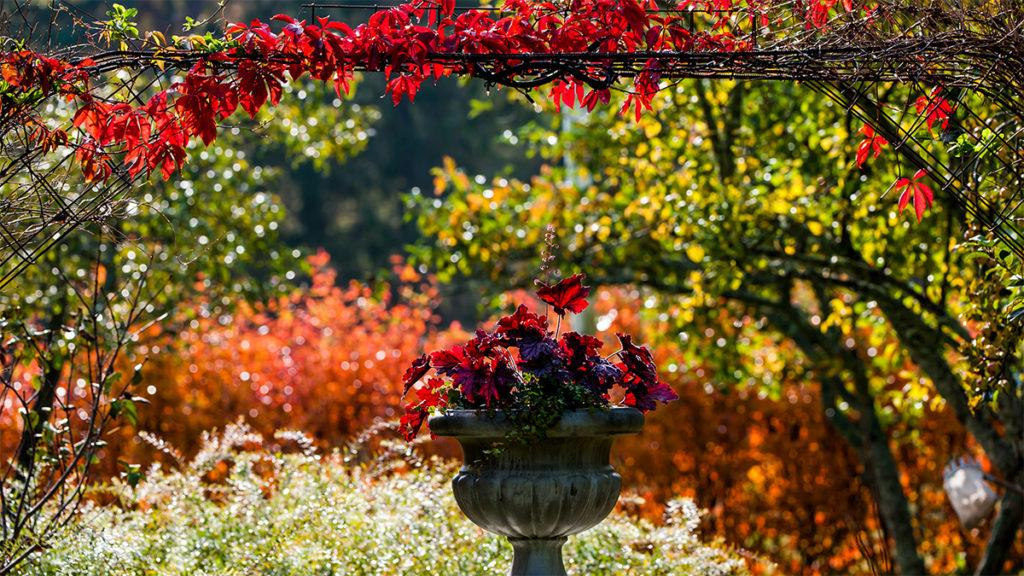
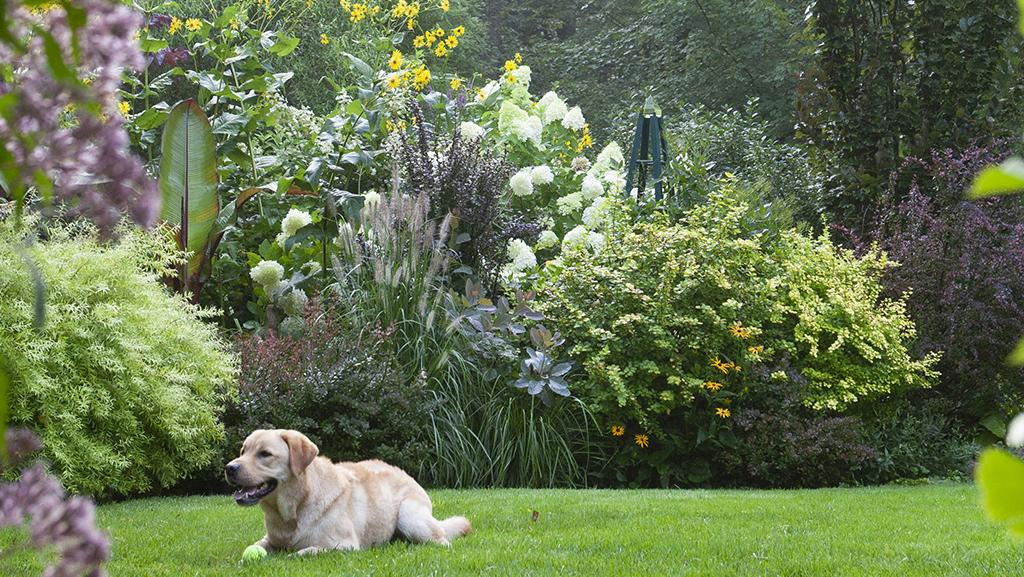
| Description | Clusters of rich, pink, fringed flowers bloom repeatedly throughout the year. The showy new deep burgundy foliage matures to a lovely bronze-green, maintaining a purple tinge as it as it ages, creating a colorful year-round accent to the landscape. Works well for containers, borders, and foundation plantings, as a single specimen or in groupings. |
|---|---|
| Bloom Time | Heaviest in spring, repeating all year. |
| Deciduous/Evergreen | Evergreen |
| Special Features | Dramatic Foliage Color, Easy Care, Compact Form |
| Growth Rate | Moderate |
| Growth Habit | Rounded |
| Flower Attributes | Fragrant, Showy Flowers |
| Landscape Use | Border, Container, Hedge |
| Design Ideas | The perfect alternative to fuchsia in colder regions, where it may stay in the ground year-round. It's a double bonus with bronze foliage and bright pink flowers. Plant around the edges of shade gardens or at posts of overhead arbors and patio covers. Spot into your shrub and perennial beds to make them pop with color. Use as foundation planting around outdoor living spaces, where you and the hummingbirds will enjoy it up close. Makes a great patio, porch or balcony plant when grown in a big ceramic pot (avoid red clay, which will clash with both foliage and flowers). |
| Flower Color | Pink |
| Foliage Color | Purple |
| Companion Plants | Heavenly Bamboo (Nandina); Lilyturf (Liriope); Kohuhu (Pittosporum); Juniper (Juniperus); Camellia (Camellia) |
| Care Instructions | Provide well-drained soil, slightly acidic and rich in organic matter. Water deeply and regularly during the first growing season to establish an extensive root system; reduce frequency once established. Feed with an acid fertilizer after bloom. Keep roots cool with a thick layer of mulch. |
| History | This genus was classified by Robert Brown (1773-1858) of Great Britain in the mid 19th century. He named it from the Greek loros for Strap, and ptalum for petal. This is the only cultivated species in the entire genus and is native to a large part of southeast China, the Himalayas and Japan. The first purple leaf species were not discovered in the Hunan Province until 1942. This species was originally named by D. Brown as part of the closely related whitchhazels. This cultivar was introduced by Monrovia in 1998. |
| Lore | Loropetalum is native to China but only recently brought into cultivation in the last few decades when selections and breeding in Asia have produced interesting parents of our mordern American hybrids and cultivars. |
Details
| Description | Clusters of rich, pink, fringed flowers bloom repeatedly throughout the year. The showy new deep burgundy foliage matures to a lovely bronze-green, maintaining a purple tinge as it as it ages, creating a colorful year-round accent to the landscape. Works well for containers, borders, and foundation plantings, as a single specimen or in groupings. |
|---|---|
| Bloom Time | Heaviest in spring, repeating all year. |
| Deciduous/Evergreen | Evergreen |
| Special Features | Dramatic Foliage Color, Easy Care, Compact Form |
| Growth Rate | Moderate |
| Growth Habit | Rounded |
| Flower Attributes | Fragrant, Showy Flowers |
Style
| Landscape Use | Border, Container, Hedge |
|---|---|
| Design Ideas | The perfect alternative to fuchsia in colder regions, where it may stay in the ground year-round. It's a double bonus with bronze foliage and bright pink flowers. Plant around the edges of shade gardens or at posts of overhead arbors and patio covers. Spot into your shrub and perennial beds to make them pop with color. Use as foundation planting around outdoor living spaces, where you and the hummingbirds will enjoy it up close. Makes a great patio, porch or balcony plant when grown in a big ceramic pot (avoid red clay, which will clash with both foliage and flowers). |
| Flower Color | Pink |
| Foliage Color | Purple |
| Companion Plants | Heavenly Bamboo (Nandina); Lilyturf (Liriope); Kohuhu (Pittosporum); Juniper (Juniperus); Camellia (Camellia) |
Care
| Care Instructions | Provide well-drained soil, slightly acidic and rich in organic matter. Water deeply and regularly during the first growing season to establish an extensive root system; reduce frequency once established. Feed with an acid fertilizer after bloom. Keep roots cool with a thick layer of mulch. |
|---|
History
| History | This genus was classified by Robert Brown (1773-1858) of Great Britain in the mid 19th century. He named it from the Greek loros for Strap, and ptalum for petal. This is the only cultivated species in the entire genus and is native to a large part of southeast China, the Himalayas and Japan. The first purple leaf species were not discovered in the Hunan Province until 1942. This species was originally named by D. Brown as part of the closely related whitchhazels. This cultivar was introduced by Monrovia in 1998. |
|---|---|
| Lore | Loropetalum is native to China but only recently brought into cultivation in the last few decades when selections and breeding in Asia have produced interesting parents of our mordern American hybrids and cultivars. |
Retailers Near You
About Us
We have been pioneers and craftsmen in the art of growing plants for 100 years. Since our founding in Southern California by Harry E. Rosedale, Sr. in 1926, we have been absolutely dedicated and obsessed with quality.
We have been pioneers and craftsmen in the art of growing plants for nearly 100 years. Since our founding in Southern California by Harry E. Rosedale, Sr. in 1926, we have been absolutely dedicated and obsessed with quality.