
You're growing in this Zip Code:
Discover Plants for Your Area

Starburst® Mauve Evergreen Daylily
Hemerocallis x 'Monve'
Pronunciation: hem-er-o-KAL-is
SKU #04016
LIGHT:
Full sun
WATER:
Keep soil moist, especially when in bloom.
SIZE:
Foliage to 1 1/2 ft. high, flower stalks taller.

Retailers Near You
Ready to Grow?
Ship Monrovia plants directly to your door. Browse a curated selection available online.
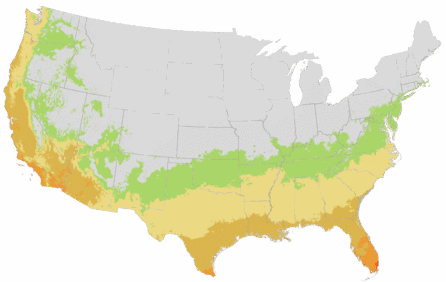
Shop Now >This Plant's Growing Zones: 7-11
Your USDA Cold Hardiness Zone:
| Description | Spectacular blooms appear in recurring succession throughout the warm months. Effective for borders, specimen or massed as tall groundcover. Large clumps of tall grass-like evergreen foliage. |
|---|---|
| Bloom Time | Summer |
| Deciduous/Evergreen | Herbaceous |
| Special Features | Attracts Butterflies, Easy Care, Improved Pest and Disease Resistance, Attracts Pollinators |
| Problems/Solutions | Coastal Exposure, Rabbit Resistant, Very Wet Areas |
| Growth Rate | Moderate |
| Flower Attributes | Flowers for Cutting, Repeat Flowering, Showy Flowers |
| Landscape Use | Border, Container, Poolside |
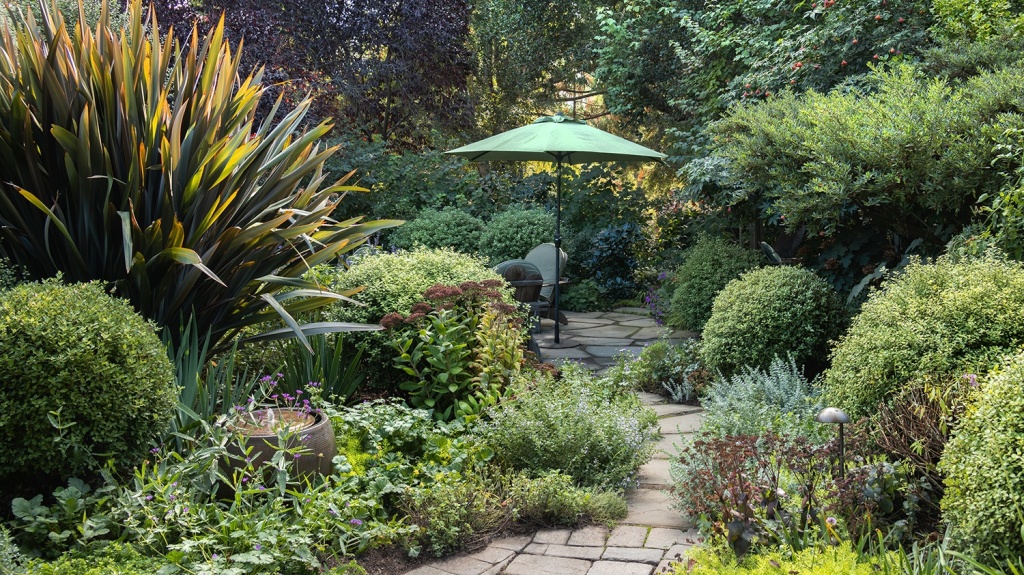
| Design Ideas | An elegant daylily is a stand out in the perennial border and is quite at home in the casual cottage garden too. Large enough to create bold accents between larger shrubs in the mixed bed. Daylily also looks quite natural around the edges of water gardens and pools. Strong foundation bed component to highlight entries and focal points. Plant as a single, in irregular groups or large masses for a see of flowers. Even works well lined up as a division within gardens or along a boundary. This color is outstanding against white picket fence or Victorian wrought iron. |
| Flower Color | Pink |
| Foliage Color | Green |
| Companion Plants | Group this beauty with other bold perennials such as Streamline Agapanthus, (Agapanthus africanus 'Streamline'), White Volcano Phlox, (Phlox paniculata 'Barthirtytwo'), Paul M. Wild Peony, (Paeonia x 'Paul M. Wild') and Joan Elliott Bellflower, (Campanula glomerata 'Joan Elliott'). |
| Care Instructions | Thrives in organically rich loam; adapts to most soil types, provided they are well-drained. Water deeply and regularly during the first growing season to establish an extensive root system; reduce frequency, once established. Remove old foliage and spent blooms for a neat appearance and to promote continued bloom. |
| History | This daylily was developed and introduced by Monrovia. It's the result of a long history of 20th century breeding. Although daylily came into cultivation very early on in Europe, hybridization was impossible due to complexities of pollination. Not until this past century was the mystery solved by a Carolina grower. Since then the breeding of daylilies has reached staggering proportions with thousands of cultivars, many with complex genetics. |
| Lore | In China where daylilies originate they were first cultivated as food and medicine rather than garden flowers. |
Details
| Description | Spectacular blooms appear in recurring succession throughout the warm months. Effective for borders, specimen or massed as tall groundcover. Large clumps of tall grass-like evergreen foliage. |
|---|---|
| Bloom Time | Summer |
| Deciduous/Evergreen | Herbaceous |
| Special Features | Attracts Butterflies, Easy Care, Improved Pest and Disease Resistance, Attracts Pollinators |
| Problems/Solutions | Coastal Exposure, Rabbit Resistant, Very Wet Areas |
| Growth Rate | Moderate |
| Flower Attributes | Flowers for Cutting, Repeat Flowering, Showy Flowers |
Style
| Landscape Use | Border, Container, Poolside |
|---|---|
| Design Ideas | An elegant daylily is a stand out in the perennial border and is quite at home in the casual cottage garden too. Large enough to create bold accents between larger shrubs in the mixed bed. Daylily also looks quite natural around the edges of water gardens and pools. Strong foundation bed component to highlight entries and focal points. Plant as a single, in irregular groups or large masses for a see of flowers. Even works well lined up as a division within gardens or along a boundary. This color is outstanding against white picket fence or Victorian wrought iron. |
| Flower Color | Pink |
| Foliage Color | Green |
| Companion Plants | Group this beauty with other bold perennials such as Streamline Agapanthus, (Agapanthus africanus 'Streamline'), White Volcano Phlox, (Phlox paniculata 'Barthirtytwo'), Paul M. Wild Peony, (Paeonia x 'Paul M. Wild') and Joan Elliott Bellflower, (Campanula glomerata 'Joan Elliott'). |
Care
| Care Instructions | Thrives in organically rich loam; adapts to most soil types, provided they are well-drained. Water deeply and regularly during the first growing season to establish an extensive root system; reduce frequency, once established. Remove old foliage and spent blooms for a neat appearance and to promote continued bloom. |
|---|
History
| History | This daylily was developed and introduced by Monrovia. It's the result of a long history of 20th century breeding. Although daylily came into cultivation very early on in Europe, hybridization was impossible due to complexities of pollination. Not until this past century was the mystery solved by a Carolina grower. Since then the breeding of daylilies has reached staggering proportions with thousands of cultivars, many with complex genetics. |
|---|---|
| Lore | In China where daylilies originate they were first cultivated as food and medicine rather than garden flowers. |
Retailers Near You
About Us
We have been pioneers and craftsmen in the art of growing plants for 100 years. Since our founding in Southern California by Harry E. Rosedale, Sr. in 1926, we have been absolutely dedicated and obsessed with quality.
We have been pioneers and craftsmen in the art of growing plants for nearly 100 years. Since our founding in Southern California by Harry E. Rosedale, Sr. in 1926, we have been absolutely dedicated and obsessed with quality.