
You're growing in this Zip Code:
Discover Plants for Your Area
Sutherland Hebe
Hebe pinguifolia 'Sutherlandii'
Pronunciation: HEE-bee pin-gwee-FOH-lee-a
SKU #03946
LIGHT:
Full sun
WATER:
Water when top 2 inches of soil is dry.
SIZE:
Moderate growing; reaches 10 to 18 in. tall, 24 to 36 in. wide.

Home Delivery Price
?
- Arrives in 3 to 7 days
- Free shipping on orders over $149
- Perfect Start Promise
Select Quantity
Retailers Near You
This Plant's Growing Zones: 6-11
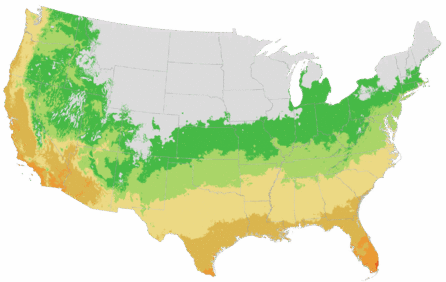
Your USDA Cold Hardiness Zone:
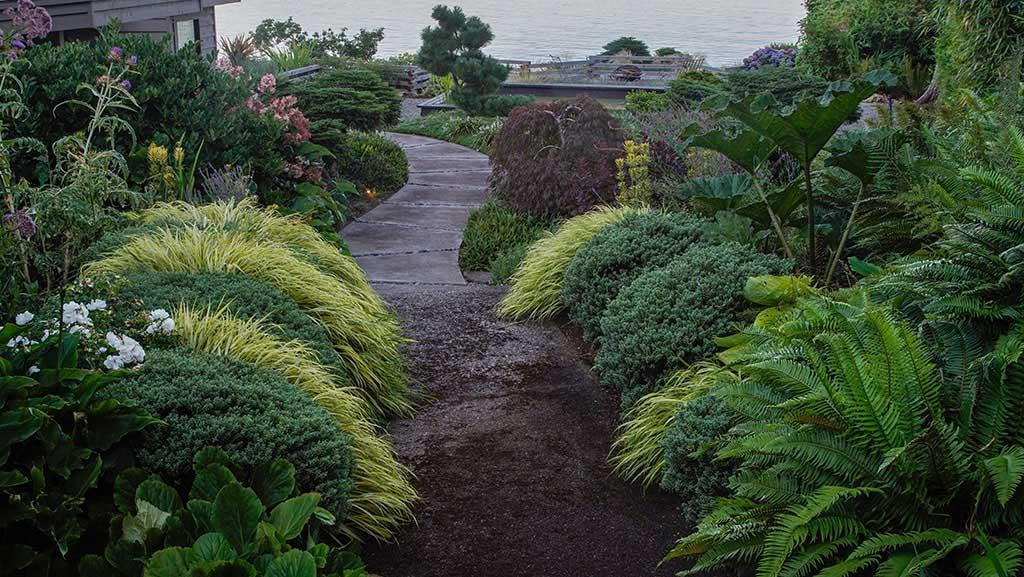
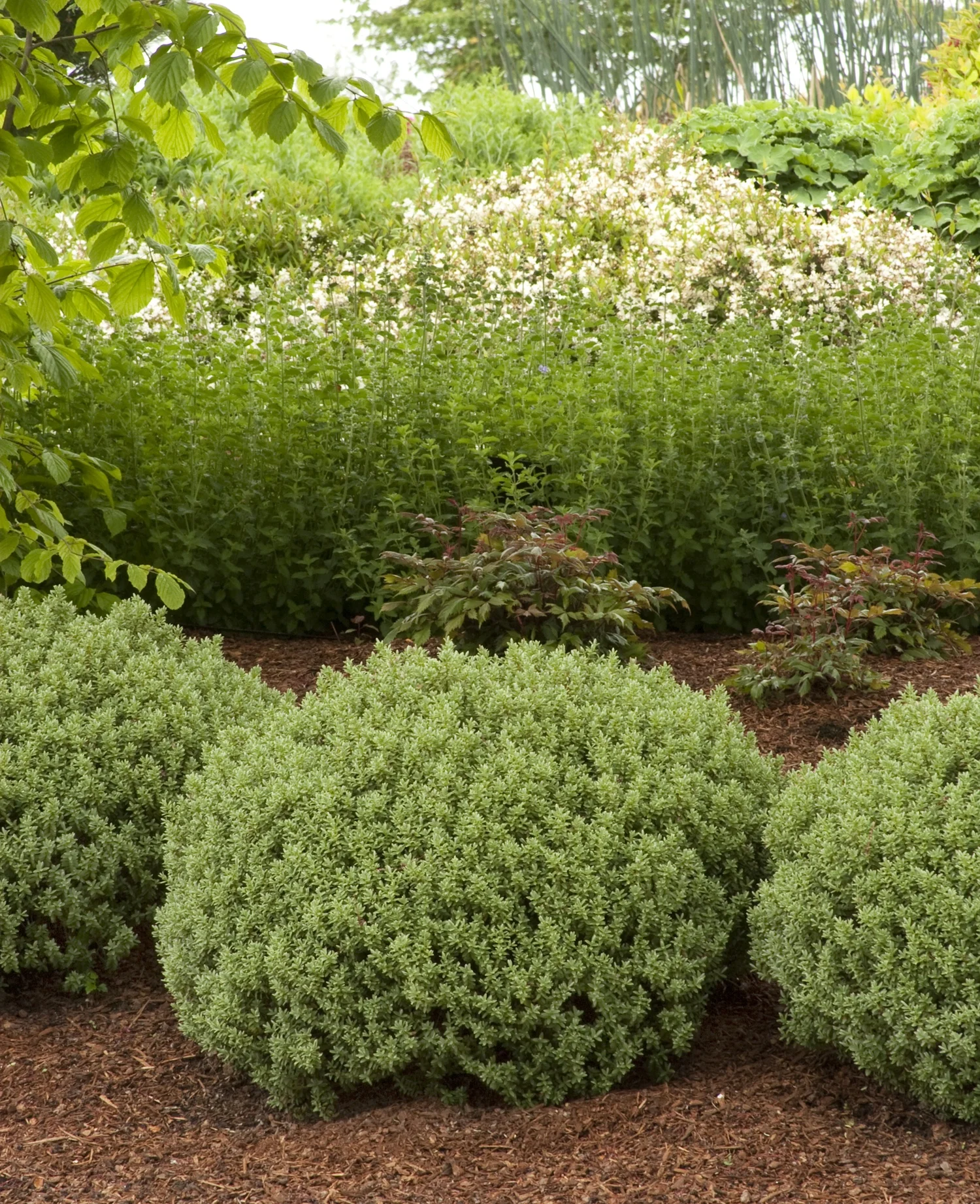
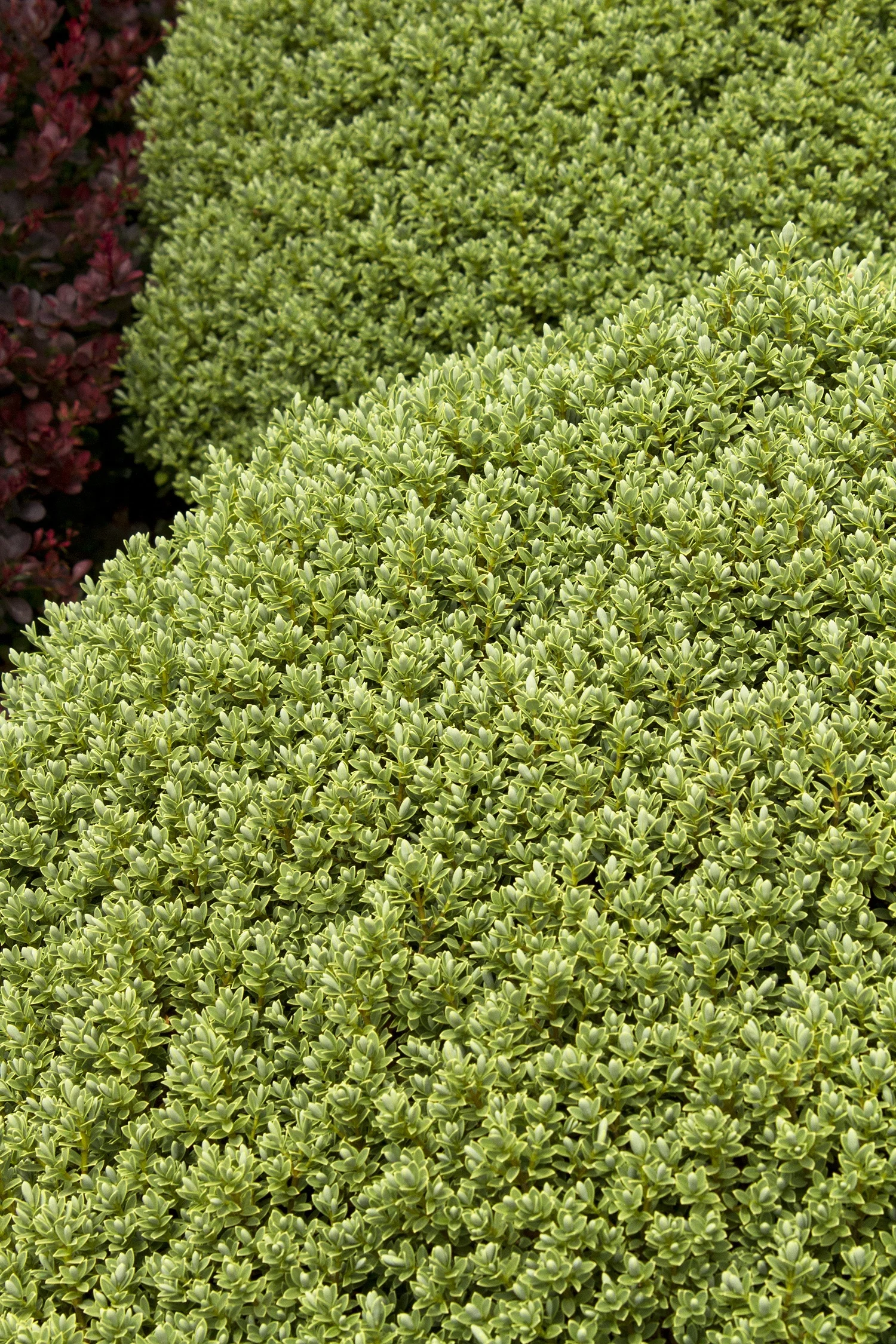
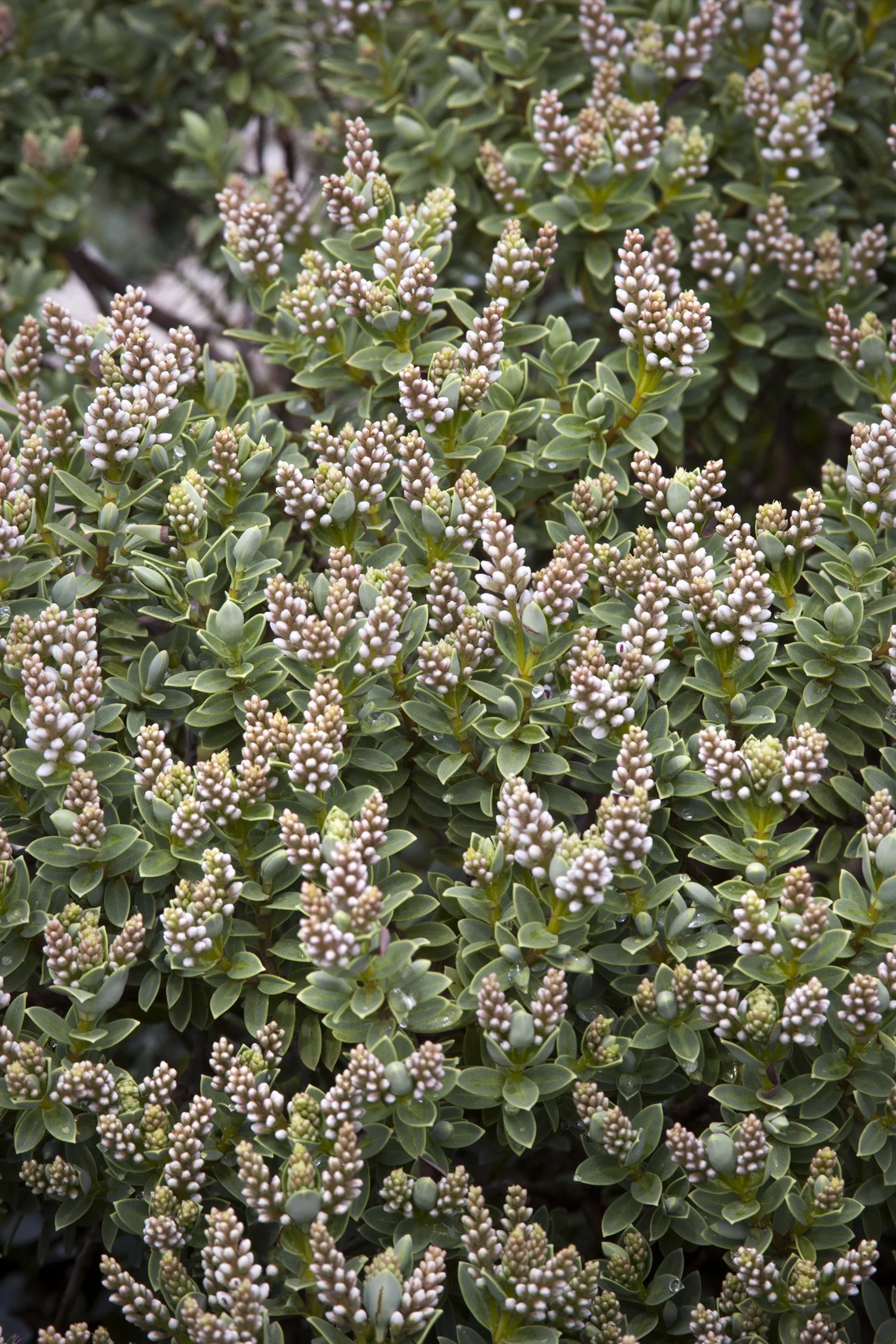
| Description | Spikes of white flowers with blue anthers accent the white-green foliage of this densely branched dwarf shrub. The low spreading form is excellent for use as a groundcover, low-growing edging, or container plantings. One of the hardiest of hebes. Thrives in coastal regions. Evergreen. |
|---|---|
| Bloom Time | Summer |
| Deciduous/Evergreen | Evergreen |
| Special Features | Easy Care, Compact Form |
| Problems/Solutions | Coastal Exposure, Road Salt Tolerant |
| Growth Rate | Moderate |
| Flower Attributes | Flowers for Cutting, Showy Flowers |
| Landscape Use | Border, Container, Hedge, Ground Cover, Edging |
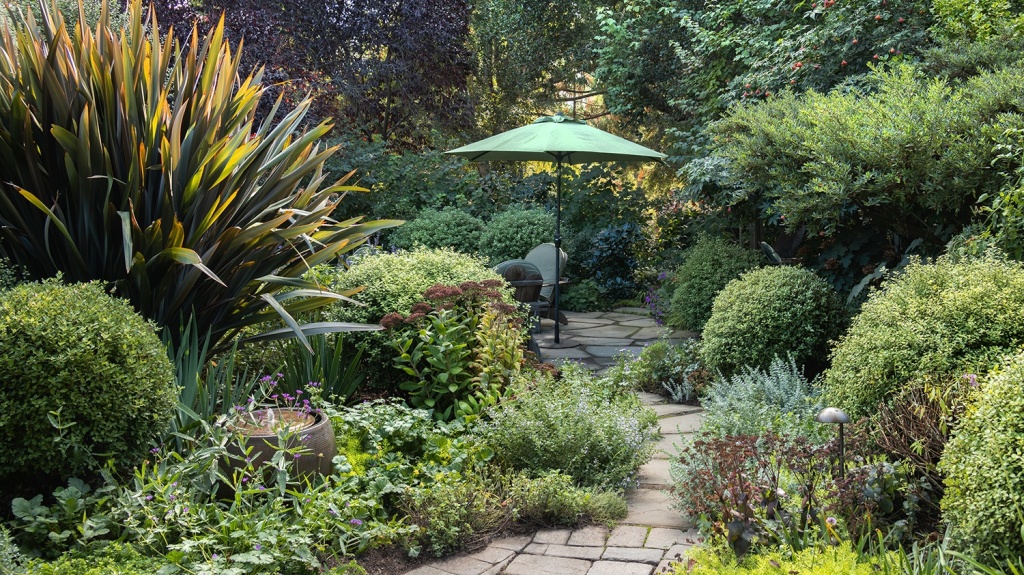
| Design Ideas | A stylish small spreading groundcover for high profile parts of the garden. Use around porch and front entry to cloak slab edges and fill in under taller shrubs. Useful for foundation planting under very low windows that need vent of footing cover up. Insert into the front of mixed borders for unique form and tidy edges. A fine choice for small urban gardens where close up beauty of this little shrub will be most appreciated. Equally suited for pots and troughs as well as square boxes in modernistic compositions. |
| Flower Color | White |
| Foliage Color | Green |
| Companion Plants | Podocarpus (Podocarpus macrophyllus); Heavenly Bamboo (Nandina); Russian Sage (Perovskia); Agapanthus (Agapanthus); Bottlebrush (Callistemon); Loropetalum (Loropetalum); Blue Oat Grass (Heliotrichon) |
| Care Instructions | Provide average, acidic, loose, well-drained soil; does not tolerate heavy, wet soils. Thrives in cool coastal areas; shelter from harsh sun exposures in hotter regions. Water deeply, regularly in first growing season to establish an extensive root system. Fertilize in early spring. For a semi-formal appearance, prune annually after flowering. |
| History | An early cultivar that originated in New Zealand before 1925. The species is native to a wide range in New Zealand where it is called the local lilac. |
Details
| Description | Spikes of white flowers with blue anthers accent the white-green foliage of this densely branched dwarf shrub. The low spreading form is excellent for use as a groundcover, low-growing edging, or container plantings. One of the hardiest of hebes. Thrives in coastal regions. Evergreen. |
|---|---|
| Bloom Time | Summer |
| Deciduous/Evergreen | Evergreen |
| Special Features | Easy Care, Compact Form |
| Problems/Solutions | Coastal Exposure, Road Salt Tolerant |
| Growth Rate | Moderate |
| Flower Attributes | Flowers for Cutting, Showy Flowers |
Style
| Landscape Use | Border, Container, Hedge, Ground Cover, Edging |
|---|---|
| Design Ideas | A stylish small spreading groundcover for high profile parts of the garden. Use around porch and front entry to cloak slab edges and fill in under taller shrubs. Useful for foundation planting under very low windows that need vent of footing cover up. Insert into the front of mixed borders for unique form and tidy edges. A fine choice for small urban gardens where close up beauty of this little shrub will be most appreciated. Equally suited for pots and troughs as well as square boxes in modernistic compositions. |
| Flower Color | White |
| Foliage Color | Green |
| Companion Plants | Podocarpus (Podocarpus macrophyllus); Heavenly Bamboo (Nandina); Russian Sage (Perovskia); Agapanthus (Agapanthus); Bottlebrush (Callistemon); Loropetalum (Loropetalum); Blue Oat Grass (Heliotrichon) |
Care
| Care Instructions | Provide average, acidic, loose, well-drained soil; does not tolerate heavy, wet soils. Thrives in cool coastal areas; shelter from harsh sun exposures in hotter regions. Water deeply, regularly in first growing season to establish an extensive root system. Fertilize in early spring. For a semi-formal appearance, prune annually after flowering. |
|---|
History
| History | An early cultivar that originated in New Zealand before 1925. The species is native to a wide range in New Zealand where it is called the local lilac. |
|---|
Retailers Near You
About Us
We have been pioneers and craftsmen in the art of growing plants for 100 years. Since our founding in Southern California by Harry E. Rosedale, Sr. in 1926, we have been absolutely dedicated and obsessed with quality.
We have been pioneers and craftsmen in the art of growing plants for nearly 100 years. Since our founding in Southern California by Harry E. Rosedale, Sr. in 1926, we have been absolutely dedicated and obsessed with quality.