
You're growing in this Zip Code:
Change LocationDiscover Plants for Your Area
Sweet Fern
Comptonia peregrina
SKU #46794
LIGHT:
Full sun, Partial sun
WATER:
Drought tolerant once established.
SIZE:
Reaches 2 to 5 ft. tall, 4 to 8 ft. wide.

Retailers Near You
Ready to Grow?
Ship Monrovia plants directly to your door. Browse a curated selection available online.
Shop Now >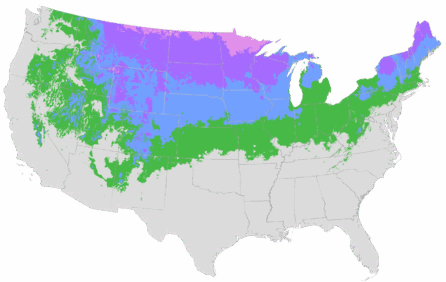
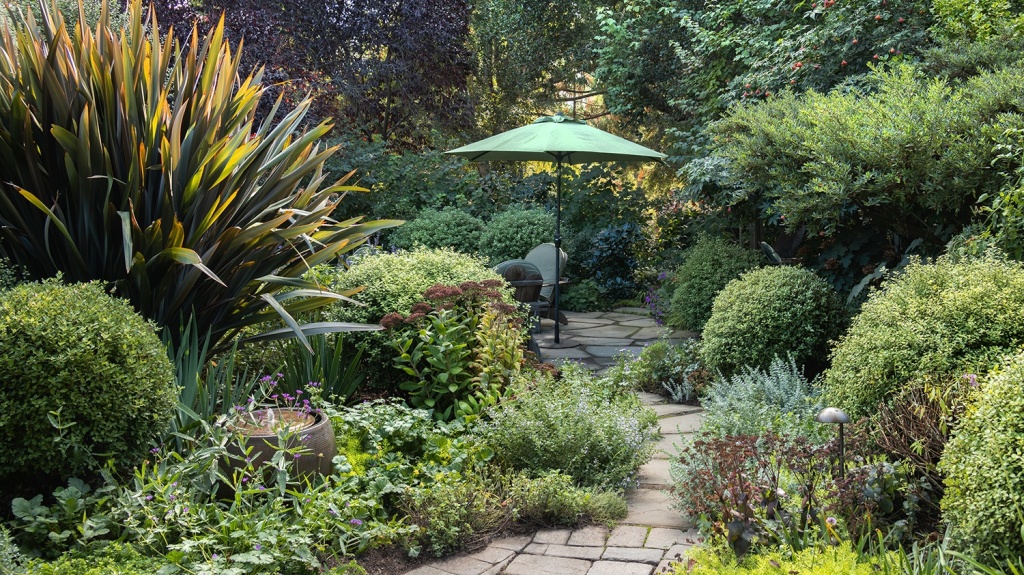
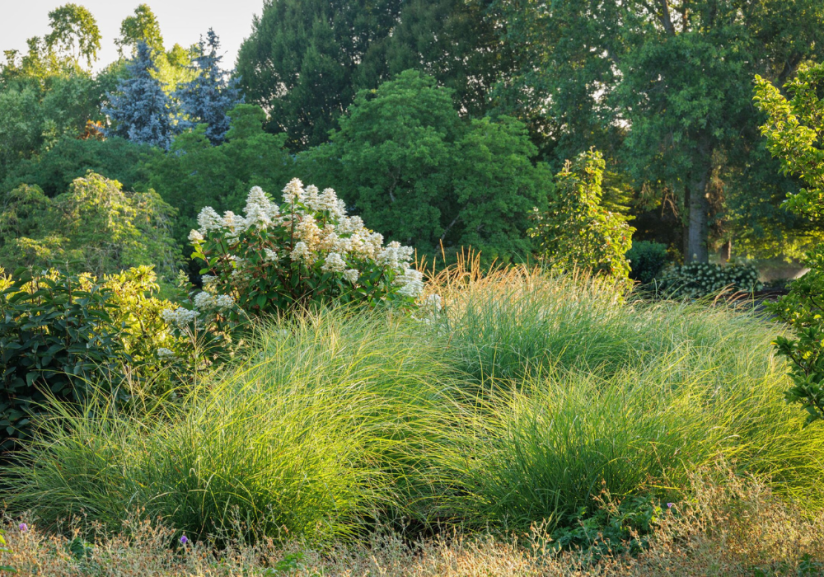
| Description | Native to Eastern North America, Sweet Fern is not a fern at all, but actually a shrub with fern-like leaves. A member of the Bay family, the leaves have a pleasant scent when crushed. Naturalizes well, spreading to form a colony. An adaptable plant that tolerates wet conditions and wind, sheltered seashore areas, drought, and a wide range of soils. A good choice for erosion control on an embankment, massing along the foundation of a building, or along a driveway. Deciduous. |
|---|---|
| Bloom Time | Insignificant flowers in spring |
| Deciduous/Evergreen | Deciduous |
| Special Features | Waterwise, North American Native |
| Problems/Solutions | Deer Resistant, Erosion Control |
| Growth Rate | Moderate |
| Growth Habit | Spreading |
| Flower Color | Yellow |
| Foliage Color | Green |
| Care Instructions | Prefers sandy, acidic loams, but tolerates poor soils. Water deeply, regularly in the first growing season; drought tolerant once established. Best left alone to form colonies. Does not transplant well. |
Details
| Description | Native to Eastern North America, Sweet Fern is not a fern at all, but actually a shrub with fern-like leaves. A member of the Bay family, the leaves have a pleasant scent when crushed. Naturalizes well, spreading to form a colony. An adaptable plant that tolerates wet conditions and wind, sheltered seashore areas, drought, and a wide range of soils. A good choice for erosion control on an embankment, massing along the foundation of a building, or along a driveway. Deciduous. |
|---|---|
| Bloom Time | Insignificant flowers in spring |
| Deciduous/Evergreen | Deciduous |
| Special Features | Waterwise, North American Native |
| Problems/Solutions | Deer Resistant, Erosion Control |
| Growth Rate | Moderate |
| Growth Habit | Spreading |
Style
| Flower Color | Yellow |
|---|---|
| Foliage Color | Green |
Care
| Care Instructions | Prefers sandy, acidic loams, but tolerates poor soils. Water deeply, regularly in the first growing season; drought tolerant once established. Best left alone to form colonies. Does not transplant well. |
|---|
Retailers Near You
About Us
We have been pioneers and craftsmen in the art of growing plants for 100 years. Since our founding in Southern California by Harry E. Rosedale, Sr. in 1926, we have been absolutely dedicated and obsessed with quality.
We have been pioneers and craftsmen in the art of growing plants for nearly 100 years. Since our founding in Southern California by Harry E. Rosedale, Sr. in 1926, we have been absolutely dedicated and obsessed with quality.