
You're growing in this Zip Code:
Discover Plants for Your Area


Tiger Aloe
Aloe variegata
Pronunciation: AL-oh var-ee-GAY-tuh
SKU #06905
LIGHT:
Full sun, Partial sun
WATER:
Water when soil is completely dry.
SIZE:
Solitary rosette grows 12 in. tall and wide, slowly clumping.

Retailers Near You
Ready to Grow?
Ship Monrovia plants directly to your door. Browse a curated selection available online.
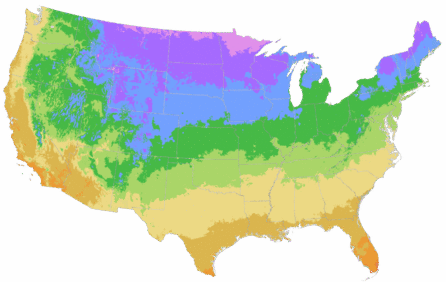
Shop Now >This Plant's Growing Zones: ALL
Your USDA Cold Hardiness Zone:
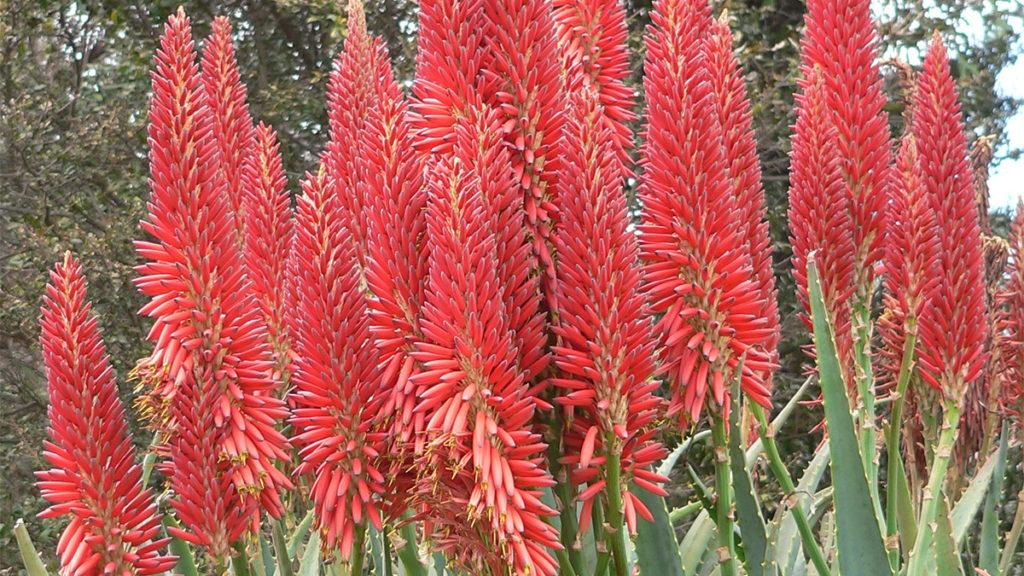
| Description | Classic sword-shaped thick leaves, uniquely marked with white stippling, add interest to any rock garden, xeriscape or succulent collection. Tall stalks of pink to red flowers add striking contrast. Popular winter-flowering houseplant in colder climates. Foliage develops a red-brown tint when drought stressed. Evergreen. |
|---|---|
| Bloom Time | Winter to spring |
| Deciduous/Evergreen | Evergreen |
| Special Features | Dramatic Foliage Color, Easy Care, Waterwise |
| Problems/Solutions | Coastal Exposure, Deer Resistant, Rabbit Resistant, Drought Tolerant |
| Growth Rate | Slow |
| Flower Attributes | Showy Flowers |
| Landscape Use | Border, Container, Houseplant, Poolside |
| Flower Color | Pink |
| Foliage Color | Green |
| Companion Plants | Agave (Agave); Red Yucca (Hesperaloe); Sedum (Sedum); Hens & Chicks (Sempervivum); Kalanchoe (Kalanchoe) |
| Care Instructions | Grows easily in lean, loose, sandy or rocky, fast-draining soils. Shelter from harsh afternoon sun in extremely hot summer regions. Water regularly in first growing season to establish root system; drought tolerant once established, particularly in coastal regions. Avoid excess water during cooler months. |
| History | Native to South Africa and in southern Namibia, often found in the shade of shrubs or rock crevices. First noted near Copperberg in the Springbok District of the Northern Cape by the Simon Van Der Stel expedition in 1685, Tiger Aloe has since had a long history of cultivation. |
| Lore | In their natural range, tiger aloe are found in fast draining, gritty soils where rainfall is infrequent. They can withstand periods of drought by storing moisture in their leaves, which have a resilient waxy cuticle covering their surface. Tiger aloe has healing sap, like the more common varieties. |
Details
| Description | Classic sword-shaped thick leaves, uniquely marked with white stippling, add interest to any rock garden, xeriscape or succulent collection. Tall stalks of pink to red flowers add striking contrast. Popular winter-flowering houseplant in colder climates. Foliage develops a red-brown tint when drought stressed. Evergreen. |
|---|---|
| Bloom Time | Winter to spring |
| Deciduous/Evergreen | Evergreen |
| Special Features | Dramatic Foliage Color, Easy Care, Waterwise |
| Problems/Solutions | Coastal Exposure, Deer Resistant, Rabbit Resistant, Drought Tolerant |
| Growth Rate | Slow |
| Flower Attributes | Showy Flowers |
Style
| Landscape Use | Border, Container, Houseplant, Poolside |
|---|---|
| Flower Color | Pink |
| Foliage Color | Green |
| Companion Plants | Agave (Agave); Red Yucca (Hesperaloe); Sedum (Sedum); Hens & Chicks (Sempervivum); Kalanchoe (Kalanchoe) |
Care
| Care Instructions | Grows easily in lean, loose, sandy or rocky, fast-draining soils. Shelter from harsh afternoon sun in extremely hot summer regions. Water regularly in first growing season to establish root system; drought tolerant once established, particularly in coastal regions. Avoid excess water during cooler months. |
|---|
History
| History | Native to South Africa and in southern Namibia, often found in the shade of shrubs or rock crevices. First noted near Copperberg in the Springbok District of the Northern Cape by the Simon Van Der Stel expedition in 1685, Tiger Aloe has since had a long history of cultivation. |
|---|---|
| Lore | In their natural range, tiger aloe are found in fast draining, gritty soils where rainfall is infrequent. They can withstand periods of drought by storing moisture in their leaves, which have a resilient waxy cuticle covering their surface. Tiger aloe has healing sap, like the more common varieties. |
Retailers Near You
About Us
We have been pioneers and craftsmen in the art of growing plants for 100 years. Since our founding in Southern California by Harry E. Rosedale, Sr. in 1926, we have been absolutely dedicated and obsessed with quality.
We have been pioneers and craftsmen in the art of growing plants for nearly 100 years. Since our founding in Southern California by Harry E. Rosedale, Sr. in 1926, we have been absolutely dedicated and obsessed with quality.