
You're growing in this Zip Code:
Discover Plants for Your Area
Tina Sargent Crabapple
Malus sargentii 'Tina'
Pronunciation: MAY-lus sar-JEN-tee-eye
SKU #01832
LIGHT:
Full sun
WATER:
Once established water during dry spells.
SIZE:
Moderate growing; reaches only 5 ft. tall, 6 ft. wide.

Retailers Near You
Ready to Grow?
Ship Monrovia plants directly to your door. Browse a curated selection available online.
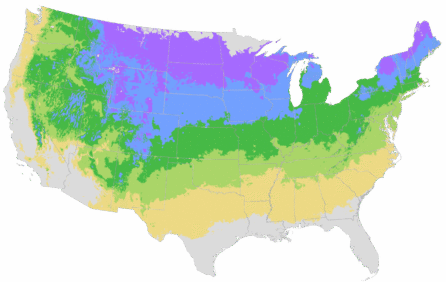
Shop Now >This Plant's Growing Zones: 4-8
Your USDA Cold Hardiness Zone:
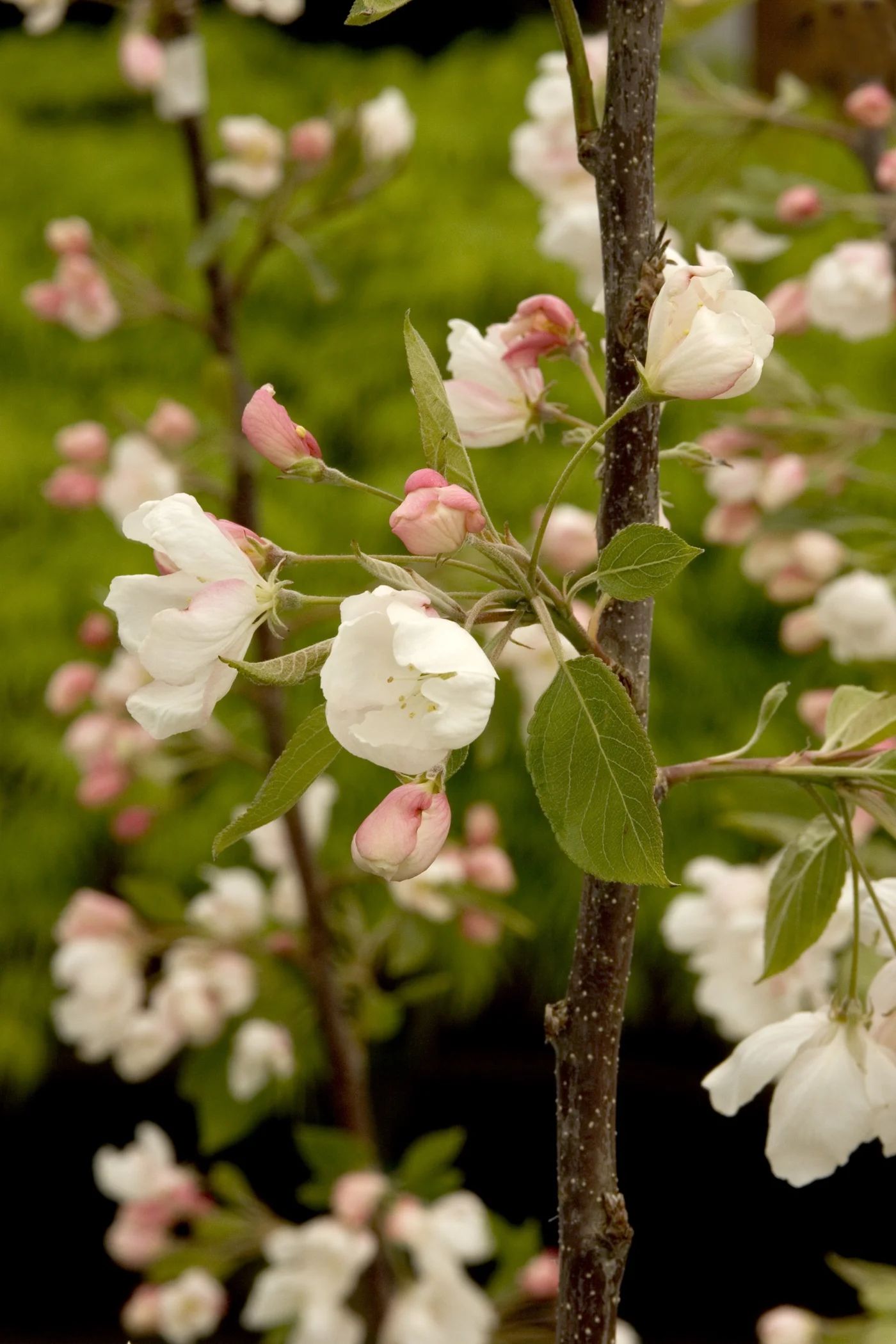
| Description | A dense, dwarf form whose profuse bright red buds open to single white flowers that mature to small 1/4 inch red fruit. The small tree with spreading and somewhat pendulous branches is striking as a specimen, for lining a drive, or for framing an entrance. Deciduous. |
|---|---|
| Bloom Time | Early spring |
| Deciduous/Evergreen | Deciduous |
| Special Features | Fall Color, Improved Pest and Disease Resistance, Showy Fruit, Edible, Attracts Pollinators, Compact Form, Benefits Birds |
| Growth Rate | Moderate |
| Flower Attributes | Showy Flowers |
| Landscape Use | Container |
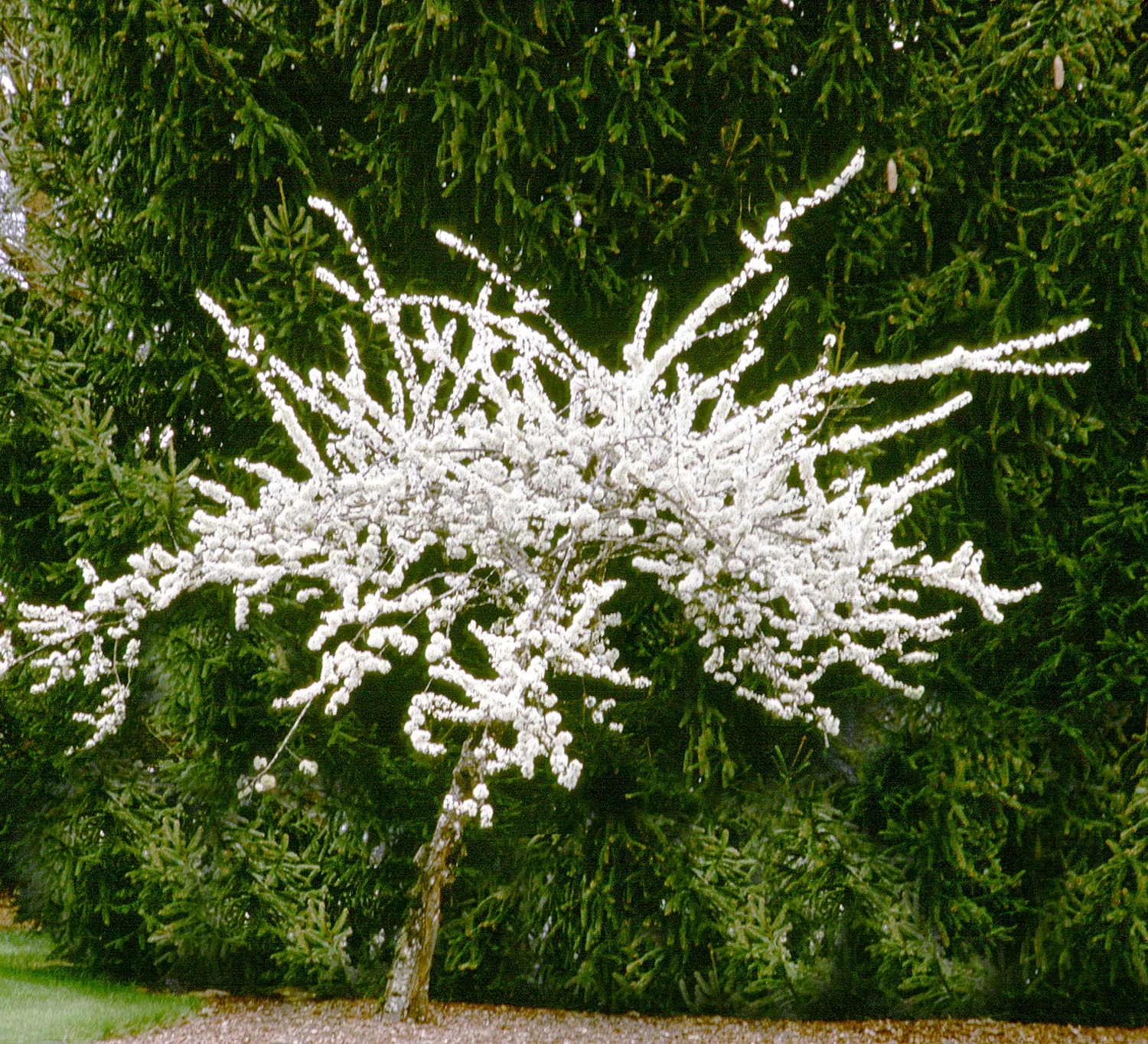
| Design Ideas | A small cold hardy accent tree is an ideal spring specimen for both close and as long range focal points. Best set off against a background of tall, dark evergreens. Attractive at close range in conjunction with foundation plantings aligned for window appreciation of unique foliage and birds feeding on winter fruit. Vital to all wild gardens and very attractive in mixed woodlands or as small groves to compound wildlife value. Makes a good lawn tree, but best kept clear of paving. |
| Flower Color | White |
| Foliage Color | Green |
| Foliage Fall Color | Yellow |
| Companion Plants | Viburnum (Viburnum); Boxwood (Buxus); Dwarf Mugo Pine (Pinus); Weigela (Weigela); Arborvitae (Thuja) |
| Care Instructions | Provide enriched, well-drained soil. Water deeply, regularly during first few growing seasons to establish an extensive root system. Once established, reduce frequency; increase frequency before spring bloom. Feed before new spring growth appears. Thin heavy crops in early summer to prevent breakage or damage. Prune after flowering. |
| History | The first crabapple known in ancient Roman gardens was Malus pumila, which is native to eastern Europe. It was the primary understock for the development of the modern apple which were produced by seedlings of M. pumila and M sylvestris, another Eur-Asian native. About 1600 the European apples split to become crabapples when crossed with the natives of North America such as M. coronaria and M. angustifolia. In 1850 the Siberian crabapple species, M. baccata was introduced and bred more increased cold hardiness. A short time later the Asian species was introduced by Charles Sargent of the Arnold Arboretum, and subsequent breeding produce the strain of contemporary cultivars with 'Tina' proving the most dwarf and is therefore grafted. A Great Plant Pick winner. |
Details
| Description | A dense, dwarf form whose profuse bright red buds open to single white flowers that mature to small 1/4 inch red fruit. The small tree with spreading and somewhat pendulous branches is striking as a specimen, for lining a drive, or for framing an entrance. Deciduous. |
|---|---|
| Bloom Time | Early spring |
| Deciduous/Evergreen | Deciduous |
| Special Features | Fall Color, Improved Pest and Disease Resistance, Showy Fruit, Edible, Attracts Pollinators, Compact Form, Benefits Birds |
| Growth Rate | Moderate |
| Flower Attributes | Showy Flowers |
Style
| Landscape Use | Container |
|---|---|
| Design Ideas | A small cold hardy accent tree is an ideal spring specimen for both close and as long range focal points. Best set off against a background of tall, dark evergreens. Attractive at close range in conjunction with foundation plantings aligned for window appreciation of unique foliage and birds feeding on winter fruit. Vital to all wild gardens and very attractive in mixed woodlands or as small groves to compound wildlife value. Makes a good lawn tree, but best kept clear of paving. |
| Flower Color | White |
| Foliage Color | Green |
| Foliage Fall Color | Yellow |
| Companion Plants | Viburnum (Viburnum); Boxwood (Buxus); Dwarf Mugo Pine (Pinus); Weigela (Weigela); Arborvitae (Thuja) |
Care
| Care Instructions | Provide enriched, well-drained soil. Water deeply, regularly during first few growing seasons to establish an extensive root system. Once established, reduce frequency; increase frequency before spring bloom. Feed before new spring growth appears. Thin heavy crops in early summer to prevent breakage or damage. Prune after flowering. |
|---|
History
| History | The first crabapple known in ancient Roman gardens was Malus pumila, which is native to eastern Europe. It was the primary understock for the development of the modern apple which were produced by seedlings of M. pumila and M sylvestris, another Eur-Asian native. About 1600 the European apples split to become crabapples when crossed with the natives of North America such as M. coronaria and M. angustifolia. In 1850 the Siberian crabapple species, M. baccata was introduced and bred more increased cold hardiness. A short time later the Asian species was introduced by Charles Sargent of the Arnold Arboretum, and subsequent breeding produce the strain of contemporary cultivars with 'Tina' proving the most dwarf and is therefore grafted. A Great Plant Pick winner. |
|---|
Retailers Near You
About Us
We have been pioneers and craftsmen in the art of growing plants for 100 years. Since our founding in Southern California by Harry E. Rosedale, Sr. in 1926, we have been absolutely dedicated and obsessed with quality.
We have been pioneers and craftsmen in the art of growing plants for nearly 100 years. Since our founding in Southern California by Harry E. Rosedale, Sr. in 1926, we have been absolutely dedicated and obsessed with quality.