
You're growing in this Zip Code:
Change LocationDiscover Plants for Your Area
Tuscarora Crape Myrtle
Lagerstroemia indica x fauriei 'Tuscarora'
Pronunciation: la-ger-STRE-mee-a IN-dih-kuh fa-ru-EE-i
SKU #00903
LIGHT:
Full sun
WATER:
Water deeply when soil is dry.
SIZE:
Reaches 15 ft. tall and wide.

Retailers Near You
Ready to Grow?
Ship Monrovia plants directly to your door. Browse a curated selection available online.
Shop Now >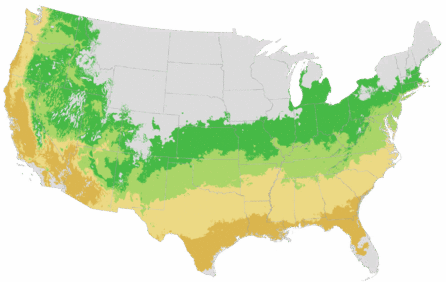
| Description | A small deciduous tree that produces a profusion of crepe-like coral-pink flower clusters. The bright green summer foliage develops exquisite orange-red coloring in the fall. Smooth, mottled, light cinnamon brown bark adds year-round interest. Wonderful for use as a large shrub to accent the landscape or as a specimen or street tree. |
|---|---|
| Bloom Time | Summer |
| Deciduous/Evergreen | Deciduous |
| Special Features | Attractive Bark, Easy Care, Fall Color, Waterwise, Non-toxic to Cats and Dogs, Attracts Pollinators |
| Problems/Solutions | Tolerates Urban Pollution |
| Growth Rate | Moderate |
| Growth Habit | Rounded |
| Flower Attributes | Showy Flowers |
| Landscape Use | Privacy Screen |
| Flower Color | Pink |
| Foliage Color | Green |
| Foliage Fall Color | Red |
| Companion Plants | Ceanothus (Ceanothus); Lilyturf (Liriope); Daylily (Hemerocallis); Agapanthus (Agapanthus); Indian Hawthorn (Rhaphiolepis) |
| Care Instructions | Thrives in average, well-drained soil. Water deeply, regularly during first growing season to establish an extensive root system; reduce frequency, once established. Feed in early spring. Thin young trees late winter to early spring; leave 3 to 7 main trunks or canopy branches. Remove suckers from the base of older trees. |
Details
| Description | A small deciduous tree that produces a profusion of crepe-like coral-pink flower clusters. The bright green summer foliage develops exquisite orange-red coloring in the fall. Smooth, mottled, light cinnamon brown bark adds year-round interest. Wonderful for use as a large shrub to accent the landscape or as a specimen or street tree. |
|---|---|
| Bloom Time | Summer |
| Deciduous/Evergreen | Deciduous |
| Special Features | Attractive Bark, Easy Care, Fall Color, Waterwise, Non-toxic to Cats and Dogs, Attracts Pollinators |
| Problems/Solutions | Tolerates Urban Pollution |
| Growth Rate | Moderate |
| Growth Habit | Rounded |
| Flower Attributes | Showy Flowers |
Style
| Landscape Use | Privacy Screen |
|---|---|
| Flower Color | Pink |
| Foliage Color | Green |
| Foliage Fall Color | Red |
| Companion Plants | Ceanothus (Ceanothus); Lilyturf (Liriope); Daylily (Hemerocallis); Agapanthus (Agapanthus); Indian Hawthorn (Rhaphiolepis) |
Care
| Care Instructions | Thrives in average, well-drained soil. Water deeply, regularly during first growing season to establish an extensive root system; reduce frequency, once established. Feed in early spring. Thin young trees late winter to early spring; leave 3 to 7 main trunks or canopy branches. Remove suckers from the base of older trees. |
|---|
Frequently asked questions
Does Tuscarora Crape Myrtle produce flowers?
Summer
Is Tuscarora Crape Myrtle evergreen or deciduous?
Tuscarora Crape Myrtle is Deciduous.
What are the special features of Tuscarora Crape Myrtle?
Tuscarora Crape Myrtle is Attractive Bark, Easy Care, Fall Color, Waterwise, Non-toxic to Cats and Dogs, Attracts Pollinators.
Is Tuscarora Crape Myrtle resistant to pests or animals?
Tolerates Urban Pollution
How fast does Tuscarora Crape Myrtle grow?
Tuscarora Crape Myrtle has a Moderate growth rate.
What is the growth habit of Tuscarora Crape Myrtle?
Tuscarora Crape Myrtle grows in an Rounded habit.
Where can I use Tuscarora Crape Myrtle in my landscape?
Tuscarora Crape Myrtle is suitable for: Privacy Screen.
What color are Tuscarora Crape Myrtle flowers?
Tuscarora Crape Myrtle produces Pink flowers.
What color is the foliage of Tuscarora Crape Myrtle?
Tuscarora Crape Myrtle has Green foliage.
What plants grow well with Tuscarora Crape Myrtle?
Good companion plants for Tuscarora Crape Myrtle include: Ceanothus (Ceanothus); Lilyturf (Liriope); Daylily (Hemerocallis); Agapanthus (Agapanthus); Indian Hawthorn (Rhaphiolepis).
How do I care for Tuscarora Crape Myrtle?
Thrives in average, well-drained soil. Water deeply, regularly during first growing season to establish an extensive root system; reduce frequency, once established. Feed in early spring. Thin young trees late winter to early spring; leave 3 to 7 main trunks or canopy branches. Remove suckers from the base of older trees.
Retailers Near You
About Us
We have been pioneers and craftsmen in the art of growing plants for 100 years. Since our founding in Southern California by Harry E. Rosedale, Sr. in 1926, we have been absolutely dedicated and obsessed with quality.
We have been pioneers and craftsmen in the art of growing plants for nearly 100 years. Since our founding in Southern California by Harry E. Rosedale, Sr. in 1926, we have been absolutely dedicated and obsessed with quality.