
You're growing in this Zip Code:
Discover Plants for Your Area


Valley Valentine Pieris
Pieris japonica 'Valley Valentine'
Pronunciation: PY-er-iss juh-PON-ih-kuh
SKU #06531
LIGHT:
Partial sun
WATER:
Keep soil moist, but not soggy.
SIZE:
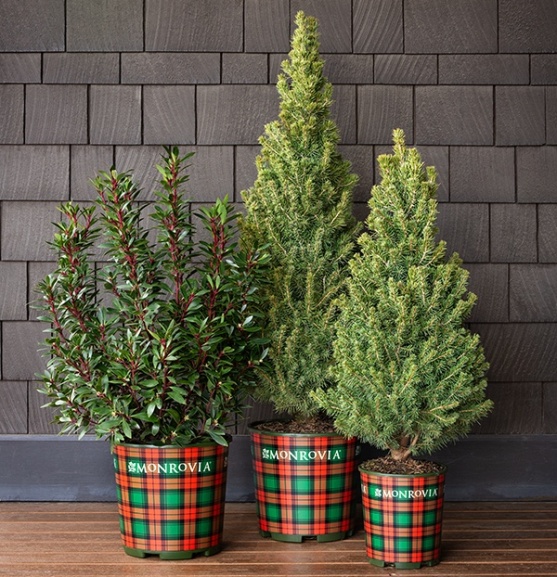
Slow grower to 5 to 7 ft. tall and wide.

Retailers Near You
Ready to Grow?
Ship Monrovia plants directly to your door. Browse a curated selection available online.
Shop Now >This Plant's Growing Zones: 6-8
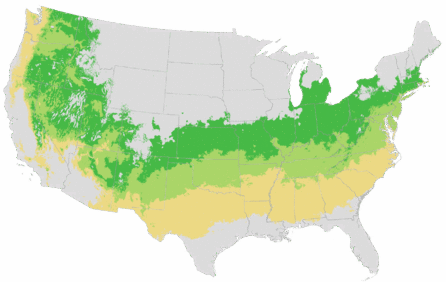
Your USDA Cold Hardiness Zone:
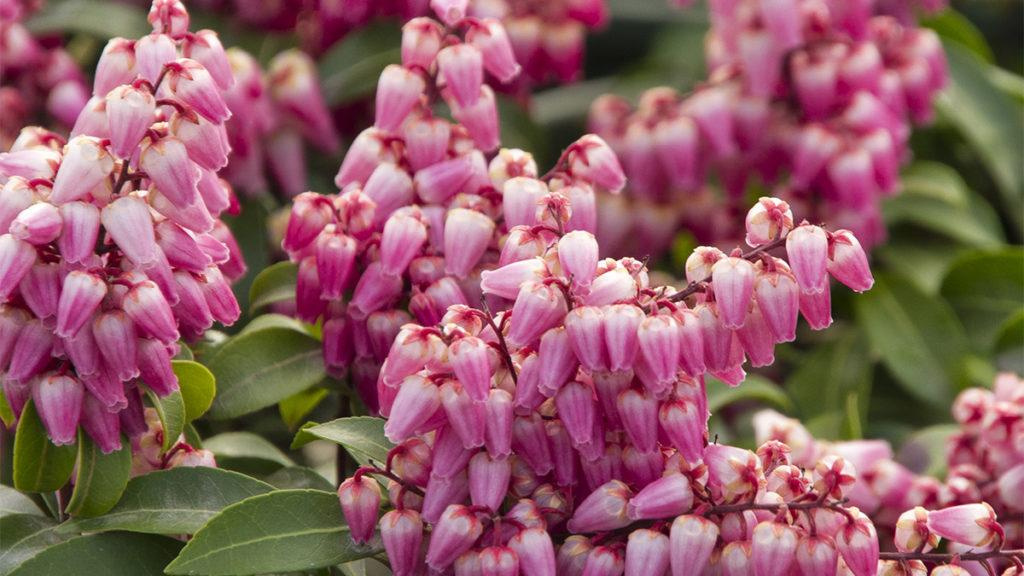
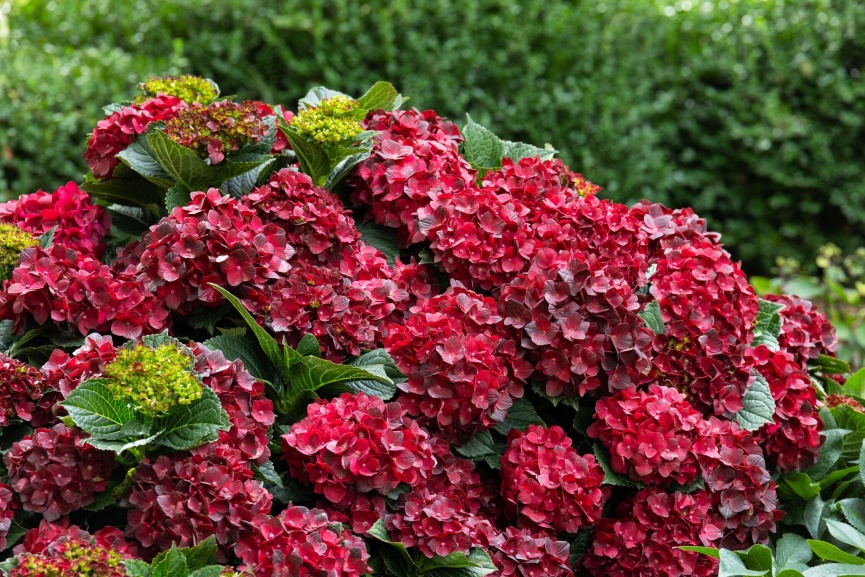
| Description | Beautiful, deep red buds and pendant flowers highlight the cool season. Attractive, bronzy tint to new growth. Compact form excellent as a foundation planting or in groups. |
|---|---|
| Bloom Time | Winter |
| Deciduous/Evergreen | Evergreen |
| Special Features | Dramatic Foliage Color, Compact Form |
| Problems/Solutions | Deer Resistant |
| Growth Rate | Slow |
| Flower Attributes | Showy Flowers |
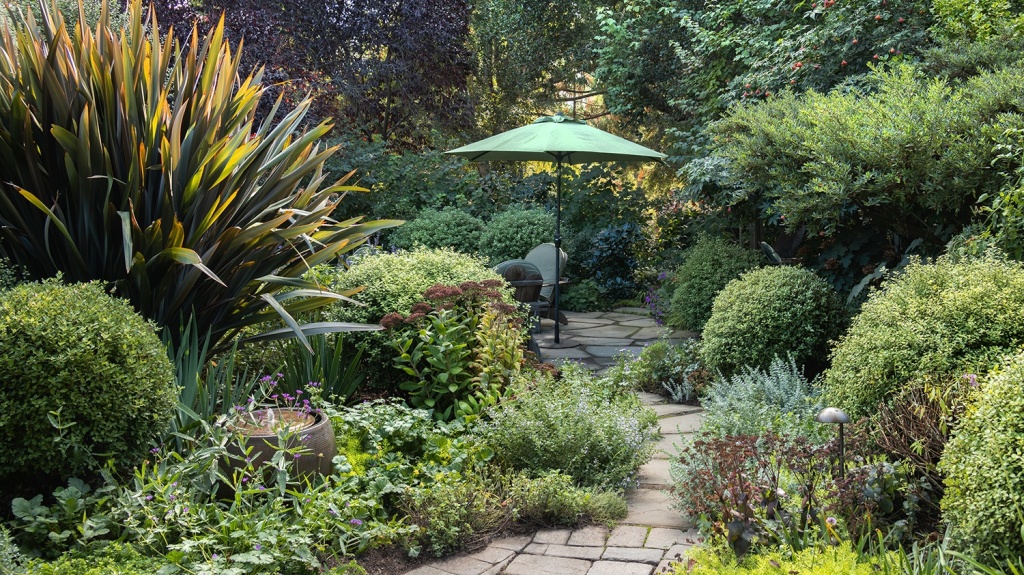
| Design Ideas | This Pieris is very useful where soils are acidic and damp most of the year. For homesites, it's ideal under a high canopy of old trees. Perfect on the north and east exposures as foundation planting, but seasonal changes make this perfect for a tidy front-yard shade garden. Large enough to use for background near water gardens or in small Asian-inspired compositions. A perfect candidate for wild woodland gardens in the damp Pacific Northwest. |
| Flower Color | Red |
| Foliage Color | Green |
| Companion Plants | Grow this Pieris around the spreading brances of Red Cutleaf Japanese Maple, (Acer palmatum 'Atropurpureum'), or the little evergreen Saint Mary Southern Magnolia, (Magnolia grandiflora 'Saint Mary').Mix it with the soft woodland favorites such as Luxuriant Bleeding Heart, (Dicentra x 'Luxuriant') or Alaskan Fern, (Polystichum setiferum). Particularly lovely in a wild woodland setting with theseasonal color from Snowflake Oakleaf Hydrangea, (Hydrangea quercifolia 'Snowflake'). |
| Care Instructions | Provide well drained soil, rich in organic matter. Follow a regular watering schedule during the first growing season to establish a deep, extensive root system. Feed with an acid fertilizer after bloom. Keep roots cool with a thick layer of mulch. |
| Lore | David Don named the genus Pieris after the Pierides or nine muses of mythology |
Details
| Description | Beautiful, deep red buds and pendant flowers highlight the cool season. Attractive, bronzy tint to new growth. Compact form excellent as a foundation planting or in groups. |
|---|---|
| Bloom Time | Winter |
| Deciduous/Evergreen | Evergreen |
| Special Features | Dramatic Foliage Color, Compact Form |
| Problems/Solutions | Deer Resistant |
| Growth Rate | Slow |
| Flower Attributes | Showy Flowers |
Style
| Design Ideas | This Pieris is very useful where soils are acidic and damp most of the year. For homesites, it's ideal under a high canopy of old trees. Perfect on the north and east exposures as foundation planting, but seasonal changes make this perfect for a tidy front-yard shade garden. Large enough to use for background near water gardens or in small Asian-inspired compositions. A perfect candidate for wild woodland gardens in the damp Pacific Northwest. |
|---|---|
| Flower Color | Red |
| Foliage Color | Green |
| Companion Plants | Grow this Pieris around the spreading brances of Red Cutleaf Japanese Maple, (Acer palmatum 'Atropurpureum'), or the little evergreen Saint Mary Southern Magnolia, (Magnolia grandiflora 'Saint Mary').Mix it with the soft woodland favorites such as Luxuriant Bleeding Heart, (Dicentra x 'Luxuriant') or Alaskan Fern, (Polystichum setiferum). Particularly lovely in a wild woodland setting with theseasonal color from Snowflake Oakleaf Hydrangea, (Hydrangea quercifolia 'Snowflake'). |
Care
| Care Instructions | Provide well drained soil, rich in organic matter. Follow a regular watering schedule during the first growing season to establish a deep, extensive root system. Feed with an acid fertilizer after bloom. Keep roots cool with a thick layer of mulch. |
|---|
History
| Lore | David Don named the genus Pieris after the Pierides or nine muses of mythology |
|---|
Retailers Near You
About Us
We have been pioneers and craftsmen in the art of growing plants for 100 years. Since our founding in Southern California by Harry E. Rosedale, Sr. in 1926, we have been absolutely dedicated and obsessed with quality.
We have been pioneers and craftsmen in the art of growing plants for nearly 100 years. Since our founding in Southern California by Harry E. Rosedale, Sr. in 1926, we have been absolutely dedicated and obsessed with quality.