
You're growing in this Zip Code:
Discover Plants for Your Area
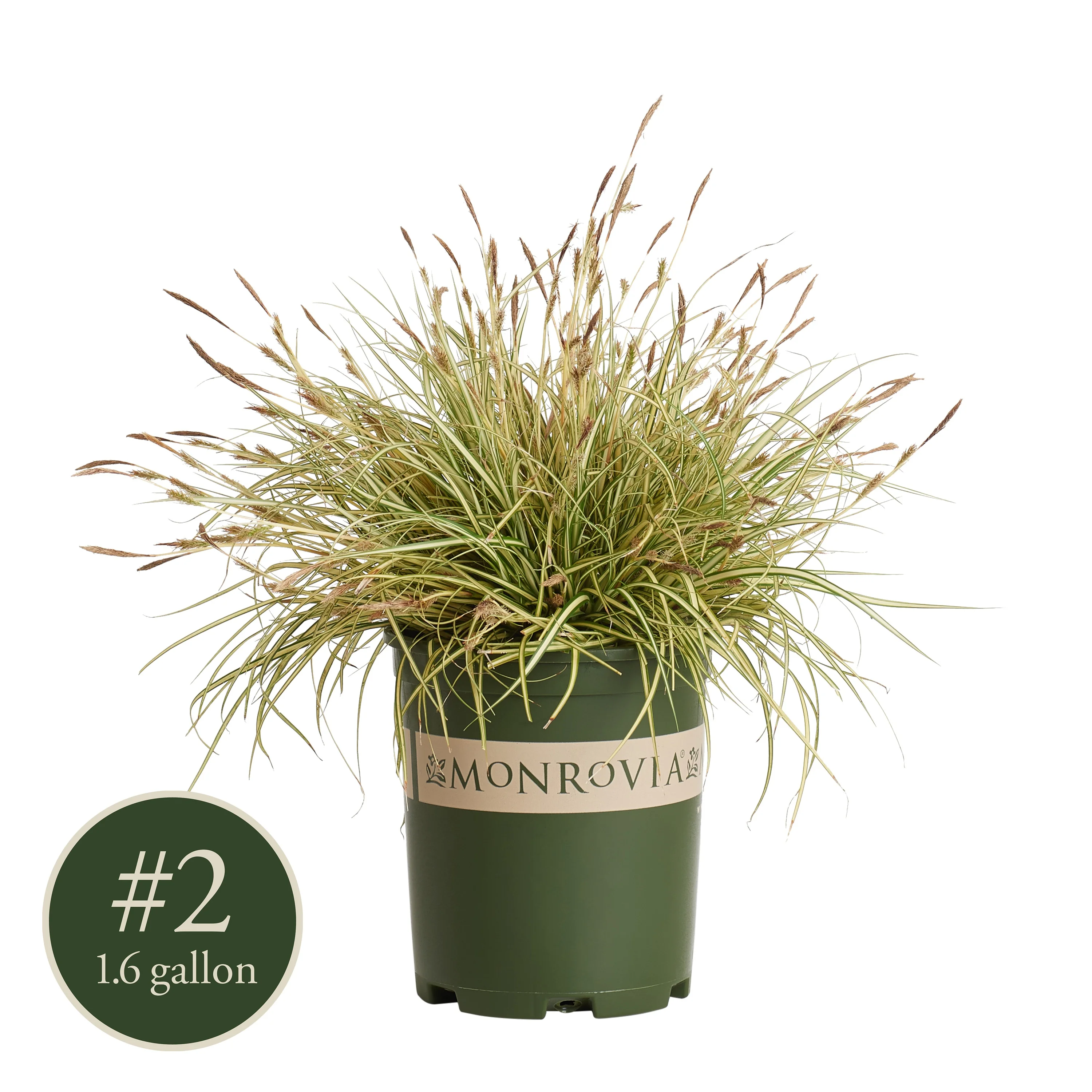
Variegated Japanese Sedge
Carex morrowii 'Aurea-variegata'
Pronunciation: KAR-reks mor-ROW-ee-eye AW-ree-uh var-ee-GAY-tuh
SKU #02260
LIGHT:
Full sun, Partial sun
WATER:
Keep soil consistently moist.
SIZE:
Moderate growing; foliage clumps reach 1 ft. tall and wide.

Home Delivery Price
?
- Arrives in 3 to 7 days
- Free shipping on orders over $149
- Perfect Start Promise
Select Quantity
Retailers Near You
This Plant's Growing Zones: 5-9
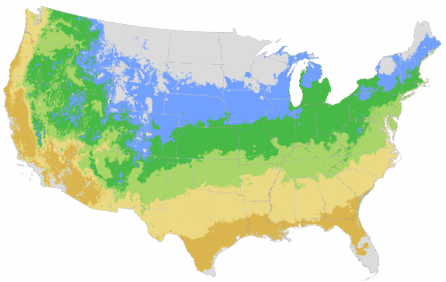
Your USDA Cold Hardiness Zone:

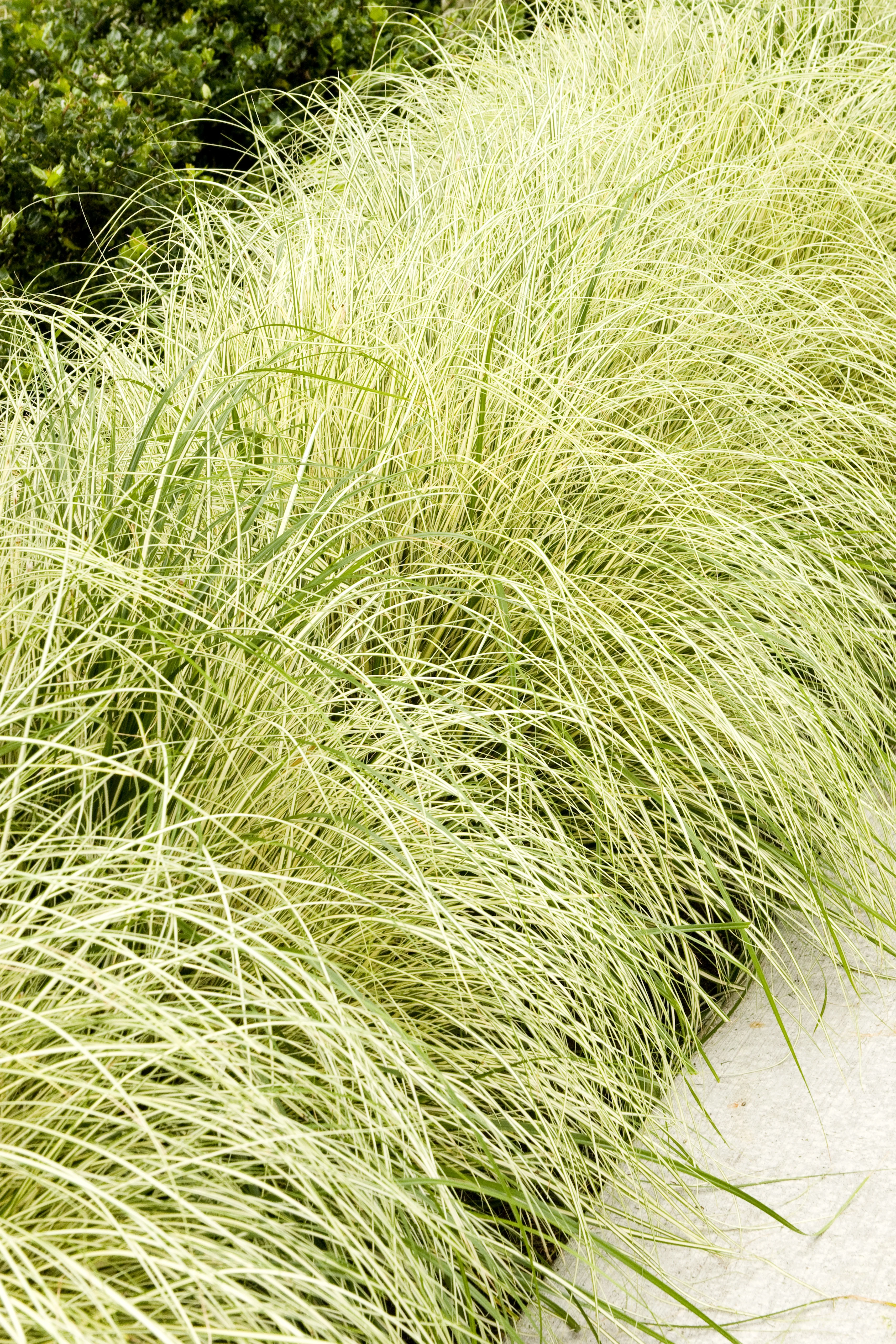
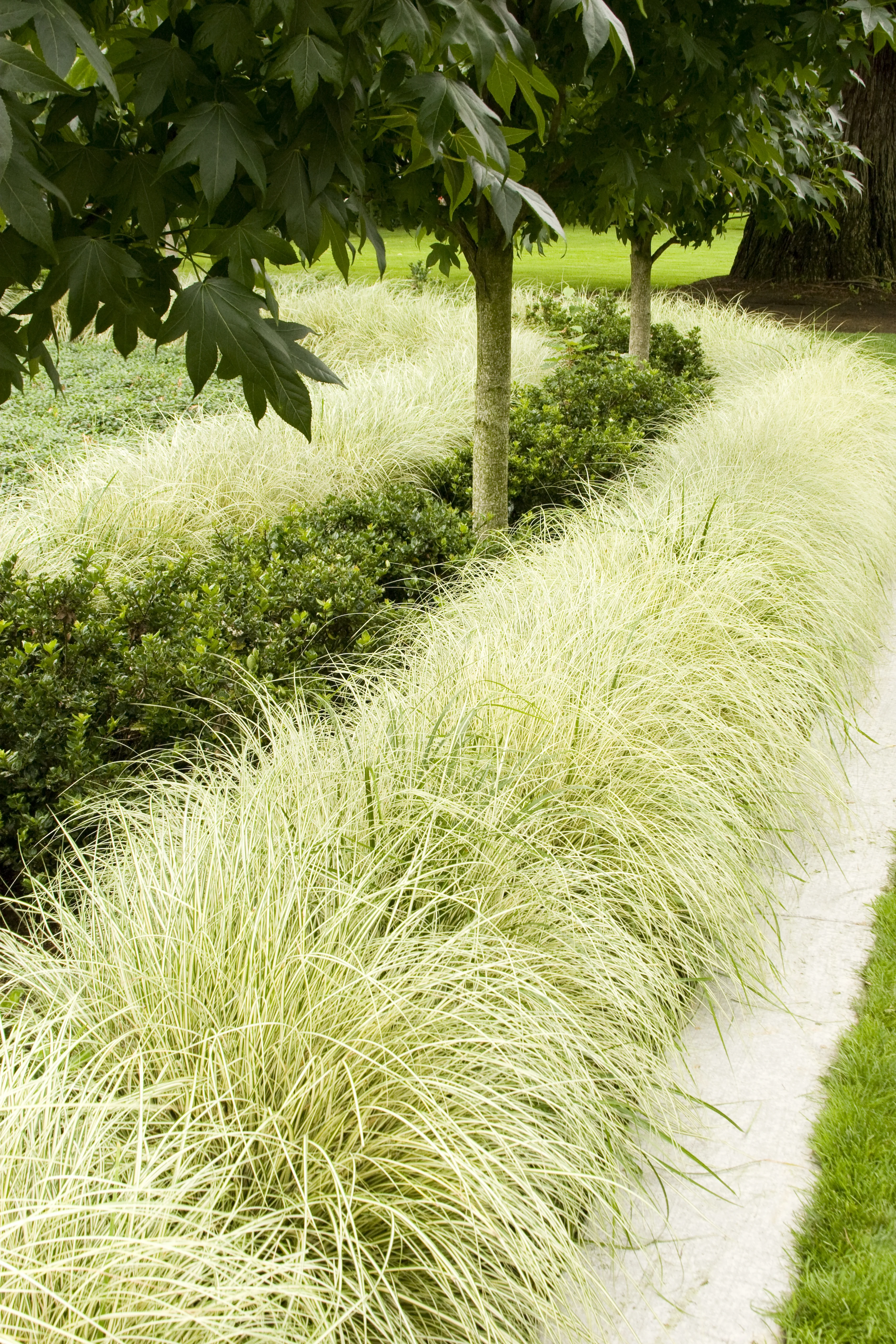
| Description | An attractive, mounding, ornamental grass with stiff, lustrous green and creamy white striped blades. Creates a great low border or groundcover, and adds a wonderful effect near ponds and water gardens. A charming accent in containers and rock gardens. Grows in moist areas, thriving at a pond's edge. Evergreen. |
|---|---|
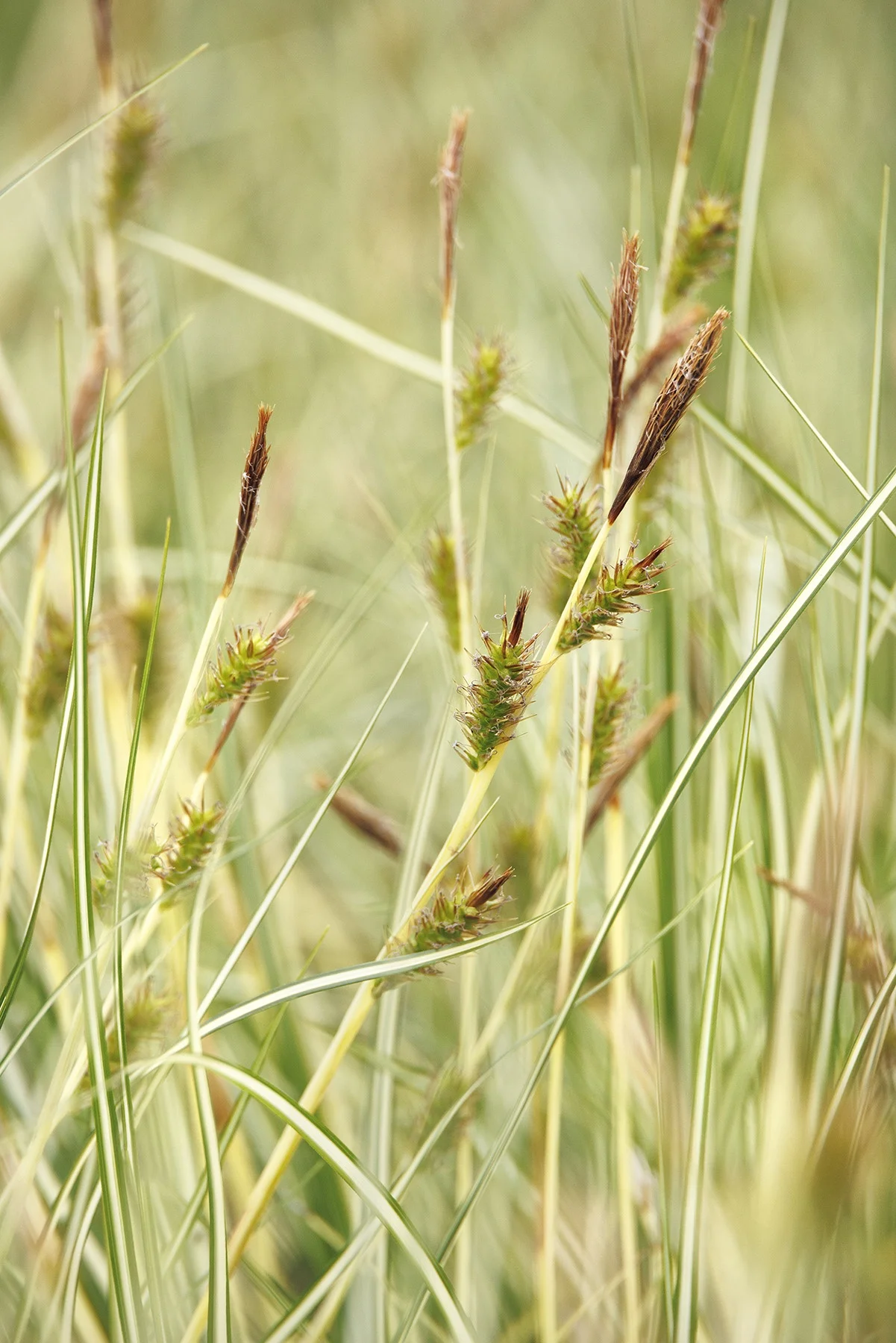
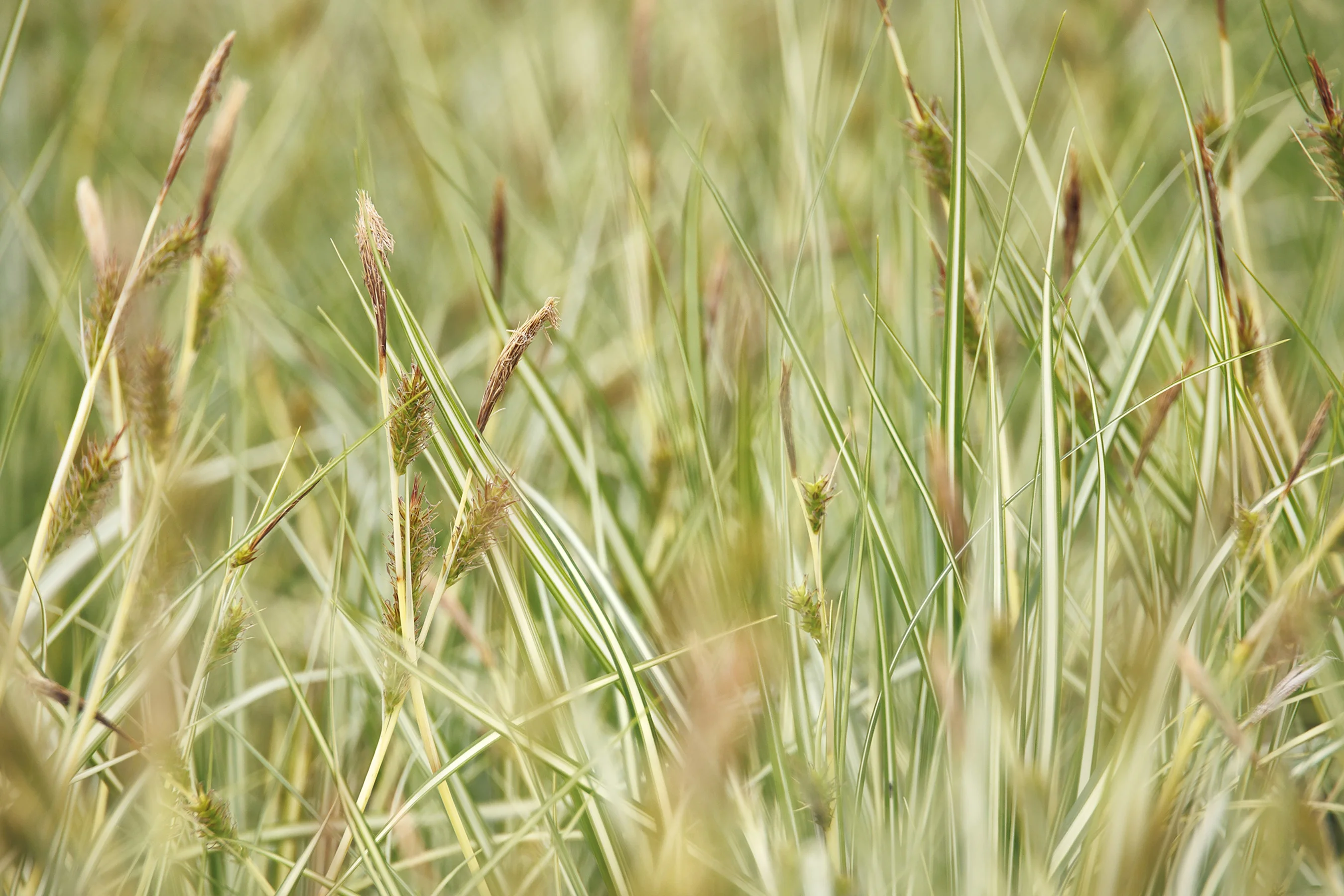
| Bloom Time | Inconspicuous; prized for foliage. |
| Deciduous/Evergreen | Evergreen |
| Special Features | Dramatic Foliage Color, Easy Care |
| Problems/Solutions | Deer Resistant, Erosion Control, Rabbit Resistant, Very Wet Areas |
| Growth Rate | Moderate |
| Growth Habit | Clumping |
| Landscape Use | Border, Container, Ground Cover, Edging |
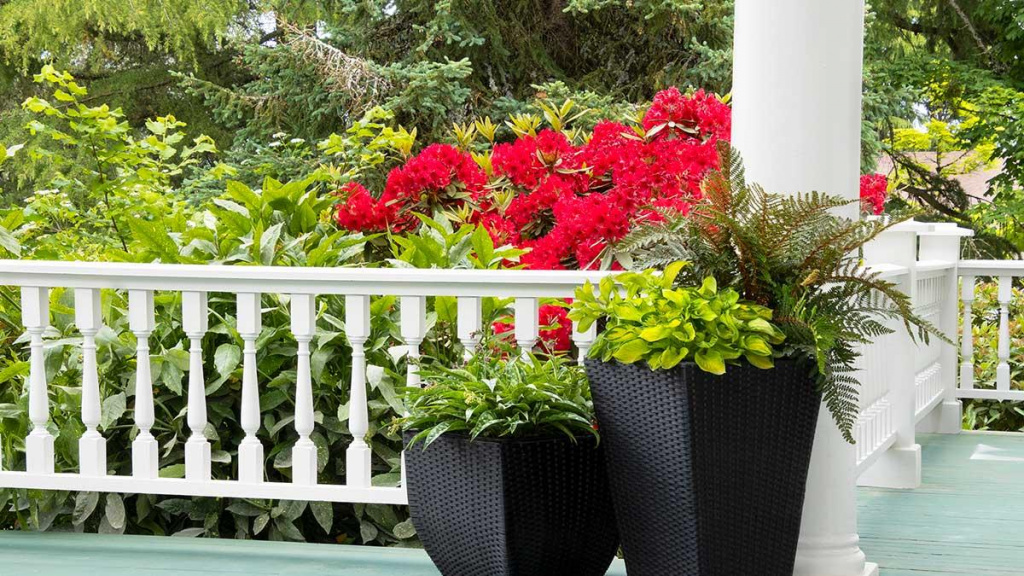
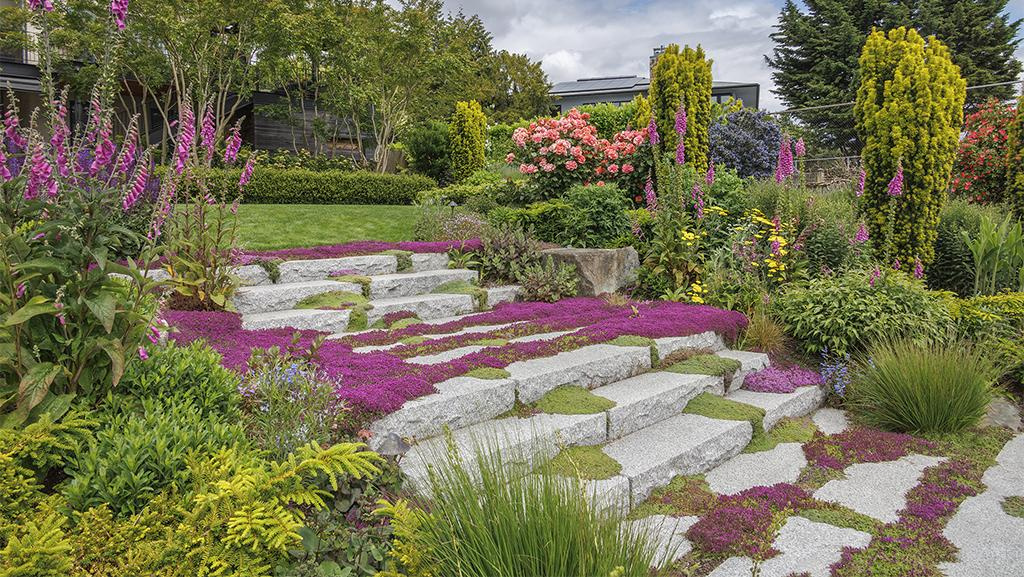
| Design Ideas | Plant in a shady, moist location with other water loving perennials and shrubs. Attractive addition to low lying wetlands, streambeds, or near ponds and water features. Variegated foliage will brighten those low lying, shady areas of your garden or add interest to an Asian inspired design. |
| Flower Color | Brown |
| Foliage Color | Variegated |
| Companion Plants | Forsythia (Forsythia); Dogwood (Cornus); Clethra (Clethra); Bee Balm (Monarda); Turtlehead (Chelone) |
| Care Instructions | Thrives in enriched, loamy, moist, well-drained soils. Tolerates sun in cool coastal settings; site in part sun or dappled shade elsewhere. Water deeply, regularly in first growing season to establish root system; once established, maintain evenly moist soil. For a neat appearance, remove old, faded foliage before new leaves emerge. |
| History | Carex is a genus of plants commonly known as true sedges. There are thousands of species of Carex distributed all over the world. Japanese sedge is native to southeastern Asia and was first found in the United States in 1929. |
Details
| Description | An attractive, mounding, ornamental grass with stiff, lustrous green and creamy white striped blades. Creates a great low border or groundcover, and adds a wonderful effect near ponds and water gardens. A charming accent in containers and rock gardens. Grows in moist areas, thriving at a pond's edge. Evergreen. |
|---|---|
| Bloom Time | Inconspicuous; prized for foliage. |
| Deciduous/Evergreen | Evergreen |
| Special Features | Dramatic Foliage Color, Easy Care |
| Problems/Solutions | Deer Resistant, Erosion Control, Rabbit Resistant, Very Wet Areas |
| Growth Rate | Moderate |
| Growth Habit | Clumping |
Style
| Landscape Use | Border, Container, Ground Cover, Edging |
|---|---|
| Design Ideas | Plant in a shady, moist location with other water loving perennials and shrubs. Attractive addition to low lying wetlands, streambeds, or near ponds and water features. Variegated foliage will brighten those low lying, shady areas of your garden or add interest to an Asian inspired design. |
| Flower Color | Brown |
| Foliage Color | Variegated |
| Companion Plants | Forsythia (Forsythia); Dogwood (Cornus); Clethra (Clethra); Bee Balm (Monarda); Turtlehead (Chelone) |
Care
| Care Instructions | Thrives in enriched, loamy, moist, well-drained soils. Tolerates sun in cool coastal settings; site in part sun or dappled shade elsewhere. Water deeply, regularly in first growing season to establish root system; once established, maintain evenly moist soil. For a neat appearance, remove old, faded foliage before new leaves emerge. |
|---|
History
| History | Carex is a genus of plants commonly known as true sedges. There are thousands of species of Carex distributed all over the world. Japanese sedge is native to southeastern Asia and was first found in the United States in 1929. |
|---|
Retailers Near You
About Us
We have been pioneers and craftsmen in the art of growing plants for 100 years. Since our founding in Southern California by Harry E. Rosedale, Sr. in 1926, we have been absolutely dedicated and obsessed with quality.
We have been pioneers and craftsmen in the art of growing plants for nearly 100 years. Since our founding in Southern California by Harry E. Rosedale, Sr. in 1926, we have been absolutely dedicated and obsessed with quality.