
You're growing in this Zip Code:
Change LocationDiscover Plants for Your Area
Variegated Moor Grass
Molinia caerulea 'Variegata'
Pronunciation: mo-LIN-i-a see-ROO-lee-uh
SKU #06170
LIGHT:
Full sun, Partial sun
WATER:
Keep soil surface moist, but not soggy.
SIZE:
Moderate growing; reaches 12 to 18 in. tall and wide.

Retailers Near You
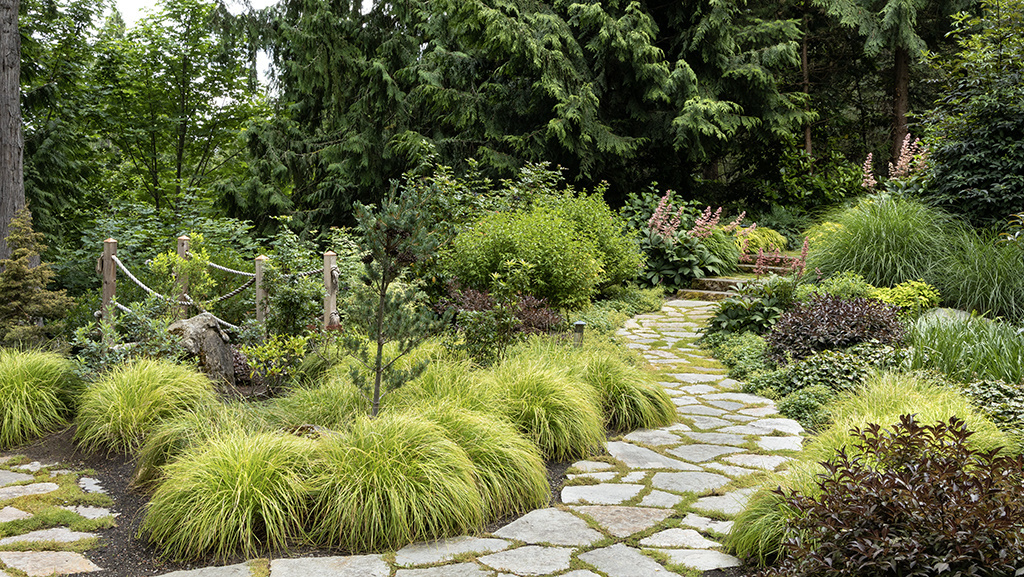

| Description | Highly ornamental clumps of green and creamy white striped blades, perfect for a continuous display as edging or a groundcover. Dainty spikes of gold flowers from late summer to fall. Grows in full sun in cool climates; best with some shade in hot, dry locations. |
|---|---|
| Bloom Time | Midsummer to fall, persisting into winter. |
| Deciduous/Evergreen | Herbaceous |
| Special Features | Easy Care, Benefits Birds |
| Problems/Solutions | Deer Resistant |
| Growth Rate | Moderate |
| Growth Habit | Clumping |
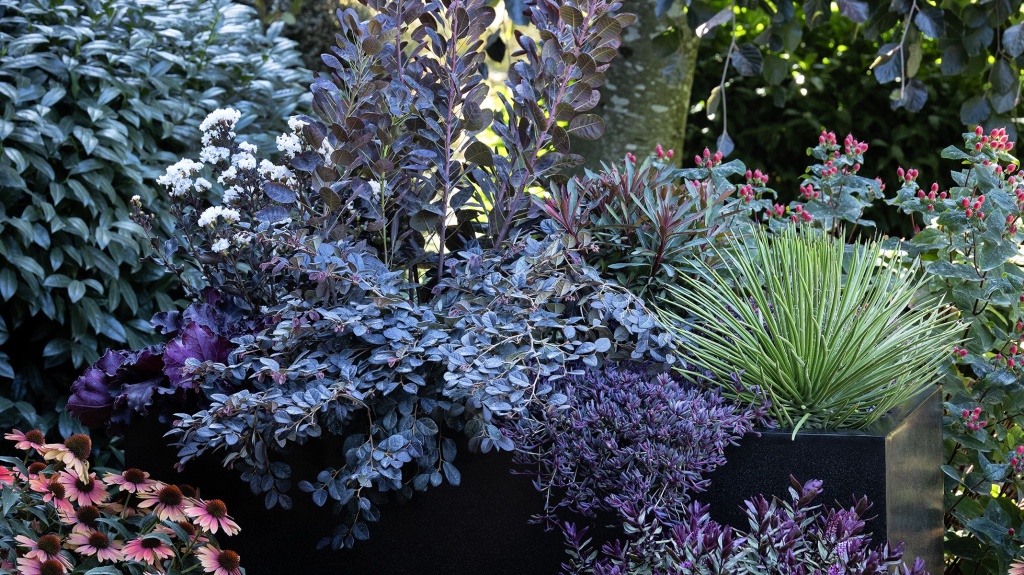
| Landscape Use | Container, Ground Cover, Edging |
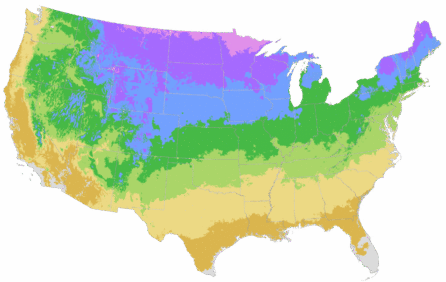
| Design Ideas | With its preference for acid soils, this Grass is ideal for the Pacific Northwest and Deep South. A great accent for the front of the border, or gang it around the edges of planters for a soft transition. Relaxed and sprawling, this Grass creates soft patches in wild gardens. Also attractive in sunny spots of shade gardens under conifers, where soil is acidic enough. Also does well on banks and borders. Short stature makes it good for city conditions. |
| Flower Color | Purple |
| Foliage Color | Variegated |
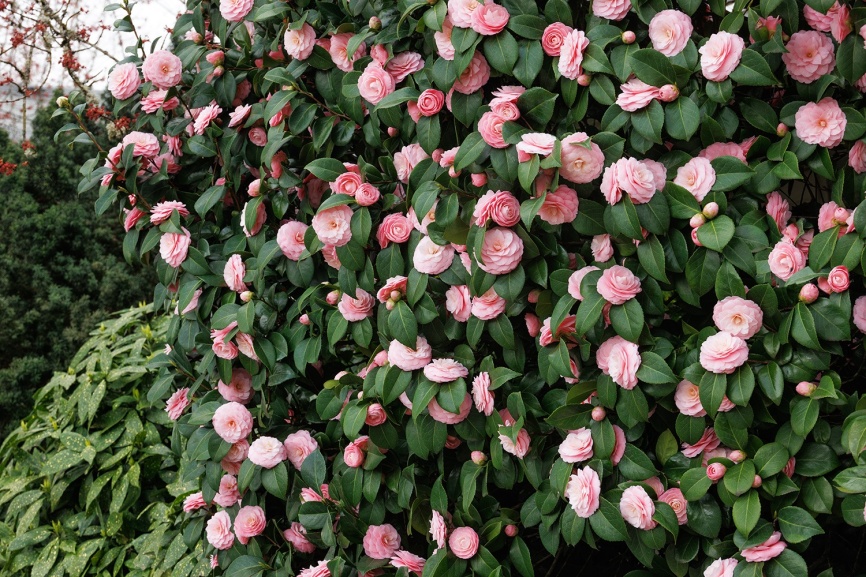
| Companion Plants | Camellia (Camellia); Rhododendron (Rhododendron); Daylily (Hemerocallis); Hydrangea (Hydrangea macrophylla); Crape Myrtle (Lagerstroemia) |
| Care Instructions | Provide enriched, moist, neutral to acidic soil. Water deeply, regularly during the first growing season to establish root system; once established, maintain evenly moist soil. Provide some shade and ample water in hot, arid locations. Remove old, faded foliage before new leaves emerge. Divide clumps every 2 to 3 years in early spring. |
| History | The genus for moor grass was named for Juan Molina (1740-1829), an authority on the natural history of Chile. The species are found in wet moorlands and heaths of the Old World from Europe to Japan. This is the only ornamental species. |
| Lore | Moor grass was used for thatching and straw for livestock in early agricultural communities of northern Europe. |
Details
| Description | Highly ornamental clumps of green and creamy white striped blades, perfect for a continuous display as edging or a groundcover. Dainty spikes of gold flowers from late summer to fall. Grows in full sun in cool climates; best with some shade in hot, dry locations. |
|---|---|
| Bloom Time | Midsummer to fall, persisting into winter. |
| Deciduous/Evergreen | Herbaceous |
| Special Features | Easy Care, Benefits Birds |
| Problems/Solutions | Deer Resistant |
| Growth Rate | Moderate |
| Growth Habit | Clumping |
Style
| Landscape Use | Container, Ground Cover, Edging |
|---|---|
| Design Ideas | With its preference for acid soils, this Grass is ideal for the Pacific Northwest and Deep South. A great accent for the front of the border, or gang it around the edges of planters for a soft transition. Relaxed and sprawling, this Grass creates soft patches in wild gardens. Also attractive in sunny spots of shade gardens under conifers, where soil is acidic enough. Also does well on banks and borders. Short stature makes it good for city conditions. |
| Flower Color | Purple |
| Foliage Color | Variegated |
| Companion Plants | Camellia (Camellia); Rhododendron (Rhododendron); Daylily (Hemerocallis); Hydrangea (Hydrangea macrophylla); Crape Myrtle (Lagerstroemia) |
Care
| Care Instructions | Provide enriched, moist, neutral to acidic soil. Water deeply, regularly during the first growing season to establish root system; once established, maintain evenly moist soil. Provide some shade and ample water in hot, arid locations. Remove old, faded foliage before new leaves emerge. Divide clumps every 2 to 3 years in early spring. |
|---|
History
| History | The genus for moor grass was named for Juan Molina (1740-1829), an authority on the natural history of Chile. The species are found in wet moorlands and heaths of the Old World from Europe to Japan. This is the only ornamental species. |
|---|---|
| Lore | Moor grass was used for thatching and straw for livestock in early agricultural communities of northern Europe. |
Retailers Near You
About Us
We have been pioneers and craftsmen in the art of growing plants for 100 years. Since our founding in Southern California by Harry E. Rosedale, Sr. in 1926, we have been absolutely dedicated and obsessed with quality.
We have been pioneers and craftsmen in the art of growing plants for nearly 100 years. Since our founding in Southern California by Harry E. Rosedale, Sr. in 1926, we have been absolutely dedicated and obsessed with quality.