
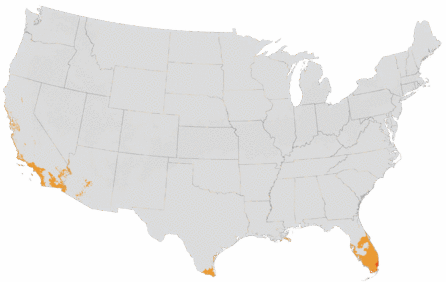
You're growing in this Zip Code:
Change LocationDiscover Plants for Your Area
White Fragrant Himalayan Champaca
Michelia champaca 'Alba'
Pronunciation: my-KEE-lee-a CHAM-pac-a
SKU #06138
LIGHT:
Full sun
WATER:
Water when top 2 inches of soil is dry.
SIZE:
Slow grower to 25 to 30 ft. tall and wide.

Retailers Near You
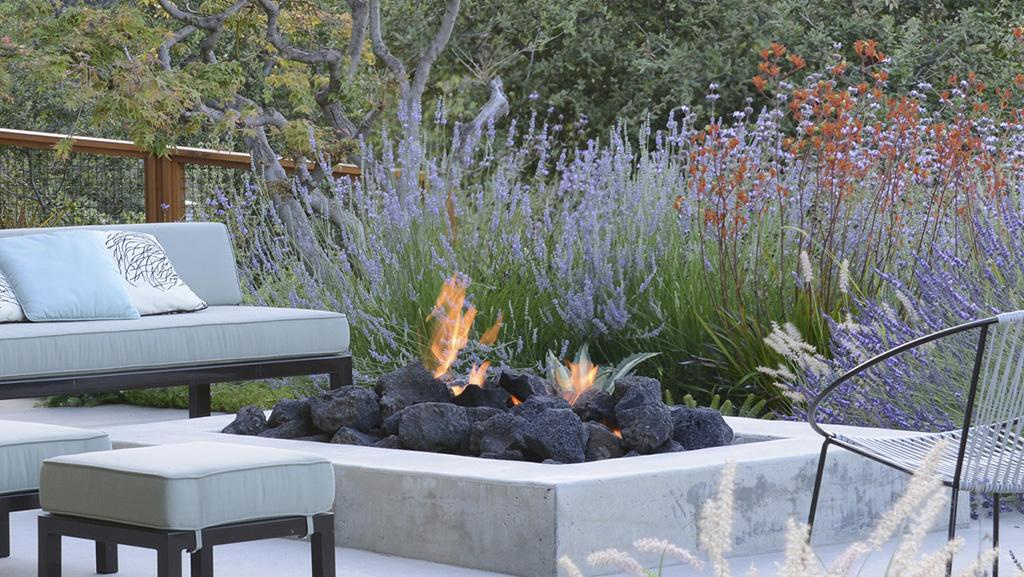
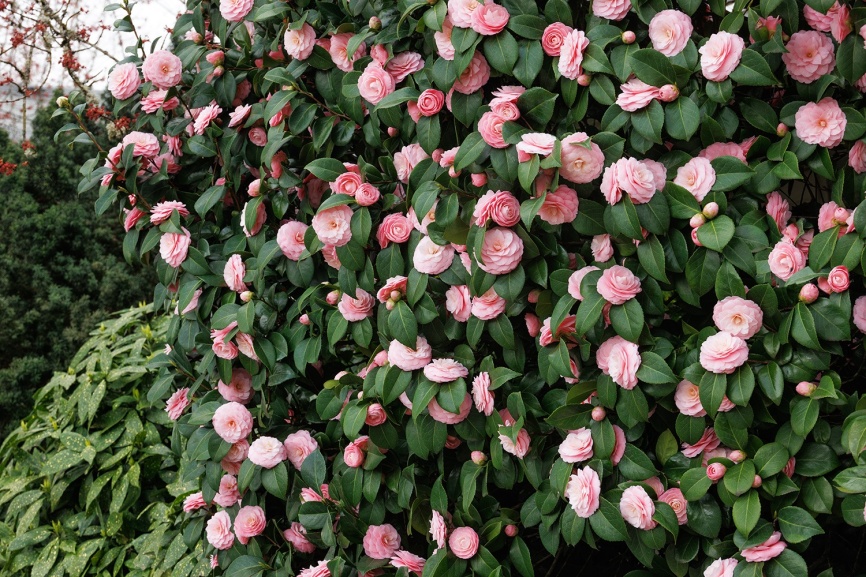
Be Inspired: How to Use this Plant
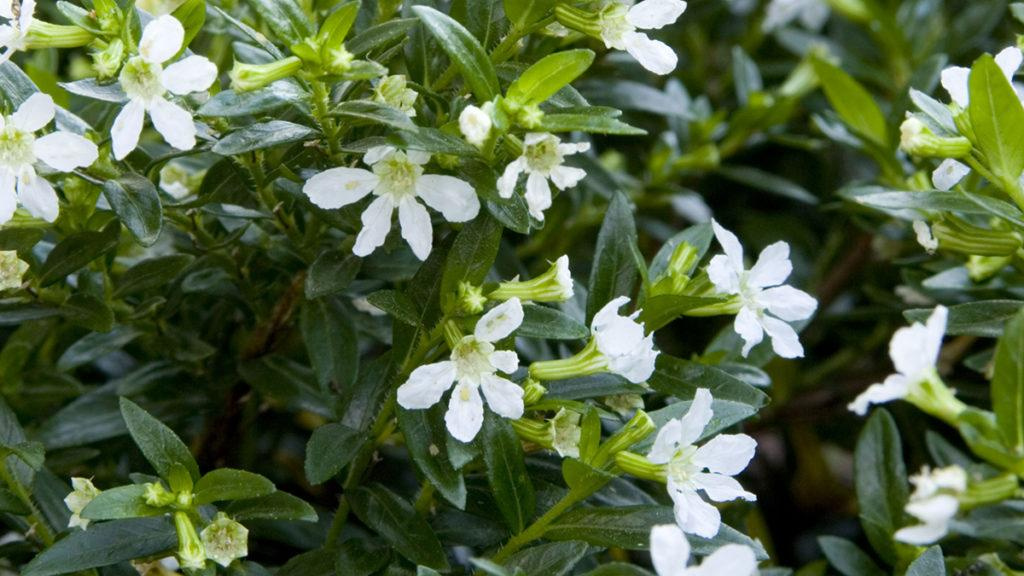

| Description | Excellent ornamental tree displays an abundance of extremely fragrant white flowers over a long season. Matures to a bold, broad form. Terrific specimen for yard or garden. Evergreen. |
|---|---|
| Bloom Time | Mid-winter through spring |
| Deciduous/Evergreen | Evergreen |
| Special Features | Easy Care |
| Growth Rate | Slow |
| Growth Habit | Upright |
| Flower Attributes | Fragrant, Showy Flowers |
| Landscape Use | Container |
| Design Ideas | This great white flowering shrub is primarily used as a natural hedge or screen. Large enough to block out views of unsightly adjacent land uses and even cloak unsavory odors with its fragrant flowers. Works well in sideyards to divide multistory homes with foliage. May even have some sound attenuation benefits when used streetside to mitigate taffic noise. It also serves as excellent evergreen background for large garden features such as a palapa or gazebo. |
| Flower Color | White |
| Foliage Color | Green |
| Companion Plants | Group this shrub with big bold tropicals such as Flamenco Flame Double Hibiscus, (Hibiscus rosa-sinensis 'MonHope'), Strawberry Lemonade Variegated Mandevilla, (Mandevilla sanderi 'MonProud'), Sunny Daze Paraguay Nightshade, (Solanum rantonnetti 'MonRita') and Abyssinian Banana, (Ensete ventricosum). |
| Care Instructions | Follow a regular watering schedule during the first growing season to establish a deep, extensive root system. Watering can be reduced after establishment. Feed with a general purpose fertilizer before new growth begins in spring. |
| History | This plant is grouped into a genus of about 45 Asian trees and shrubs that are closely related to the genus Magnolia. It was named after the Italian botanist Peter A. Michel, 1679-1737. This species is native to the Himalayan regions of northern India and southern China. There it is commonly called "fragrant" champaca because its scented flowers are legendary and harvested for the perfume industry. |
| Lore | In India the champaca flowers are a valuable crop grown for the perfume industry. |
Details
| Description | Excellent ornamental tree displays an abundance of extremely fragrant white flowers over a long season. Matures to a bold, broad form. Terrific specimen for yard or garden. Evergreen. |
|---|---|
| Bloom Time | Mid-winter through spring |
| Deciduous/Evergreen | Evergreen |
| Special Features | Easy Care |
| Growth Rate | Slow |
| Growth Habit | Upright |
| Flower Attributes | Fragrant, Showy Flowers |
Style
| Landscape Use | Container |
|---|---|
| Design Ideas | This great white flowering shrub is primarily used as a natural hedge or screen. Large enough to block out views of unsightly adjacent land uses and even cloak unsavory odors with its fragrant flowers. Works well in sideyards to divide multistory homes with foliage. May even have some sound attenuation benefits when used streetside to mitigate taffic noise. It also serves as excellent evergreen background for large garden features such as a palapa or gazebo. |
| Flower Color | White |
| Foliage Color | Green |
| Companion Plants | Group this shrub with big bold tropicals such as Flamenco Flame Double Hibiscus, (Hibiscus rosa-sinensis 'MonHope'), Strawberry Lemonade Variegated Mandevilla, (Mandevilla sanderi 'MonProud'), Sunny Daze Paraguay Nightshade, (Solanum rantonnetti 'MonRita') and Abyssinian Banana, (Ensete ventricosum). |
Care
| Care Instructions | Follow a regular watering schedule during the first growing season to establish a deep, extensive root system. Watering can be reduced after establishment. Feed with a general purpose fertilizer before new growth begins in spring. |
|---|
History
| History | This plant is grouped into a genus of about 45 Asian trees and shrubs that are closely related to the genus Magnolia. It was named after the Italian botanist Peter A. Michel, 1679-1737. This species is native to the Himalayan regions of northern India and southern China. There it is commonly called "fragrant" champaca because its scented flowers are legendary and harvested for the perfume industry. |
|---|---|
| Lore | In India the champaca flowers are a valuable crop grown for the perfume industry. |
Retailers Near You
About Us
We have been pioneers and craftsmen in the art of growing plants for 100 years. Since our founding in Southern California by Harry E. Rosedale, Sr. in 1926, we have been absolutely dedicated and obsessed with quality.
We have been pioneers and craftsmen in the art of growing plants for nearly 100 years. Since our founding in Southern California by Harry E. Rosedale, Sr. in 1926, we have been absolutely dedicated and obsessed with quality.