
You're growing in this Zip Code:
Discover Plants for Your Area
White Gem Gardenia
Gardenia jasminoides 'White Gem'
Pronunciation: gar-DEEN-ee-uh jas-min-NOY-deez
SKU #03794
LIGHT:
Full sun, Partial sun
WATER:
Keep soil moist, but never soggy.
SIZE:
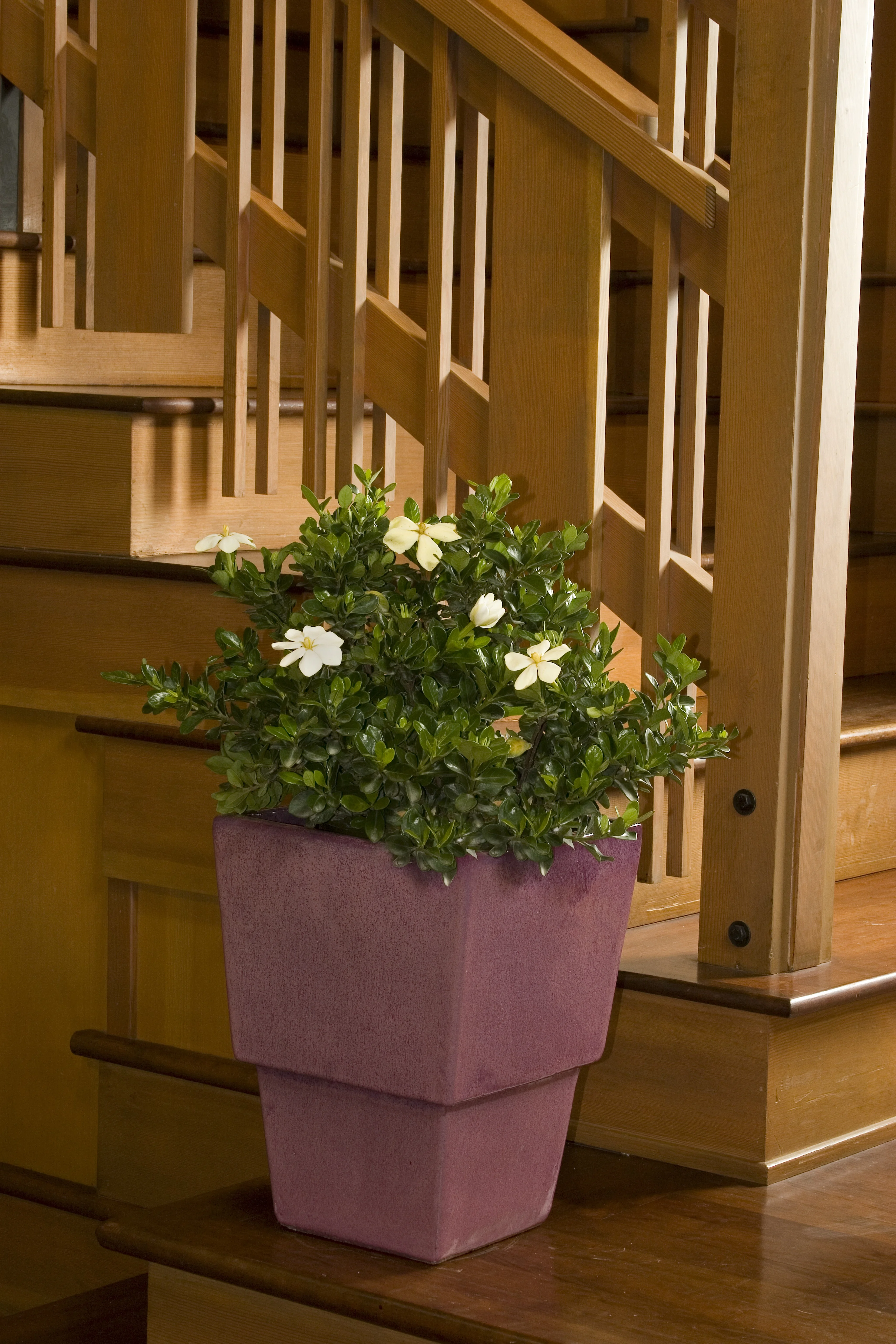
Slow growing; reaches only 1 to 2 ft. tall and wide.

Retailers Near You
Ready to Grow?
Ship Monrovia plants directly to your door. Browse a curated selection available online.
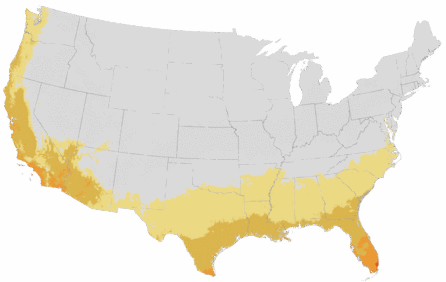
Shop Now >This Plant's Growing Zones: 8-11
Your USDA Cold Hardiness Zone:
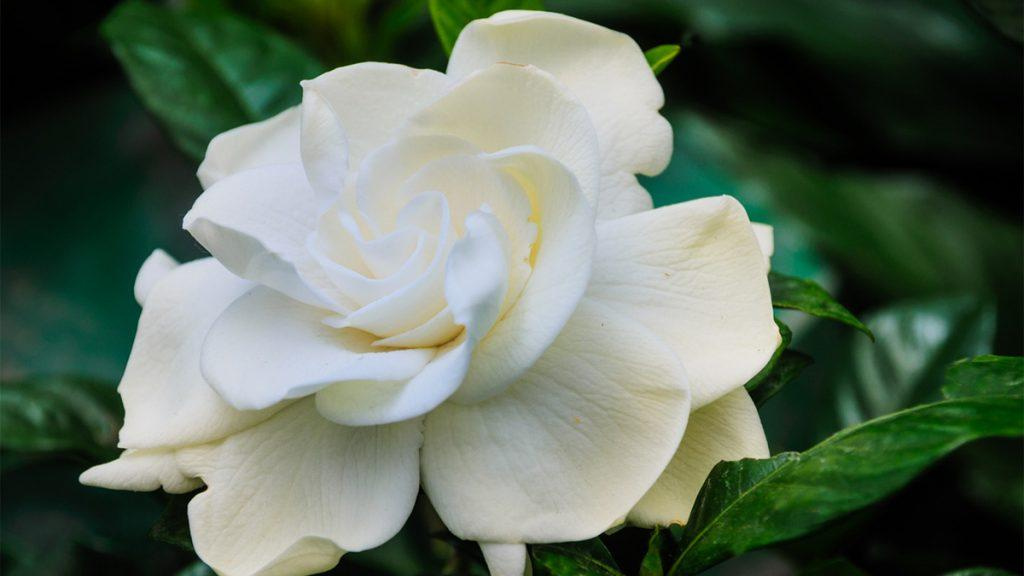

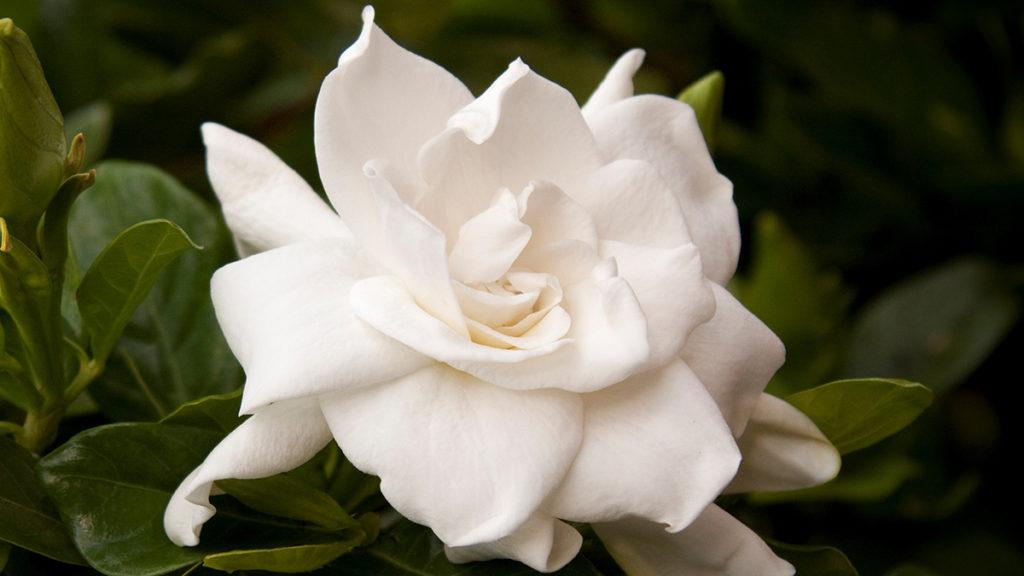
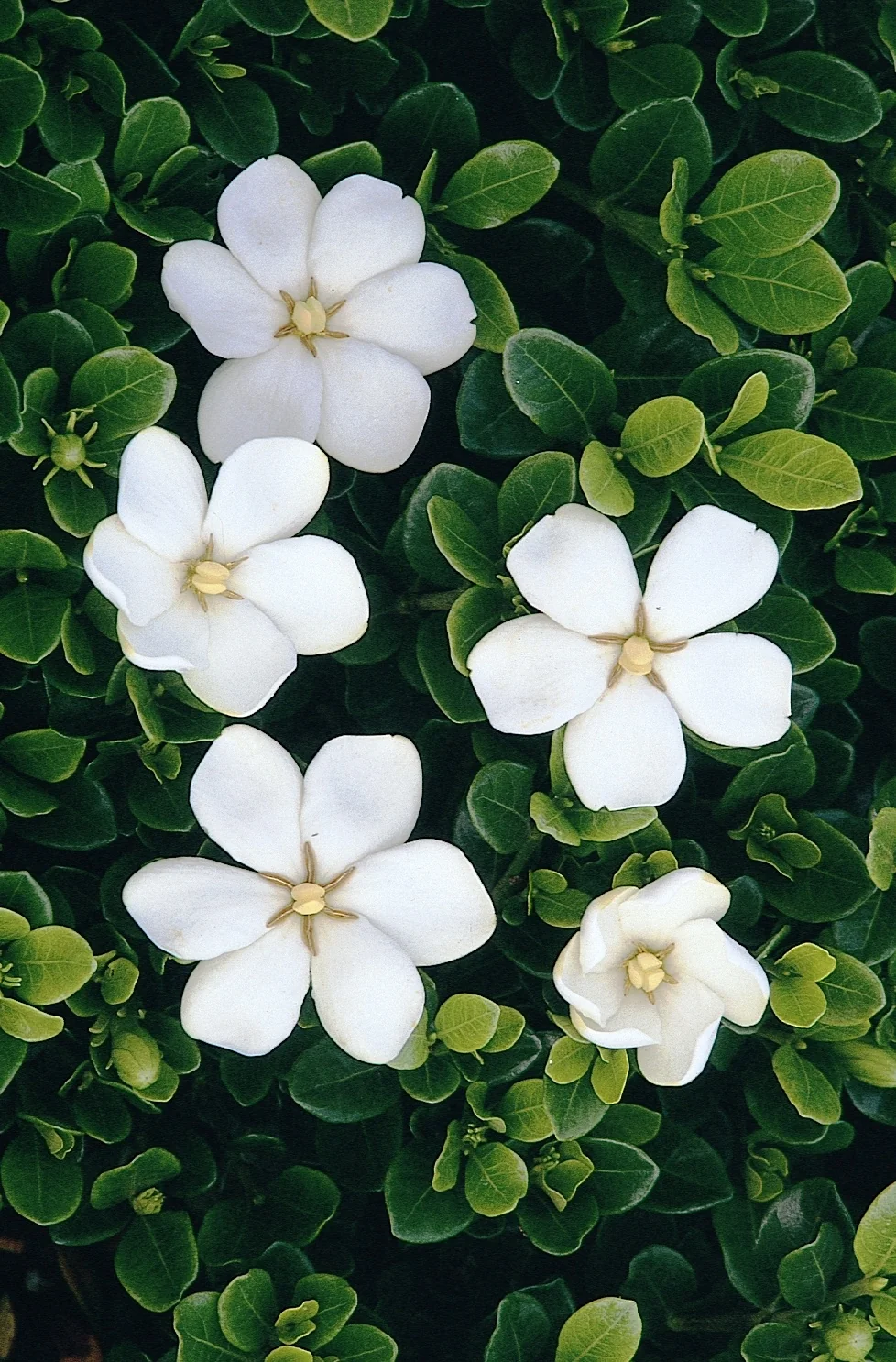
| Description | The sweet fragrance of gardenias in a versatile dwarf shrub, perfect for small spaces. Great in containers, raised beds and in the foreground of borders. Adorned with star-like flowers, each with six pure white petals, whorled around pale yellow centers. Evergreen. |
|---|---|
| Bloom Time | Late spring into summer |
| Deciduous/Evergreen | Evergreen |
| Special Features | Easy Care, Attracts Pollinators, Compact Form |
| Problems/Solutions | Deer Resistant |
| Growth Rate | Slow |
| Growth Habit | Rounded |
| Flower Attributes | Flowers for Cutting, Fragrant, Showy Flowers |
| Landscape Use | Border, Container, Hedge |
| Design Ideas | This is an excellent needlepoint gardening plant that allows heady fragrance in the smallest of gardens. Let it fill in seatwall-height planters under exotic taller plants, spread around stepping stones or mound to cloak the stand pipe of a hose bib. |
| Flower Color | White |
| Foliage Color | Green |
| Companion Plants | Azalea (Azalea); Camellia (Camellia); Daphne (Daphne); Fuchsia (Fuchsia); Agapanthus (Agapanthus) |
| Care Instructions | Thrives in organically rich, slightly acidic, well-drained soils. Handle with care when transplanting; gardenia roots are best undisturbed. Water deeply and regularly during the first growing season to establish an extensive root system. Feed with an acid fertilizer after bloom. Keep roots cool with a thick layer of mulch. |
| Lore | The gardenia is a native of China where it has been cultivated for over a thousand years. In the Victorian language of flowers the gardenia came to symbolize secret love. Gardenia plants reached America directly from Asia in 1761. John Ellis cultivated them first at his South Carolina plantation. These would be the progenitor for all gardenias in England. Ellis named the genus for his friend, Dr. Alexander Garden, a physician of Charleston. Its chief propose for early cultivation was for the cut flower industry as a heavy fragrance corsage. |
Details
| Description | The sweet fragrance of gardenias in a versatile dwarf shrub, perfect for small spaces. Great in containers, raised beds and in the foreground of borders. Adorned with star-like flowers, each with six pure white petals, whorled around pale yellow centers. Evergreen. |
|---|---|
| Bloom Time | Late spring into summer |
| Deciduous/Evergreen | Evergreen |
| Special Features | Easy Care, Attracts Pollinators, Compact Form |
| Problems/Solutions | Deer Resistant |
| Growth Rate | Slow |
| Growth Habit | Rounded |
| Flower Attributes | Flowers for Cutting, Fragrant, Showy Flowers |
Style
| Landscape Use | Border, Container, Hedge |
|---|---|
| Design Ideas | This is an excellent needlepoint gardening plant that allows heady fragrance in the smallest of gardens. Let it fill in seatwall-height planters under exotic taller plants, spread around stepping stones or mound to cloak the stand pipe of a hose bib. |
| Flower Color | White |
| Foliage Color | Green |
| Companion Plants | Azalea (Azalea); Camellia (Camellia); Daphne (Daphne); Fuchsia (Fuchsia); Agapanthus (Agapanthus) |
Care
| Care Instructions | Thrives in organically rich, slightly acidic, well-drained soils. Handle with care when transplanting; gardenia roots are best undisturbed. Water deeply and regularly during the first growing season to establish an extensive root system. Feed with an acid fertilizer after bloom. Keep roots cool with a thick layer of mulch. |
|---|
History
| Lore | The gardenia is a native of China where it has been cultivated for over a thousand years. In the Victorian language of flowers the gardenia came to symbolize secret love. Gardenia plants reached America directly from Asia in 1761. John Ellis cultivated them first at his South Carolina plantation. These would be the progenitor for all gardenias in England. Ellis named the genus for his friend, Dr. Alexander Garden, a physician of Charleston. Its chief propose for early cultivation was for the cut flower industry as a heavy fragrance corsage. |
|---|
Retailers Near You
About Us
We have been pioneers and craftsmen in the art of growing plants for 100 years. Since our founding in Southern California by Harry E. Rosedale, Sr. in 1926, we have been absolutely dedicated and obsessed with quality.
We have been pioneers and craftsmen in the art of growing plants for nearly 100 years. Since our founding in Southern California by Harry E. Rosedale, Sr. in 1926, we have been absolutely dedicated and obsessed with quality.