
You're growing in this Zip Code:
Change LocationDiscover Plants for Your Area
Wine Common Periwinkle
Vinca minor 'Atropurpurea'
Pronunciation: VING-ka MI-nor at-ro-pur-PUR-ee-uh
SKU #07608
LIGHT:
Filtered sun, Full shade, Partial shade
WATER:
Water when top 2 inches of soil is dry.
SIZE:
Creates a mat 6 in. tall, spreading 2 to 3 ft. wide.

Retailers Near You
Ready to Grow?
Ship Monrovia plants directly to your door. Browse a curated selection available online.
Shop Now >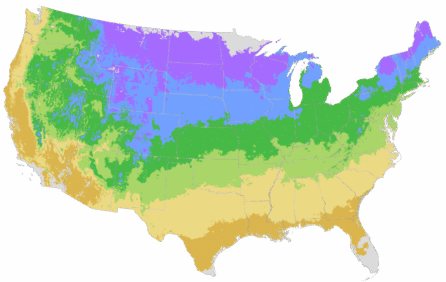
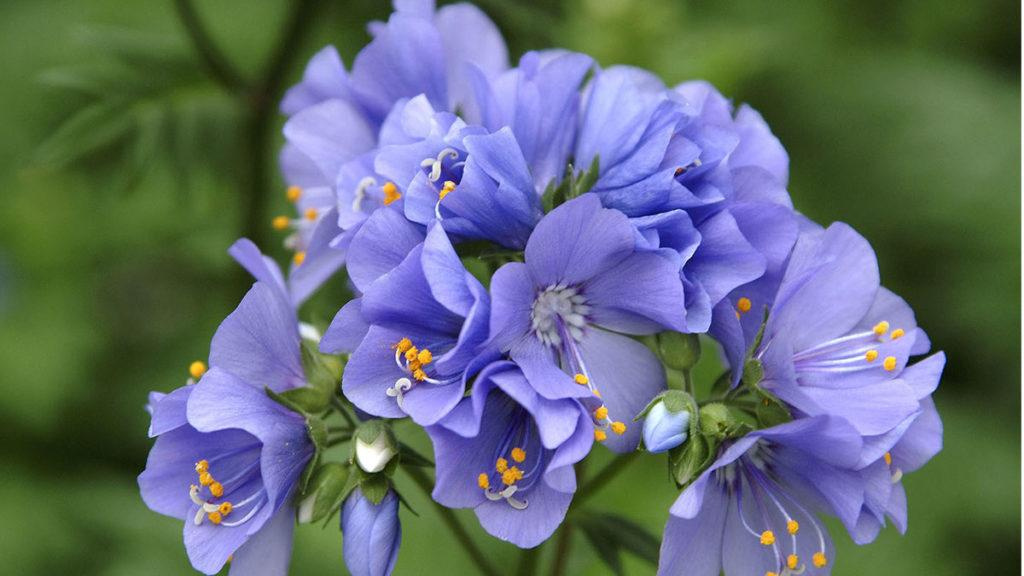
| Description | A lush, trailing ground cover that thrives in the deepest of shade. Unique deep purple to magenta colored blossoms appear above lustrous green foliage. This evergreen perennial is perfect for planting beneath tree canopies, or cascading over a low wall or container. |
|---|---|
| Bloom Time | Spring |
| Deciduous/Evergreen | Evergreen |
| Special Features | Waterwise, Compact Form |
| Problems/Solutions | Deer Resistant, Erosion Control, Rabbit Resistant, Very Wet Areas |
| Growth Rate | Moderate |
| Flower Attributes | Showy Flowers |
| Landscape Use | Border, Container, Ground Cover |
| Design Ideas | The luxurious trailing form of this evergreen vine looks fabulous hanging over a low wall or edge of a container. Makes a vigorous groundcover for sheltered locations beneath tree canopies and banks where it will force out weeds. Capable of weaving itself through rocky outcroppings and for covering up mortar at rock waterfalls or pools. Truly romantic addition to sparse old shrub borders and north side foundation planting. |
| Flower Color | Purple |
| Foliage Color | Green |
| Companion Plants | Japanese Spurge (Pachysandra); Hosta (Hosta); Lungwort (Pulmonaria); Bleeding Heart (Dicentra); Brunnera (Brunnera) |
| Care Instructions | Highly adaptable; prefers enriched, neutral to slightly acidic, well-drained soil. Takes sun to shade in northern zones; needs shade in hot southern areas. Water regularly the first growing season to establish a deep, extensive root system; less often, once established. As a groundcover, space plants 3-5 ft. apart. Control weeds with mulch until plants fill in. |
| History | This plant falls into the Apocynaceae. The genus was named from the Latin vernacular for the plant. Genus vinca contains about 12 species of trailing plants all native to the Old World. Also known as running myrtle, the plants are associated with Roman garlands and were spread with the empire. In some warmer regions of the U.S. this plant has naturalized and may be considered invasive. |
| Lore | During the middle ages it was worn by the condemned on their way to execution. |
Details
| Description | A lush, trailing ground cover that thrives in the deepest of shade. Unique deep purple to magenta colored blossoms appear above lustrous green foliage. This evergreen perennial is perfect for planting beneath tree canopies, or cascading over a low wall or container. |
|---|---|
| Bloom Time | Spring |
| Deciduous/Evergreen | Evergreen |
| Special Features | Waterwise, Compact Form |
| Problems/Solutions | Deer Resistant, Erosion Control, Rabbit Resistant, Very Wet Areas |
| Growth Rate | Moderate |
| Flower Attributes | Showy Flowers |
Style
| Landscape Use | Border, Container, Ground Cover |
|---|---|
| Design Ideas | The luxurious trailing form of this evergreen vine looks fabulous hanging over a low wall or edge of a container. Makes a vigorous groundcover for sheltered locations beneath tree canopies and banks where it will force out weeds. Capable of weaving itself through rocky outcroppings and for covering up mortar at rock waterfalls or pools. Truly romantic addition to sparse old shrub borders and north side foundation planting. |
| Flower Color | Purple |
| Foliage Color | Green |
| Companion Plants | Japanese Spurge (Pachysandra); Hosta (Hosta); Lungwort (Pulmonaria); Bleeding Heart (Dicentra); Brunnera (Brunnera) |
Care
| Care Instructions | Highly adaptable; prefers enriched, neutral to slightly acidic, well-drained soil. Takes sun to shade in northern zones; needs shade in hot southern areas. Water regularly the first growing season to establish a deep, extensive root system; less often, once established. As a groundcover, space plants 3-5 ft. apart. Control weeds with mulch until plants fill in. |
|---|
History
| History | This plant falls into the Apocynaceae. The genus was named from the Latin vernacular for the plant. Genus vinca contains about 12 species of trailing plants all native to the Old World. Also known as running myrtle, the plants are associated with Roman garlands and were spread with the empire. In some warmer regions of the U.S. this plant has naturalized and may be considered invasive. |
|---|---|
| Lore | During the middle ages it was worn by the condemned on their way to execution. |
Frequently asked questions
Does Wine Common Periwinkle produce flowers?
Spring
Is Wine Common Periwinkle evergreen or deciduous?
Wine Common Periwinkle is Evergreen.
What are the special features of Wine Common Periwinkle?
Wine Common Periwinkle is Waterwise, Compact Form.
Is Wine Common Periwinkle resistant to pests or animals?
Deer Resistant, Erosion Control, Rabbit Resistant, Very Wet Areas
How fast does Wine Common Periwinkle grow?
Wine Common Periwinkle has a Moderate growth rate.
Where can I use Wine Common Periwinkle in my landscape?
Wine Common Periwinkle is suitable for: Border, Container, Ground Cover.
How can I use Wine Common Periwinkle in my garden design?
The luxurious trailing form of this evergreen vine looks fabulous hanging over a low wall or edge of a container. Makes a vigorous groundcover for sheltered locations beneath tree canopies and banks where it will force out weeds. Capable of weaving itself through rocky outcroppings and for covering up mortar at rock waterfalls or pools. Truly romantic addition to sparse old shrub borders and north side foundation planting.
What color are Wine Common Periwinkle flowers?
Wine Common Periwinkle produces Purple flowers.
What color is the foliage of Wine Common Periwinkle?
Wine Common Periwinkle has Green foliage.
What plants grow well with Wine Common Periwinkle?
Good companion plants for Wine Common Periwinkle include: Japanese Spurge (Pachysandra); Hosta (Hosta); Lungwort (Pulmonaria); Bleeding Heart (Dicentra); Brunnera (Brunnera).
How do I care for Wine Common Periwinkle?
Highly adaptable; prefers enriched, neutral to slightly acidic, well-drained soil. Takes sun to shade in northern zones; needs shade in hot southern areas. Water regularly the first growing season to establish a deep, extensive root system; less often, once established. As a groundcover, space plants 3-5 ft. apart. Control weeds with mulch until plants fill in.
What is the history of Wine Common Periwinkle?
This plant falls into the Apocynaceae. The genus was named from the Latin vernacular for the plant. Genus vinca contains about 12 species of trailing plants all native to the Old World. Also known as running myrtle, the plants are associated with Roman garlands and were spread with the empire. In some warmer regions of the U.S. this plant has naturalized and may be considered invasive.
Retailers Near You
About Us
We have been pioneers and craftsmen in the art of growing plants for 100 years. Since our founding in Southern California by Harry E. Rosedale, Sr. in 1926, we have been absolutely dedicated and obsessed with quality.
We have been pioneers and craftsmen in the art of growing plants for nearly 100 years. Since our founding in Southern California by Harry E. Rosedale, Sr. in 1926, we have been absolutely dedicated and obsessed with quality.