
You're growing in this Zip Code:
Change LocationDiscover Plants for Your Area
Yellow Lady Banks Climbing Rose
Rosa banksiae 'Lutea'
Pronunciation: ROH-zuh BANK-si-a
SKU #07020
LIGHT:
Full sun
WATER:
Water when top 3 inches of soil is dry.
SIZE:
Fast growing, vining habit; reaches 15 to 20 ft. tall, with support.

Retailers Near You
Ready to Grow?
Ship Monrovia plants directly to your door. Browse a curated selection available online.
Shop Now >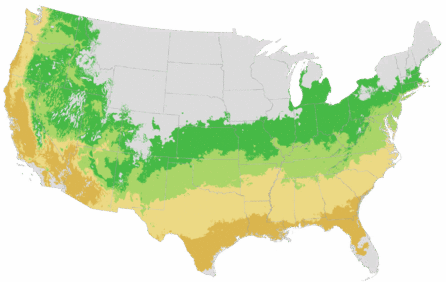
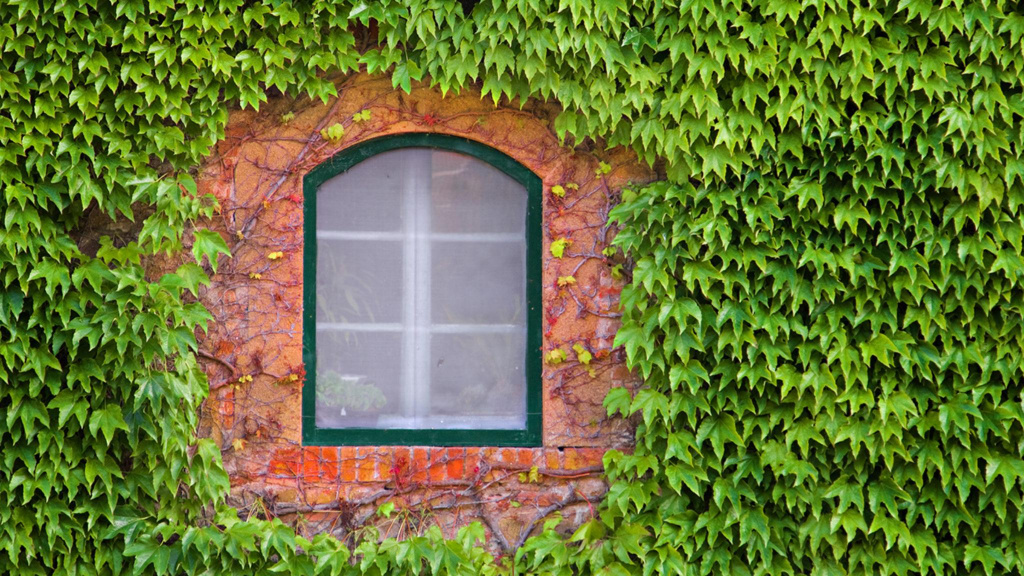
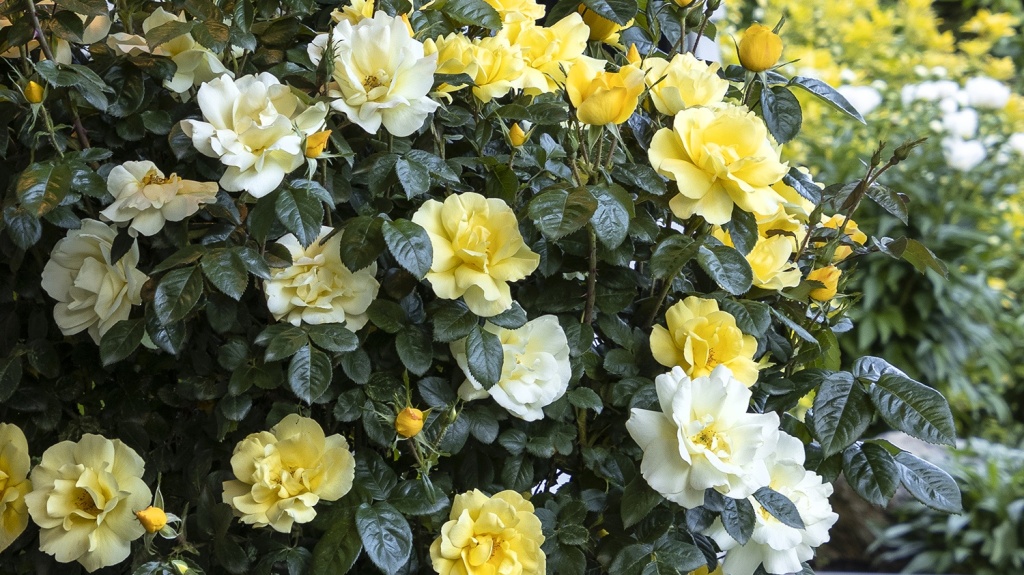
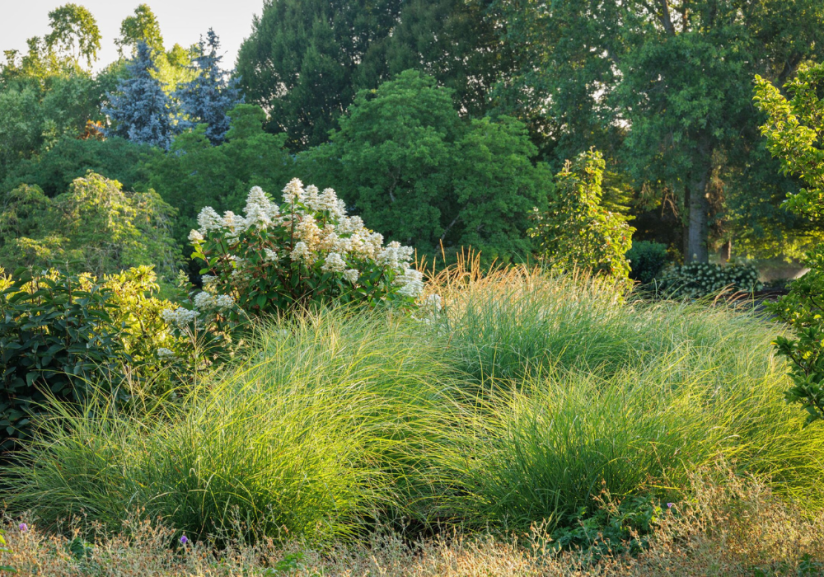
| Description | A vigorous climber with rich green foliage on thornless, slender branches. Miniature, yellow double blooms have a slight fragrance. The prolific flowering creates a lovely springtime display. A splendid climber for arbors. Evergreen in milder climates. |
|---|---|
| Bloom Time | Spring or early summer |
| Deciduous/Evergreen | Semi-Evergreen |
| Special Features | Easy Care, Improved Pest and Disease Resistance, Non-toxic to Cats and Dogs, Fast Growing |
| Problems/Solutions | Coastal Exposure |
| Growth Rate | Fast |
| Flower Attributes | Flowers for Cutting, Fragrant, Showy Flowers |
| Landscape Use | Barrier, Espalier, Privacy Screen |
| Design Ideas | Bring a romantic look to the garden with an arbor covered in this old-fashioned, profusely blooming Rose. It easily covers a fence or trellis with its evergreen foliage. Plant in full sun for the best look. |
| Flower Color | Yellow |
| Foliage Color | Green |
| Companion Plants | Clematis (Clematis); Boxwood (Buxus); Peony (Paeonia); Eastern Snowball (Viburnum); Salvia (Salvia) |
| Care Instructions | Grows easily in average to enriched, evenly moist, well-drained soils. Water deeply, regularly during first growing season to establish an extensive root system; reduce frequency, once established. Feed with a general purpose fertilizer. Provide support such as a trellis or arbor. Blooms on old wood; prune just after flowering. |
| History | This is a unique once-blooming rose in many ways. First it is thornless; second it is nearly tropical being so frost tender, and third, it is evergreen. This double yellow rose originates in China but it was the Calcutta Botanic Garden that announced it to the world. The Royal Horticultural Society sent John Damper Parks to Asia to obtain samples. He sent this plant back to England in 1824 on the East Indiaman trading ship Lowther Castle. With that shipment came an important yellow tea rose. 'Lutea' is a subspecies of R. banksiae, first discovered by Regel in 1877 in China and also by Pierre Delavay who introduced it into France around 1884. Plants that reached Kew would be named for Lady Banks, wife of the director of Kew and financier of many expeditions to Asia. |
Details
| Description | A vigorous climber with rich green foliage on thornless, slender branches. Miniature, yellow double blooms have a slight fragrance. The prolific flowering creates a lovely springtime display. A splendid climber for arbors. Evergreen in milder climates. |
|---|---|
| Bloom Time | Spring or early summer |
| Deciduous/Evergreen | Semi-Evergreen |
| Special Features | Easy Care, Improved Pest and Disease Resistance, Non-toxic to Cats and Dogs, Fast Growing |
| Problems/Solutions | Coastal Exposure |
| Growth Rate | Fast |
| Flower Attributes | Flowers for Cutting, Fragrant, Showy Flowers |
Style
| Landscape Use | Barrier, Espalier, Privacy Screen |
|---|---|
| Design Ideas | Bring a romantic look to the garden with an arbor covered in this old-fashioned, profusely blooming Rose. It easily covers a fence or trellis with its evergreen foliage. Plant in full sun for the best look. |
| Flower Color | Yellow |
| Foliage Color | Green |
| Companion Plants | Clematis (Clematis); Boxwood (Buxus); Peony (Paeonia); Eastern Snowball (Viburnum); Salvia (Salvia) |
Care
| Care Instructions | Grows easily in average to enriched, evenly moist, well-drained soils. Water deeply, regularly during first growing season to establish an extensive root system; reduce frequency, once established. Feed with a general purpose fertilizer. Provide support such as a trellis or arbor. Blooms on old wood; prune just after flowering. |
|---|
History
| History | This is a unique once-blooming rose in many ways. First it is thornless; second it is nearly tropical being so frost tender, and third, it is evergreen. This double yellow rose originates in China but it was the Calcutta Botanic Garden that announced it to the world. The Royal Horticultural Society sent John Damper Parks to Asia to obtain samples. He sent this plant back to England in 1824 on the East Indiaman trading ship Lowther Castle. With that shipment came an important yellow tea rose. 'Lutea' is a subspecies of R. banksiae, first discovered by Regel in 1877 in China and also by Pierre Delavay who introduced it into France around 1884. Plants that reached Kew would be named for Lady Banks, wife of the director of Kew and financier of many expeditions to Asia. |
|---|
Frequently asked questions
Does Yellow Lady Banks Climbing Rose produce flowers?
Spring or early summer
Is Yellow Lady Banks Climbing Rose evergreen or deciduous?
Yellow Lady Banks Climbing Rose is Semi-Evergreen.
What are the special features of Yellow Lady Banks Climbing Rose?
Yellow Lady Banks Climbing Rose is Easy Care, Improved Pest and Disease Resistance, Non-toxic to Cats and Dogs, Fast Growing.
Is Yellow Lady Banks Climbing Rose resistant to pests or animals?
Coastal Exposure
How fast does Yellow Lady Banks Climbing Rose grow?
Yellow Lady Banks Climbing Rose has a Fast growth rate.
Where can I use Yellow Lady Banks Climbing Rose in my landscape?
Yellow Lady Banks Climbing Rose is suitable for: Barrier, Espalier, Privacy Screen.
How can I use Yellow Lady Banks Climbing Rose in my garden design?
Bring a romantic look to the garden with an arbor covered in this old-fashioned, profusely blooming Rose. It easily covers a fence or trellis with its evergreen foliage. Plant in full sun for the best look.
What color are Yellow Lady Banks Climbing Rose flowers?
Yellow Lady Banks Climbing Rose produces Yellow flowers.
What color is the foliage of Yellow Lady Banks Climbing Rose?
Yellow Lady Banks Climbing Rose has Green foliage.
What plants grow well with Yellow Lady Banks Climbing Rose?
Good companion plants for Yellow Lady Banks Climbing Rose include: Clematis (Clematis); Boxwood (Buxus); Peony (Paeonia); Eastern Snowball (Viburnum); Salvia (Salvia).
How do I care for Yellow Lady Banks Climbing Rose?
Grows easily in average to enriched, evenly moist, well-drained soils. Water deeply, regularly during first growing season to establish an extensive root system; reduce frequency, once established. Feed with a general purpose fertilizer. Provide support such as a trellis or arbor. Blooms on old wood; prune just after flowering.
What is the history of Yellow Lady Banks Climbing Rose?
This is a unique once-blooming rose in many ways. First it is thornless; second it is nearly tropical being so frost tender, and third, it is evergreen. This double yellow rose originates in China but it was the Calcutta Botanic Garden that announced it to the world. The Royal Horticultural Society sent John Damper Parks to Asia to obtain samples. He sent this plant back to England in 1824 on the East Indiaman trading ship Lowther Castle. With that shipment came an important yellow tea rose. 'Lutea' is a subspecies of R. banksiae, first discovered by Regel in 1877 in China and also by Pierre Delavay who introduced it into France around 1884. Plants that reached Kew would be named for Lady Banks, wife of the director of Kew and financier of many expeditions to Asia.
Retailers Near You
About Us
We have been pioneers and craftsmen in the art of growing plants for 100 years. Since our founding in Southern California by Harry E. Rosedale, Sr. in 1926, we have been absolutely dedicated and obsessed with quality.
We have been pioneers and craftsmen in the art of growing plants for nearly 100 years. Since our founding in Southern California by Harry E. Rosedale, Sr. in 1926, we have been absolutely dedicated and obsessed with quality.