
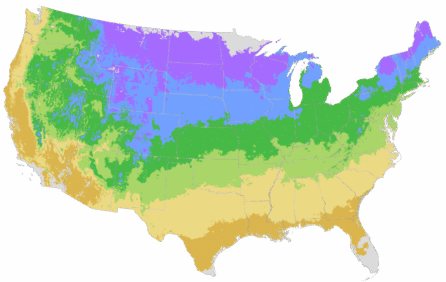
You're growing in this Zip Code:
Change LocationDiscover Plants for Your Area
Yeti™ Japanese Spirea
Spiraea japonica 'Conspiyet' PPAF
Pronunciation: spy-REE-ah juh-PON-ih-kuh
SKU #42678
LIGHT:
Filtered sun, Full sun, Partial shade, Partial sun
WATER:
Water when top 2 inches of soil is dry.
SIZE:
Moderate growing; reaches 2 to 3 ft. tall, 3 ft. wide.

Home Delivery Price
?
- Arrives in 3 to 7 days
- Free shipping on orders over $99
- Perfect Start Promise
Select Quantity
Retailers Near You
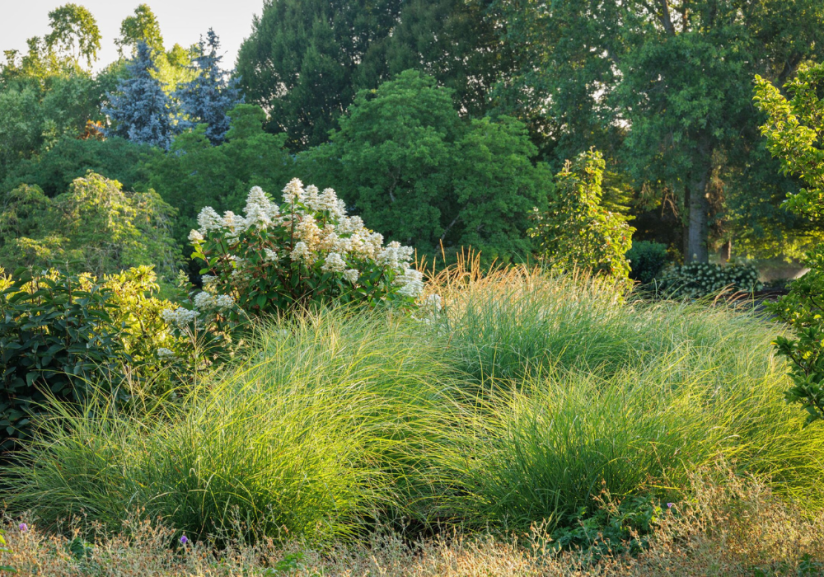

| Description | This compact deciduous shrub produces a profusion of showy flower clusters densely packed with small white blooms. A self-cleaning, repeat bloomer that naturally maintains a tidy appearance throughout the season, needing only a light trim midseason to promote rebloom. The smaller, mounded form is perfect for low borders or massing in the landscape. |
|---|---|
| Bloom Time | Late spring and summer |
| Deciduous/Evergreen | Deciduous |
| Special Features | Attracts Butterflies, Easy Care, Attracts Pollinators, Compact Form |
| Problems/Solutions | Erosion Control, Rabbit Resistant, Tolerates Urban Pollution |
| Growth Rate | Moderate |
| Flower Attributes | Flowers for Cutting, Long Bloom Season, Repeat Flowering, Showy Flowers |
| Patent Act | Asexual reproduction of plants protected by the Plant Patent Act is prohibited during the life of the patent. |
| Landscape Use | Border, Container, Edging |
| Flower Color | White |
| Foliage Color | Green |
| Companion Plants | Potentilla (Potentilla); Coneflower (Echinacea); Salvia (Salvia); Barberry (Berberis); Weigela (Weigela) |
| Care Instructions | Grows easily in average, well-drained soils; tolerates a range of soil types. Water regularly in first growing season to establish root system. Once established, prefers regular water but tolerates mild, periodic dry spells. Feed before new growth begins in spring. Remove spent blooms after flowering. May grow larger in highly fertile soils. |
| Lore | The S. japonica clan is a large group of ornamental shrubs that fall into the Rose Family. It's named for the European species from the Greek speria or wreath attesting to its whip like growths bearing white flowers worn at weddings. But the Japonicas came about far later and first identified by Carl Thunberg, among the earliest western plant hunters to botanize Japan. However, plants were not introduced to the West until about 1870. Native Spiraeas of Europe were well known as the source of white flowered wreaths worn by country brides in spring weddings. |
Details
| Description | This compact deciduous shrub produces a profusion of showy flower clusters densely packed with small white blooms. A self-cleaning, repeat bloomer that naturally maintains a tidy appearance throughout the season, needing only a light trim midseason to promote rebloom. The smaller, mounded form is perfect for low borders or massing in the landscape. |
|---|---|
| Bloom Time | Late spring and summer |
| Deciduous/Evergreen | Deciduous |
| Special Features | Attracts Butterflies, Easy Care, Attracts Pollinators, Compact Form |
| Problems/Solutions | Erosion Control, Rabbit Resistant, Tolerates Urban Pollution |
| Growth Rate | Moderate |
| Flower Attributes | Flowers for Cutting, Long Bloom Season, Repeat Flowering, Showy Flowers |
| Patent Act | Asexual reproduction of plants protected by the Plant Patent Act is prohibited during the life of the patent. |
Style
| Landscape Use | Border, Container, Edging |
|---|---|
| Flower Color | White |
| Foliage Color | Green |
| Companion Plants | Potentilla (Potentilla); Coneflower (Echinacea); Salvia (Salvia); Barberry (Berberis); Weigela (Weigela) |
Care
| Care Instructions | Grows easily in average, well-drained soils; tolerates a range of soil types. Water regularly in first growing season to establish root system. Once established, prefers regular water but tolerates mild, periodic dry spells. Feed before new growth begins in spring. Remove spent blooms after flowering. May grow larger in highly fertile soils. |
|---|
History
| Lore | The S. japonica clan is a large group of ornamental shrubs that fall into the Rose Family. It's named for the European species from the Greek speria or wreath attesting to its whip like growths bearing white flowers worn at weddings. But the Japonicas came about far later and first identified by Carl Thunberg, among the earliest western plant hunters to botanize Japan. However, plants were not introduced to the West until about 1870. Native Spiraeas of Europe were well known as the source of white flowered wreaths worn by country brides in spring weddings. |
|---|
Frequently asked questions
Does Yeti™ Japanese Spirea produce flowers?
Late spring and summer
Is Yeti™ Japanese Spirea evergreen or deciduous?
Yeti™ Japanese Spirea is Deciduous.
What are the special features of Yeti™ Japanese Spirea?
Yeti™ Japanese Spirea is Attracts Butterflies, Easy Care, Attracts Pollinators, Compact Form.
Is Yeti™ Japanese Spirea resistant to pests or animals?
Erosion Control, Rabbit Resistant, Tolerates Urban Pollution
How fast does Yeti™ Japanese Spirea grow?
Yeti™ Japanese Spirea has a Moderate growth rate.
Where can I use Yeti™ Japanese Spirea in my landscape?
Yeti™ Japanese Spirea is suitable for: Border, Container, Edging.
What color are Yeti™ Japanese Spirea flowers?
Yeti™ Japanese Spirea produces White flowers.
What color is the foliage of Yeti™ Japanese Spirea?
Yeti™ Japanese Spirea has Green foliage.
What plants grow well with Yeti™ Japanese Spirea?
Good companion plants for Yeti™ Japanese Spirea include: Potentilla (Potentilla); Coneflower (Echinacea); Salvia (Salvia); Barberry (Berberis); Weigela (Weigela).
How do I care for Yeti™ Japanese Spirea?
Grows easily in average, well-drained soils; tolerates a range of soil types. Water regularly in first growing season to establish root system. Once established, prefers regular water but tolerates mild, periodic dry spells. Feed before new growth begins in spring. Remove spent blooms after flowering. May grow larger in highly fertile soils.
Retailers Near You
About Us
We have been pioneers and craftsmen in the art of growing plants for 100 years. Since our founding in Southern California by Harry E. Rosedale, Sr. in 1926, we have been absolutely dedicated and obsessed with quality.
We have been pioneers and craftsmen in the art of growing plants for nearly 100 years. Since our founding in Southern California by Harry E. Rosedale, Sr. in 1926, we have been absolutely dedicated and obsessed with quality.