
You're growing in this Zip Code:
Change LocationDiscover Plants for Your Area
Acoma Crape Myrtle
Lagerstroemia indica x fauriei 'Acoma'
Pronunciation: la-ger-STRE-mee-a IN-dih-kuh fa-ru-EE-i
SKU #05447
LIGHT:
Full sun
WATER:
Water deeply when soil is dry.
SIZE:
Moderate growing; reaches 6 to 7 ft. tall and wide.

Retailers Near You
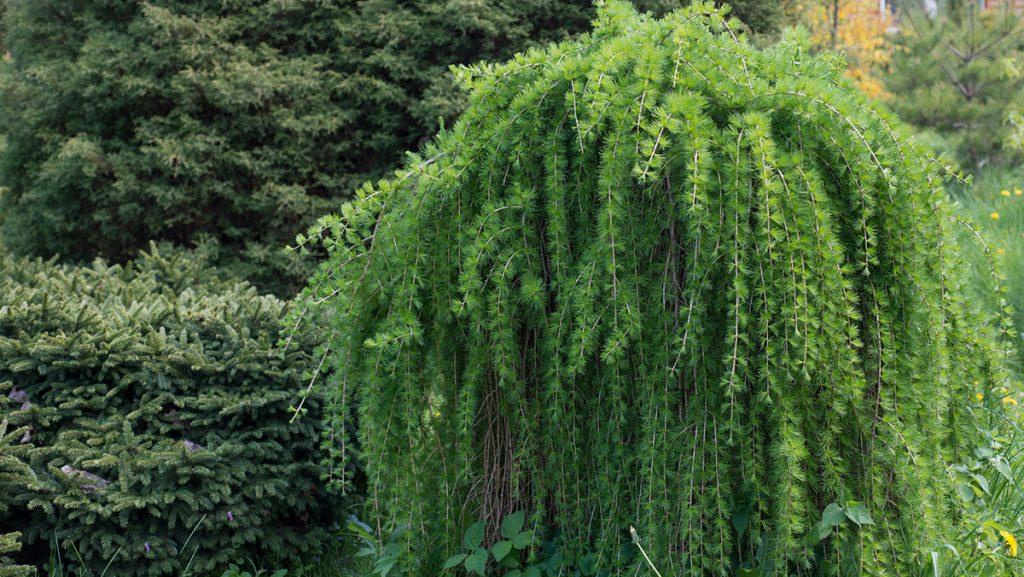

| Description | Spectacular clusters of pure white, crinkled flowers will delight throughout the warm summer months. The attractive peeling bark provides winter interest. A wonderful dwarf crape mrytle that serves as an excellent large shrub or small tree with a weeping form, rich fall color, and excellent mildew resistance . Deciduous. |
|---|---|
| Bloom Time | Summer |
| Deciduous/Evergreen | Deciduous |
| Special Features | Attractive Bark, Easy Care, Fall Color, Improved Pest and Disease Resistance, Waterwise, Non-toxic to Cats and Dogs, Attracts Pollinators, Compact Form |
| Problems/Solutions | Tolerates Urban Pollution |
| Growth Rate | Moderate |
| Growth Habit | Weeping |
| Flower Attributes | Long Bloom Season, Showy Flowers |
| Landscape Use | Border, Container, Privacy Screen |
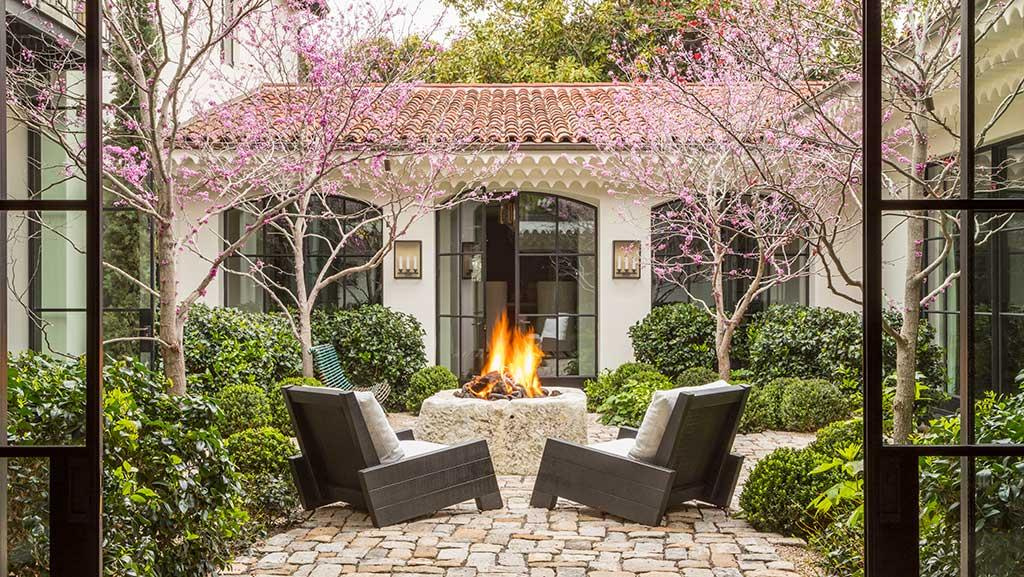
| Design Ideas | This smaller new Crape Myrtle thinks it's a shrub. It is small enough to fit easily into the tiniest city garden or courtyard. With its weeping white flower clusters and lustrous bark, it should be treated as a specimen and planted in raised beds or planters close by. An excellent candidate for huge ceramic pots, where it will grow happily for many years. |
| Flower Color | White |
| Foliage Color | Green |
| Foliage Fall Color | Yellow |
| Companion Plants | Indian Hawthorn (Rhaphiolepis); Rose of Sharon (Hibiscus syriacus); Lilyturf (Liriope); Rock Rose (Cistus); Lantana (Lantana); Clematis (Clematis) |
| Care Instructions | Thrives in average, well-drained soil. Water deeply, regularly during first growing season to establish an extensive root system; reduce frequency, once established. Feed in early spring. Thin young trees late winter to early spring; leave 3 to 7 main trunks or canopy branches. Remove suckers from the base of older trees. |
| History | This is among the Fauriei hybrids bred for increased resistance to mildew. These were created as hybrids of L. indica and lesser known L. fauriei. The latter is native to southern Japan and contributes its natural resistance. The first crape myrtle from the South Pacific arrived at Kew in 1759, but widespread cultivation began about thirty years later at the hands of Andre Michaux in Charleston, South Carolina about 1786. |
| Lore | The earliest crape myrtle trees were grown by Michaux and sent from his nursery to man of our nation's most important early plantations such as Montechello and Mount Vernon. |
Details
| Description | Spectacular clusters of pure white, crinkled flowers will delight throughout the warm summer months. The attractive peeling bark provides winter interest. A wonderful dwarf crape mrytle that serves as an excellent large shrub or small tree with a weeping form, rich fall color, and excellent mildew resistance . Deciduous. |
|---|---|
| Bloom Time | Summer |
| Deciduous/Evergreen | Deciduous |
| Special Features | Attractive Bark, Easy Care, Fall Color, Improved Pest and Disease Resistance, Waterwise, Non-toxic to Cats and Dogs, Attracts Pollinators, Compact Form |
| Problems/Solutions | Tolerates Urban Pollution |
| Growth Rate | Moderate |
| Growth Habit | Weeping |
| Flower Attributes | Long Bloom Season, Showy Flowers |
Style
| Landscape Use | Border, Container, Privacy Screen |
|---|---|
| Design Ideas | This smaller new Crape Myrtle thinks it's a shrub. It is small enough to fit easily into the tiniest city garden or courtyard. With its weeping white flower clusters and lustrous bark, it should be treated as a specimen and planted in raised beds or planters close by. An excellent candidate for huge ceramic pots, where it will grow happily for many years. |
| Flower Color | White |
| Foliage Color | Green |
| Foliage Fall Color | Yellow |
| Companion Plants | Indian Hawthorn (Rhaphiolepis); Rose of Sharon (Hibiscus syriacus); Lilyturf (Liriope); Rock Rose (Cistus); Lantana (Lantana); Clematis (Clematis) |
Care
| Care Instructions | Thrives in average, well-drained soil. Water deeply, regularly during first growing season to establish an extensive root system; reduce frequency, once established. Feed in early spring. Thin young trees late winter to early spring; leave 3 to 7 main trunks or canopy branches. Remove suckers from the base of older trees. |
|---|
History
| History | This is among the Fauriei hybrids bred for increased resistance to mildew. These were created as hybrids of L. indica and lesser known L. fauriei. The latter is native to southern Japan and contributes its natural resistance. The first crape myrtle from the South Pacific arrived at Kew in 1759, but widespread cultivation began about thirty years later at the hands of Andre Michaux in Charleston, South Carolina about 1786. |
|---|---|
| Lore | The earliest crape myrtle trees were grown by Michaux and sent from his nursery to man of our nation's most important early plantations such as Montechello and Mount Vernon. |
Retailers Near You
About Us
We have been pioneers and craftsmen in the art of growing plants for 100 years. Since our founding in Southern California by Harry E. Rosedale, Sr. in 1926, we have been absolutely dedicated and obsessed with quality.
We have been pioneers and craftsmen in the art of growing plants for nearly 100 years. Since our founding in Southern California by Harry E. Rosedale, Sr. in 1926, we have been absolutely dedicated and obsessed with quality.