
You're growing in this Zip Code:
Discover Plants for Your Area
Alpine Carpet® Juniper
Juniperus communis 'Mondap'
Pronunciation: ju-NIP-er-us kom-MU-nis
SKU #04903
LIGHT:
Full sun
WATER:
Water when top 2 inches of soil is dry.
SIZE:
Reaches 8 in. tall, slowly spreading to 36 in. wide.

Home Delivery Price
?
- Arrives in 3 to 7 days
- Free shipping on orders over $149
- Perfect Start Promise
Select Quantity
Retailers Near You
This Plant's Growing Zones: 3-6
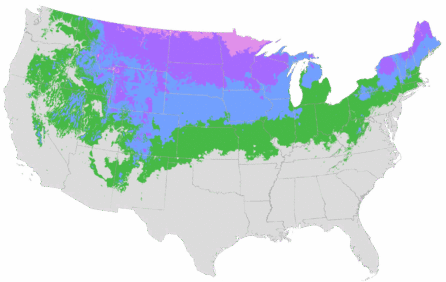
Your USDA Cold Hardiness Zone:
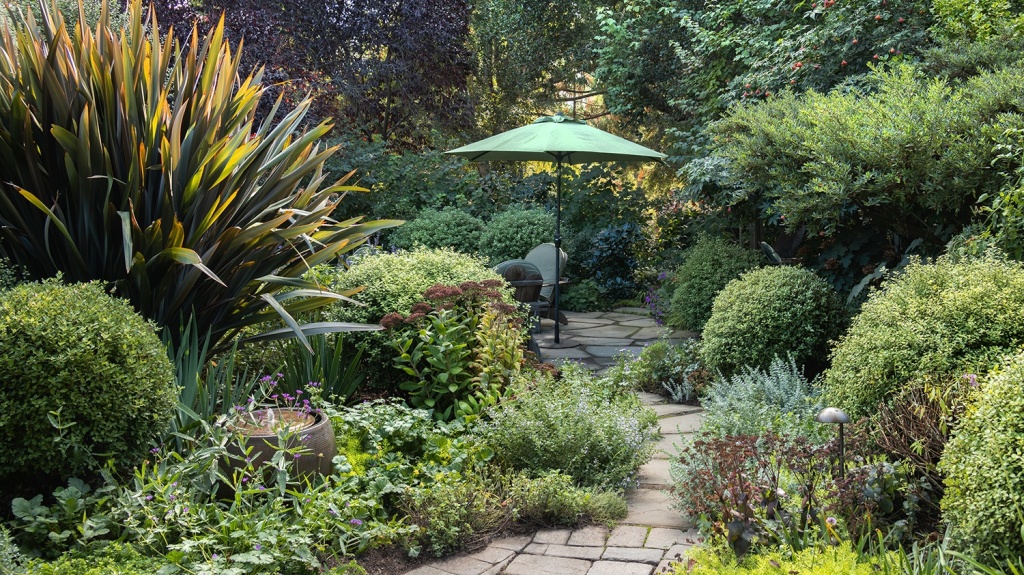
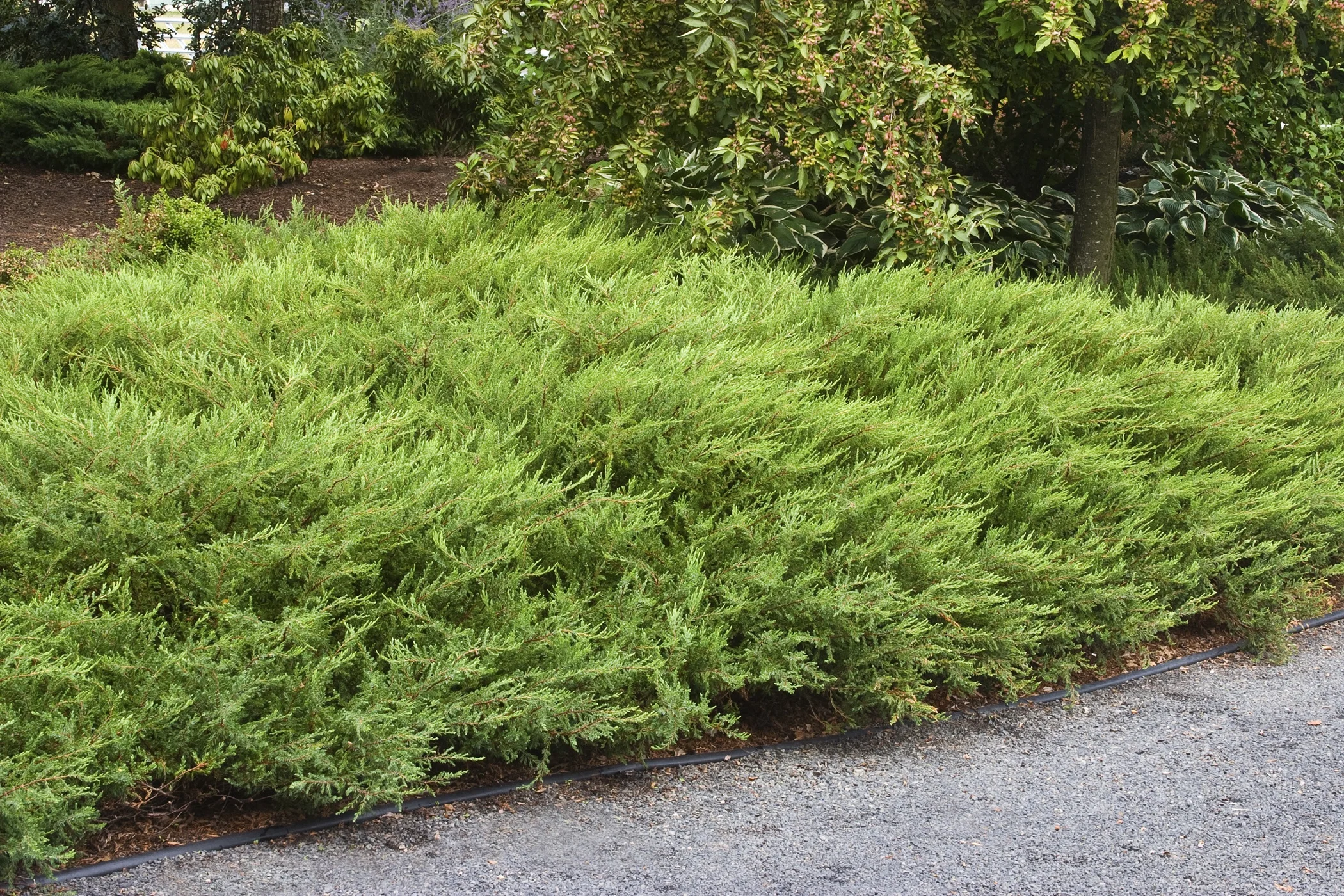
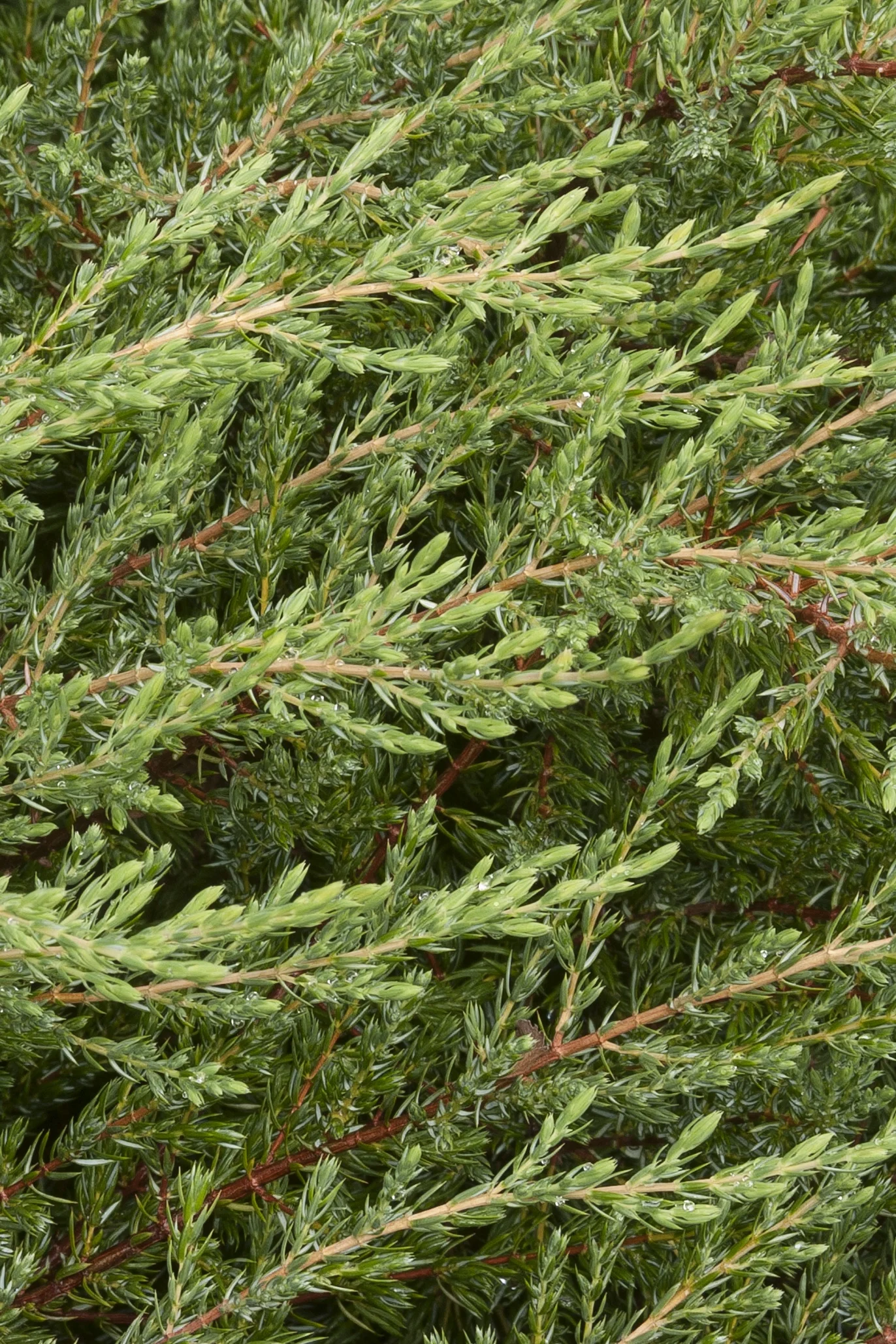
| Description | A native to the Rocky Mountains, this evergreen alpine plant has dense, soft-textured, green foliage. Proven to be extremely hardy, and thrives in poor, rocky soils. A choice groundcover for use in mass plantings, along slopes and hillsides. Excellent for bonsai. |
|---|---|
| Bloom Time | Conifer; prized for foliage. |
| Deciduous/Evergreen | Evergreen |
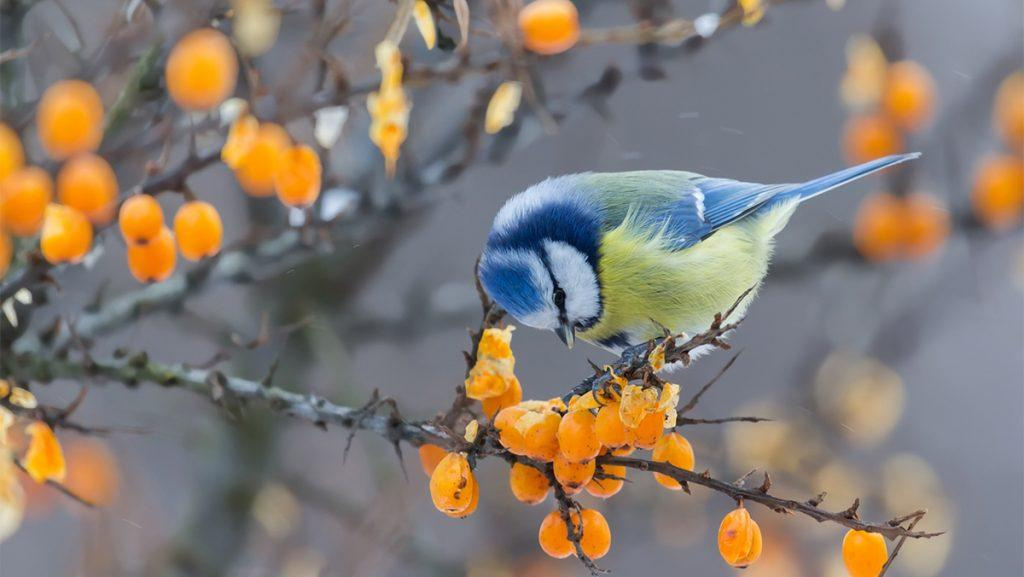
| Special Features | Easy Care, Waterwise, Heat Loving, Benefits Birds |
| Problems/Solutions | Coastal Exposure, Deer Resistant, Erosion Control, Rabbit Resistant |
| Growth Rate | Slow |
| Growth Habit | Spreading |
| Landscape Use | Border, Poolside, Ground Cover, Hillside |
| Design Ideas | Extreme tolerance of brutal cold and humidity makes this creeping Juniper a reliable plant for difficult sites. Because they are shrubs, you can plant them through weed-blocking fabric. Thrives in rocky soils and mountainous conditions, where the soil is thin. Use on slopes for coverage or erosion control, allow it to drape off retaining walls or cover unsightly transition zones at the edges of paving. Prostrate habit and slow growth also makes it a candidate for potted bonsai. Excellent deer resistance. |
| Foliage Color | Blue-green |
| Companion Plants | Clematis (Clematis); Rose (Rosa); Catmint (Nepeta); Barberry (Berberis); Russian Sage (Perovskia); Maiden Grass (Miscanthus) |
| Care Instructions | Highly adaptable and easy to grow in average well-drained soils, even poor, rocky soils. Water deeply, regularly in first growing season to establish root system; once established, reduce frequency. Control weeds until plants have filled in. Feed in early spring. Prune only as needed to maintain desired shape. |
| History | This is the "common" juniper native to an enormous range of Europe, Asia and North America. The majority of the forms are upright shrubs to small trees no taller than twenty feet. This shows that like so many other Juniperus species it exhibits a diversity of forms to include this low growing variety. It was first identified as J. alpina, which suggests its origins as a high mountain alpine plant adapted to heavy snows and persistent winds. The genus was classified in 1767 but species remained confused for centuries due to natural variability. There are over sixty other species which originate around the world in the northern hemisphere. This variety was introduced by Monrovia in 1999. |
| Lore | Juniper's oil was once highly valued as a medicinal and used in many compounds. It was used to line pits where Native Americans stored food for winter because its oils prove a natural insect repellant. |
Details
| Description | A native to the Rocky Mountains, this evergreen alpine plant has dense, soft-textured, green foliage. Proven to be extremely hardy, and thrives in poor, rocky soils. A choice groundcover for use in mass plantings, along slopes and hillsides. Excellent for bonsai. |
|---|---|
| Bloom Time | Conifer; prized for foliage. |
| Deciduous/Evergreen | Evergreen |
| Special Features | Easy Care, Waterwise, Heat Loving, Benefits Birds |
| Problems/Solutions | Coastal Exposure, Deer Resistant, Erosion Control, Rabbit Resistant |
| Growth Rate | Slow |
| Growth Habit | Spreading |
Style
| Landscape Use | Border, Poolside, Ground Cover, Hillside |
|---|---|
| Design Ideas | Extreme tolerance of brutal cold and humidity makes this creeping Juniper a reliable plant for difficult sites. Because they are shrubs, you can plant them through weed-blocking fabric. Thrives in rocky soils and mountainous conditions, where the soil is thin. Use on slopes for coverage or erosion control, allow it to drape off retaining walls or cover unsightly transition zones at the edges of paving. Prostrate habit and slow growth also makes it a candidate for potted bonsai. Excellent deer resistance. |
| Foliage Color | Blue-green |
| Companion Plants | Clematis (Clematis); Rose (Rosa); Catmint (Nepeta); Barberry (Berberis); Russian Sage (Perovskia); Maiden Grass (Miscanthus) |
Care
| Care Instructions | Highly adaptable and easy to grow in average well-drained soils, even poor, rocky soils. Water deeply, regularly in first growing season to establish root system; once established, reduce frequency. Control weeds until plants have filled in. Feed in early spring. Prune only as needed to maintain desired shape. |
|---|
History
| History | This is the "common" juniper native to an enormous range of Europe, Asia and North America. The majority of the forms are upright shrubs to small trees no taller than twenty feet. This shows that like so many other Juniperus species it exhibits a diversity of forms to include this low growing variety. It was first identified as J. alpina, which suggests its origins as a high mountain alpine plant adapted to heavy snows and persistent winds. The genus was classified in 1767 but species remained confused for centuries due to natural variability. There are over sixty other species which originate around the world in the northern hemisphere. This variety was introduced by Monrovia in 1999. |
|---|---|
| Lore | Juniper's oil was once highly valued as a medicinal and used in many compounds. It was used to line pits where Native Americans stored food for winter because its oils prove a natural insect repellant. |
Retailers Near You
About Us
We have been pioneers and craftsmen in the art of growing plants for 100 years. Since our founding in Southern California by Harry E. Rosedale, Sr. in 1926, we have been absolutely dedicated and obsessed with quality.
We have been pioneers and craftsmen in the art of growing plants for nearly 100 years. Since our founding in Southern California by Harry E. Rosedale, Sr. in 1926, we have been absolutely dedicated and obsessed with quality.