
You're growing in this Zip Code:
Change LocationDiscover Plants for Your Area
Angel Wing Jasmine
Jasminum nitidum
Pronunciation: JAS-mi-num NIT-id-um
SKU #04655
LIGHT:
Full sun
WATER:
Keep soil moist, but not soggy.
SIZE:
Moderate growing; reaches 10 to 15 ft. long, 3 to 4 ft. wide.

Retailers Near You
Ready to Grow?
Ship Monrovia plants directly to your door. Browse a curated selection available online.
Shop Now >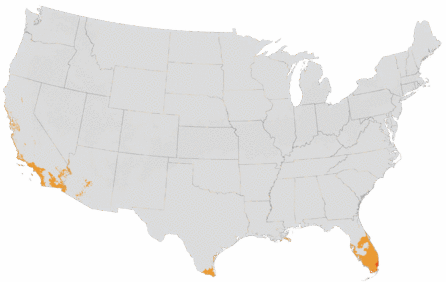
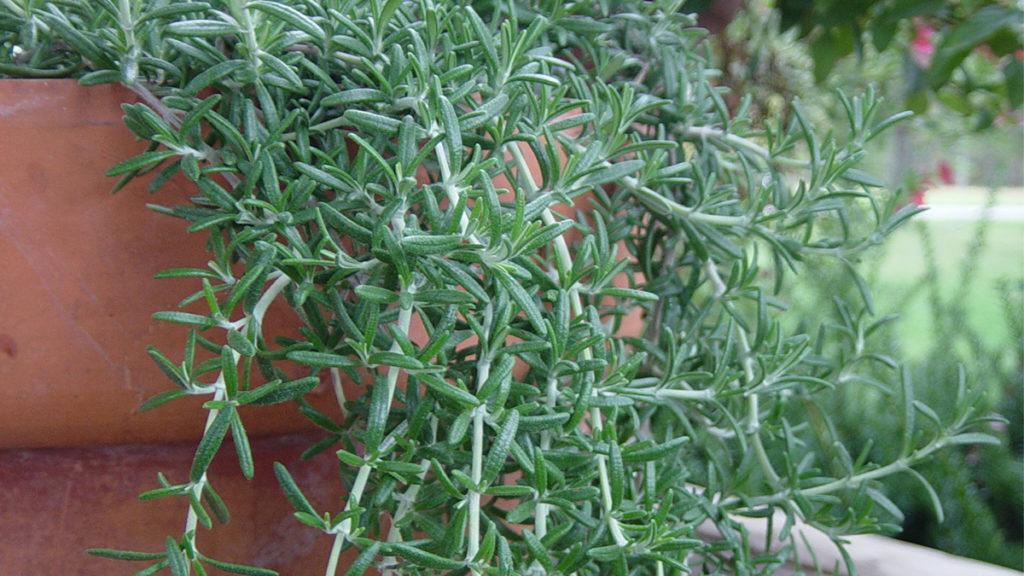
| Description | An attractive, spreading, shrubby, vine-like groundcover that displays an abundance of large, fragrant, pinwheel-like white flowers with purple undersides. An excellent flowering evergreen for spilling out of containers, or using as a spreading filler between shrubs. |
|---|---|
| Bloom Time | Summer |
| Deciduous/Evergreen | Evergreen |
| Special Features | Easy Care, Waterwise, Non-toxic to Cats and Dogs |
| Problems/Solutions | Coastal Exposure |
| Growth Rate | Moderate |
| Growth Habit | Spreading |
| Flower Attributes | Fragrant, Showy Flowers |
| Landscape Use | Border, Container, Espalier, Ground Cover, Hillside |
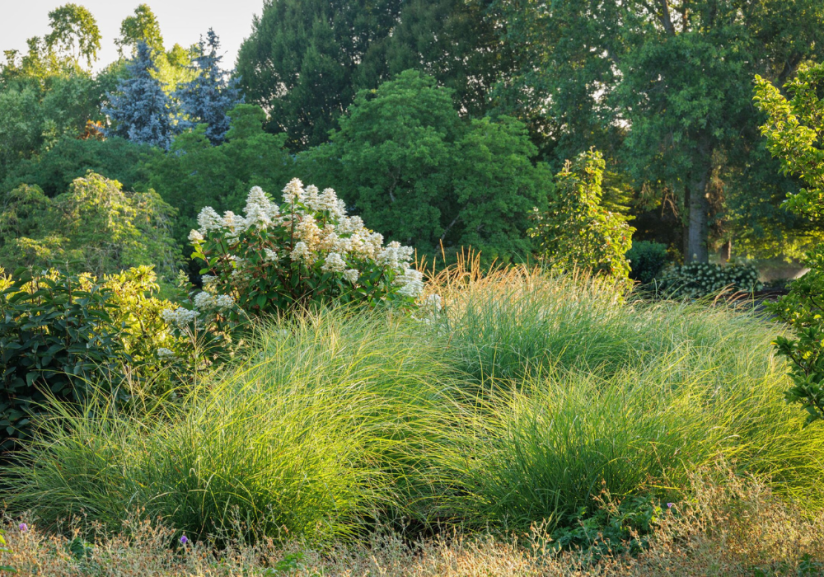
| Design Ideas | This plant is part shrub and part vine. Though not a vigorous climber, it can manage to work its way up a chain-link fence. Gorgeous when draped in a thick bower of foliage and flower over low walls or cascading off raised planters. This Jasmine can serve as a groundcover in beds around living spaces where its fragrance is heady and wonderful. Use as a filler between more upright flowering shrubs. Also reliable on partially shaded banks and slopes. |
| Flower Color | White |
| Foliage Color | Green |
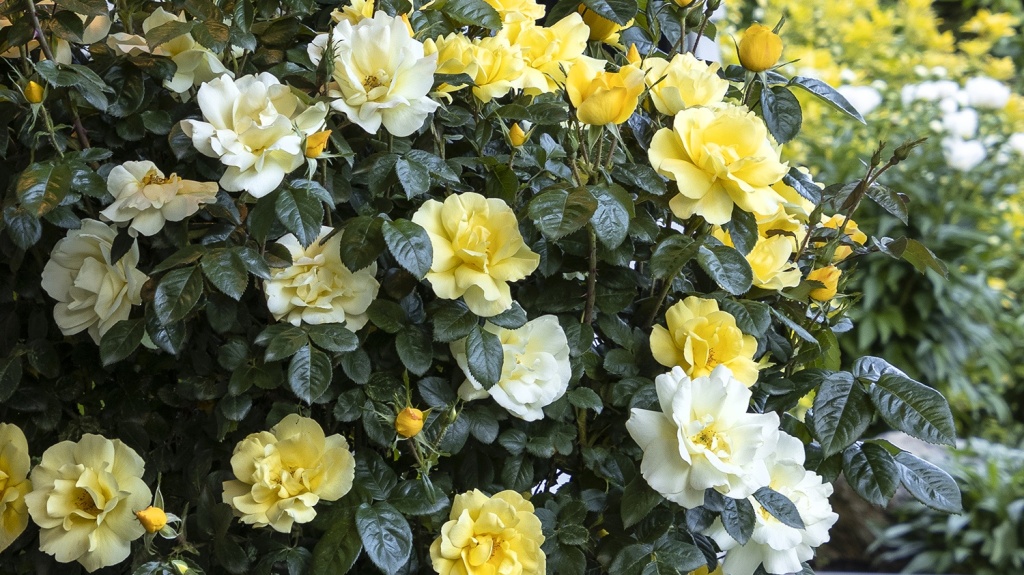
| Companion Plants | Clematis (Clematis); Lantana (Lantana); New Zealand Flax (Phormium); Plumbago (Plumbago); Rose (Rosa) |
| Care Instructions | Thrives in enriched, well-drained soils. Water deeply and regularly during the first growing season to establish an extensive root system; reduce frequency once established. Feed with a general purpose fertilizer before new growth begins in spring. |
| History | This species is native to the little known Admiralty Islands which like in the Pacific north of New Guinea where it evolved in isolation. All jasmines are members of the olive family with early interest generated in the Old World by the Ottoman Turks. |
| Lore | Ancient Persians steeped jasmine flowers in sesame oil and the English made it into a salve to soften and scent leather gloves in the 17th century. |
Details
| Description | An attractive, spreading, shrubby, vine-like groundcover that displays an abundance of large, fragrant, pinwheel-like white flowers with purple undersides. An excellent flowering evergreen for spilling out of containers, or using as a spreading filler between shrubs. |
|---|---|
| Bloom Time | Summer |
| Deciduous/Evergreen | Evergreen |
| Special Features | Easy Care, Waterwise, Non-toxic to Cats and Dogs |
| Problems/Solutions | Coastal Exposure |
| Growth Rate | Moderate |
| Growth Habit | Spreading |
| Flower Attributes | Fragrant, Showy Flowers |
Style
| Landscape Use | Border, Container, Espalier, Ground Cover, Hillside |
|---|---|
| Design Ideas | This plant is part shrub and part vine. Though not a vigorous climber, it can manage to work its way up a chain-link fence. Gorgeous when draped in a thick bower of foliage and flower over low walls or cascading off raised planters. This Jasmine can serve as a groundcover in beds around living spaces where its fragrance is heady and wonderful. Use as a filler between more upright flowering shrubs. Also reliable on partially shaded banks and slopes. |
| Flower Color | White |
| Foliage Color | Green |
| Companion Plants | Clematis (Clematis); Lantana (Lantana); New Zealand Flax (Phormium); Plumbago (Plumbago); Rose (Rosa) |
Care
| Care Instructions | Thrives in enriched, well-drained soils. Water deeply and regularly during the first growing season to establish an extensive root system; reduce frequency once established. Feed with a general purpose fertilizer before new growth begins in spring. |
|---|
History
| History | This species is native to the little known Admiralty Islands which like in the Pacific north of New Guinea where it evolved in isolation. All jasmines are members of the olive family with early interest generated in the Old World by the Ottoman Turks. |
|---|---|
| Lore | Ancient Persians steeped jasmine flowers in sesame oil and the English made it into a salve to soften and scent leather gloves in the 17th century. |
Frequently asked questions
Does Angel Wing Jasmine produce flowers?
Summer
Is Angel Wing Jasmine evergreen or deciduous?
Angel Wing Jasmine is Evergreen.
What are the special features of Angel Wing Jasmine?
Angel Wing Jasmine is Easy Care, Waterwise, Non-toxic to Cats and Dogs.
Is Angel Wing Jasmine resistant to pests or animals?
Coastal Exposure
How fast does Angel Wing Jasmine grow?
Angel Wing Jasmine has a Moderate growth rate.
What is the growth habit of Angel Wing Jasmine?
Angel Wing Jasmine grows in an Spreading habit.
Where can I use Angel Wing Jasmine in my landscape?
Angel Wing Jasmine is suitable for: Border, Container, Espalier, Ground Cover, Hillside.
How can I use Angel Wing Jasmine in my garden design?
This plant is part shrub and part vine. Though not a vigorous climber, it can manage to work its way up a chain-link fence. Gorgeous when draped in a thick bower of foliage and flower over low walls or cascading off raised planters. This Jasmine can serve as a groundcover in beds around living spaces where its fragrance is heady and wonderful. Use as a filler between more upright flowering shrubs. Also reliable on partially shaded banks and slopes.
What color are Angel Wing Jasmine flowers?
Angel Wing Jasmine produces White flowers.
What color is the foliage of Angel Wing Jasmine?
Angel Wing Jasmine has Green foliage.
What plants grow well with Angel Wing Jasmine?
Good companion plants for Angel Wing Jasmine include: Clematis (Clematis); Lantana (Lantana); New Zealand Flax (Phormium); Plumbago (Plumbago); Rose (Rosa).
How do I care for Angel Wing Jasmine?
Thrives in enriched, well-drained soils. Water deeply and regularly during the first growing season to establish an extensive root system; reduce frequency once established. Feed with a general purpose fertilizer before new growth begins in spring.
What is the history of Angel Wing Jasmine?
This species is native to the little known Admiralty Islands which like in the Pacific north of New Guinea where it evolved in isolation. All jasmines are members of the olive family with early interest generated in the Old World by the Ottoman Turks.
Retailers Near You
About Us
We have been pioneers and craftsmen in the art of growing plants for 100 years. Since our founding in Southern California by Harry E. Rosedale, Sr. in 1926, we have been absolutely dedicated and obsessed with quality.
We have been pioneers and craftsmen in the art of growing plants for nearly 100 years. Since our founding in Southern California by Harry E. Rosedale, Sr. in 1926, we have been absolutely dedicated and obsessed with quality.