
You're growing in this Zip Code:
Change LocationDiscover Plants for Your Area
Arabella Clematis
Clematis x 'Arabella'
Pronunciation: KLEM-a-tis
SKU #02178
LIGHT:
Full sun, Partial sun
WATER:
Water deeply when top inch of soil is dry.
SIZE:
Moderate growing; reaches 3 to 6 ft. tall, 2 to 3 ft. wide, with training.

Retailers Near You
Ready to Grow?
Ship Monrovia plants directly to your door. Browse a curated selection available online.
Shop Now >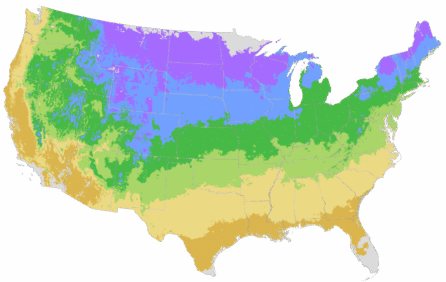
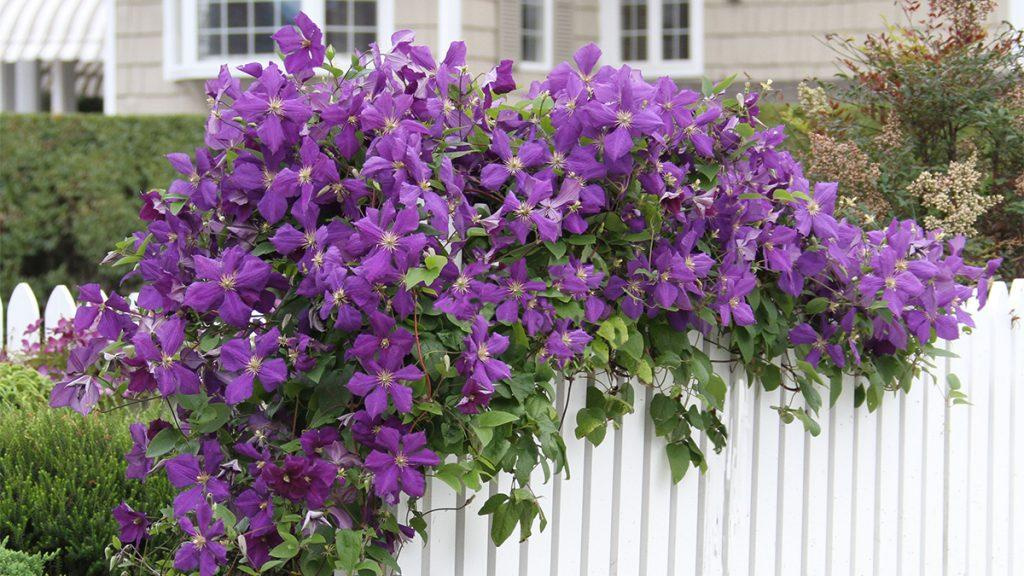
| Description | Beautiful, color-changing blooms provide a parade of summer color. Single flowers with slightly upturned sepal edges open to violet-blue, then develop mauve-colored centers and fade to soft blue as they age. A non-vining, bushy, semi-herbaceous clematis that is an excellent choice for containers, or borders where it will grow through shrubbery. Pruning Group: 3 |
|---|---|
| Bloom Time | Summer to early fall |
| Deciduous/Evergreen | Herbaceous |
| Special Features | Easy Care, Compact Form |
| Problems/Solutions | Black Walnut Tolerant |
| Growth Rate | Moderate |
| Growth Habit | Climbing |
| Flower Attributes | Long Bloom Season, Showy Flowers |
| Landscape Use | Border, Container |
| Design Ideas | A beautiful flowering vine for espalier onto creative flat trellage in high profile locations. Perfect plant to mark a front door with vivid color. Twine up and over wood or metal arches at gates and entries. Drape over fences in narrow sideyards for short range view of flowers from windows. Twine up narrow railings and posts on stoop or porch. Traditional plant to twine into skeleton of dead trees and shrubs. Best viewed up close near outdoor living spaces. |
| Flower Color | Purple |
| Foliage Color | Green |
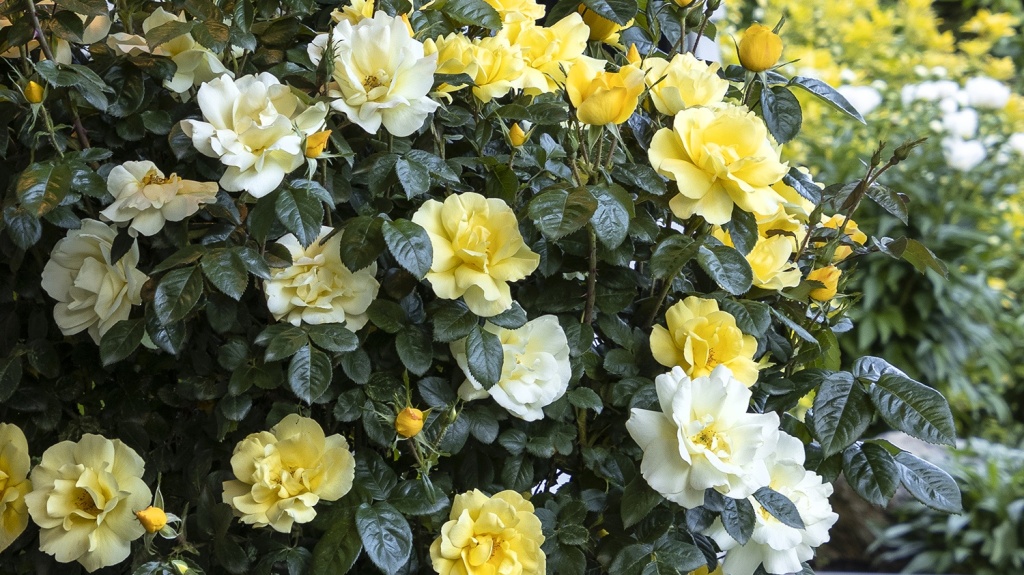
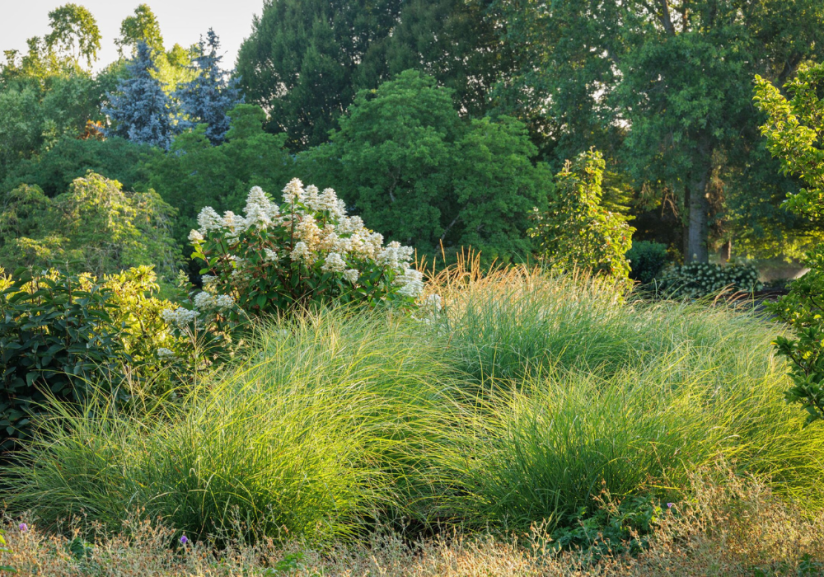
| Companion Plants | Japanese Maple (Acer); Climbing Rose (Rosa); Daylily (Hemerocallis); Hydrangea (Hydrangea); Butterfly Bush (Buddleja) |
| Care Instructions | Provide organically rich, well-drained soil. Mulch soil surface to conserve moisture. Water deeply, regularly in first growing season to establish an extensive root system; reduce frequency once established. Hard prune to about 1 ft. in late winter to early spring before new growth appears. Fertilize in spring as new growth begins to emerge. Pruning Group: 3 |
| History | Clematis x 'Arabella' owes its non-clinging, shrubby perennial growth to its C. integrifolia parentage. |
Details
| Description | Beautiful, color-changing blooms provide a parade of summer color. Single flowers with slightly upturned sepal edges open to violet-blue, then develop mauve-colored centers and fade to soft blue as they age. A non-vining, bushy, semi-herbaceous clematis that is an excellent choice for containers, or borders where it will grow through shrubbery. Pruning Group: 3 |
|---|---|
| Bloom Time | Summer to early fall |
| Deciduous/Evergreen | Herbaceous |
| Special Features | Easy Care, Compact Form |
| Problems/Solutions | Black Walnut Tolerant |
| Growth Rate | Moderate |
| Growth Habit | Climbing |
| Flower Attributes | Long Bloom Season, Showy Flowers |
Style
| Landscape Use | Border, Container |
|---|---|
| Design Ideas | A beautiful flowering vine for espalier onto creative flat trellage in high profile locations. Perfect plant to mark a front door with vivid color. Twine up and over wood or metal arches at gates and entries. Drape over fences in narrow sideyards for short range view of flowers from windows. Twine up narrow railings and posts on stoop or porch. Traditional plant to twine into skeleton of dead trees and shrubs. Best viewed up close near outdoor living spaces. |
| Flower Color | Purple |
| Foliage Color | Green |
| Companion Plants | Japanese Maple (Acer); Climbing Rose (Rosa); Daylily (Hemerocallis); Hydrangea (Hydrangea); Butterfly Bush (Buddleja) |
Care
| Care Instructions | Provide organically rich, well-drained soil. Mulch soil surface to conserve moisture. Water deeply, regularly in first growing season to establish an extensive root system; reduce frequency once established. Hard prune to about 1 ft. in late winter to early spring before new growth appears. Fertilize in spring as new growth begins to emerge. Pruning Group: 3 |
|---|
History
| History | Clematis x 'Arabella' owes its non-clinging, shrubby perennial growth to its C. integrifolia parentage. |
|---|
Frequently asked questions
Does Arabella Clematis produce flowers?
Summer to early fall
Is Arabella Clematis evergreen or deciduous?
Arabella Clematis is Herbaceous.
What are the special features of Arabella Clematis?
Arabella Clematis is Easy Care, Compact Form.
Is Arabella Clematis resistant to pests or animals?
Black Walnut Tolerant
How fast does Arabella Clematis grow?
Arabella Clematis has a Moderate growth rate.
What is the growth habit of Arabella Clematis?
Arabella Clematis grows in an Climbing habit.
Where can I use Arabella Clematis in my landscape?
Arabella Clematis is suitable for: Border, Container.
How can I use Arabella Clematis in my garden design?
A beautiful flowering vine for espalier onto creative flat trellage in high profile locations. Perfect plant to mark a front door with vivid color. Twine up and over wood or metal arches at gates and entries. Drape over fences in narrow sideyards for short range view of flowers from windows. Twine up narrow railings and posts on stoop or porch. Traditional plant to twine into skeleton of dead trees and shrubs. Best viewed up close near outdoor living spaces.
What color are Arabella Clematis flowers?
Arabella Clematis produces Purple flowers.
What color is the foliage of Arabella Clematis?
Arabella Clematis has Green foliage.
What plants grow well with Arabella Clematis?
Good companion plants for Arabella Clematis include: Japanese Maple (Acer); Climbing Rose (Rosa); Daylily (Hemerocallis); Hydrangea (Hydrangea); Butterfly Bush (Buddleja).
How do I care for Arabella Clematis?
Provide organically rich, well-drained soil. Mulch soil surface to conserve moisture. Water deeply, regularly in first growing season to establish an extensive root system; reduce frequency once established. Hard prune to about 1 ft. in late winter to early spring before new growth appears. Fertilize in spring as new growth begins to emerge. Pruning Group: 3
What is the history of Arabella Clematis?
Clematis x 'Arabella' owes its non-clinging, shrubby perennial growth to its C. integrifolia parentage.
Retailers Near You
About Us
We have been pioneers and craftsmen in the art of growing plants for 100 years. Since our founding in Southern California by Harry E. Rosedale, Sr. in 1926, we have been absolutely dedicated and obsessed with quality.
We have been pioneers and craftsmen in the art of growing plants for nearly 100 years. Since our founding in Southern California by Harry E. Rosedale, Sr. in 1926, we have been absolutely dedicated and obsessed with quality.