
You're growing in this Zip Code:
Discover Plants for Your Area
Autumn Fern
Dryopteris erythrosora
Pronunciation: drye-OPP-ter-iss ehr-ith-roh-SO-ra
SKU #03624
LIGHT:
Full shade
WATER:
Keep soil moist, but not soggy.
SIZE:
Slow growing; forms foliage clump 18 to 24 in. tall, 18 in. wide.

Retailers Near You
Ready to Grow?
Ship Monrovia plants directly to your door. Browse a curated selection available online.
Shop Now >This Plant's Growing Zones: 4-9
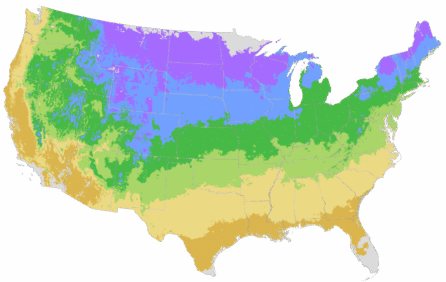
Your USDA Cold Hardiness Zone:
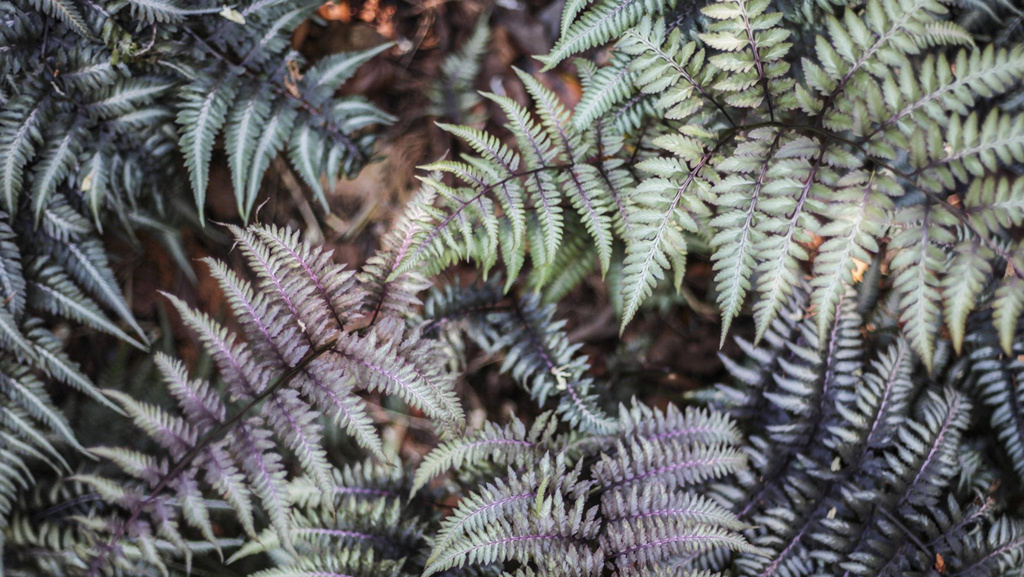
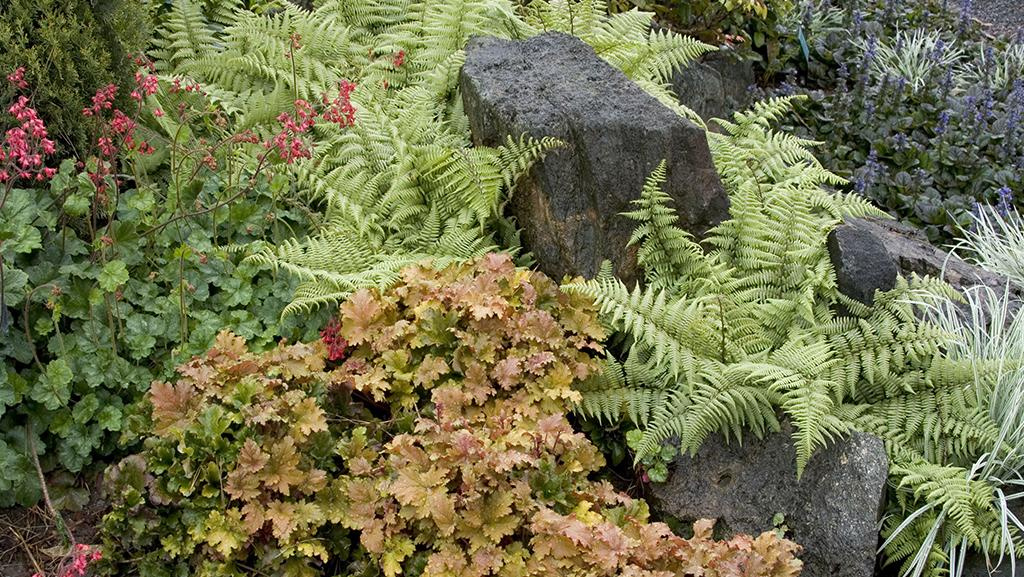
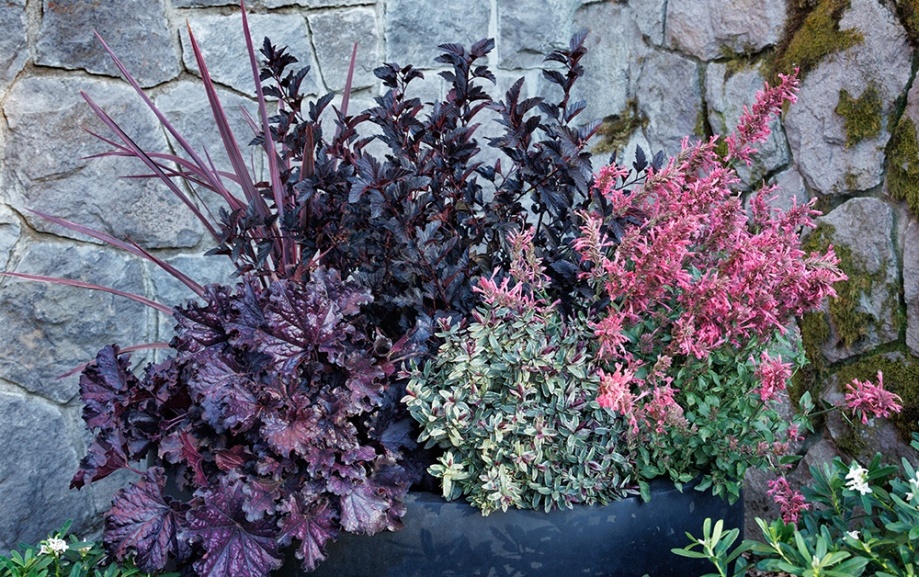
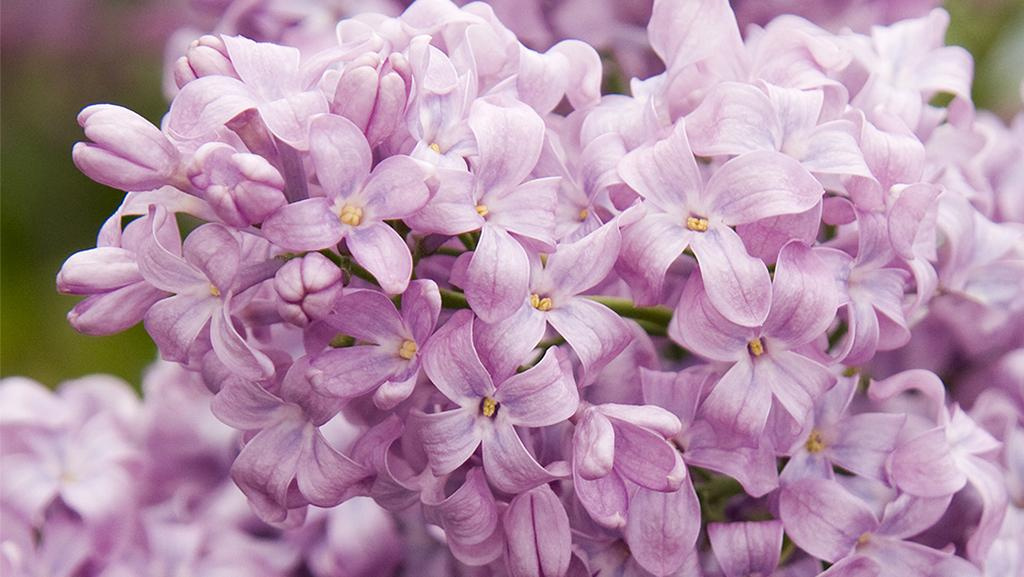
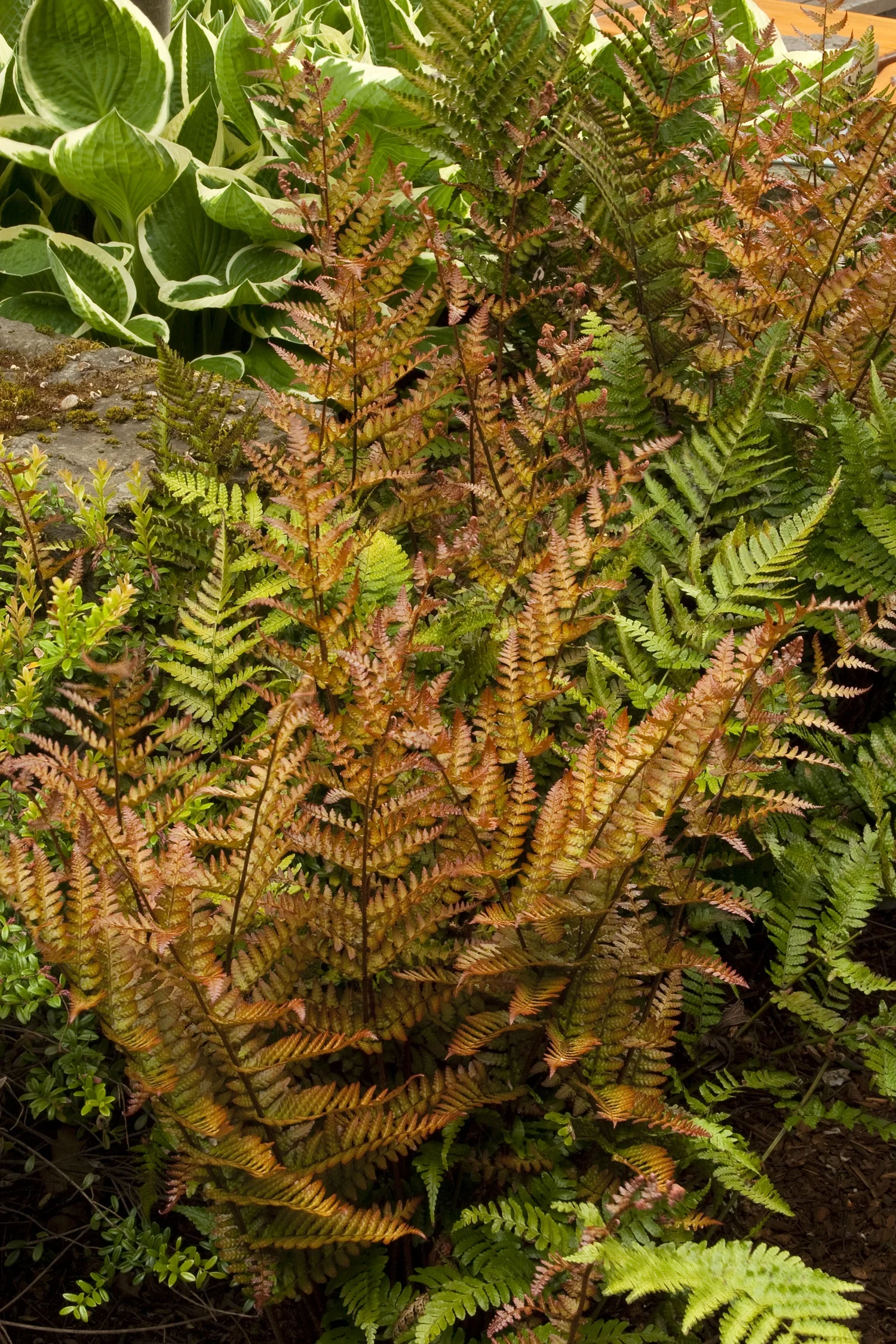
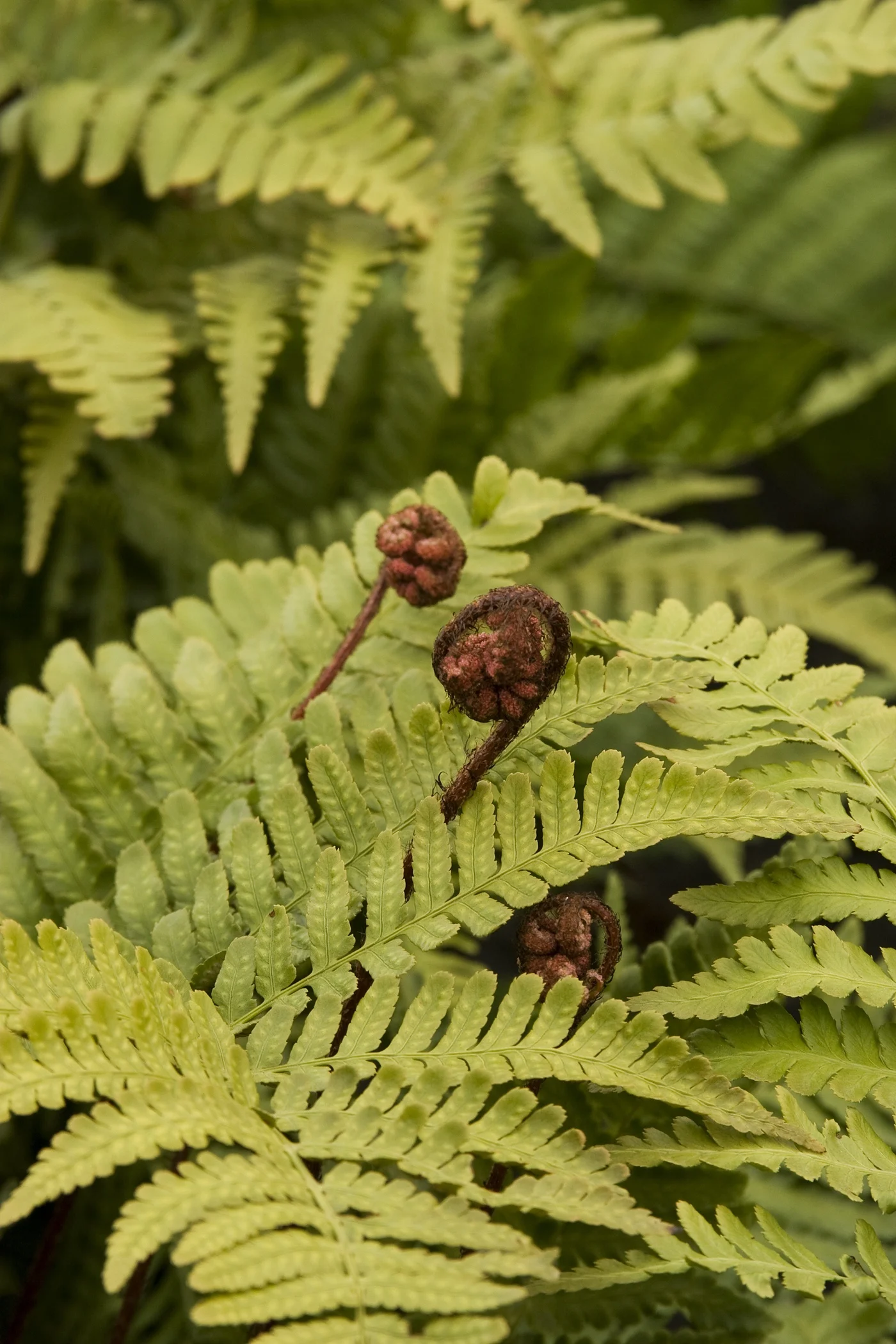
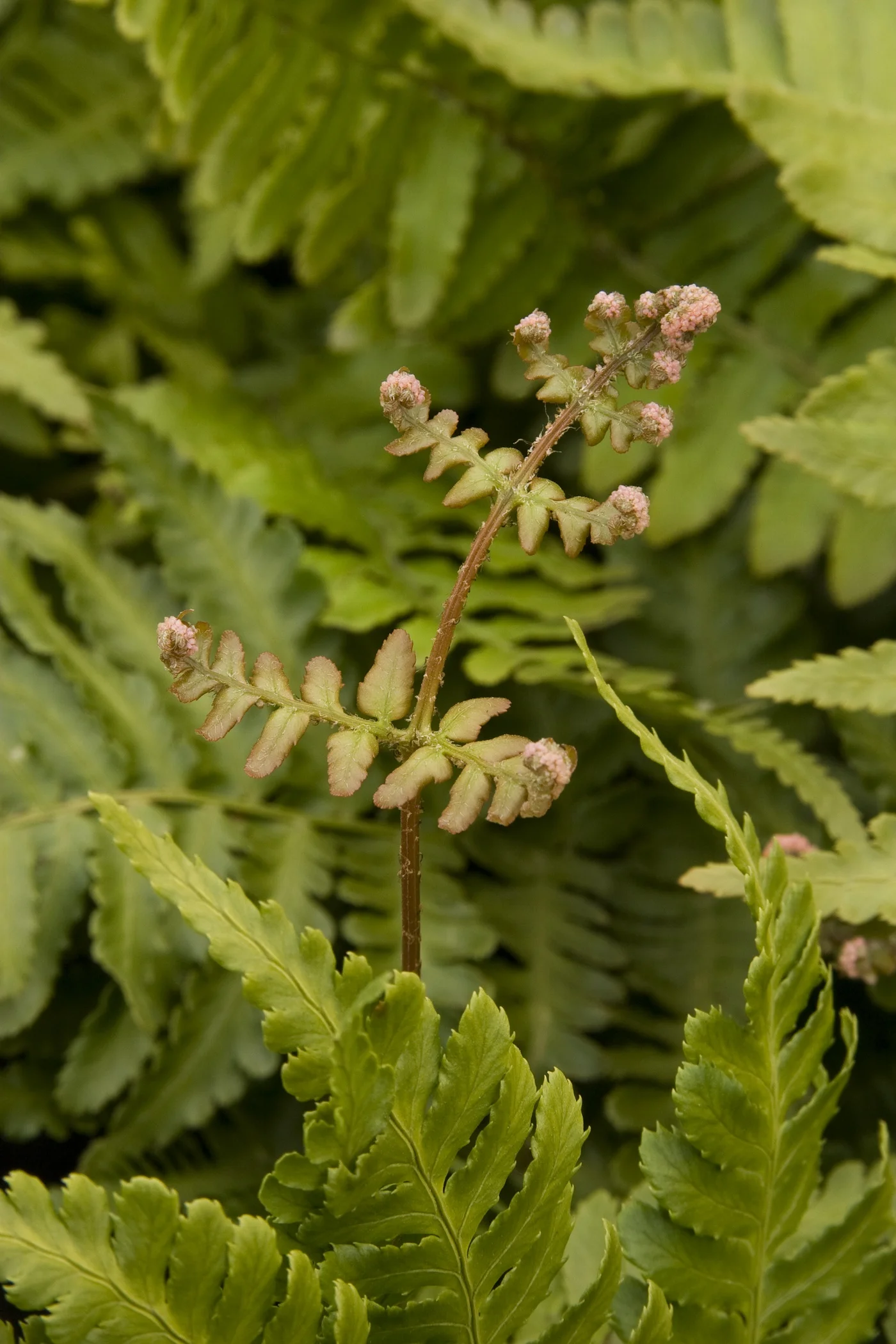
| Description | A bold and beautiful choice for shady borders and woodland gardens. A stunning dwarf fern with a flush of young papery fronds that emerge a copper-red color, then mature to a deep green. Spreads by underground stems. An herbaceous perennial. |
|---|---|
| Bloom Time | Prized for foliage. |
| Deciduous/Evergreen | Herbaceous |
| Special Features | Dramatic Foliage Color, Easy Care, Compact Form |
| Problems/Solutions | Deer Resistant, Erosion Control, Rabbit Resistant |
| Growth Rate | Slow |
| Growth Habit | Spreading |
| Landscape Use | Border, Container, Ground Cover, Edging |
| Design Ideas | A low-growing frilly Fern that behaves like a groundcover due to its spreading habit. Use to cover barren spots in shaded gardens or add to shade compositions that need a little seasonal color. Drought resistant, it is a labor saver in courtyards and atriums. |
| Foliage Color | Green |
| Companion Plants | Coral Bells (Heuchera); Bleeding Heart (Dicentra); Hosta (Hosta); Lungwort (Pulmonaria); Ligularia (Ligularia) |
| Care Instructions | Provide organically rich, slightly acidic, moist, well-drained soil. Water deeply and regularly during the first growing season to establish an extensive root system; once established, water regularly to maintain evenly moist soil. Fertilize regularly during the growing season. Cut back old fronds after new growth begins in spring. |
| History | This plant has been shuffled about in classification and nomenclature far less than most of its confused kin. To start it is grouped with the ferns into the Polypodiaceae. This genus, Dryopteris, is credited to French botanist Michel Adanson, 1727-1806. It contains about 150 species of temperate and tropical origins, and these have been regrouped by some references into a number of other genera, such as Aspidium, and Thelypteris. This species is native to an enormous range of China and Japan. It may be synonymous with D. chrysoloba due to minor distinctions between the species. The species classification is attributed to Daniel Cady Eaton, 1834-1895, the noted American fern expert and professor at Yale University. |
Details
| Description | A bold and beautiful choice for shady borders and woodland gardens. A stunning dwarf fern with a flush of young papery fronds that emerge a copper-red color, then mature to a deep green. Spreads by underground stems. An herbaceous perennial. |
|---|---|
| Bloom Time | Prized for foliage. |
| Deciduous/Evergreen | Herbaceous |
| Special Features | Dramatic Foliage Color, Easy Care, Compact Form |
| Problems/Solutions | Deer Resistant, Erosion Control, Rabbit Resistant |
| Growth Rate | Slow |
| Growth Habit | Spreading |
Style
| Landscape Use | Border, Container, Ground Cover, Edging |
|---|---|
| Design Ideas | A low-growing frilly Fern that behaves like a groundcover due to its spreading habit. Use to cover barren spots in shaded gardens or add to shade compositions that need a little seasonal color. Drought resistant, it is a labor saver in courtyards and atriums. |
| Foliage Color | Green |
| Companion Plants | Coral Bells (Heuchera); Bleeding Heart (Dicentra); Hosta (Hosta); Lungwort (Pulmonaria); Ligularia (Ligularia) |
Care
| Care Instructions | Provide organically rich, slightly acidic, moist, well-drained soil. Water deeply and regularly during the first growing season to establish an extensive root system; once established, water regularly to maintain evenly moist soil. Fertilize regularly during the growing season. Cut back old fronds after new growth begins in spring. |
|---|
History
| History | This plant has been shuffled about in classification and nomenclature far less than most of its confused kin. To start it is grouped with the ferns into the Polypodiaceae. This genus, Dryopteris, is credited to French botanist Michel Adanson, 1727-1806. It contains about 150 species of temperate and tropical origins, and these have been regrouped by some references into a number of other genera, such as Aspidium, and Thelypteris. This species is native to an enormous range of China and Japan. It may be synonymous with D. chrysoloba due to minor distinctions between the species. The species classification is attributed to Daniel Cady Eaton, 1834-1895, the noted American fern expert and professor at Yale University. |
|---|
Retailers Near You
About Us
We have been pioneers and craftsmen in the art of growing plants for 100 years. Since our founding in Southern California by Harry E. Rosedale, Sr. in 1926, we have been absolutely dedicated and obsessed with quality.
We have been pioneers and craftsmen in the art of growing plants for nearly 100 years. Since our founding in Southern California by Harry E. Rosedale, Sr. in 1926, we have been absolutely dedicated and obsessed with quality.