
You're growing in this Zip Code:
Change LocationDiscover Plants for Your Area
Blue Dune Lyme Grass
Elymus arenarius 'Blue Dune'
Pronunciation: EL-ih-mus ar-en-AR-ee-us
SKU #03194
LIGHT:
Full sun, Partial sun
WATER:
Water when top 2 inches of soil is dry.
SIZE:
Quickly forms clumps 2 ft. tall and wide; 3 ft. tall in bloom.

Retailers Near You
Ready to Grow?
Ship Monrovia plants directly to your door. Browse a curated selection available online.
Shop Now >
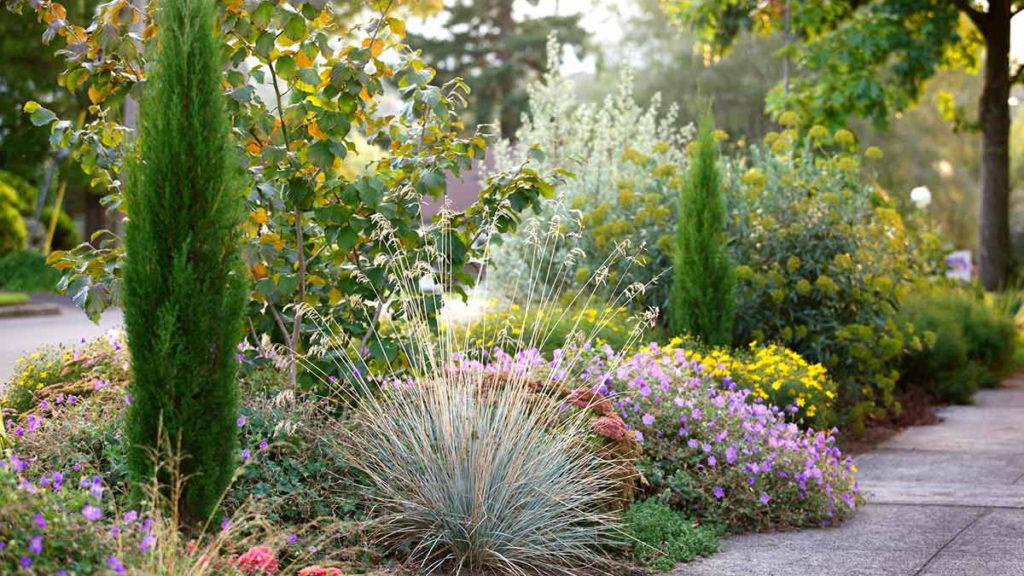
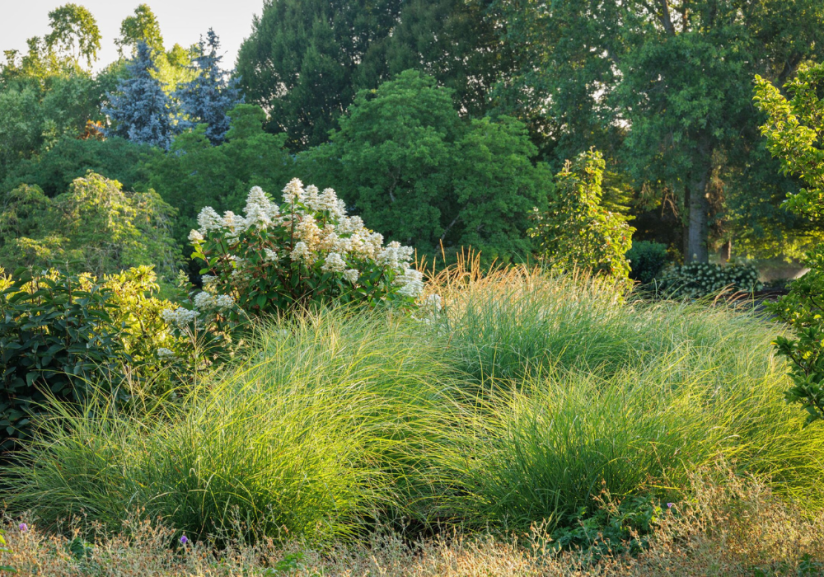
| Description | Striking silver-blue foliage is a standout in any landscape. Highly effective when paired with purple flowers or plants with maroon foliage. Produces wheat-colored plumes in summer. Foliage clumps spread vigorously by rhizomes; very useful for filling in large areas quickly and for erosion control. Very heat tolerant. |
|---|---|
| Bloom Time | Late summer |
| Deciduous/Evergreen | Herbaceous |
| Special Features | Dramatic Foliage Color, Easy Care, Waterwise, Fast Growing, Benefits Birds |
| Problems/Solutions | Erosion Control |
| Growth Rate | Fast |
| Growth Habit | Spreading |
| Landscape Use | Border, Ground Cover, Hillside |
| Flower Color | Brown |
| Foliage Color | Silver-blue |
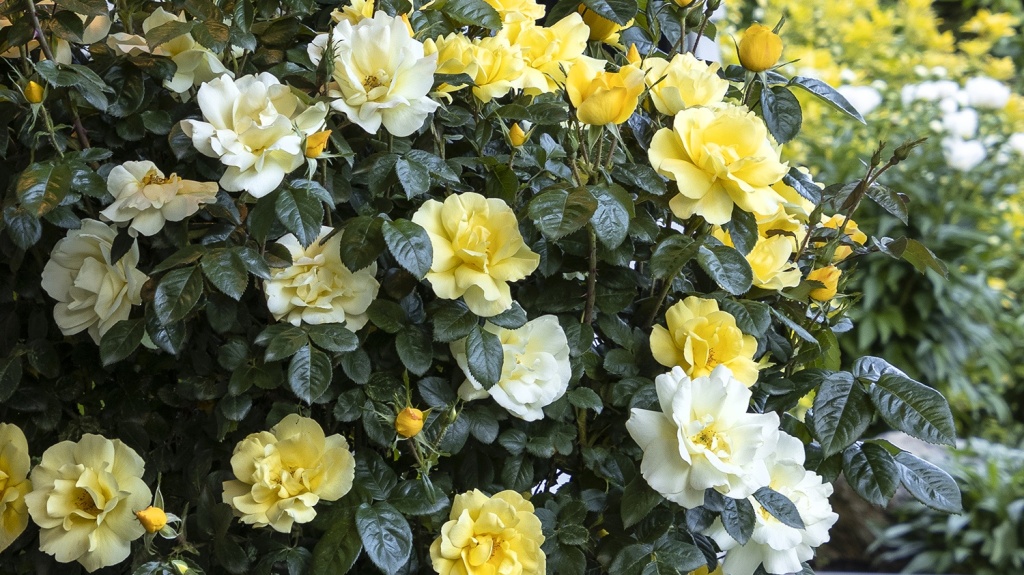
| Companion Plants | Ninebark (Physocarpus); Catmint (Nepeta); Potentilla (Potentilla); Shrub Rose (Rosa); Cranesbill (Geranium) |
| Care Instructions | Grows easily in a wide range of soils; less vigorous in dry, clay soils. Water regularly in first growing season to establish an extensive root system. Once established, reduce frequency; tolerates periodic dry spells. Space 2 to 3 ft. apart as groundcover; closer for faster coverage. May be cut back in late spring to rejuvenate foliage. |
Details
| Description | Striking silver-blue foliage is a standout in any landscape. Highly effective when paired with purple flowers or plants with maroon foliage. Produces wheat-colored plumes in summer. Foliage clumps spread vigorously by rhizomes; very useful for filling in large areas quickly and for erosion control. Very heat tolerant. |
|---|---|
| Bloom Time | Late summer |
| Deciduous/Evergreen | Herbaceous |
| Special Features | Dramatic Foliage Color, Easy Care, Waterwise, Fast Growing, Benefits Birds |
| Problems/Solutions | Erosion Control |
| Growth Rate | Fast |
| Growth Habit | Spreading |
Style
| Landscape Use | Border, Ground Cover, Hillside |
|---|---|
| Flower Color | Brown |
| Foliage Color | Silver-blue |
| Companion Plants | Ninebark (Physocarpus); Catmint (Nepeta); Potentilla (Potentilla); Shrub Rose (Rosa); Cranesbill (Geranium) |
Care
| Care Instructions | Grows easily in a wide range of soils; less vigorous in dry, clay soils. Water regularly in first growing season to establish an extensive root system. Once established, reduce frequency; tolerates periodic dry spells. Space 2 to 3 ft. apart as groundcover; closer for faster coverage. May be cut back in late spring to rejuvenate foliage. |
|---|
Frequently asked questions
Does Blue Dune Lyme Grass produce flowers?
Late summer
Is Blue Dune Lyme Grass evergreen or deciduous?
Blue Dune Lyme Grass is Herbaceous.
What are the special features of Blue Dune Lyme Grass?
Blue Dune Lyme Grass is Dramatic Foliage Color, Easy Care, Waterwise, Fast Growing, Benefits Birds.
Is Blue Dune Lyme Grass resistant to pests or animals?
Erosion Control
How fast does Blue Dune Lyme Grass grow?
Blue Dune Lyme Grass has a Fast growth rate.
What is the growth habit of Blue Dune Lyme Grass?
Blue Dune Lyme Grass grows in an Spreading habit.
Where can I use Blue Dune Lyme Grass in my landscape?
Blue Dune Lyme Grass is suitable for: Border, Ground Cover, Hillside.
What color are Blue Dune Lyme Grass flowers?
Blue Dune Lyme Grass produces Brown flowers.
What color is the foliage of Blue Dune Lyme Grass?
Blue Dune Lyme Grass has Silver-blue foliage.
What plants grow well with Blue Dune Lyme Grass?
Good companion plants for Blue Dune Lyme Grass include: Ninebark (Physocarpus); Catmint (Nepeta); Potentilla (Potentilla); Shrub Rose (Rosa); Cranesbill (Geranium).
How do I care for Blue Dune Lyme Grass?
Grows easily in a wide range of soils; less vigorous in dry, clay soils. Water regularly in first growing season to establish an extensive root system. Once established, reduce frequency; tolerates periodic dry spells. Space 2 to 3 ft. apart as groundcover; closer for faster coverage. May be cut back in late spring to rejuvenate foliage.
Retailers Near You
About Us
We have been pioneers and craftsmen in the art of growing plants for 100 years. Since our founding in Southern California by Harry E. Rosedale, Sr. in 1926, we have been absolutely dedicated and obsessed with quality.
We have been pioneers and craftsmen in the art of growing plants for nearly 100 years. Since our founding in Southern California by Harry E. Rosedale, Sr. in 1926, we have been absolutely dedicated and obsessed with quality.