
You're growing in this Zip Code:
Change LocationDiscover Plants for Your Area
Bunchberry
Cornus canadensis
Pronunciation: KOR-nus kan-a-DEN-sis
SKU #02764
LIGHT:
Filtered sun, Partial shade, Partial sun
WATER:
Keep soil moist to wet.
SIZE:
Reaches only 6 to 12 in. tall, spreading widely by underground rhizomes.

Retailers Near You
Ready to Grow?
Ship Monrovia plants directly to your door. Browse a curated selection available online.
Shop Now >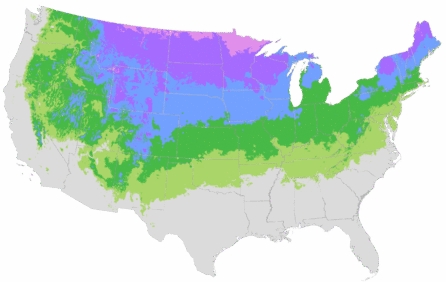
| Description | A lush carpet-like groundcover is created by whorls of deeply veined, rich green leaves. Showy white flowers among the foliage are followed by clusters of bright red berries in fall. Well-suited to the dappled shade of woodland gardens. A great choice for naturalized areas and for edging shaded pathways. An herbaceous perennial. |
|---|---|
| Bloom Time | Late spring |
| Deciduous/Evergreen | Herbaceous |
| Special Features | Easy Care, Fall Color, Ornamental Berries, Showy Fruit, Edible, North American Native, Benefits Birds |
| Problems/Solutions | Erosion Control, Rabbit Resistant, Very Wet Areas |
| Growth Rate | Moderate |
| Growth Habit | Spreading |
| Flower Attributes | Showy Flowers |
| Landscape Use | Border, Container, Ground Cover, Edging, Hillside |
| Design Ideas | A perfect American native to fill out landscaping under trees. Use as a naturalized groundcover beneath groves of evergreen and deciduous species. Works as an excellent edging for along sidewalks and flagstone paths. Nestles boulders and outcroppings as well as rock waterfalls. An ideal choice for wild gardens and habitat, as well as easing transition from the cultivated landscape to natural open space. |
| Flower Color | Green |
| Foliage Color | Green |
| Foliage Fall Color | Yellow |
| Companion Plants | Birch (Betula); Chokeberry (Aronia); Sweet Flag (Acorus); (Clethra (Clethra); Serviceberry (Amelanchier); Wintergreen (Gaultheria) |
| Care Instructions | Thrives in organically rich, acidic, moist, well-drained soils in cool northern regions; does not tolerate hot, humid environments. Space 2 ft. to 3 ft. apart as groundcover; closer for faster coverage. Control weeds with mulch until the plants cover the area. Remove old, faded foliage in late winter before new growth emerges. |
| History | This unique dogwood was first classified in 1774. Plants are distributed over an enormous range from Greenland west to Alaska and south to Minnesota and New Jersey. It can also be found at high elevations of the West. |
| Lore | The fruit of Bunchberry was used by many Native American tribes within its range for both food and as a pectin-rich medicinal. |
Details
| Description | A lush carpet-like groundcover is created by whorls of deeply veined, rich green leaves. Showy white flowers among the foliage are followed by clusters of bright red berries in fall. Well-suited to the dappled shade of woodland gardens. A great choice for naturalized areas and for edging shaded pathways. An herbaceous perennial. |
|---|---|
| Bloom Time | Late spring |
| Deciduous/Evergreen | Herbaceous |
| Special Features | Easy Care, Fall Color, Ornamental Berries, Showy Fruit, Edible, North American Native, Benefits Birds |
| Problems/Solutions | Erosion Control, Rabbit Resistant, Very Wet Areas |
| Growth Rate | Moderate |
| Growth Habit | Spreading |
| Flower Attributes | Showy Flowers |
Style
| Landscape Use | Border, Container, Ground Cover, Edging, Hillside |
|---|---|
| Design Ideas | A perfect American native to fill out landscaping under trees. Use as a naturalized groundcover beneath groves of evergreen and deciduous species. Works as an excellent edging for along sidewalks and flagstone paths. Nestles boulders and outcroppings as well as rock waterfalls. An ideal choice for wild gardens and habitat, as well as easing transition from the cultivated landscape to natural open space. |
| Flower Color | Green |
| Foliage Color | Green |
| Foliage Fall Color | Yellow |
| Companion Plants | Birch (Betula); Chokeberry (Aronia); Sweet Flag (Acorus); (Clethra (Clethra); Serviceberry (Amelanchier); Wintergreen (Gaultheria) |
Care
| Care Instructions | Thrives in organically rich, acidic, moist, well-drained soils in cool northern regions; does not tolerate hot, humid environments. Space 2 ft. to 3 ft. apart as groundcover; closer for faster coverage. Control weeds with mulch until the plants cover the area. Remove old, faded foliage in late winter before new growth emerges. |
|---|
History
| History | This unique dogwood was first classified in 1774. Plants are distributed over an enormous range from Greenland west to Alaska and south to Minnesota and New Jersey. It can also be found at high elevations of the West. |
|---|---|
| Lore | The fruit of Bunchberry was used by many Native American tribes within its range for both food and as a pectin-rich medicinal. |
Frequently asked questions
Does Bunchberry produce flowers?
Late spring
Is Bunchberry evergreen or deciduous?
Bunchberry is Herbaceous.
What are the special features of Bunchberry?
Bunchberry is Easy Care, Fall Color, Ornamental Berries, Showy Fruit, Edible, North American Native, Benefits Birds.
Is Bunchberry resistant to pests or animals?
Erosion Control, Rabbit Resistant, Very Wet Areas
How fast does Bunchberry grow?
Bunchberry has a Moderate growth rate.
What is the growth habit of Bunchberry?
Bunchberry grows in an Spreading habit.
Where can I use Bunchberry in my landscape?
Bunchberry is suitable for: Border, Container, Ground Cover, Edging, Hillside.
How can I use Bunchberry in my garden design?
A perfect American native to fill out landscaping under trees. Use as a naturalized groundcover beneath groves of evergreen and deciduous species. Works as an excellent edging for along sidewalks and flagstone paths. Nestles boulders and outcroppings as well as rock waterfalls. An ideal choice for wild gardens and habitat, as well as easing transition from the cultivated landscape to natural open space.
What color are Bunchberry flowers?
Bunchberry produces Green flowers.
What color is the foliage of Bunchberry?
Bunchberry has Green foliage.
What plants grow well with Bunchberry?
Good companion plants for Bunchberry include: Birch (Betula); Chokeberry (Aronia); Sweet Flag (Acorus); (Clethra (Clethra); Serviceberry (Amelanchier); Wintergreen (Gaultheria).
How do I care for Bunchberry?
Thrives in organically rich, acidic, moist, well-drained soils in cool northern regions; does not tolerate hot, humid environments. Space 2 ft. to 3 ft. apart as groundcover; closer for faster coverage. Control weeds with mulch until the plants cover the area. Remove old, faded foliage in late winter before new growth emerges.
What is the history of Bunchberry?
This unique dogwood was first classified in 1774. Plants are distributed over an enormous range from Greenland west to Alaska and south to Minnesota and New Jersey. It can also be found at high elevations of the West.
Retailers Near You
About Us
We have been pioneers and craftsmen in the art of growing plants for 100 years. Since our founding in Southern California by Harry E. Rosedale, Sr. in 1926, we have been absolutely dedicated and obsessed with quality.
We have been pioneers and craftsmen in the art of growing plants for nearly 100 years. Since our founding in Southern California by Harry E. Rosedale, Sr. in 1926, we have been absolutely dedicated and obsessed with quality.