
You're growing in this Zip Code:
Discover Plants for Your Area


Chindo Sweet Viburnum
Viburnum awabuki 'Chindo'
Pronunciation: vy-BER-num ah-wa-BEW-kee
SKU #07475
LIGHT:
Full sun, Partial sun
WATER:
Water when top 2 inches of soil is dry.
SIZE:
Quickly reaches 12 ft. tall, 8 ft. wide.

Retailers Near You
Ready to Grow?
Ship Monrovia plants directly to your door. Browse a curated selection available online.
Shop Now >This Plant's Growing Zones: 7-11
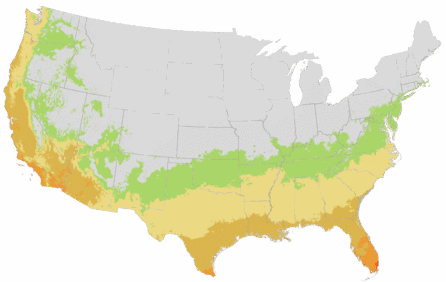
Your USDA Cold Hardiness Zone:
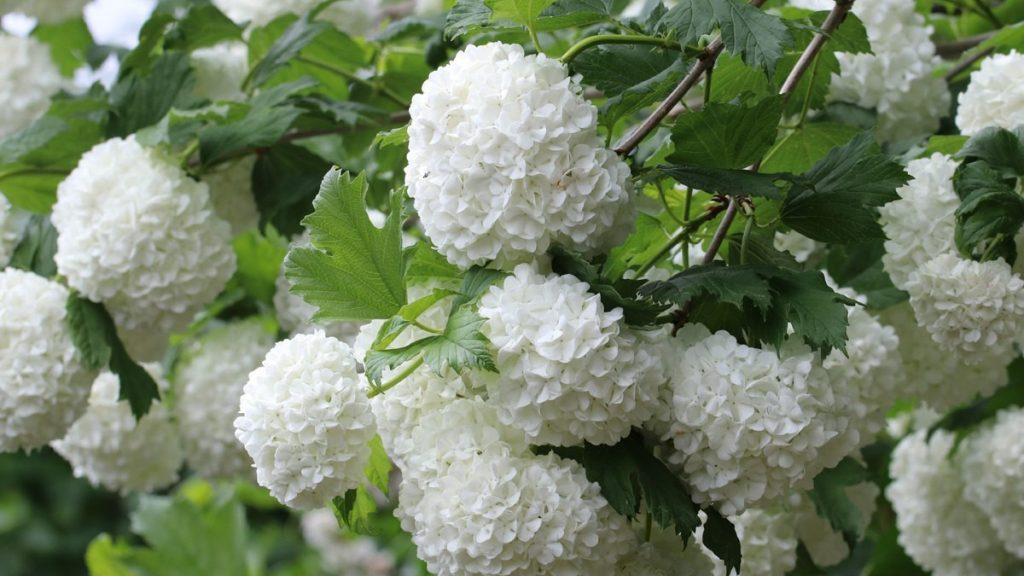
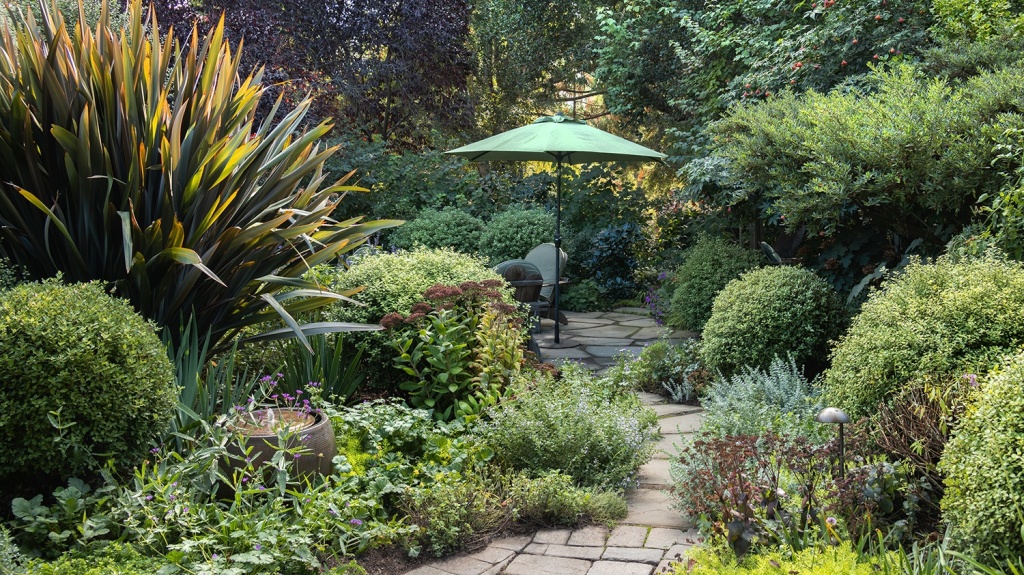
| Description | An excellent tall evergreen hedge with dense, lustrous, dark green leaves. The attractive foliage backs abundant clusters of fragrant white flowers. The spring blooms are followed by heavy clusters of red berries that ripen to black in the fall. Ideal for a wildlife garden. |
|---|---|
| Bloom Time | Late spring |
| Deciduous/Evergreen | Evergreen |
| Special Features | Ornamental Berries, Fast Growing, Benefits Birds |
| Growth Rate | Fast |
| Growth Habit | Upright |
| Flower Attributes | Fragrant, Showy Flowers |
| Landscape Use | Border, Hedge, Poolside, Privacy Screen, Windbreak |
| Design Ideas | This tall shrub makes an excellent hedge or screen, providing fragrant flowers and fall/winter fruit. Also useful in the back of the border as an accent. |
| Flower Color | White |
| Foliage Color | Green |
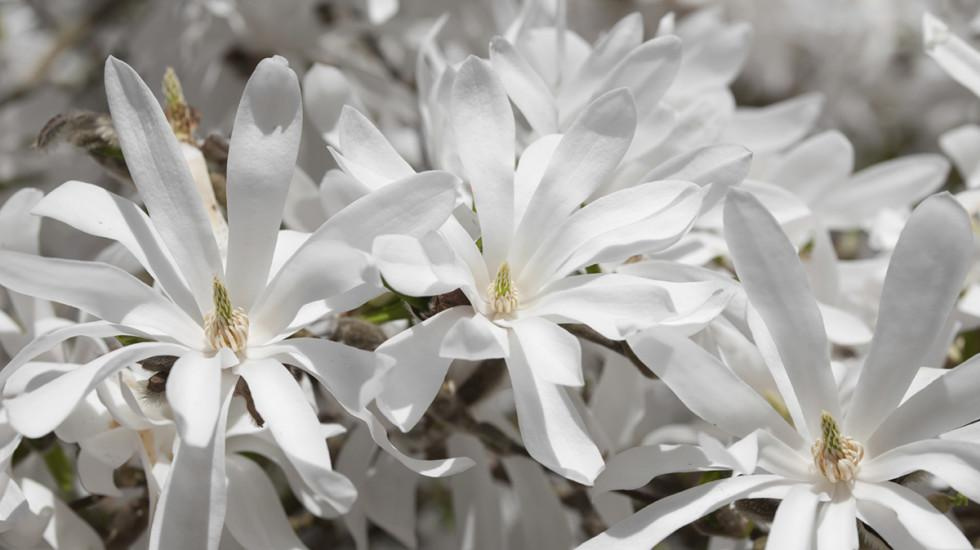
| Companion Plants | Beautyberry (Callicarpa); Rhododendron (Rhododendron); Magnolia (Magnolia); Hosta (Hosta); Astilbe (Astilbe) |
| Care Instructions | Easily grown in average, evenly moist, slightly acidic, well-drained soil. Water deeply, regularly during first growing season to establish an extensive root system. Once established, reduce frequency; tolerates moderate drought. Fertilize before new growth begins in spring. For a tidy appearance, prune annually to shape. |
| History | The viburnum clan falls into the honeysuckle family, Caprifoliaceae. The genus, classified by Linnaeus includes over 225 species spread over most of the globe an on virtually every continent. Th species is native to Japan, Korea and Taiwan and introduced in 1818. It has proven to be highly variable, producing different forms within its range. Originally it was classified as V. odoratisssimum var. Awabuki but this plant has been since given its own species. The name Awabuki is derived from its place of origin in Japan. |
| Lore | This cultivar of Viburnum Awabuki was collected by J.C. Raulston of North Carolina State University Arboretum, from plants he found on the South Korean island of Chindo in 1985. |
Details
| Description | An excellent tall evergreen hedge with dense, lustrous, dark green leaves. The attractive foliage backs abundant clusters of fragrant white flowers. The spring blooms are followed by heavy clusters of red berries that ripen to black in the fall. Ideal for a wildlife garden. |
|---|---|
| Bloom Time | Late spring |
| Deciduous/Evergreen | Evergreen |
| Special Features | Ornamental Berries, Fast Growing, Benefits Birds |
| Growth Rate | Fast |
| Growth Habit | Upright |
| Flower Attributes | Fragrant, Showy Flowers |
Style
| Landscape Use | Border, Hedge, Poolside, Privacy Screen, Windbreak |
|---|---|
| Design Ideas | This tall shrub makes an excellent hedge or screen, providing fragrant flowers and fall/winter fruit. Also useful in the back of the border as an accent. |
| Flower Color | White |
| Foliage Color | Green |
| Companion Plants | Beautyberry (Callicarpa); Rhododendron (Rhododendron); Magnolia (Magnolia); Hosta (Hosta); Astilbe (Astilbe) |
Care
| Care Instructions | Easily grown in average, evenly moist, slightly acidic, well-drained soil. Water deeply, regularly during first growing season to establish an extensive root system. Once established, reduce frequency; tolerates moderate drought. Fertilize before new growth begins in spring. For a tidy appearance, prune annually to shape. |
|---|
History
| History | The viburnum clan falls into the honeysuckle family, Caprifoliaceae. The genus, classified by Linnaeus includes over 225 species spread over most of the globe an on virtually every continent. Th species is native to Japan, Korea and Taiwan and introduced in 1818. It has proven to be highly variable, producing different forms within its range. Originally it was classified as V. odoratisssimum var. Awabuki but this plant has been since given its own species. The name Awabuki is derived from its place of origin in Japan. |
|---|---|
| Lore | This cultivar of Viburnum Awabuki was collected by J.C. Raulston of North Carolina State University Arboretum, from plants he found on the South Korean island of Chindo in 1985. |
Retailers Near You
About Us
We have been pioneers and craftsmen in the art of growing plants for 100 years. Since our founding in Southern California by Harry E. Rosedale, Sr. in 1926, we have been absolutely dedicated and obsessed with quality.
We have been pioneers and craftsmen in the art of growing plants for nearly 100 years. Since our founding in Southern California by Harry E. Rosedale, Sr. in 1926, we have been absolutely dedicated and obsessed with quality.