
You're growing in this Zip Code:
Change LocationDiscover Plants for Your Area
Coral Bark Japanese Maple
Acer palmatum 'Sango Kaku'
Pronunciation: AY-ser pal-MA-tum
SKU #00102
LIGHT:
Filtered sun, Full sun, Partial sun
WATER:
Keep soil consistently moist but not soggy.
SIZE:
Moderate growing; reaches 15 to 25 ft. tall, 15 to 20 ft. wide.

Retailers Near You
Ready to Grow?
Ship Monrovia plants directly to your door. Browse a curated selection available online.
Shop Now >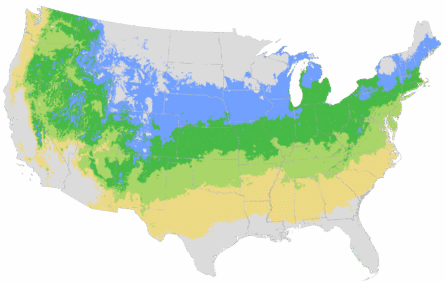
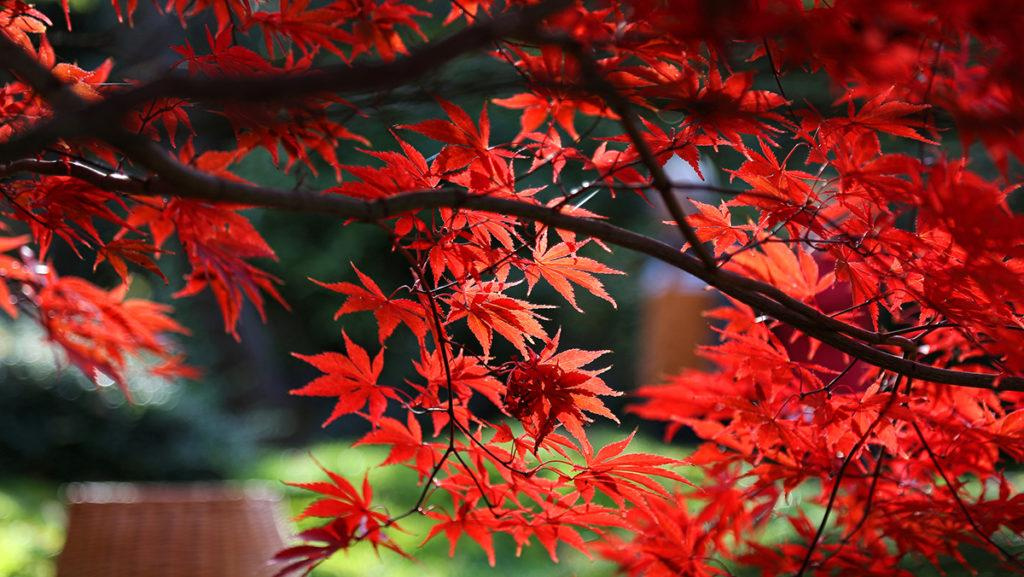
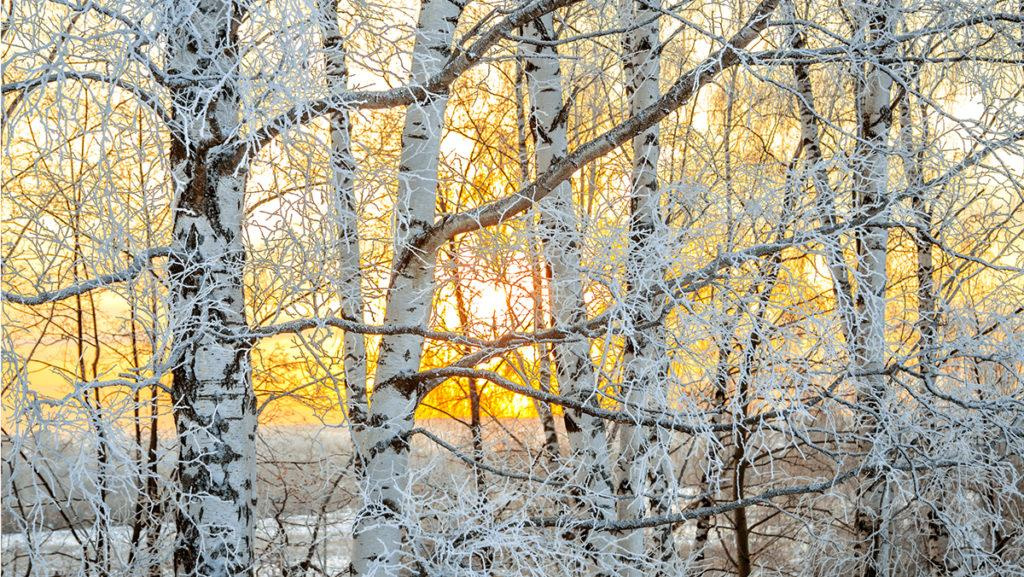
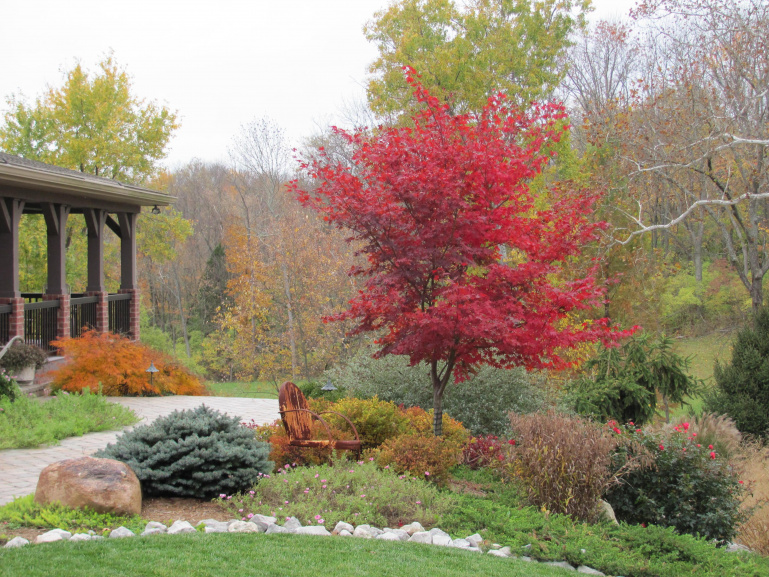
| Description | This beautiful small tree has brilliant red-coral bark on its young branches with color that intensifies in the winter. Deeply cut, pale green leaves display attractive red margins and turn a vibrant, golden yellow in fall. Thrives in bright dappled shade in warmer regions, or in full sun in cooler regions. Deciduous. |
|---|---|
| Bloom Time | Inconspicuous; prized for foliage. |
| Deciduous/Evergreen | Deciduous |
| Special Features | Attractive Bark, Dramatic Foliage Color, Easy Care, Fall Color |
| Problems/Solutions | Deer Resistant, Rabbit Resistant |
| Growth Rate | Moderate |
| Growth Habit | Rounded |
| Landscape Use | Poolside |
| Flower Color | Purple |
| Foliage Color | Light Green |
| Foliage Fall Color | Yellow |
| Companion Plants | Lily of the Valley Shrub (Pieris); Rhododendron (Rhododendron); Hosta (Hosta); Astilbe (Astilbe); Heath (Erica) |
| Care Instructions | Provide slightly acidic, well-drained soil; shelter from drying winds. Avoid harsh afternoon sun exposures in hot summer areas. Mulch to keep root zone cool. Water deeply, regularly in first few growing seasons to establish an extensive root system; reduce frequency once established. Apply slow-release fertilizer in early spring. |
Details
| Description | This beautiful small tree has brilliant red-coral bark on its young branches with color that intensifies in the winter. Deeply cut, pale green leaves display attractive red margins and turn a vibrant, golden yellow in fall. Thrives in bright dappled shade in warmer regions, or in full sun in cooler regions. Deciduous. |
|---|---|
| Bloom Time | Inconspicuous; prized for foliage. |
| Deciduous/Evergreen | Deciduous |
| Special Features | Attractive Bark, Dramatic Foliage Color, Easy Care, Fall Color |
| Problems/Solutions | Deer Resistant, Rabbit Resistant |
| Growth Rate | Moderate |
| Growth Habit | Rounded |
Style
| Landscape Use | Poolside |
|---|---|
| Flower Color | Purple |
| Foliage Color | Light Green |
| Foliage Fall Color | Yellow |
| Companion Plants | Lily of the Valley Shrub (Pieris); Rhododendron (Rhododendron); Hosta (Hosta); Astilbe (Astilbe); Heath (Erica) |
Care
| Care Instructions | Provide slightly acidic, well-drained soil; shelter from drying winds. Avoid harsh afternoon sun exposures in hot summer areas. Mulch to keep root zone cool. Water deeply, regularly in first few growing seasons to establish an extensive root system; reduce frequency once established. Apply slow-release fertilizer in early spring. |
|---|
Frequently asked questions
Does Coral Bark Japanese Maple produce flowers?
Inconspicuous; prized for foliage.
Is Coral Bark Japanese Maple evergreen or deciduous?
Coral Bark Japanese Maple is Deciduous.
What are the special features of Coral Bark Japanese Maple?
Coral Bark Japanese Maple is Attractive Bark, Dramatic Foliage Color, Easy Care, Fall Color.
Is Coral Bark Japanese Maple resistant to pests or animals?
Deer Resistant, Rabbit Resistant
How fast does Coral Bark Japanese Maple grow?
Coral Bark Japanese Maple has a Moderate growth rate.
What is the growth habit of Coral Bark Japanese Maple?
Coral Bark Japanese Maple grows in an Rounded habit.
Where can I use Coral Bark Japanese Maple in my landscape?
Coral Bark Japanese Maple is suitable for: Poolside.
What color are Coral Bark Japanese Maple flowers?
Coral Bark Japanese Maple produces Purple flowers.
What color is the foliage of Coral Bark Japanese Maple?
Coral Bark Japanese Maple has Light Green foliage.
What plants grow well with Coral Bark Japanese Maple?
Good companion plants for Coral Bark Japanese Maple include: Lily of the Valley Shrub (Pieris); Rhododendron (Rhododendron); Hosta (Hosta); Astilbe (Astilbe); Heath (Erica).
How do I care for Coral Bark Japanese Maple?
Provide slightly acidic, well-drained soil; shelter from drying winds. Avoid harsh afternoon sun exposures in hot summer areas. Mulch to keep root zone cool. Water deeply, regularly in first few growing seasons to establish an extensive root system; reduce frequency once established. Apply slow-release fertilizer in early spring.
Retailers Near You
About Us
We have been pioneers and craftsmen in the art of growing plants for 100 years. Since our founding in Southern California by Harry E. Rosedale, Sr. in 1926, we have been absolutely dedicated and obsessed with quality.
We have been pioneers and craftsmen in the art of growing plants for nearly 100 years. Since our founding in Southern California by Harry E. Rosedale, Sr. in 1926, we have been absolutely dedicated and obsessed with quality.