
You're growing in this Zip Code:
Change LocationDiscover Plants for Your Area

Dwarf Alberta Spruce
Picea glauca 'Conica'
Pronunciation: PY-see-uh GLAW-kuh KOH-nee-ka
SKU #06462
LIGHT:
Full sun, Partial sun
WATER:
Water when top 2 inches of soil is dry.
SIZE:
Grows 8 ft. tall, 5 ft. wide.

Home Delivery Price
?
- Arrives in 3 to 7 days
- Free shipping on orders over $99
- Perfect Start Promise
Select Quantity
Retailers Near You
| Description | A perfect cone-shaped dwarf conifer displaying dense green needles. Excellent as a miniature Christmas tree in natural form, or as an artistically pruned topiary. Makes a formal statement in the garden. A superb container specimen. Evergreen. |
|---|---|
| Bloom Time | Conifer; prized for foliage. |
| Deciduous/Evergreen | Evergreen |
| Special Features | Easy Care, Compact Form, Benefits Birds |
| Problems/Solutions | Deer Resistant, Rabbit Resistant, Road Salt Tolerant |
| Growth Rate | Moderate |
| Growth Habit | Pyramidal |
| Landscape Use | Border, Container, Hedge, Windbreak, Suitable for Topiary |
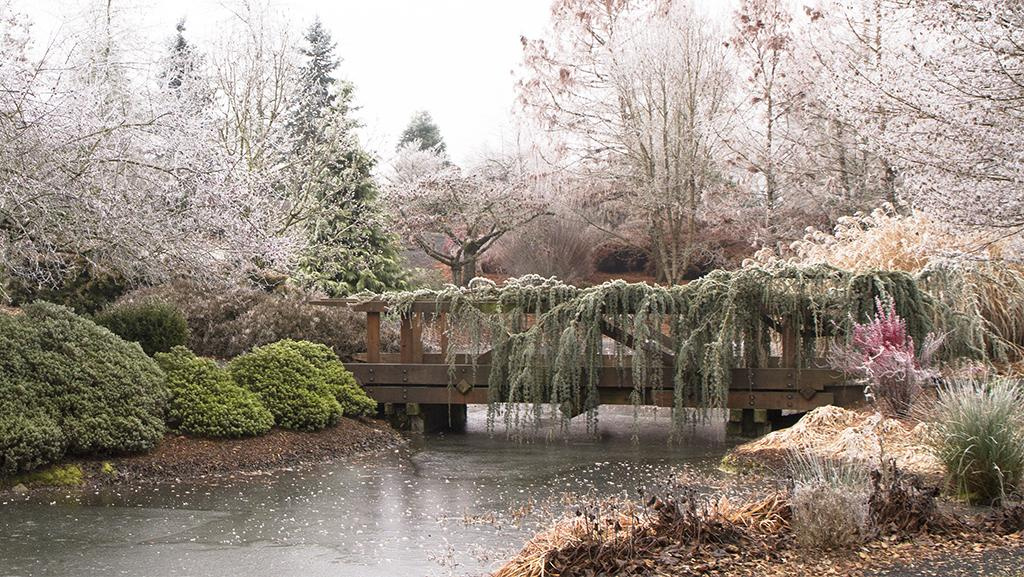
| Design Ideas | This dense pointed conifer is a perfect front yard Christmas tree for holiday lighting at small city homes. Dense growth means it's also a great screen plant that won't overgrow tight spaces. Use symmetrical form as a single accent, in matched pair or in an evenly spaced series amidst hedges and parterres. Experiment with topiary spirals or poodles for potted specimens on entries and patios, where there's no room to plant. A beautiful choice for woodland gardens or behind water features. |
| Foliage Color | Green |
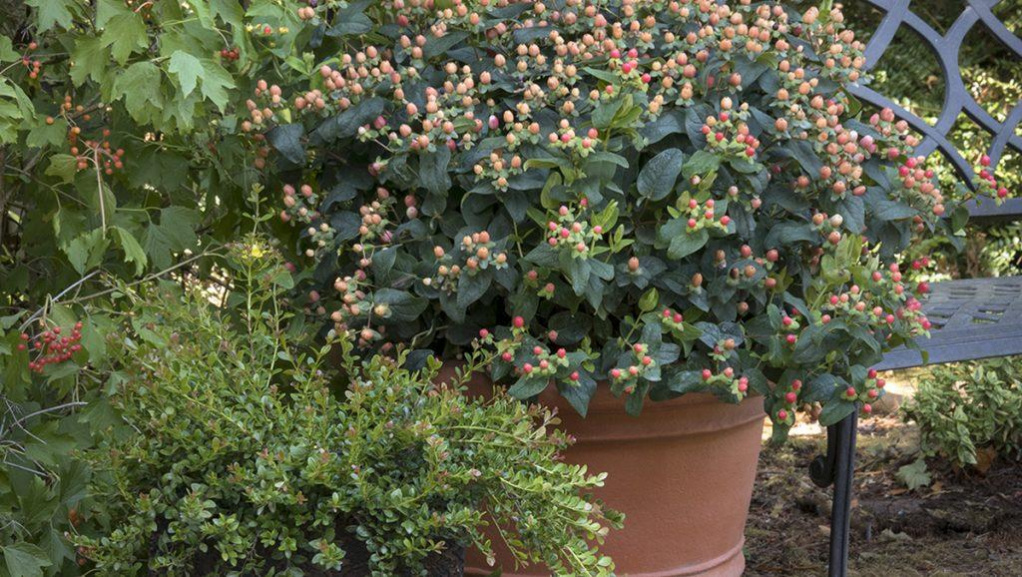
| Companion Plants | Maiden Grass (Miscanthus); Boxwood (Buxus); Lavender (Lavandula); Spirea (Spiraea); Variegated Dogwood (Cornus) |
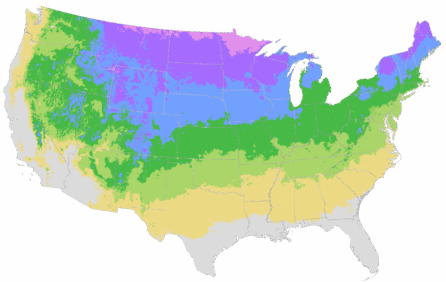
| Care Instructions | Tolerates a wide range of well-drained soils. Thrives in cold winter, cool summer areas. Site a few feet from structures to allow good air circulation. Water deeply, regularly during the first growing season to establish an extensive root system. Fertilize before new growth begins in spring. Prune topiary forms regularly to maintain shape. |
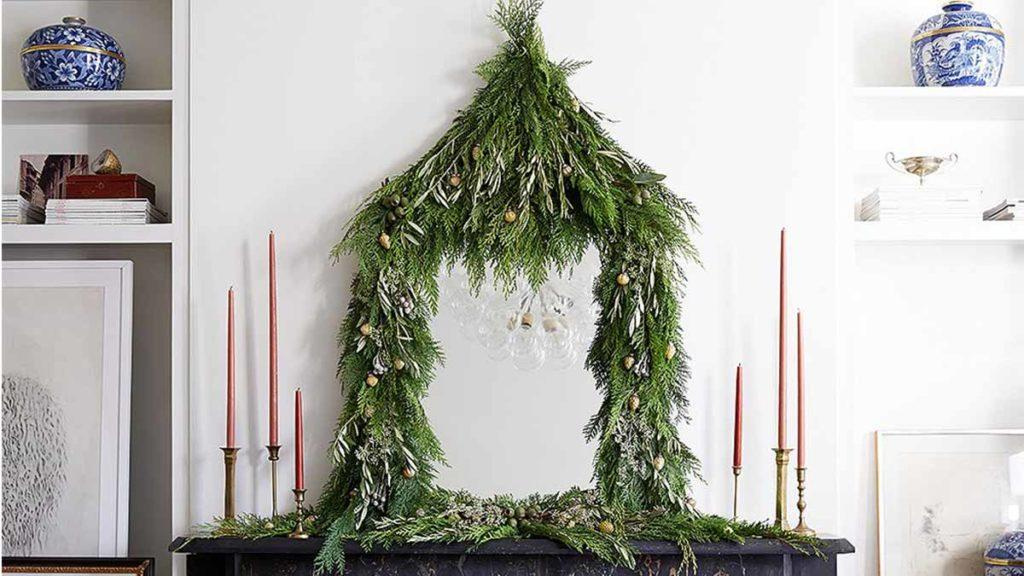
| History | This conifer is native to a number of states adjacent to the Canadian border, through Canada into Alaska. Alberta spruce is grown as Christmas trees and fresh cut greens used in holiday decorating. |
| Lore | The genus name Picea translates from the Latin for pitch, a sugar rich gum extracted from spruce trees. Native Americans used its gum as a salve and brewed the resin into medicinal drink for childbirth and other ailments. Its oils have some commercial value. |
Details
| Description | A perfect cone-shaped dwarf conifer displaying dense green needles. Excellent as a miniature Christmas tree in natural form, or as an artistically pruned topiary. Makes a formal statement in the garden. A superb container specimen. Evergreen. |
|---|---|
| Bloom Time | Conifer; prized for foliage. |
| Deciduous/Evergreen | Evergreen |
| Special Features | Easy Care, Compact Form, Benefits Birds |
| Problems/Solutions | Deer Resistant, Rabbit Resistant, Road Salt Tolerant |
| Growth Rate | Moderate |
| Growth Habit | Pyramidal |
Style
| Landscape Use | Border, Container, Hedge, Windbreak, Suitable for Topiary |
|---|---|
| Design Ideas | This dense pointed conifer is a perfect front yard Christmas tree for holiday lighting at small city homes. Dense growth means it's also a great screen plant that won't overgrow tight spaces. Use symmetrical form as a single accent, in matched pair or in an evenly spaced series amidst hedges and parterres. Experiment with topiary spirals or poodles for potted specimens on entries and patios, where there's no room to plant. A beautiful choice for woodland gardens or behind water features. |
| Foliage Color | Green |
| Companion Plants | Maiden Grass (Miscanthus); Boxwood (Buxus); Lavender (Lavandula); Spirea (Spiraea); Variegated Dogwood (Cornus) |
Care
| Care Instructions | Tolerates a wide range of well-drained soils. Thrives in cold winter, cool summer areas. Site a few feet from structures to allow good air circulation. Water deeply, regularly during the first growing season to establish an extensive root system. Fertilize before new growth begins in spring. Prune topiary forms regularly to maintain shape. |
|---|
History
| History | This conifer is native to a number of states adjacent to the Canadian border, through Canada into Alaska. Alberta spruce is grown as Christmas trees and fresh cut greens used in holiday decorating. |
|---|---|
| Lore | The genus name Picea translates from the Latin for pitch, a sugar rich gum extracted from spruce trees. Native Americans used its gum as a salve and brewed the resin into medicinal drink for childbirth and other ailments. Its oils have some commercial value. |
Frequently asked questions
Does Dwarf Alberta Spruce produce flowers?
Conifer; prized for foliage.
Is Dwarf Alberta Spruce evergreen or deciduous?
Dwarf Alberta Spruce is Evergreen.
What are the special features of Dwarf Alberta Spruce?
Dwarf Alberta Spruce is Easy Care, Compact Form, Benefits Birds.
Is Dwarf Alberta Spruce resistant to pests or animals?
Deer Resistant, Rabbit Resistant, Road Salt Tolerant
How fast does Dwarf Alberta Spruce grow?
Dwarf Alberta Spruce has a Moderate growth rate.
What is the growth habit of Dwarf Alberta Spruce?
Dwarf Alberta Spruce grows in an Pyramidal habit.
Where can I use Dwarf Alberta Spruce in my landscape?
Dwarf Alberta Spruce is suitable for: Border, Container, Hedge, Windbreak, Suitable for Topiary.
How can I use Dwarf Alberta Spruce in my garden design?
This dense pointed conifer is a perfect front yard Christmas tree for holiday lighting at small city homes. Dense growth means it's also a great screen plant that won't overgrow tight spaces. Use symmetrical form as a single accent, in matched pair or in an evenly spaced series amidst hedges and parterres. Experiment with topiary spirals or poodles for potted specimens on entries and patios, where there's no room to plant. A beautiful choice for woodland gardens or behind water features.
What color is the foliage of Dwarf Alberta Spruce?
Dwarf Alberta Spruce has Green foliage.
What plants grow well with Dwarf Alberta Spruce?
Good companion plants for Dwarf Alberta Spruce include: Maiden Grass (Miscanthus); Boxwood (Buxus); Lavender (Lavandula); Spirea (Spiraea); Variegated Dogwood (Cornus).
How do I care for Dwarf Alberta Spruce?
Tolerates a wide range of well-drained soils. Thrives in cold winter, cool summer areas. Site a few feet from structures to allow good air circulation. Water deeply, regularly during the first growing season to establish an extensive root system. Fertilize before new growth begins in spring. Prune topiary forms regularly to maintain shape.
What is the history of Dwarf Alberta Spruce?
This conifer is native to a number of states adjacent to the Canadian border, through Canada into Alaska. Alberta spruce is grown as Christmas trees and fresh cut greens used in holiday decorating.
Retailers Near You
About Us
We have been pioneers and craftsmen in the art of growing plants for 100 years. Since our founding in Southern California by Harry E. Rosedale, Sr. in 1926, we have been absolutely dedicated and obsessed with quality.
We have been pioneers and craftsmen in the art of growing plants for nearly 100 years. Since our founding in Southern California by Harry E. Rosedale, Sr. in 1926, we have been absolutely dedicated and obsessed with quality.