
You're growing in this Zip Code:
Discover Plants for Your Area
Exclusive
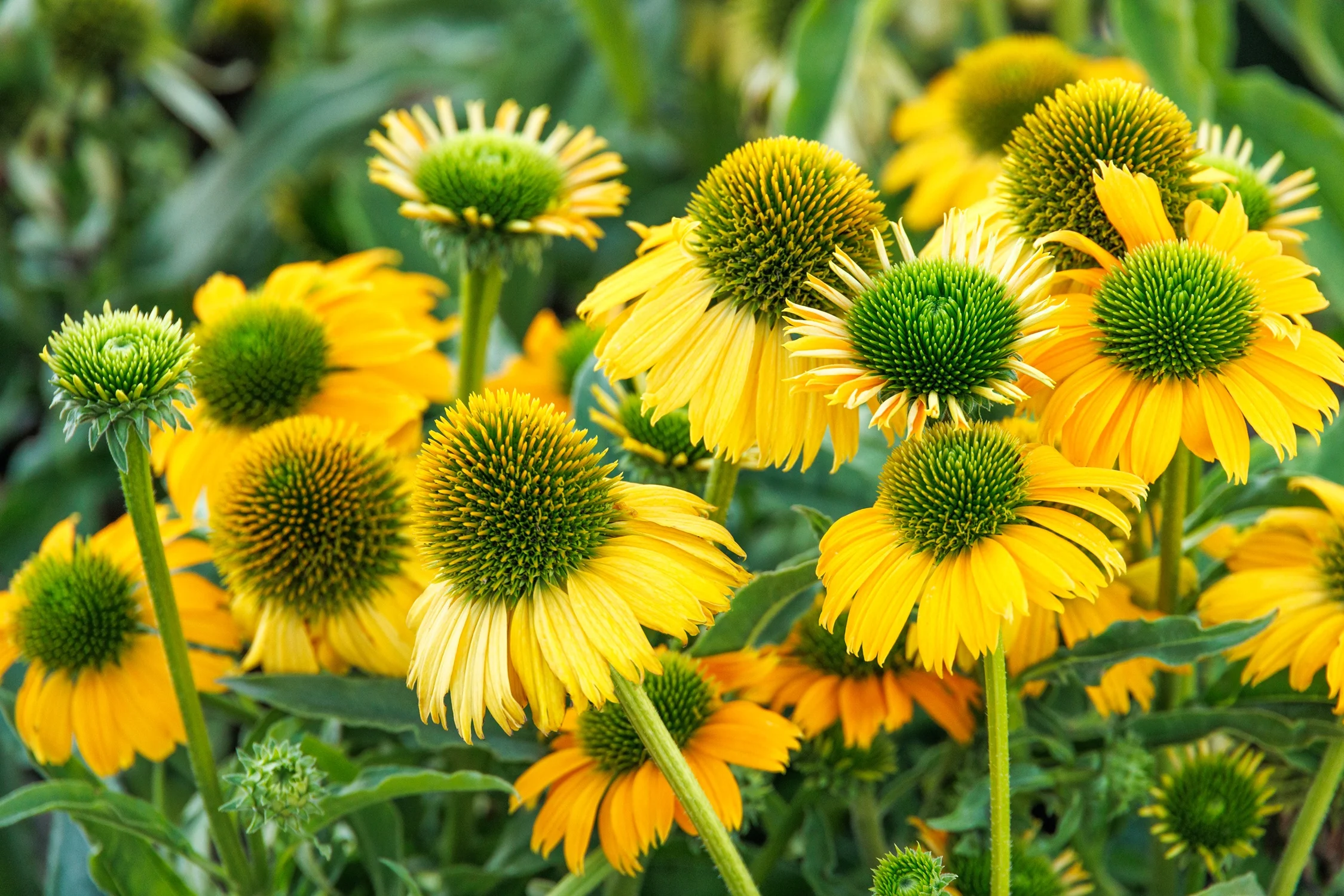
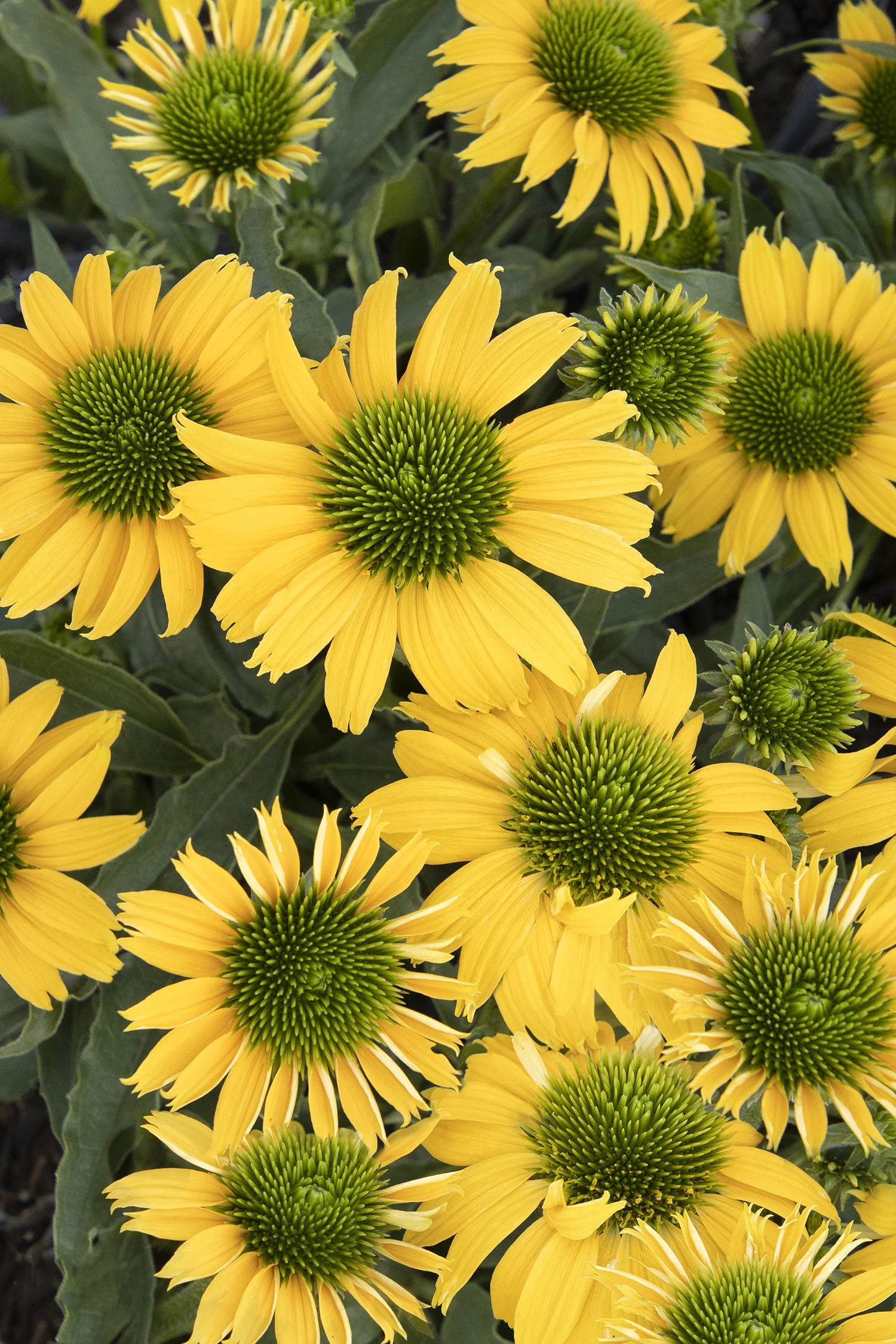
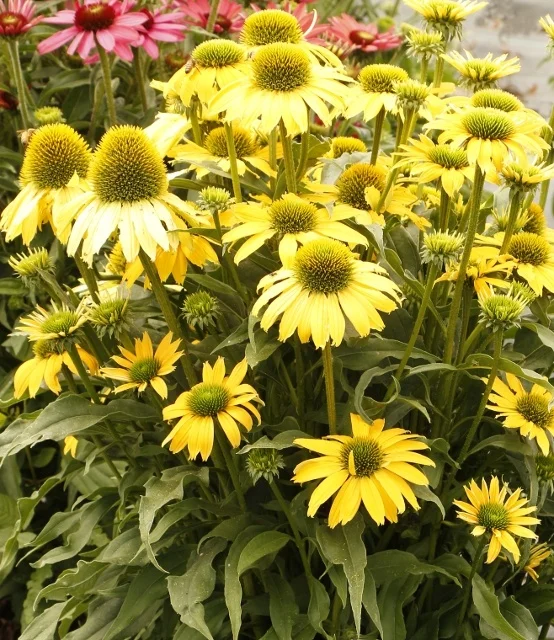
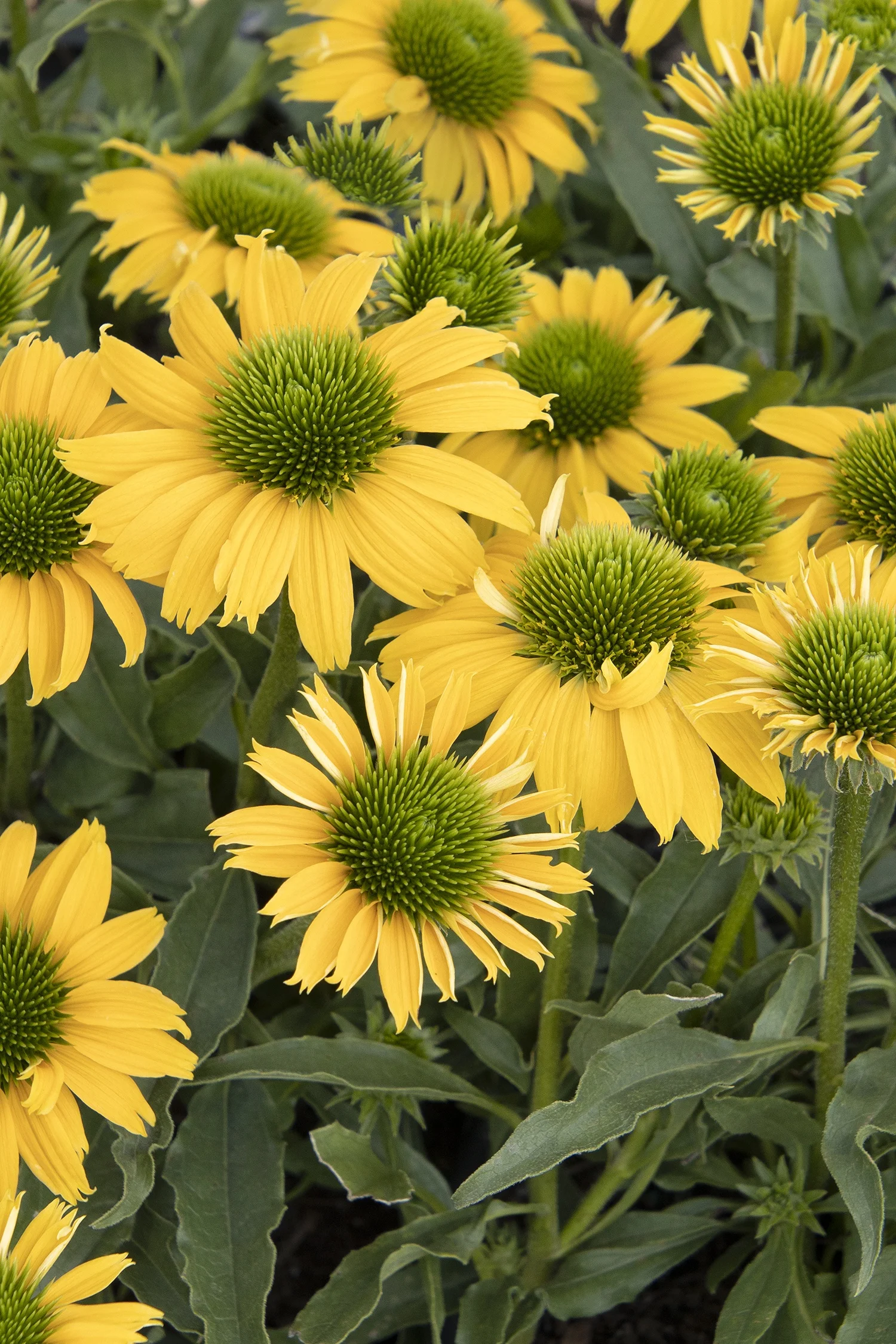
Evolution™ Embers™ Sparks Coneflower
Echinacea hybrid 'TNECHES' PP #31,494
Pronunciation: ek-in-AY-shee-a
SKU #42875
LIGHT:
Full sun
WATER:
Water when top 2 inches of soil is dry.
SIZE:
Quickly reaches 18 to 20 in. tall, 18 in. wide.

Retailers Near You
Ready to Grow?
Ship Monrovia plants directly to your door. Browse a curated selection available online.
Shop Now >This Plant's Growing Zones: 4-9
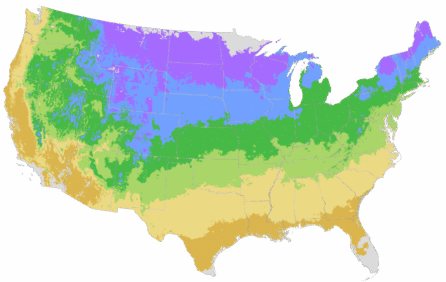
Your USDA Cold Hardiness Zone:
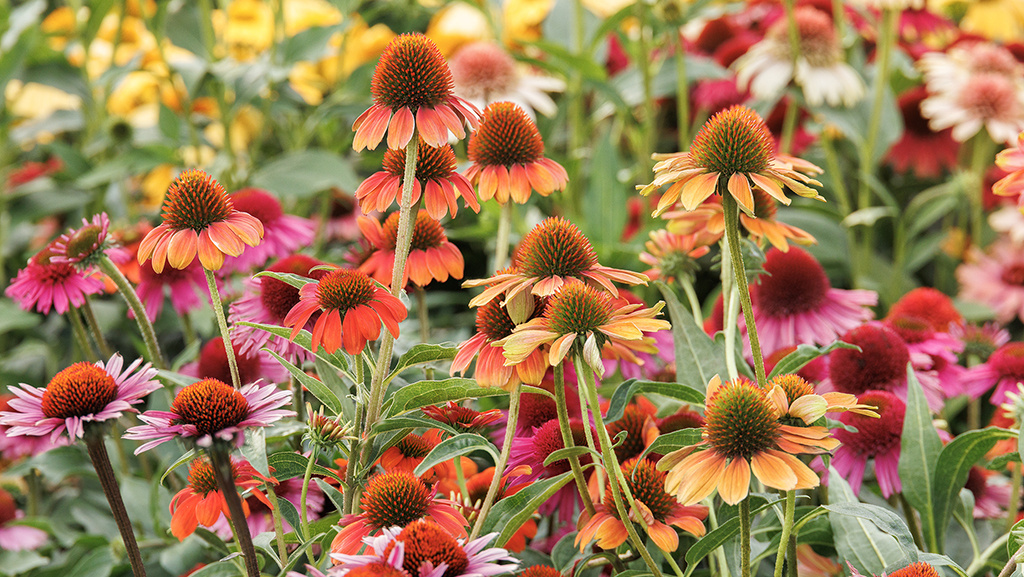
| Description | Bright, sunny blooms for easy color from late spring through fall. Semi-double, golden yellow petals surround showy center cones. A cutting garden essential, perfect for containers or mixed perennial borders. Allow dried flower heads to remain on plants for wintering songbirds. An herbaceous perennial. |
|---|---|
| Bloom Time | Late spring through fall |
| Deciduous/Evergreen | Herbaceous |
| Special Features | Attracts Butterflies, Easy Care, Waterwise, Attracts Pollinators, Heat Loving, Fast Growing, Benefits Birds |
| Problems/Solutions | Deer Resistant, Drought Tolerant |
| Growth Rate | Fast |
| Flower Attributes | Flowers for Cutting, Long Bloom Season, Showy Flowers |
| Patent Act | Asexual reproduction of plants protected by the Plant Patent Act is prohibited during the life of the patent. |
| Landscape Use | Border, Container |
| Design Ideas | The quintessential component of the American meadow and prairie garden. Blend with grasses or nestle into stream bed banks at boulders for a wild garden composition. A valuable late-season bloomer for the traditional perennial border. Superior pick-me-up for tired foundation planting. Equally well-suited to casual country gardens along picket fences or in mixed borders. The dried seed heads also provide architectural interest in the winter. |
| Flower Color | Yellow |
| Foliage Color | Green |
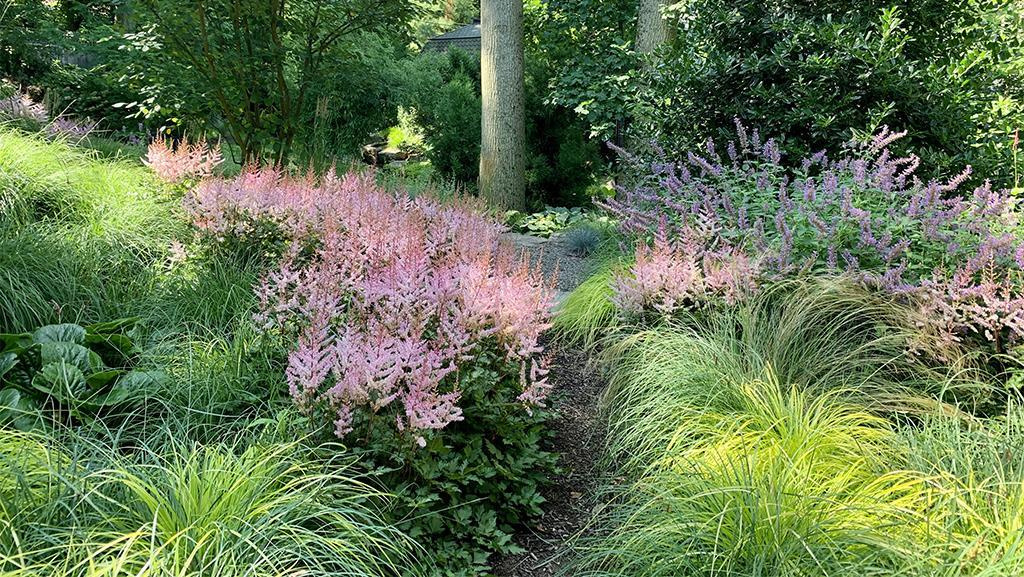
| Companion Plants | Catmint (Nepeta); Shasta Daisy (Chrysanthemum); Salvia (Salvia); Russian Sage (Perovskia); Sedum (Sedum) |
| Care Instructions | Requires well-drained, fertile soil. Water deeply, regularly in first growing season to establish root system. Once established, prefers regular water but tolerates periodic drought. Remove spent blooms to prolong flowering season. Prune back old foliage and apply fertilizer in early spring before new growth emerges. |
| Lore | Echinacea purpurea, the parent of all contemporary hybrids is a native of the American prairie. Echinacea root was discovered by Native Americans within its range for healing properties. In recent years science has confirmed that the root contains chemicals that stimulate the immune system. Coneflowers are part of the American prairie plant communities and are a well documented bird habitat plant.The genus name Echinacea is derived from the Greek word (echino), meaning "spiny", due to the spiny central disk. |
Details
| Description | Bright, sunny blooms for easy color from late spring through fall. Semi-double, golden yellow petals surround showy center cones. A cutting garden essential, perfect for containers or mixed perennial borders. Allow dried flower heads to remain on plants for wintering songbirds. An herbaceous perennial. |
|---|---|
| Bloom Time | Late spring through fall |
| Deciduous/Evergreen | Herbaceous |
| Special Features | Attracts Butterflies, Easy Care, Waterwise, Attracts Pollinators, Heat Loving, Fast Growing, Benefits Birds |
| Problems/Solutions | Deer Resistant, Drought Tolerant |
| Growth Rate | Fast |
| Flower Attributes | Flowers for Cutting, Long Bloom Season, Showy Flowers |
| Patent Act | Asexual reproduction of plants protected by the Plant Patent Act is prohibited during the life of the patent. |
Style
| Landscape Use | Border, Container |
|---|---|
| Design Ideas | The quintessential component of the American meadow and prairie garden. Blend with grasses or nestle into stream bed banks at boulders for a wild garden composition. A valuable late-season bloomer for the traditional perennial border. Superior pick-me-up for tired foundation planting. Equally well-suited to casual country gardens along picket fences or in mixed borders. The dried seed heads also provide architectural interest in the winter. |
| Flower Color | Yellow |
| Foliage Color | Green |
| Companion Plants | Catmint (Nepeta); Shasta Daisy (Chrysanthemum); Salvia (Salvia); Russian Sage (Perovskia); Sedum (Sedum) |
Care
| Care Instructions | Requires well-drained, fertile soil. Water deeply, regularly in first growing season to establish root system. Once established, prefers regular water but tolerates periodic drought. Remove spent blooms to prolong flowering season. Prune back old foliage and apply fertilizer in early spring before new growth emerges. |
|---|
History
| Lore | Echinacea purpurea, the parent of all contemporary hybrids is a native of the American prairie. Echinacea root was discovered by Native Americans within its range for healing properties. In recent years science has confirmed that the root contains chemicals that stimulate the immune system. Coneflowers are part of the American prairie plant communities and are a well documented bird habitat plant.The genus name Echinacea is derived from the Greek word (echino), meaning "spiny", due to the spiny central disk. |
|---|
Retailers Near You
About Us
We have been pioneers and craftsmen in the art of growing plants for 100 years. Since our founding in Southern California by Harry E. Rosedale, Sr. in 1926, we have been absolutely dedicated and obsessed with quality.
We have been pioneers and craftsmen in the art of growing plants for nearly 100 years. Since our founding in Southern California by Harry E. Rosedale, Sr. in 1926, we have been absolutely dedicated and obsessed with quality.