
You're growing in this Zip Code:
Change LocationDiscover Plants for Your Area
Farmington™ Michaelmas Daisy
Aster novi-belgii 'Baldco'
Pronunciation: ASS-ter NO-vee BEL-jee-eye
SKU #03009
LIGHT:
Full sun
WATER:
Keep soil moist, but not soggy.
SIZE:
Quickly reaches 18 in. tall, 24 in. wide.

Retailers Near You
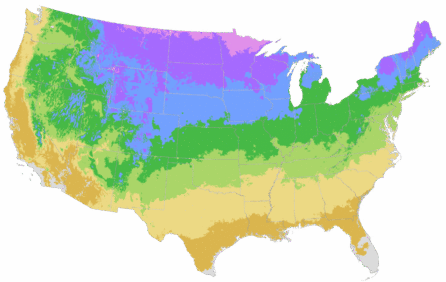
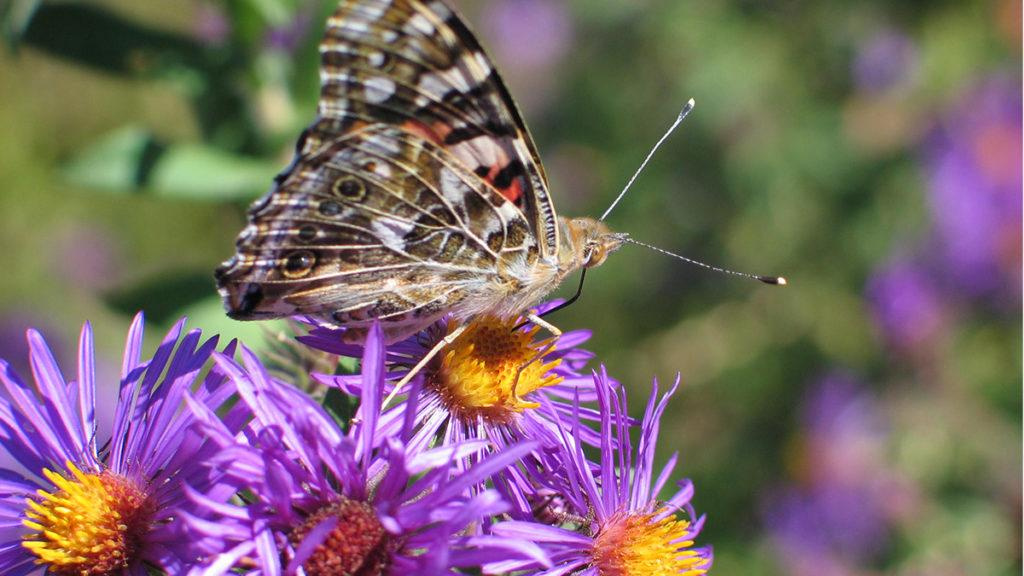

| Description | Clusters of old-fashioned double lilac blooms cover this upright, mounding plant early in the season, and eventually appear along horizontally spreading branches as the season progresses. Mass in perennial borders for long-lasting color. An herbaceous perennial. |
|---|---|
| Bloom Time | Summer through fall |
| Deciduous/Evergreen | Herbaceous |
| Special Features | Attracts Butterflies, Improved Pest and Disease Resistance, Waterwise, Attracts Pollinators, Fast Growing, Benefits Birds |
| Problems/Solutions | Deer Resistant, Very Wet Areas |
| Growth Rate | Fast |
| Growth Habit | Mounding |
| Flower Attributes | Flowers for Cutting, Showy Flowers |
| Landscape Use | Border, Container |
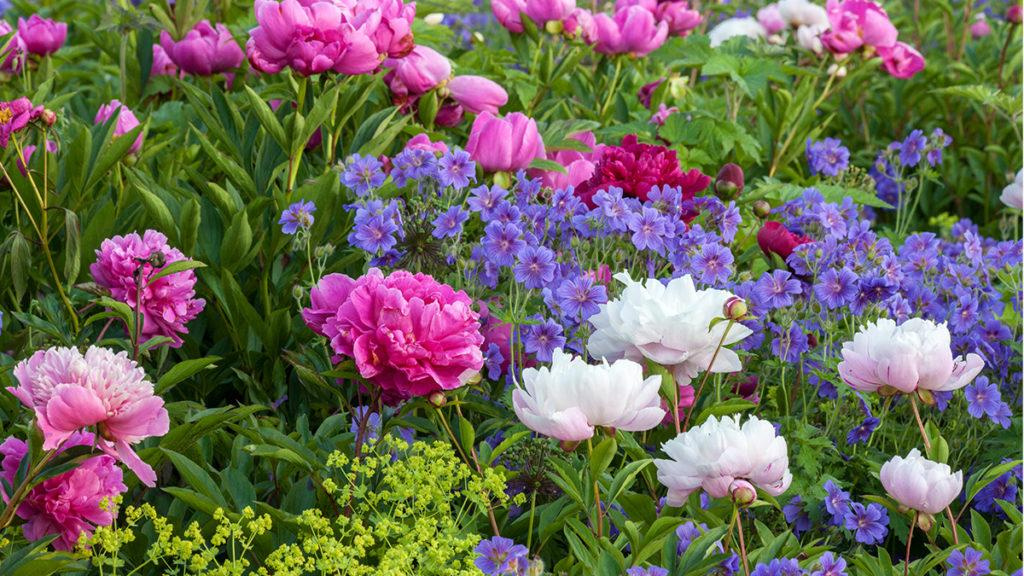
| Design Ideas | This old-fashion gem is wonderful in a mixed perennial border or country container planting. When other perennials have peaked, Farmington will still be going strong, adding color to your fall garden. Great as a cut flower. |
| Flower Color | Purple |
| Foliage Color | Green |
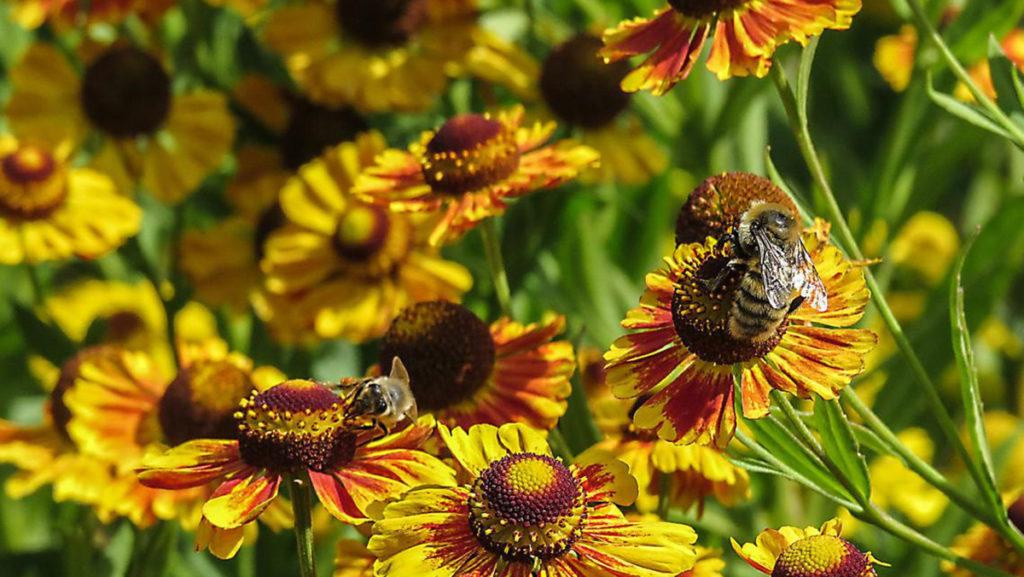
| Companion Plants | Bee Balm (Monarda); Coneflower (Echinacea); Butterfly Weed (Asclepias); Black-Eyed Susan (Rudbeckia); Butterfly Bush (Buddleja) |
| Care Instructions | Thrives in moist, fertile, slightly acidic, well-drained soils but highly adaptable. Prefers cool summer climates. Water deeply, regularly during the first growing season to establish an extensive root system. For a neat, tidy appearance, remove old foliage before new leaves emerge. Divide clumps every 2 to 3 years in early spring. |
| History | Discovered in the gardens of Jerry Cobb Colley (former co-owner of Siskiyou Rare Plant Nursery), this new cultivar is named after his hometown of Farmington, Kentucky. This is a cultivar of the native New York aster which is distributed along the coastal plain from Newfoundland to South Carolina. |
| Lore | Also known as New York Daisy, in England aster is known as Michaelmas Daisy because it is in bloom on September 29th, the feast of St. Michael, Archangel. The specific epithet novi-belgii means New Belgium and is a throwback to the days when the state of New York was known as New Belgium. |
Details
| Description | Clusters of old-fashioned double lilac blooms cover this upright, mounding plant early in the season, and eventually appear along horizontally spreading branches as the season progresses. Mass in perennial borders for long-lasting color. An herbaceous perennial. |
|---|---|
| Bloom Time | Summer through fall |
| Deciduous/Evergreen | Herbaceous |
| Special Features | Attracts Butterflies, Improved Pest and Disease Resistance, Waterwise, Attracts Pollinators, Fast Growing, Benefits Birds |
| Problems/Solutions | Deer Resistant, Very Wet Areas |
| Growth Rate | Fast |
| Growth Habit | Mounding |
| Flower Attributes | Flowers for Cutting, Showy Flowers |
Style
| Landscape Use | Border, Container |
|---|---|
| Design Ideas | This old-fashion gem is wonderful in a mixed perennial border or country container planting. When other perennials have peaked, Farmington will still be going strong, adding color to your fall garden. Great as a cut flower. |
| Flower Color | Purple |
| Foliage Color | Green |
| Companion Plants | Bee Balm (Monarda); Coneflower (Echinacea); Butterfly Weed (Asclepias); Black-Eyed Susan (Rudbeckia); Butterfly Bush (Buddleja) |
Care
| Care Instructions | Thrives in moist, fertile, slightly acidic, well-drained soils but highly adaptable. Prefers cool summer climates. Water deeply, regularly during the first growing season to establish an extensive root system. For a neat, tidy appearance, remove old foliage before new leaves emerge. Divide clumps every 2 to 3 years in early spring. |
|---|
History
| History | Discovered in the gardens of Jerry Cobb Colley (former co-owner of Siskiyou Rare Plant Nursery), this new cultivar is named after his hometown of Farmington, Kentucky. This is a cultivar of the native New York aster which is distributed along the coastal plain from Newfoundland to South Carolina. |
|---|---|
| Lore | Also known as New York Daisy, in England aster is known as Michaelmas Daisy because it is in bloom on September 29th, the feast of St. Michael, Archangel. The specific epithet novi-belgii means New Belgium and is a throwback to the days when the state of New York was known as New Belgium. |
Retailers Near You
About Us
We have been pioneers and craftsmen in the art of growing plants for 100 years. Since our founding in Southern California by Harry E. Rosedale, Sr. in 1926, we have been absolutely dedicated and obsessed with quality.
We have been pioneers and craftsmen in the art of growing plants for nearly 100 years. Since our founding in Southern California by Harry E. Rosedale, Sr. in 1926, we have been absolutely dedicated and obsessed with quality.