
You're growing in this Zip Code:
Discover Plants for Your Area


Exclusive
Flame® Clivia
Clivia miniata 'Monya'
Pronunciation: KLI-vi-a min-i-A-ta
SKU #02760
LIGHT:
Full shade
WATER:
Allow soil to dry slightly before watering.
SIZE:
Moderate growing; reaches 2 to 3 ft. tall and wide.

Retailers Near You
Ready to Grow?
Ship Monrovia plants directly to your door. Browse a curated selection available online.
Shop Now >This Plant's Growing Zones: ALL
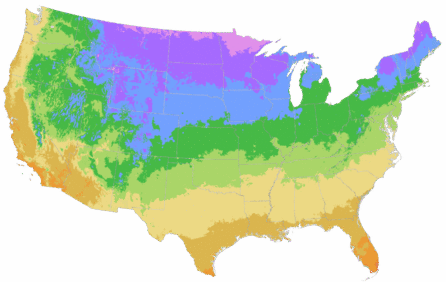
Your USDA Cold Hardiness Zone:
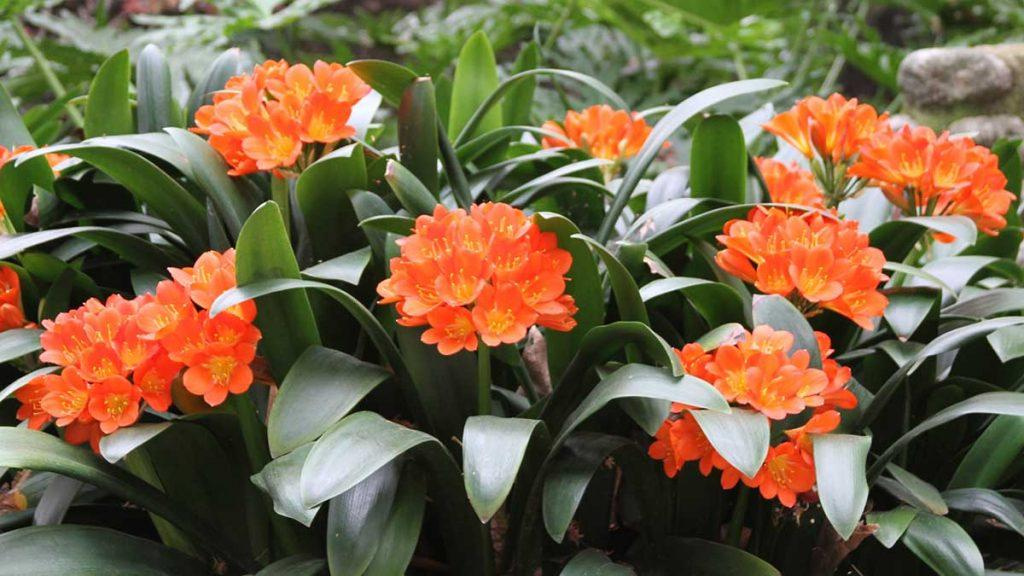
| Description | Intense, deep red-orange flower heads are huge! Beautiful, robust-looking evergreen perennial is terrific in shady borders adding accent color where other plants won't grow. Excellent in containers. |
|---|---|
| Bloom Time | Early spring |
| Deciduous/Evergreen | Evergreen |
| Special Features | Attracts Hummingbirds, Easy Care, Waterwise, Attracts Pollinators |
| Problems/Solutions | Dry Shade |
| Growth Rate | Moderate |
| Growth Habit | Clumping |
| Flower Attributes | Flowers for Cutting, Showy Flowers |
| Patent Act | Asexual reproduction of plants protected by the Plant Patent Act is prohibited during the life of the patent. |
| Landscape Use | Border, Container, Houseplant |
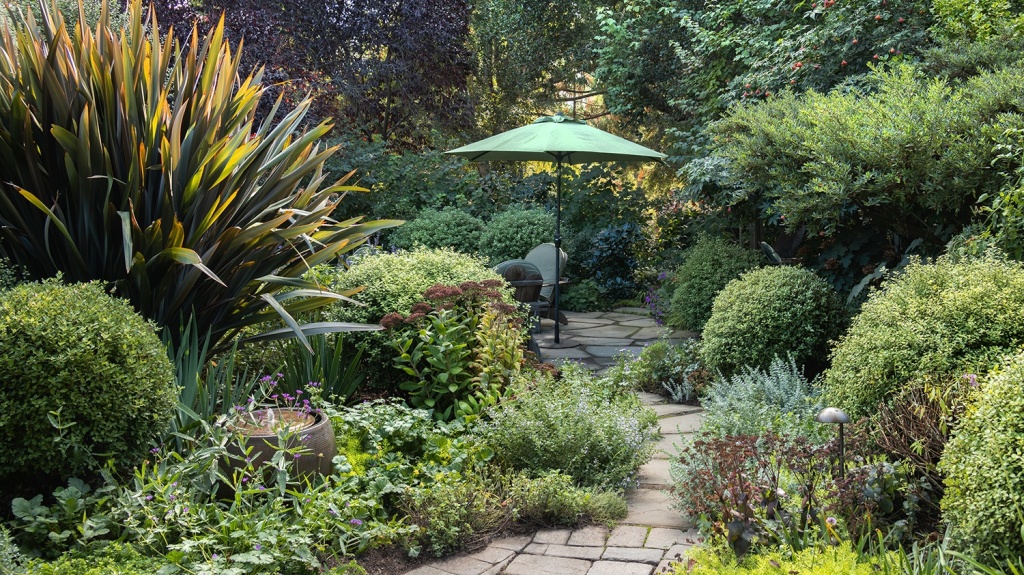
| Design Ideas | Exceptional beauty for light challenged spaces. Plant between buildings, on the north side foundation and around the base of an elevated deck. Vivid color among big leaf tropicals and beneath the canopies of shade trees. Thrives in coastal conditions and very well adapted to containers. |
| Flower Color | Orange |
| Foliage Color | Dark Green |
| Companion Plants | Fuchsia (Fuchsia); Fatsia (Fatsia); Flowering Maple (Abutilon); Elephant Ears (Colocasia); Cast Iron Plant (Aspidistra) |
| Care Instructions | Thrives in rich, fast-draining soil, in dappled to deep shade; avoid direct sun exposure. Water deeply, regularly in first growing season to establish root system, allowing soil to dry slightly between intervals. Tolerates moderate drought, once established. Divide every 3 to 4 years, after flowering. May be overwintered indoors in cold climates. |
| History | Native to the Cape region of South Africa, this exotic lily is grouped with the Amaryllis family. It was first classified by Hooker in the 19th century and again by John Lindley who finally named it after the Clive family known as the Dutchess of Northumberland. This improved cultivar was developed and introduced by Monrovia. |
| Lore | South African settlers called this plant boslelie, which means forest lily, describing the preferred habitat for the species in its homeland. |
Details
| Description | Intense, deep red-orange flower heads are huge! Beautiful, robust-looking evergreen perennial is terrific in shady borders adding accent color where other plants won't grow. Excellent in containers. |
|---|---|
| Bloom Time | Early spring |
| Deciduous/Evergreen | Evergreen |
| Special Features | Attracts Hummingbirds, Easy Care, Waterwise, Attracts Pollinators |
| Problems/Solutions | Dry Shade |
| Growth Rate | Moderate |
| Growth Habit | Clumping |
| Flower Attributes | Flowers for Cutting, Showy Flowers |
| Patent Act | Asexual reproduction of plants protected by the Plant Patent Act is prohibited during the life of the patent. |
Style
| Landscape Use | Border, Container, Houseplant |
|---|---|
| Design Ideas | Exceptional beauty for light challenged spaces. Plant between buildings, on the north side foundation and around the base of an elevated deck. Vivid color among big leaf tropicals and beneath the canopies of shade trees. Thrives in coastal conditions and very well adapted to containers. |
| Flower Color | Orange |
| Foliage Color | Dark Green |
| Companion Plants | Fuchsia (Fuchsia); Fatsia (Fatsia); Flowering Maple (Abutilon); Elephant Ears (Colocasia); Cast Iron Plant (Aspidistra) |
Care
| Care Instructions | Thrives in rich, fast-draining soil, in dappled to deep shade; avoid direct sun exposure. Water deeply, regularly in first growing season to establish root system, allowing soil to dry slightly between intervals. Tolerates moderate drought, once established. Divide every 3 to 4 years, after flowering. May be overwintered indoors in cold climates. |
|---|
History
| History | Native to the Cape region of South Africa, this exotic lily is grouped with the Amaryllis family. It was first classified by Hooker in the 19th century and again by John Lindley who finally named it after the Clive family known as the Dutchess of Northumberland. This improved cultivar was developed and introduced by Monrovia. |
|---|---|
| Lore | South African settlers called this plant boslelie, which means forest lily, describing the preferred habitat for the species in its homeland. |
Retailers Near You
About Us
We have been pioneers and craftsmen in the art of growing plants for 100 years. Since our founding in Southern California by Harry E. Rosedale, Sr. in 1926, we have been absolutely dedicated and obsessed with quality.
We have been pioneers and craftsmen in the art of growing plants for nearly 100 years. Since our founding in Southern California by Harry E. Rosedale, Sr. in 1926, we have been absolutely dedicated and obsessed with quality.