
You're growing in this Zip Code:
Discover Plants for Your Area
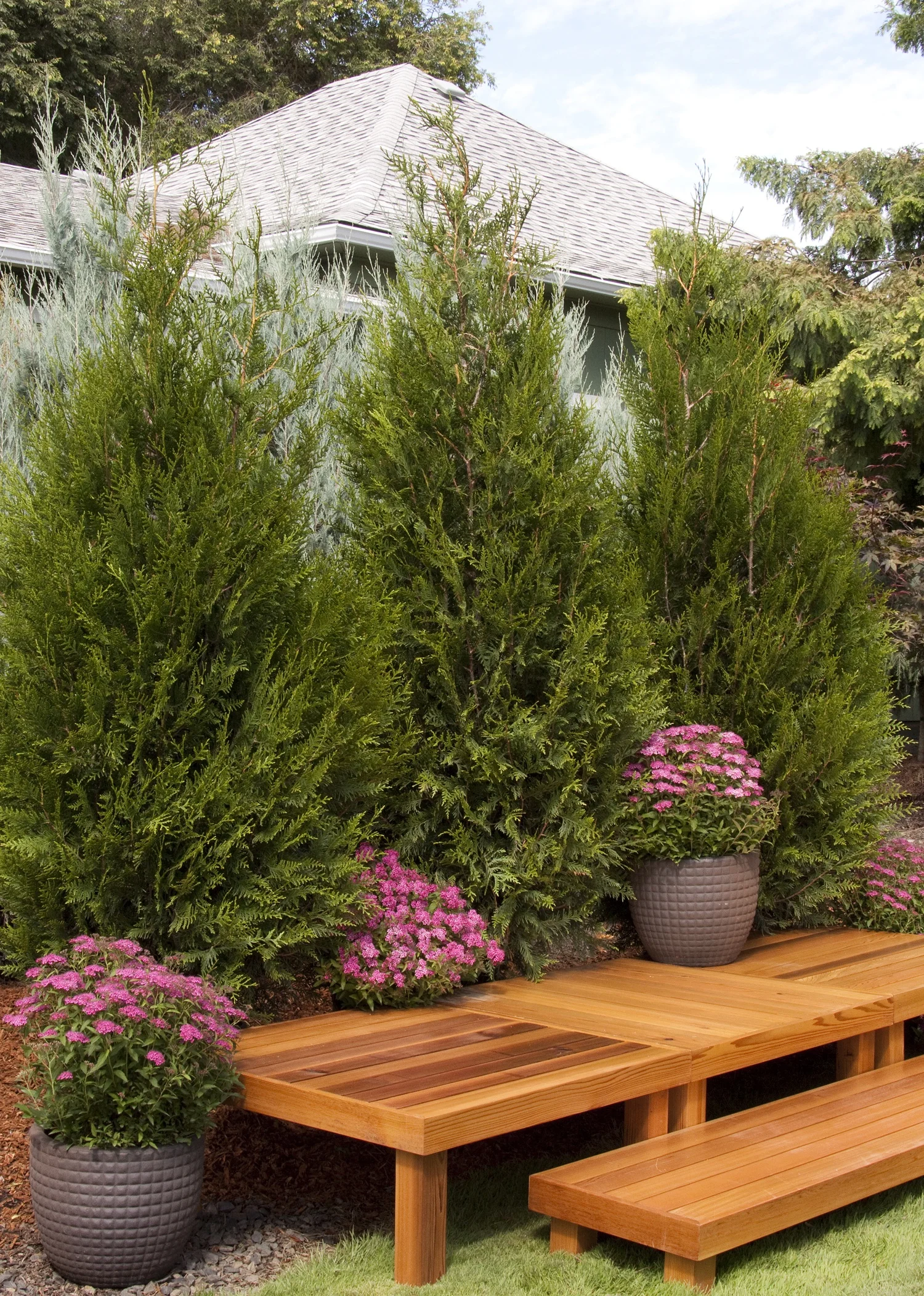
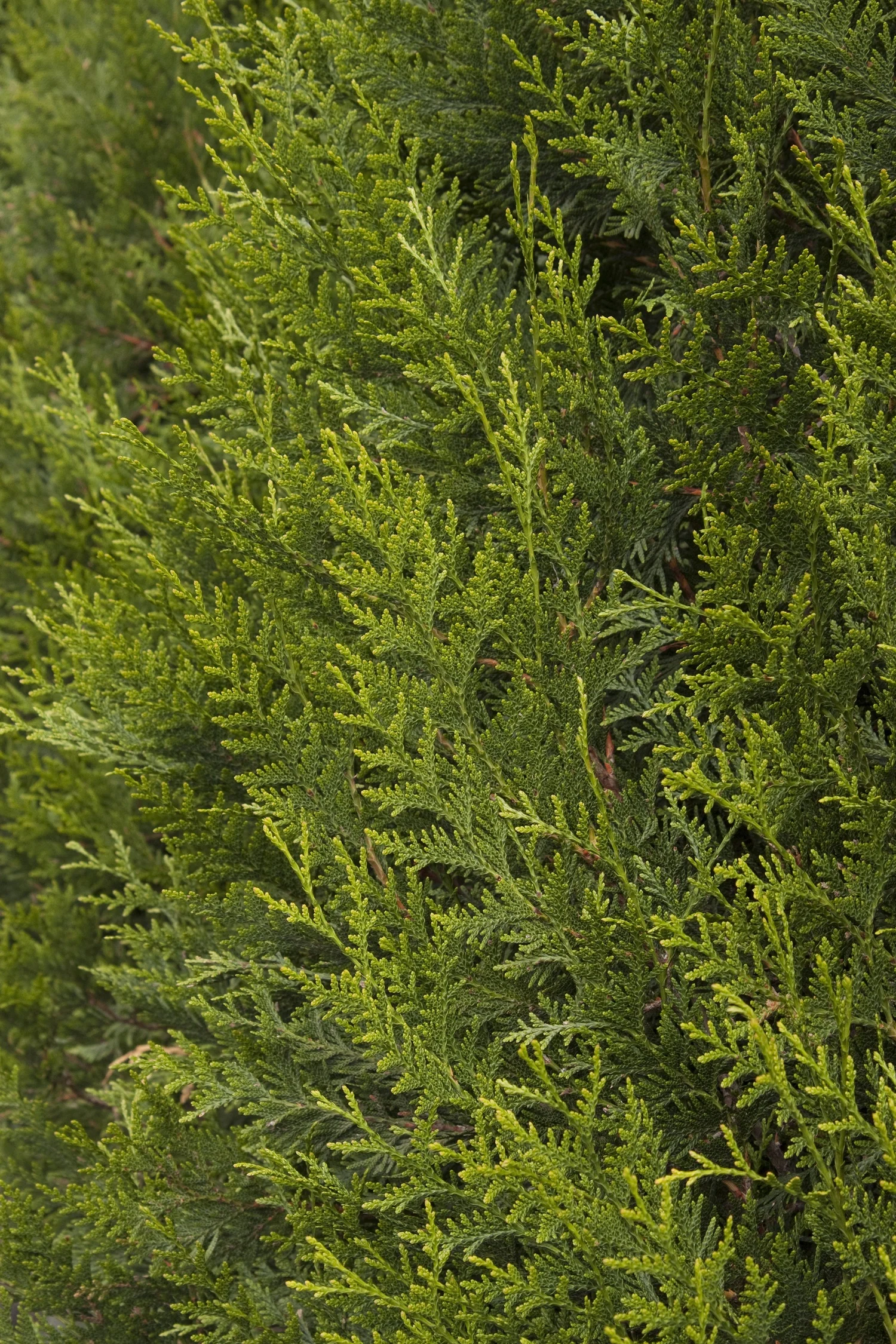
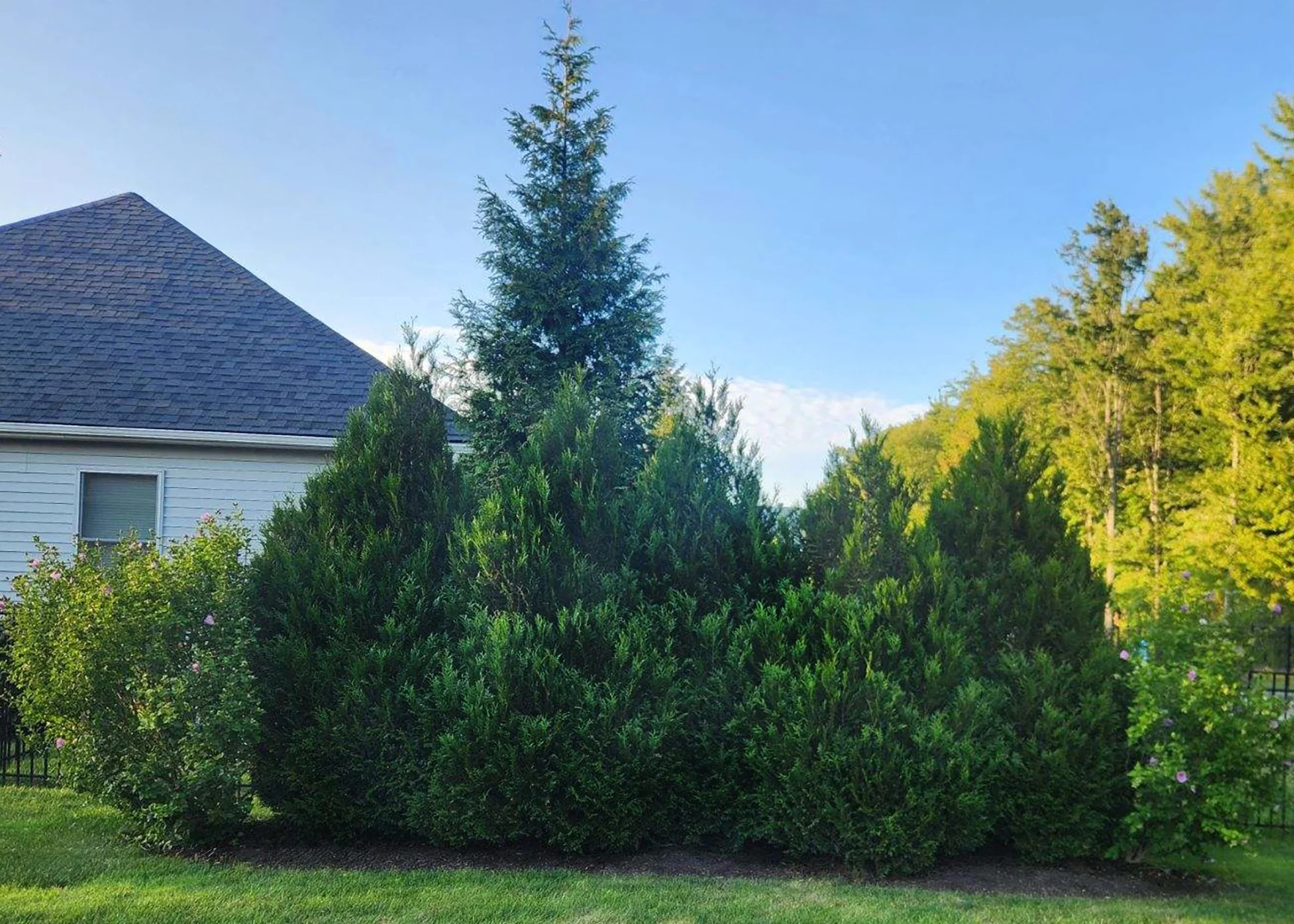
Tight Squeeze™ Western Red Cedar
Thuja plicata 'Green Sport'
Pronunciation: THOO-yuh ply-KAY-tuh
SKU #03119
LIGHT:
Full sun, Partial sun
WATER:
Water when top 2 inches of soil is dry.
SIZE:
Grows 12 ft. tall, 5 ft. wide in 10 years.

Retailers Near You
Ready to Grow?
Ship Monrovia plants directly to your door. Browse a curated selection available online.
Shop Now >This Plant's Growing Zones: 5-9
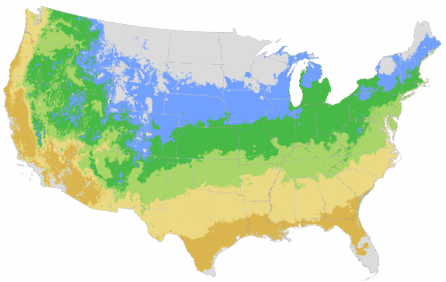
Your USDA Cold Hardiness Zone:

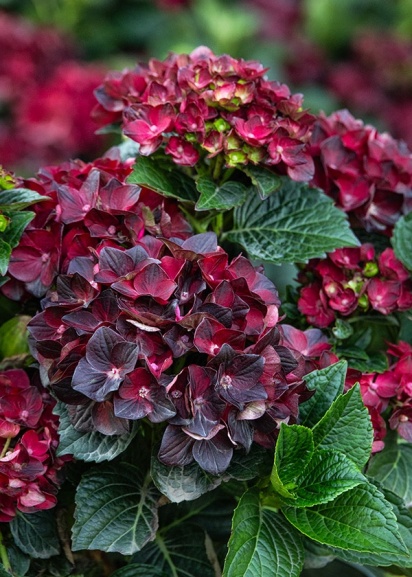
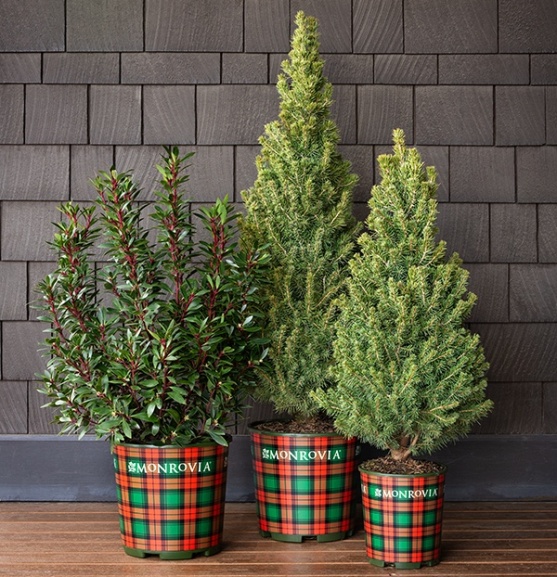
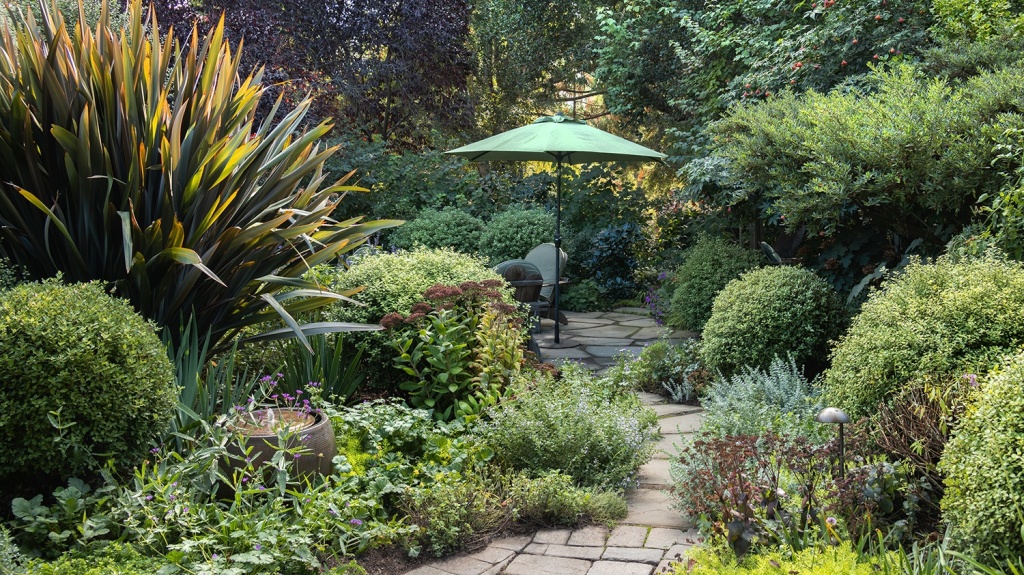
| Description | Formerly 'Green Sport', this well-behaved evergreen had such a great, compact growth habit that it begged for a new name. Quickly develops into a uniform, narrowly conical tree with shiny foliage that retains its green color well in the winter. Excellent for use as a screen or a specimen. This trouble-free evergreen responds well to regular pruning as a clipped hedge or to create a formal appearance. |
|---|---|
| Bloom Time | Conifer; prized for foliage. |
| Deciduous/Evergreen | Evergreen |
| Special Features | Easy Care, Fast Growing |
| Problems/Solutions | Deer Resistant, Erosion Control, Very Wet Areas |
| Growth Rate | Moderate |
| Landscape Use | Hedge, Privacy Screen, Windbreak |
| Foliage Color | Green |
| Companion Plants | Smoke Tree (Cotinus); Spirea (Spiraea); Rose (Rosa); Hydrangea (Hydrangea); Daylily (Hemerocallis) |
| Care Instructions | Provide deep, organically rich, moist, well-drained soil; avoid extremely dry sites. Water deeply, regularly during the first few growing seasons to establish an extensive root system; once established, water regularly to maintain evenly moist soil. Feed with a general purpose fertilizer before new growth begins in spring. |
| History | Western Red Cedar is found on the coast of the U.S. from southern Alaska to northern California and also in the Rocky mountains from Alberta to Idaho and Montana (USDA zones 3b-9). In the north it is restricted to lower elevations (under 1,000'). This selection came to Monrovia from Longwood Gardens in Kennett Square, PA. |
| Lore | This magnificent cedar is much revered by the northwest Native peoples. Such was their respect and dependence on this tree that it was called "tree of life." The soft yet durable wood of Thuja plicata was used to build longhouses and dugout canoes, as well as numerous items necessary for daily life. Fiber was woven from strips of bark to create clothing, bedding and mats, and branchlets and roots added strength to heavy rope and baskets. |
Details
| Description | Formerly 'Green Sport', this well-behaved evergreen had such a great, compact growth habit that it begged for a new name. Quickly develops into a uniform, narrowly conical tree with shiny foliage that retains its green color well in the winter. Excellent for use as a screen or a specimen. This trouble-free evergreen responds well to regular pruning as a clipped hedge or to create a formal appearance. |
|---|---|
| Bloom Time | Conifer; prized for foliage. |
| Deciduous/Evergreen | Evergreen |
| Special Features | Easy Care, Fast Growing |
| Problems/Solutions | Deer Resistant, Erosion Control, Very Wet Areas |
| Growth Rate | Moderate |
Style
| Landscape Use | Hedge, Privacy Screen, Windbreak |
|---|---|
| Foliage Color | Green |
| Companion Plants | Smoke Tree (Cotinus); Spirea (Spiraea); Rose (Rosa); Hydrangea (Hydrangea); Daylily (Hemerocallis) |
Care
| Care Instructions | Provide deep, organically rich, moist, well-drained soil; avoid extremely dry sites. Water deeply, regularly during the first few growing seasons to establish an extensive root system; once established, water regularly to maintain evenly moist soil. Feed with a general purpose fertilizer before new growth begins in spring. |
|---|
History
| History | Western Red Cedar is found on the coast of the U.S. from southern Alaska to northern California and also in the Rocky mountains from Alberta to Idaho and Montana (USDA zones 3b-9). In the north it is restricted to lower elevations (under 1,000'). This selection came to Monrovia from Longwood Gardens in Kennett Square, PA. |
|---|---|
| Lore | This magnificent cedar is much revered by the northwest Native peoples. Such was their respect and dependence on this tree that it was called "tree of life." The soft yet durable wood of Thuja plicata was used to build longhouses and dugout canoes, as well as numerous items necessary for daily life. Fiber was woven from strips of bark to create clothing, bedding and mats, and branchlets and roots added strength to heavy rope and baskets. |
Retailers Near You
About Us
We have been pioneers and craftsmen in the art of growing plants for 100 years. Since our founding in Southern California by Harry E. Rosedale, Sr. in 1926, we have been absolutely dedicated and obsessed with quality.
We have been pioneers and craftsmen in the art of growing plants for nearly 100 years. Since our founding in Southern California by Harry E. Rosedale, Sr. in 1926, we have been absolutely dedicated and obsessed with quality.