
You're growing in this Zip Code:
Discover Plants for Your Area
Hicks Yew
Taxus x media 'Hicksii'
Pronunciation: TAKS-us MEE-dee-uh
SKU #07233
LIGHT:
Full sun, Partial sun
WATER:
Water when top 2 inches of soil is dry.
SIZE:
Slowly reaches 10 to 12 ft. tall, 3 to 4 ft. wide.

Home Delivery Price
?
- Arrives in 3 to 7 days
- Free shipping on orders over $149
- Perfect Start Promise
Select Quantity
Retailers Near You
This Plant's Growing Zones: 4-7
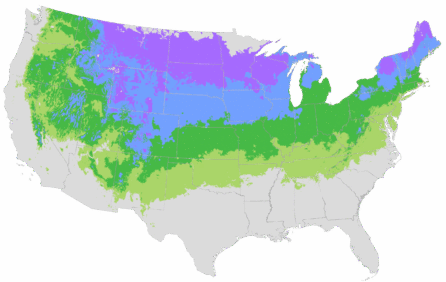
Your USDA Cold Hardiness Zone:
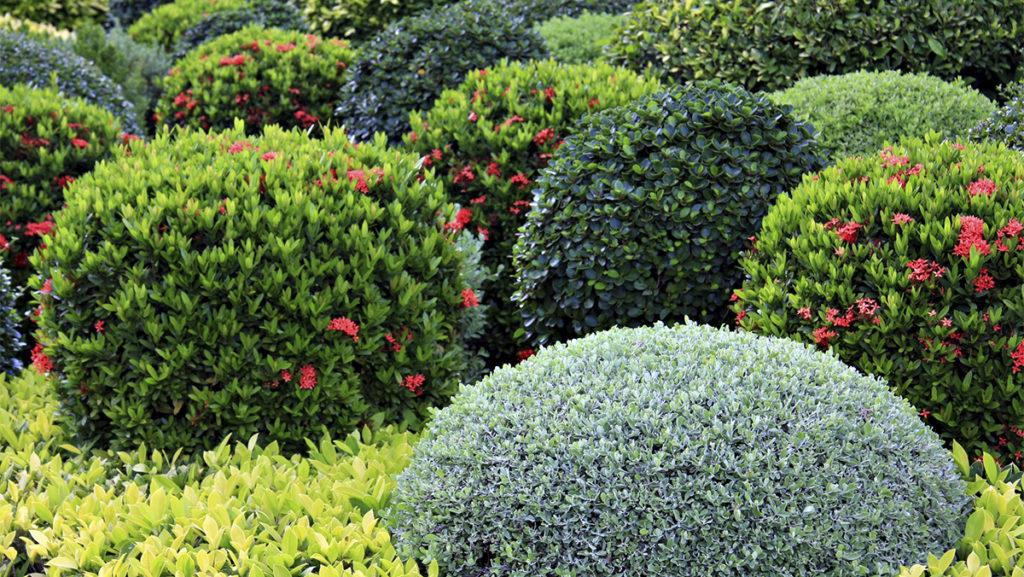
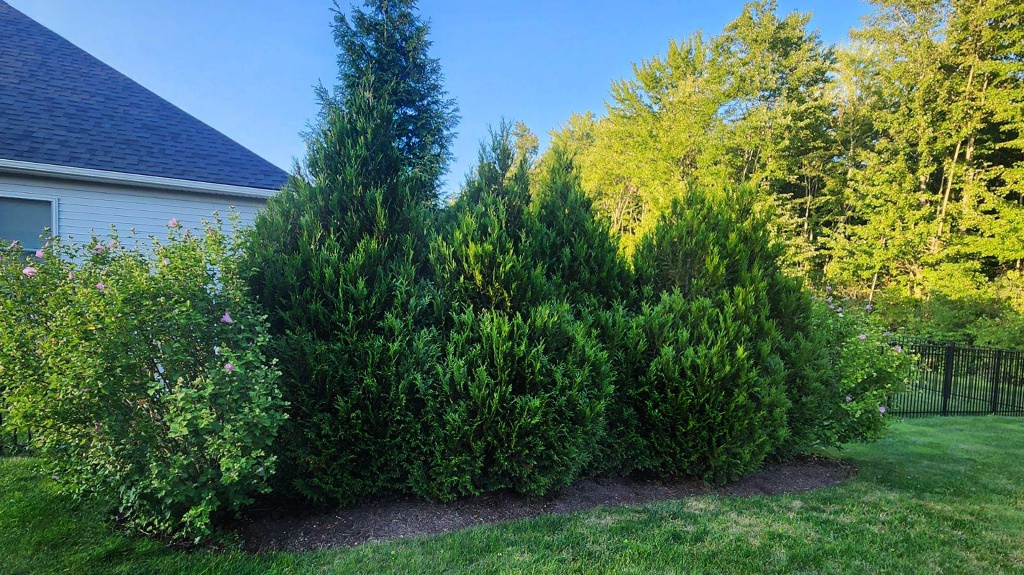
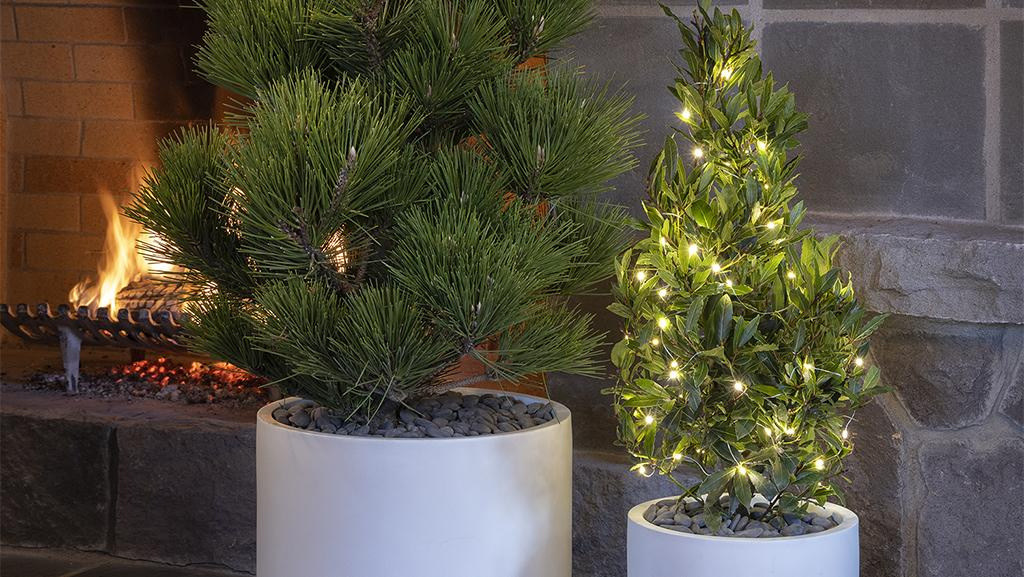
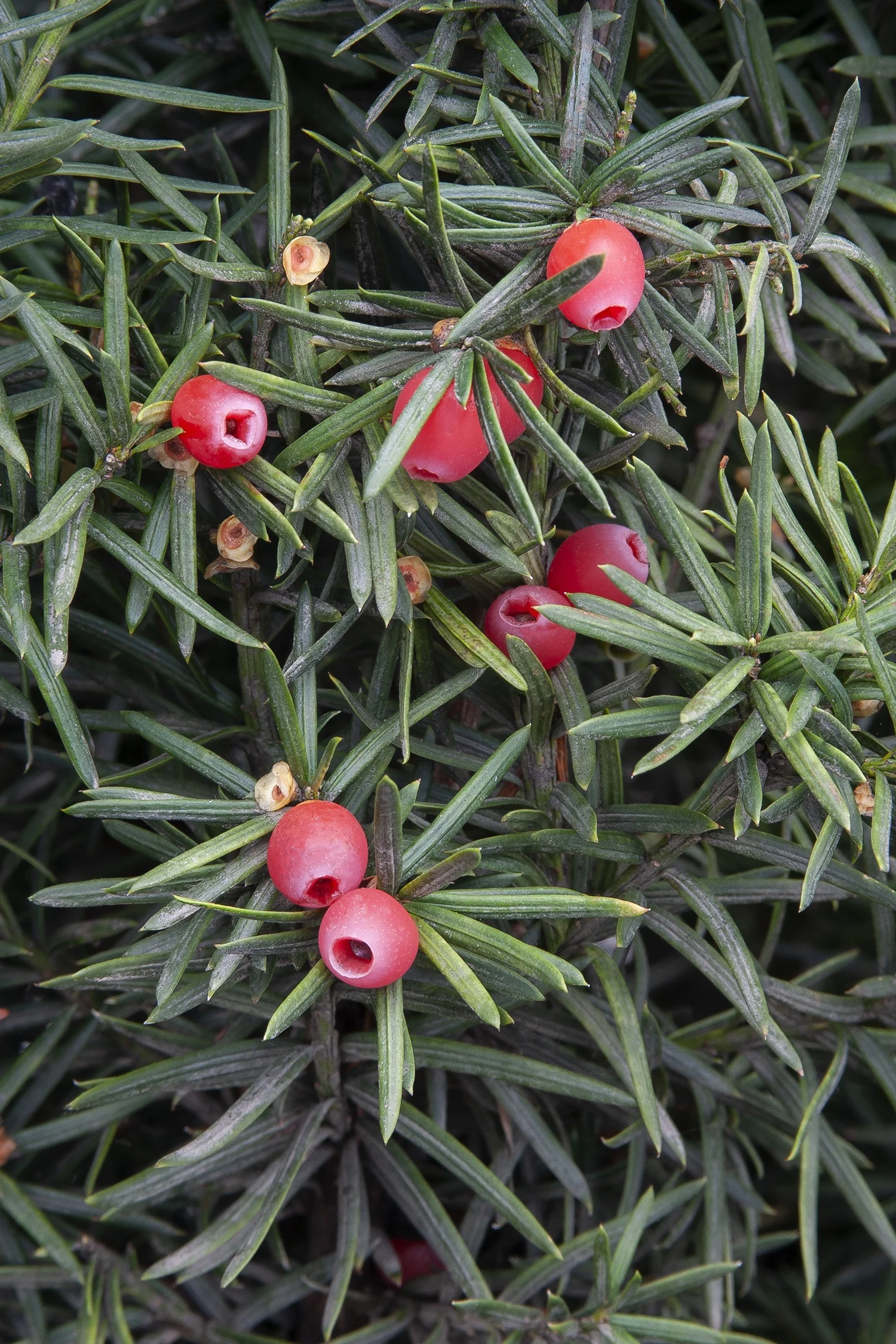
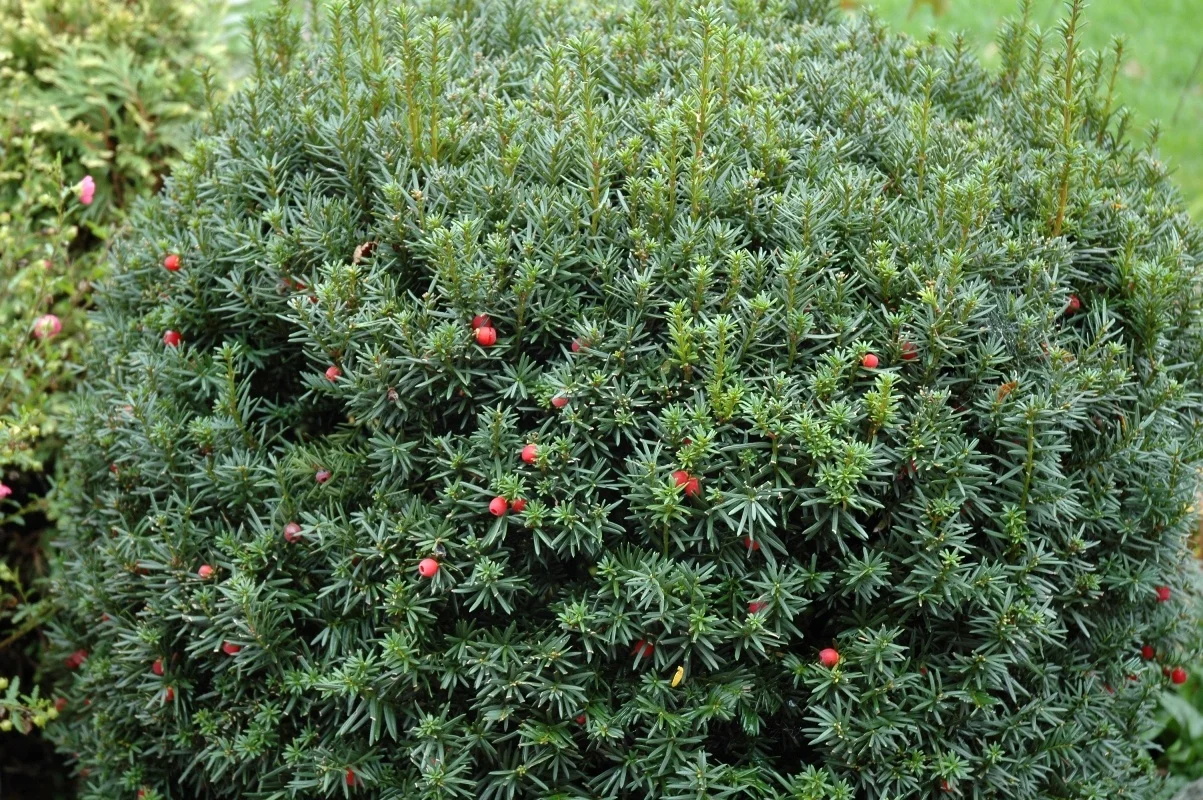
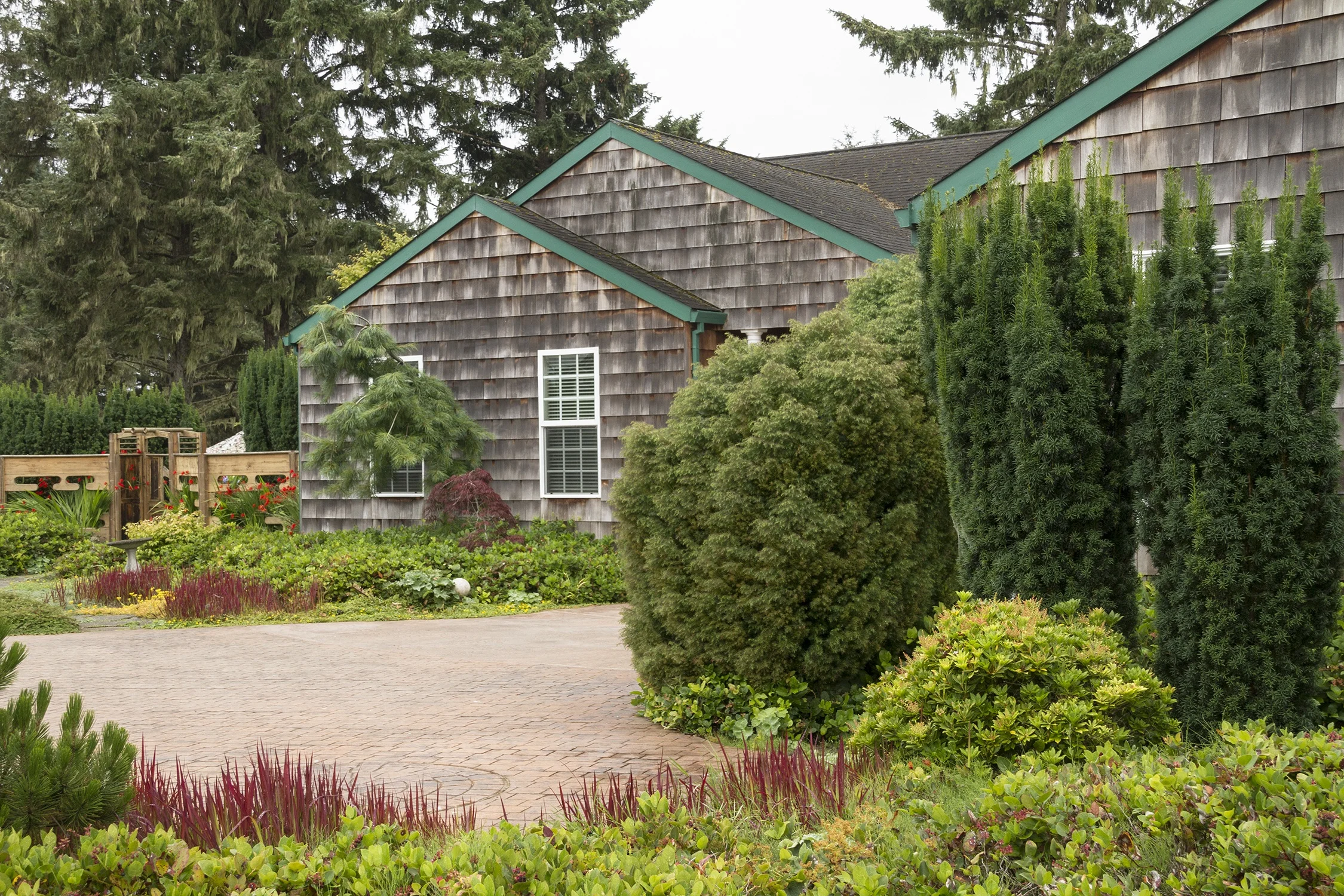
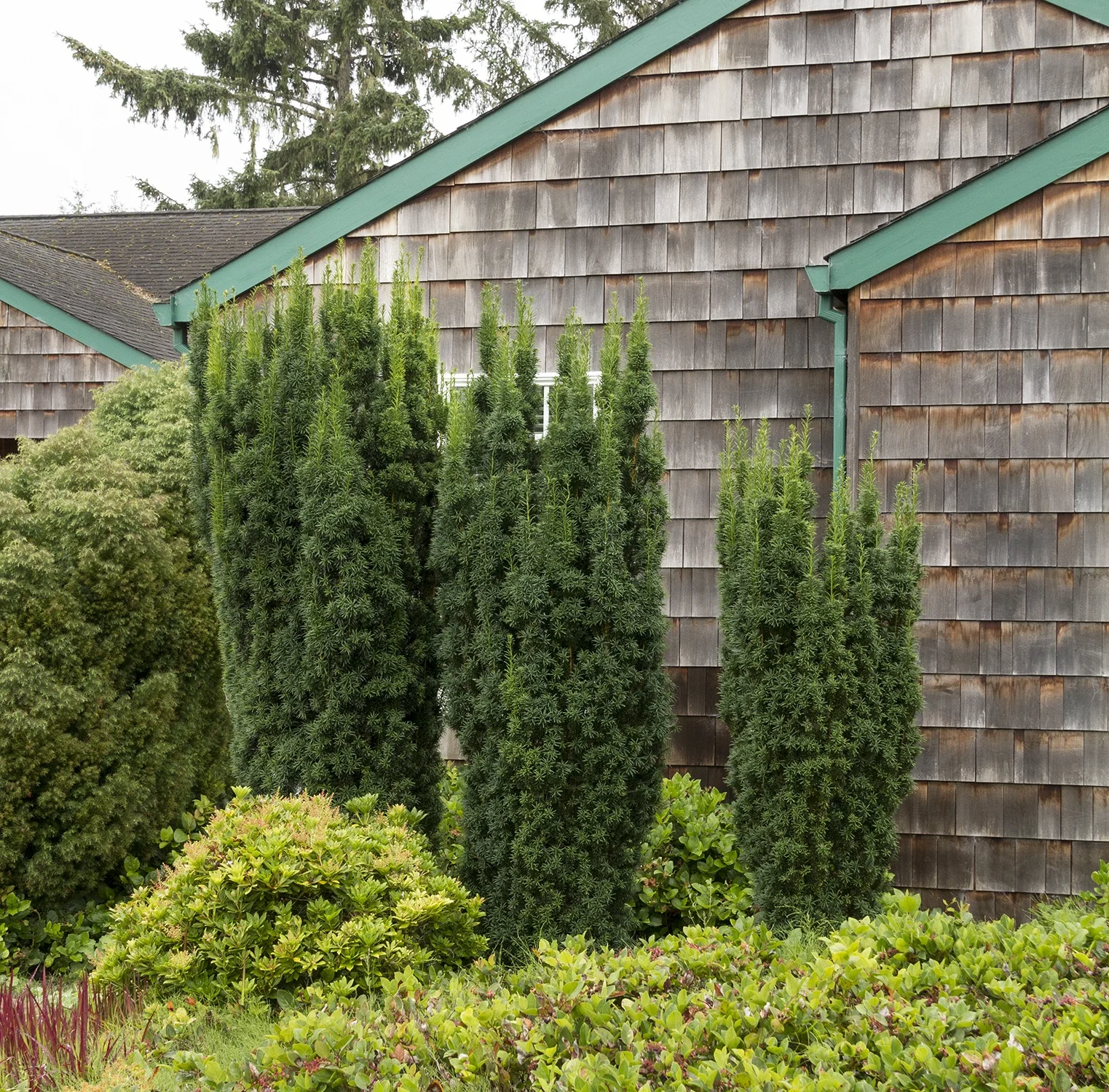
| Description | An excellent evergreen shrub for tall hedges and privacy screens. The long, upright-growing branches with dense, glossy, dark green foliage naturally form a narrow, columnar habit that works well as a foundation plant, or placed in pairs at entries or doorways. |
|---|---|
| Bloom Time | Conifer; prized for foliage. |
| Deciduous/Evergreen | Evergreen |
| Special Features | Easy Care, Ornamental Berries, Waterwise |
| Problems/Solutions | Coastal Exposure, Rabbit Resistant, Road Salt Tolerant |
| Growth Rate | Slow |
| Growth Habit | Columnar |
| Landscape Use | Hedge, Privacy Screen |
| Design Ideas | This yew is a traditional hedge plant, useful for its narrow, upright growth that take to shearing well. It also works well as a single, columnar accent in the landscape or on either side of a doorway. |
| Foliage Color | Green |
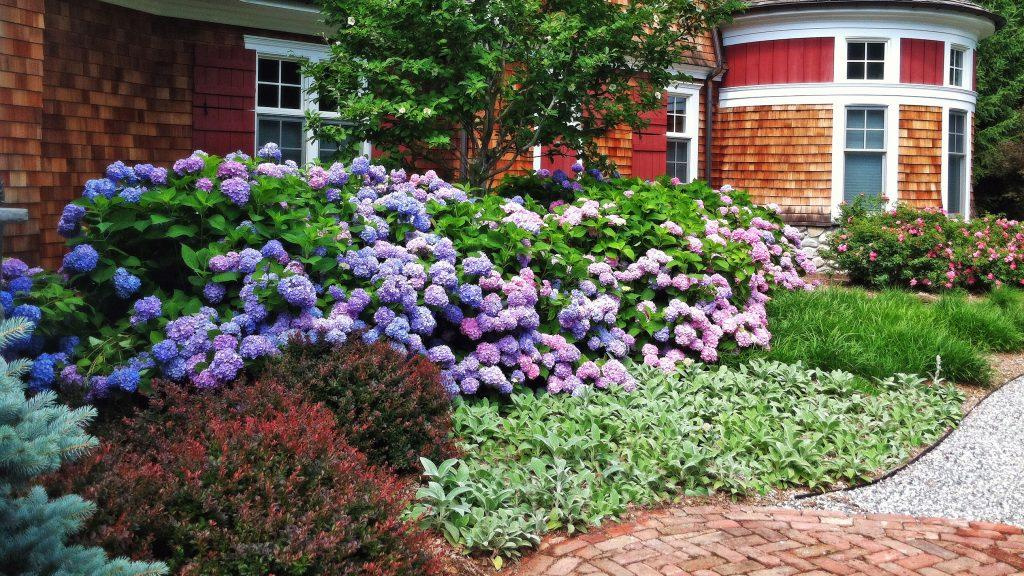
| Companion Plants | Lilac (Syringa); Weigela (Weigela); Potentilla (Potentilla); Spirea (Spiraea); Periwinkle (Vinca) |
| Care Instructions | Provide evenly moist, well-drained soil with protection from harsh, drying winds. Water deeply, regularly during the first growing season to establish an extensive root system; reduce frequency, once established. Fertilize before new growth begins in spring. For a tidy, neat appearance, prune annually to shape. |
| Lore | All species of this genus are poisonous. One American species is the source of the cancer drug, Taxol. In England yew trees were restricted to church yards where they were not subject to livestock grazing, which caused many animal deaths in the past. Interestingly, deer may graze on them, unaffected. Birds are also attracted to the fruit, which they eat without consequence, as the flesh is not toxic to most, and the seed passes through intact. |
Details
| Description | An excellent evergreen shrub for tall hedges and privacy screens. The long, upright-growing branches with dense, glossy, dark green foliage naturally form a narrow, columnar habit that works well as a foundation plant, or placed in pairs at entries or doorways. |
|---|---|
| Bloom Time | Conifer; prized for foliage. |
| Deciduous/Evergreen | Evergreen |
| Special Features | Easy Care, Ornamental Berries, Waterwise |
| Problems/Solutions | Coastal Exposure, Rabbit Resistant, Road Salt Tolerant |
| Growth Rate | Slow |
| Growth Habit | Columnar |
Style
| Landscape Use | Hedge, Privacy Screen |
|---|---|
| Design Ideas | This yew is a traditional hedge plant, useful for its narrow, upright growth that take to shearing well. It also works well as a single, columnar accent in the landscape or on either side of a doorway. |
| Foliage Color | Green |
| Companion Plants | Lilac (Syringa); Weigela (Weigela); Potentilla (Potentilla); Spirea (Spiraea); Periwinkle (Vinca) |
Care
| Care Instructions | Provide evenly moist, well-drained soil with protection from harsh, drying winds. Water deeply, regularly during the first growing season to establish an extensive root system; reduce frequency, once established. Fertilize before new growth begins in spring. For a tidy, neat appearance, prune annually to shape. |
|---|
History
| Lore | All species of this genus are poisonous. One American species is the source of the cancer drug, Taxol. In England yew trees were restricted to church yards where they were not subject to livestock grazing, which caused many animal deaths in the past. Interestingly, deer may graze on them, unaffected. Birds are also attracted to the fruit, which they eat without consequence, as the flesh is not toxic to most, and the seed passes through intact. |
|---|
Retailers Near You
About Us
We have been pioneers and craftsmen in the art of growing plants for 100 years. Since our founding in Southern California by Harry E. Rosedale, Sr. in 1926, we have been absolutely dedicated and obsessed with quality.
We have been pioneers and craftsmen in the art of growing plants for nearly 100 years. Since our founding in Southern California by Harry E. Rosedale, Sr. in 1926, we have been absolutely dedicated and obsessed with quality.