
You're growing in this Zip Code:
Change LocationDiscover Plants for Your Area
Improved Green Globe Artichoke
Cynara scolymus 'Improved Green Globe'
Pronunciation: SIN-a-ra SKOL-i-mus
SKU #08891
LIGHT:
Full sun
WATER:
Water when top 2 inches of soil is dry.
SIZE:
Fast growing, fountain-like form; reaches 3 to 5 ft. tall and wide.

Retailers Near You
Ready to Grow?
Ship Monrovia plants directly to your door. Browse a curated selection available online.
Shop Now >


| Description | Harvest your own tender artichokes! Big flower buds that form at the tops of stalks may be cut for eating. If not cut, buds open to spectacular purple, thistle-like flowers, great for arrangements. Unique, highly textured grey-green foliage adds season-long interest to the landscape. Works well in containers. An herbaceous perennial. |
|---|---|
| Bloom Time | Summer |
| Deciduous/Evergreen | Herbaceous |
| Special Features | Dramatic Foliage Color, Edible, Attracts Pollinators, Fast Growing |
| Problems/Solutions | Coastal Exposure |
| Growth Rate | Fast |
| Flower Attributes | Flowers for Cutting, Showy Flowers |
| Landscape Use | Border, Container |
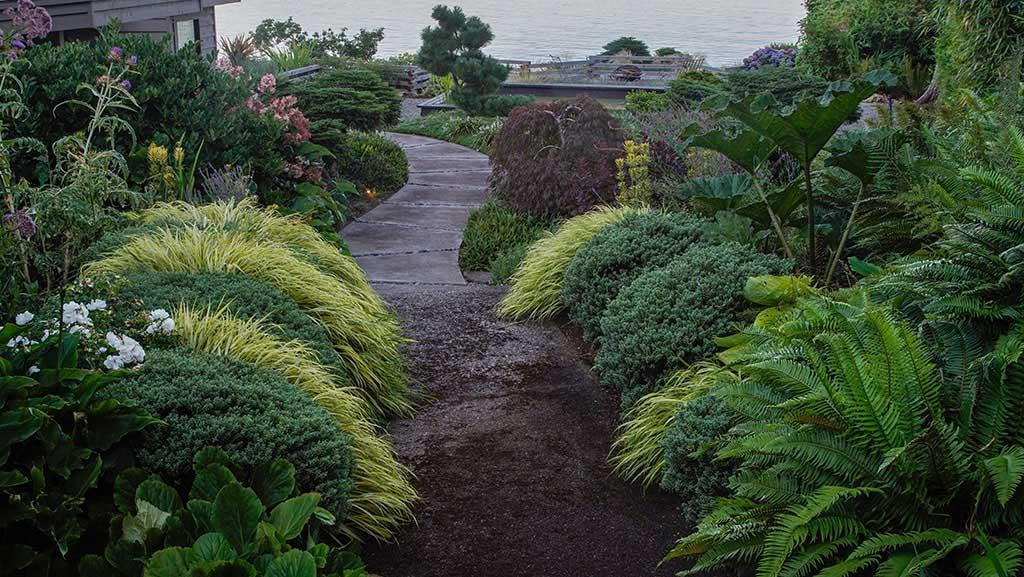
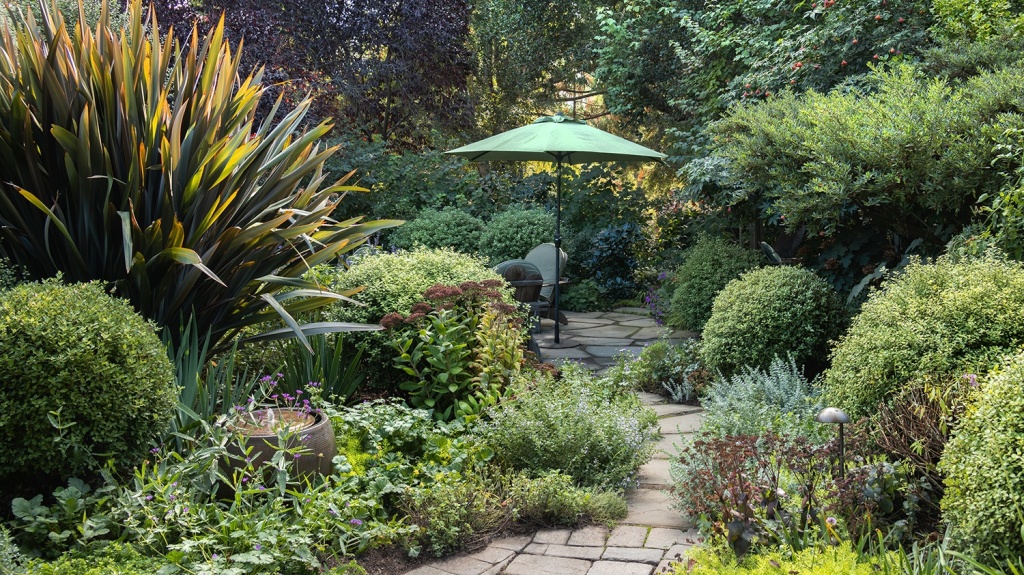
| Design Ideas | This plant is both ornamental and edible, so it may belong in the veggie garden or the landscape. Artichoke is thistle like and therefore is perfect in the Mediterranean style landscape. Unique foliage makes it visually interesting in the foliage color based landscape. An exceptional container plant for porch or patio with exceptional architectural value. Add to modern landscapes for this reason. It is often found in the traditional herb garden, parterre and potager. |
| Flower Color | Purple |
| Foliage Color | Gray-green |
| Companion Plants | Pomegranate (Punica); Bay Leaf (Laurus); Rosemary (Rosmarinus); Lavender (Lavandula); Basil (Ocimum) |
| Care Instructions | Provide fertile, well-drained soil. Water deeply, regularly during the first growing season to establish an extensive root system. Once established, prefers regular water but tolerates moderate drought; foliage may die back in extreme heat, but new foliage will emerge as temperatures cool. Apply fertilizer in early spring. |
| History | Though it's true point of origin is lost in antiquity, it is believed the artichoke came from Ethiopia before it spread throughout the eastern Mediterranean. It may have evolved from C. cardunculus, a type of very large milk thistle with edible stems. Plants were grown and consumed by the Romans but fell out of favor until the 16th century when it came into commercial cultivation in warmer regions of the New World. |
| Lore | The edible part of this plant is the immature flower bud harvested at is fullest but before it has begun to open. |
Details
| Description | Harvest your own tender artichokes! Big flower buds that form at the tops of stalks may be cut for eating. If not cut, buds open to spectacular purple, thistle-like flowers, great for arrangements. Unique, highly textured grey-green foliage adds season-long interest to the landscape. Works well in containers. An herbaceous perennial. |
|---|---|
| Bloom Time | Summer |
| Deciduous/Evergreen | Herbaceous |
| Special Features | Dramatic Foliage Color, Edible, Attracts Pollinators, Fast Growing |
| Problems/Solutions | Coastal Exposure |
| Growth Rate | Fast |
| Flower Attributes | Flowers for Cutting, Showy Flowers |
Style
| Landscape Use | Border, Container |
|---|---|
| Design Ideas | This plant is both ornamental and edible, so it may belong in the veggie garden or the landscape. Artichoke is thistle like and therefore is perfect in the Mediterranean style landscape. Unique foliage makes it visually interesting in the foliage color based landscape. An exceptional container plant for porch or patio with exceptional architectural value. Add to modern landscapes for this reason. It is often found in the traditional herb garden, parterre and potager. |
| Flower Color | Purple |
| Foliage Color | Gray-green |
| Companion Plants | Pomegranate (Punica); Bay Leaf (Laurus); Rosemary (Rosmarinus); Lavender (Lavandula); Basil (Ocimum) |
Care
| Care Instructions | Provide fertile, well-drained soil. Water deeply, regularly during the first growing season to establish an extensive root system. Once established, prefers regular water but tolerates moderate drought; foliage may die back in extreme heat, but new foliage will emerge as temperatures cool. Apply fertilizer in early spring. |
|---|
History
| History | Though it's true point of origin is lost in antiquity, it is believed the artichoke came from Ethiopia before it spread throughout the eastern Mediterranean. It may have evolved from C. cardunculus, a type of very large milk thistle with edible stems. Plants were grown and consumed by the Romans but fell out of favor until the 16th century when it came into commercial cultivation in warmer regions of the New World. |
|---|---|
| Lore | The edible part of this plant is the immature flower bud harvested at is fullest but before it has begun to open. |
Retailers Near You
About Us
We have been pioneers and craftsmen in the art of growing plants for 100 years. Since our founding in Southern California by Harry E. Rosedale, Sr. in 1926, we have been absolutely dedicated and obsessed with quality.
We have been pioneers and craftsmen in the art of growing plants for nearly 100 years. Since our founding in Southern California by Harry E. Rosedale, Sr. in 1926, we have been absolutely dedicated and obsessed with quality.