
You're growing in this Zip Code:
Change LocationDiscover Plants for Your Area
Jade Enchantress® Cherry Laurel
Prunus laurocerasus 'Monarone' PP #31,107
Pronunciation: PROO-nus lar-oh-ser-AY-sus
SKU #04824
LIGHT:
Filtered sun, Partial shade, Partial sun
WATER:
Water when top 2 inches of soil is dry.
SIZE:
Slow growing; reaches 3 ft. tall, 6 ft. wide.

Retailers Near You
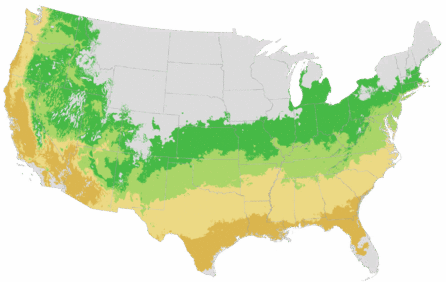
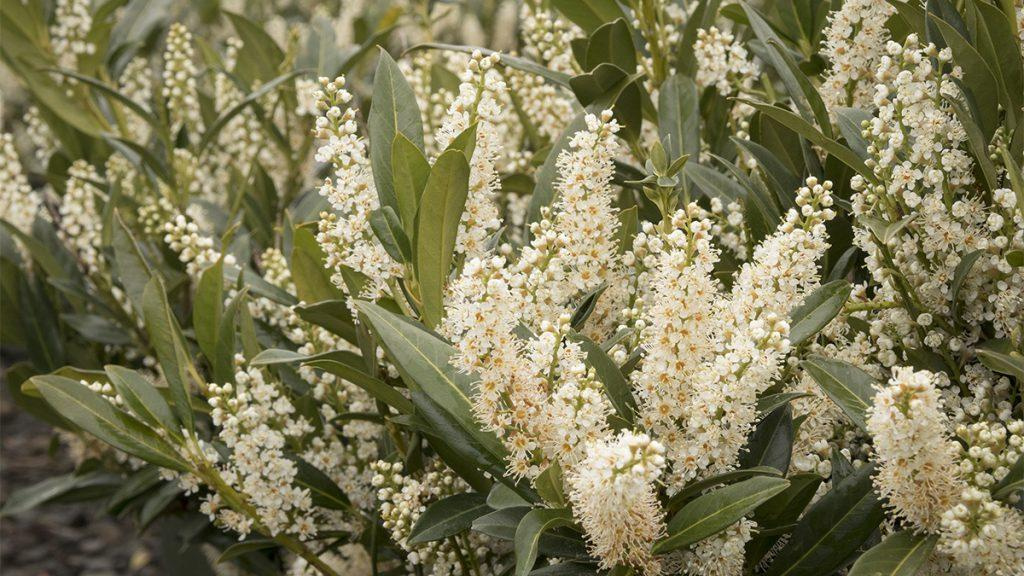
| Description | This lush, evergreen, dwarf shrub provides year-round interest with glossy dark green leaves and showy, fragrant, creamy white flower spikes, followed by small black ornamental fruit. The dense foliage has notably improved disease resistance. Excellent for use as a hedge, background plant, or privacy screen, and is an ideal winter shelter for birds. |
|---|---|
| Bloom Time | Spring |
| Deciduous/Evergreen | Evergreen |
| Special Features | Easy Care, Improved Pest and Disease Resistance, Ornamental Berries, Attracts Pollinators, Compact Form, Benefits Birds |
| Problems/Solutions | Coastal Exposure, Dry Shade, Tolerates Urban Pollution, Road Salt Tolerant |
| Growth Rate | Slow |
| Flower Attributes | Fragrant, Showy Flowers |
| Patent Act | Asexual reproduction of plants protected by the Plant Patent Act is prohibited during the life of the patent. |
| Landscape Use | Border, Hedge, Accent |
| Design Ideas | This easy-care evergreen makes a great low-growing informal hedge for use as a divider or in front of a taller hedge. A fine year-round presence in the garden. |
| Flower Color | White |
| Foliage Color | Dark Green |
| Companion Plants | Japanese Maple (Acer palmatum); Holly (Ilex); Spirea (Spiraea); Heavenly Bamboo (Nandina); Euonymus (Euonymus); Lilyturf (Liriope) |
| Care Instructions | Thrives in slightly deep, fertile, moist, humusy, well-drained soil; tolerates poor, sandy, or clay soils. Prefers more sun in cool climates, more shade in warmer areas. Water deeply, regularly in first growing season to establish root system. Once established, reduce frequency; tolerates dry shade. Feed in early spring. Prune after flowering to shape. |
| Lore | The cherry laurel is a beautiful evergreen native to Europe and parts of Asia Minor. It was brought into cultivation early on around 1576. The original species was Laurocerausus officinalis, classified by Johann Roemer, 1763-1819 of Switzerland. It was simultaneously classified by Linnaeus into genus Prunus utilizing the former inaccurate genus name of Roemer. It was imported into the United States in colonial times and since a number of varietal forms have been developed for increased cold hardiness. It remains widely grown, particularly in the south and other mild winter regions. Jade Enchantress® has been selected for its improved disease resistance, particularly compared to the very popular Prunus laurocerasus 'Otto Luyken' |
Details
| Description | This lush, evergreen, dwarf shrub provides year-round interest with glossy dark green leaves and showy, fragrant, creamy white flower spikes, followed by small black ornamental fruit. The dense foliage has notably improved disease resistance. Excellent for use as a hedge, background plant, or privacy screen, and is an ideal winter shelter for birds. |
|---|---|
| Bloom Time | Spring |
| Deciduous/Evergreen | Evergreen |
| Special Features | Easy Care, Improved Pest and Disease Resistance, Ornamental Berries, Attracts Pollinators, Compact Form, Benefits Birds |
| Problems/Solutions | Coastal Exposure, Dry Shade, Tolerates Urban Pollution, Road Salt Tolerant |
| Growth Rate | Slow |
| Flower Attributes | Fragrant, Showy Flowers |
| Patent Act | Asexual reproduction of plants protected by the Plant Patent Act is prohibited during the life of the patent. |
Style
| Landscape Use | Border, Hedge, Accent |
|---|---|
| Design Ideas | This easy-care evergreen makes a great low-growing informal hedge for use as a divider or in front of a taller hedge. A fine year-round presence in the garden. |
| Flower Color | White |
| Foliage Color | Dark Green |
| Companion Plants | Japanese Maple (Acer palmatum); Holly (Ilex); Spirea (Spiraea); Heavenly Bamboo (Nandina); Euonymus (Euonymus); Lilyturf (Liriope) |
Care
| Care Instructions | Thrives in slightly deep, fertile, moist, humusy, well-drained soil; tolerates poor, sandy, or clay soils. Prefers more sun in cool climates, more shade in warmer areas. Water deeply, regularly in first growing season to establish root system. Once established, reduce frequency; tolerates dry shade. Feed in early spring. Prune after flowering to shape. |
|---|
History
| Lore | The cherry laurel is a beautiful evergreen native to Europe and parts of Asia Minor. It was brought into cultivation early on around 1576. The original species was Laurocerausus officinalis, classified by Johann Roemer, 1763-1819 of Switzerland. It was simultaneously classified by Linnaeus into genus Prunus utilizing the former inaccurate genus name of Roemer. It was imported into the United States in colonial times and since a number of varietal forms have been developed for increased cold hardiness. It remains widely grown, particularly in the south and other mild winter regions. Jade Enchantress® has been selected for its improved disease resistance, particularly compared to the very popular Prunus laurocerasus 'Otto Luyken' |
|---|
Retailers Near You
About Us
We have been pioneers and craftsmen in the art of growing plants for 100 years. Since our founding in Southern California by Harry E. Rosedale, Sr. in 1926, we have been absolutely dedicated and obsessed with quality.
We have been pioneers and craftsmen in the art of growing plants for nearly 100 years. Since our founding in Southern California by Harry E. Rosedale, Sr. in 1926, we have been absolutely dedicated and obsessed with quality.