
You're growing in this Zip Code:
Change LocationDiscover Plants for Your Area
Karl Fuchs Himalayan Cedar
Cedrus deodara 'Karl Fuchs'
Pronunciation: SEE-drus dee-oh-DAR-uh
SKU #05522
LIGHT:
Full sun, Partial sun
WATER:
Once established water deeply occasionally.
SIZE:
Moderate growing; reaches 12 to 15 ft. tall, 4 ft. wide in 10 years.

Retailers Near You
Ready to Grow?
Ship Monrovia plants directly to your door. Browse a curated selection available online.
Shop Now >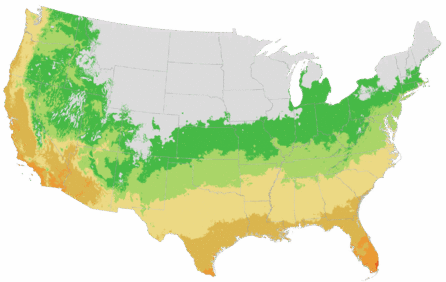
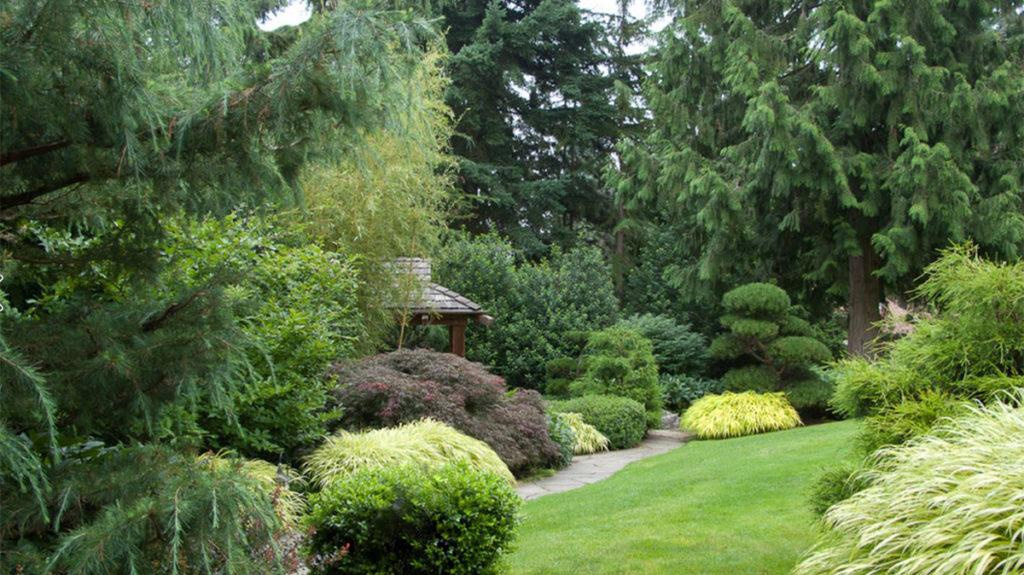
| Description | A striking evergreen with bright blue spring growth, that gradually matures to green, resulting in a unique shimmering effect throughout most of the year. Provides a striking vertical element in the landscape. Ideal as a specimen against a backdrop of darker green conifers or shrubs, or massed for a dramatic statement of color. |
|---|---|
| Bloom Time | Conifer; prized for foliage. |
| Deciduous/Evergreen | Evergreen |
| Special Features | Dramatic Foliage Color, Easy Care, Waterwise, Benefits Birds |
| Problems/Solutions | Coastal Exposure, Deer Resistant, Rabbit Resistant, Drought Tolerant, Tolerates Urban Pollution |
| Growth Rate | Moderate |
| Landscape Use | Privacy Screen, Windbreak |
| Foliage Color | Blue-green |
| Companion Plants | Camellia (Camellia); Fuchsia (Fuchsia); Azalea (Azalea); Magnolia (Magnolia); Japanese Maple (Acer) |
| Care Instructions | Grows easily in a wide range of soil types; avoid poorly drained, soggy sites. Best foliage color in full sun. Water deeply and regularly during the first few growing seasons to establish an extensive root system. Once established, reduce frequency; tolerates mild drought. Feed with a general purpose fertilizer before new growth begins in spring. |
| History | Cedrus deodara is classified into the Pinaceae family with most other conifers. The species was named by Scots botanist, David Don, 1799-1841 and his brother, George. Trees are native to the Western Himalayan Mountains where its local name is deodar, a Sanskrit word meaning "divine wood". They were officially introduced into cultivation about 1831 although they have been grown in Chinese parks and gardens for centuries. Karl Fuchs' Deodar Cedar was selected at a German nursery in the 1970's from cold hardy seeds collected from high mountains south of Kabul in Afghanistan. Monrovia nursery grafts this cold hardy selection onto Cedrus deodara rootstock, producing an attractive specimen which is hardier than the species. |
Details
| Description | A striking evergreen with bright blue spring growth, that gradually matures to green, resulting in a unique shimmering effect throughout most of the year. Provides a striking vertical element in the landscape. Ideal as a specimen against a backdrop of darker green conifers or shrubs, or massed for a dramatic statement of color. |
|---|---|
| Bloom Time | Conifer; prized for foliage. |
| Deciduous/Evergreen | Evergreen |
| Special Features | Dramatic Foliage Color, Easy Care, Waterwise, Benefits Birds |
| Problems/Solutions | Coastal Exposure, Deer Resistant, Rabbit Resistant, Drought Tolerant, Tolerates Urban Pollution |
| Growth Rate | Moderate |
Style
| Landscape Use | Privacy Screen, Windbreak |
|---|---|
| Foliage Color | Blue-green |
| Companion Plants | Camellia (Camellia); Fuchsia (Fuchsia); Azalea (Azalea); Magnolia (Magnolia); Japanese Maple (Acer) |
Care
| Care Instructions | Grows easily in a wide range of soil types; avoid poorly drained, soggy sites. Best foliage color in full sun. Water deeply and regularly during the first few growing seasons to establish an extensive root system. Once established, reduce frequency; tolerates mild drought. Feed with a general purpose fertilizer before new growth begins in spring. |
|---|
History
| History | Cedrus deodara is classified into the Pinaceae family with most other conifers. The species was named by Scots botanist, David Don, 1799-1841 and his brother, George. Trees are native to the Western Himalayan Mountains where its local name is deodar, a Sanskrit word meaning "divine wood". They were officially introduced into cultivation about 1831 although they have been grown in Chinese parks and gardens for centuries. Karl Fuchs' Deodar Cedar was selected at a German nursery in the 1970's from cold hardy seeds collected from high mountains south of Kabul in Afghanistan. Monrovia nursery grafts this cold hardy selection onto Cedrus deodara rootstock, producing an attractive specimen which is hardier than the species. |
|---|
Frequently asked questions
Does Karl Fuchs Himalayan Cedar produce flowers?
Conifer; prized for foliage.
Is Karl Fuchs Himalayan Cedar evergreen or deciduous?
Karl Fuchs Himalayan Cedar is Evergreen.
What are the special features of Karl Fuchs Himalayan Cedar?
Karl Fuchs Himalayan Cedar is Dramatic Foliage Color, Easy Care, Waterwise, Benefits Birds.
Is Karl Fuchs Himalayan Cedar resistant to pests or animals?
Coastal Exposure, Deer Resistant, Rabbit Resistant, Drought Tolerant, Tolerates Urban Pollution
How fast does Karl Fuchs Himalayan Cedar grow?
Karl Fuchs Himalayan Cedar has a Moderate growth rate.
Where can I use Karl Fuchs Himalayan Cedar in my landscape?
Karl Fuchs Himalayan Cedar is suitable for: Privacy Screen, Windbreak.
What color is the foliage of Karl Fuchs Himalayan Cedar?
Karl Fuchs Himalayan Cedar has Blue-green foliage.
What plants grow well with Karl Fuchs Himalayan Cedar?
Good companion plants for Karl Fuchs Himalayan Cedar include: Camellia (Camellia); Fuchsia (Fuchsia); Azalea (Azalea); Magnolia (Magnolia); Japanese Maple (Acer).
How do I care for Karl Fuchs Himalayan Cedar?
Grows easily in a wide range of soil types; avoid poorly drained, soggy sites. Best foliage color in full sun. Water deeply and regularly during the first few growing seasons to establish an extensive root system. Once established, reduce frequency; tolerates mild drought. Feed with a general purpose fertilizer before new growth begins in spring.
What is the history of Karl Fuchs Himalayan Cedar?
Cedrus deodara is classified into the Pinaceae family with most other conifers. The species was named by Scots botanist, David Don, 1799-1841 and his brother, George. Trees are native to the Western Himalayan Mountains where its local name is deodar, a Sanskrit word meaning "divine wood". They were officially introduced into cultivation about 1831 although they have been grown in Chinese parks and gardens for centuries. Karl Fuchs' Deodar Cedar was selected at a German nursery in the 1970's from cold hardy seeds collected from high mountains south of Kabul in Afghanistan. Monrovia nursery grafts this cold hardy selection onto Cedrus deodara rootstock, producing an attractive specimen which is hardier than the species.
Retailers Near You
About Us
We have been pioneers and craftsmen in the art of growing plants for 100 years. Since our founding in Southern California by Harry E. Rosedale, Sr. in 1926, we have been absolutely dedicated and obsessed with quality.
We have been pioneers and craftsmen in the art of growing plants for nearly 100 years. Since our founding in Southern California by Harry E. Rosedale, Sr. in 1926, we have been absolutely dedicated and obsessed with quality.