
You're growing in this Zip Code:
Change LocationDiscover Plants for Your Area
Lime Sizzler™ Firebush
Hamelia patens 'Grelmsiz' PP #26,247
Pronunciation: ham-EE-lee-uh PAT-ens
SKU #42025
LIGHT:
Full sun, Partial sun
WATER:
Once established, water occasionally.
SIZE:
Reaches 3 to 4 ft. tall and wide; 1 to 2 ft. when grown as an annual.

Retailers Near You
Ready to Grow?
Ship Monrovia plants directly to your door. Browse a curated selection available online.
Shop Now >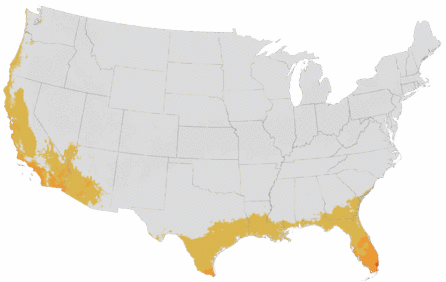
| Description | Enliven borders and patio containers with the fantastic green and yellow foliage and sizzling red-orange flowers of this exotic, mounding, semi-woody perennial. Particularly effective in mass plantings to create a swath of bright color, or as an accent tucked between plants with darker foliage. Use as a summer annual in colder regions. |
|---|---|
| Bloom Time | Spring to summer |
| Deciduous/Evergreen | Herbaceous |
| Special Features | Dramatic Foliage Color, Easy Care, Compact Form |
| Problems/Solutions | Deer Resistant, Drought Tolerant |
| Growth Rate | Moderate |
| Flower Attributes | Long Bloom Season, Showy Flowers |
| Patent Act | Asexual reproduction of plants protected by the Plant Patent Act is prohibited during the life of the patent. |
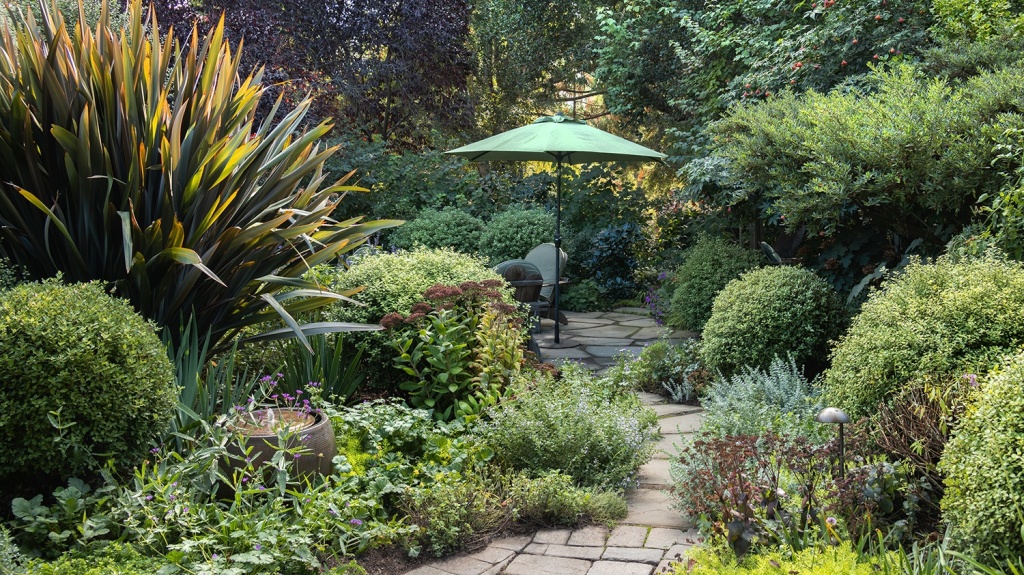
| Landscape Use | Border, Container, Hedge, Poolside |
| Flower Color | Orange |
| Foliage Color | Variegated |
| Companion Plants | Coontie (Zamia); Canna Lily (Canna); Lantana (Lantana); Plumbago (Plumbago); Trumpet Creeper (Campsis); Grevillea (Grevillea), Acacia (Acacia) |
| Care Instructions | Provide average well-drained soil. Water deeply, regularly in first growing season to establish root system. Once established in the landscape, prefers regular water but tolerates some drought. Water container plants regularly. Apply fertilizer in early spring; repeat mid-season. Root hardy to 20°F; may be overwintered indoors in containers. |
| History | The genus Hamelia honors French botanical author, Henry Louis Duhamel du Monceau (1700-17820). This genus is a member of the Rubiaceaea family which includes Gardenia, Ixora, Pentas, and Cacao. Hamelia patens hails from the tropics, from the gulf region including South Florida and Mexico, to the West Indies and Central and South America. This particular Hamelia plant originated in El Campo, Texas in 2011, discovered as a naturally occurring branch sport of an unnamed selection of Hamelia patens, within a controlled nursery environment. U.S. Plant Patent #26,247 was awarded in December, 2015. |
Details
| Description | Enliven borders and patio containers with the fantastic green and yellow foliage and sizzling red-orange flowers of this exotic, mounding, semi-woody perennial. Particularly effective in mass plantings to create a swath of bright color, or as an accent tucked between plants with darker foliage. Use as a summer annual in colder regions. |
|---|---|
| Bloom Time | Spring to summer |
| Deciduous/Evergreen | Herbaceous |
| Special Features | Dramatic Foliage Color, Easy Care, Compact Form |
| Problems/Solutions | Deer Resistant, Drought Tolerant |
| Growth Rate | Moderate |
| Flower Attributes | Long Bloom Season, Showy Flowers |
| Patent Act | Asexual reproduction of plants protected by the Plant Patent Act is prohibited during the life of the patent. |
Style
| Landscape Use | Border, Container, Hedge, Poolside |
|---|---|
| Flower Color | Orange |
| Foliage Color | Variegated |
| Companion Plants | Coontie (Zamia); Canna Lily (Canna); Lantana (Lantana); Plumbago (Plumbago); Trumpet Creeper (Campsis); Grevillea (Grevillea), Acacia (Acacia) |
Care
| Care Instructions | Provide average well-drained soil. Water deeply, regularly in first growing season to establish root system. Once established in the landscape, prefers regular water but tolerates some drought. Water container plants regularly. Apply fertilizer in early spring; repeat mid-season. Root hardy to 20°F; may be overwintered indoors in containers. |
|---|
History
| History | The genus Hamelia honors French botanical author, Henry Louis Duhamel du Monceau (1700-17820). This genus is a member of the Rubiaceaea family which includes Gardenia, Ixora, Pentas, and Cacao. Hamelia patens hails from the tropics, from the gulf region including South Florida and Mexico, to the West Indies and Central and South America. This particular Hamelia plant originated in El Campo, Texas in 2011, discovered as a naturally occurring branch sport of an unnamed selection of Hamelia patens, within a controlled nursery environment. U.S. Plant Patent #26,247 was awarded in December, 2015. |
|---|
Retailers Near You
About Us
We have been pioneers and craftsmen in the art of growing plants for 100 years. Since our founding in Southern California by Harry E. Rosedale, Sr. in 1926, we have been absolutely dedicated and obsessed with quality.
We have been pioneers and craftsmen in the art of growing plants for nearly 100 years. Since our founding in Southern California by Harry E. Rosedale, Sr. in 1926, we have been absolutely dedicated and obsessed with quality.