
You're growing in this Zip Code:
Change LocationDiscover Plants for Your Area
Exclusive
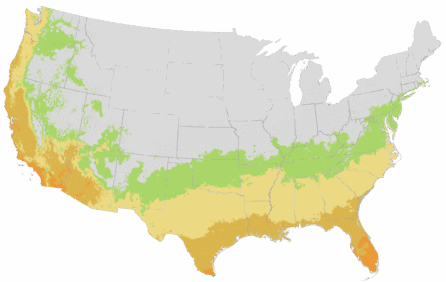
Mountain Pepper
Drimys lanceolata
Pronunciation: DRY-miss lan-see-oh-LAY-tuh
SKU #05061
LIGHT:
Filtered sun, Full sun, Partial shade, Partial sun
WATER:
Water when top 2 inches of soil is dry.
SIZE:
Reaches 8 to 12 ft tall, 4 to 8 ft. wide.

Retailers Near You

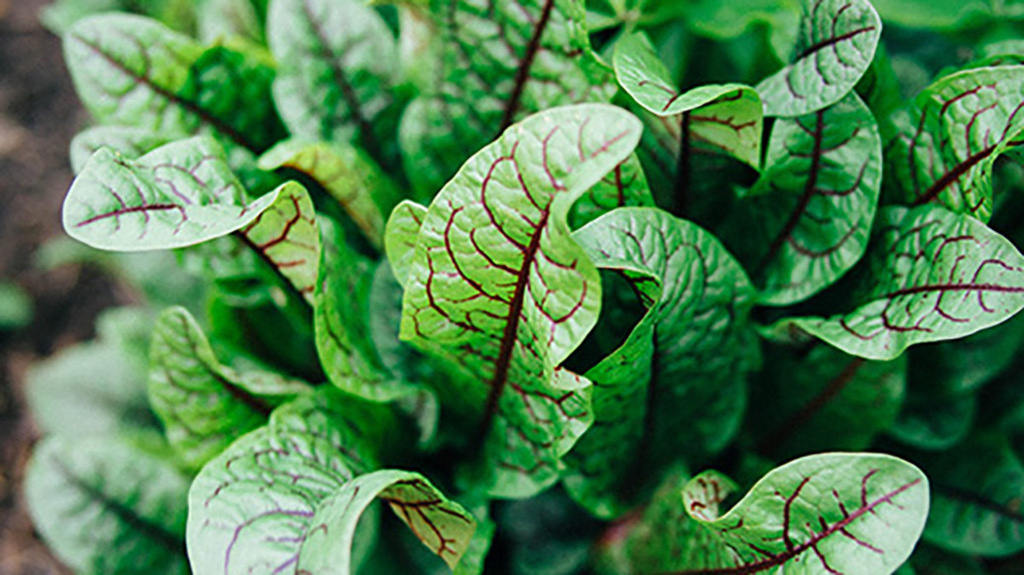
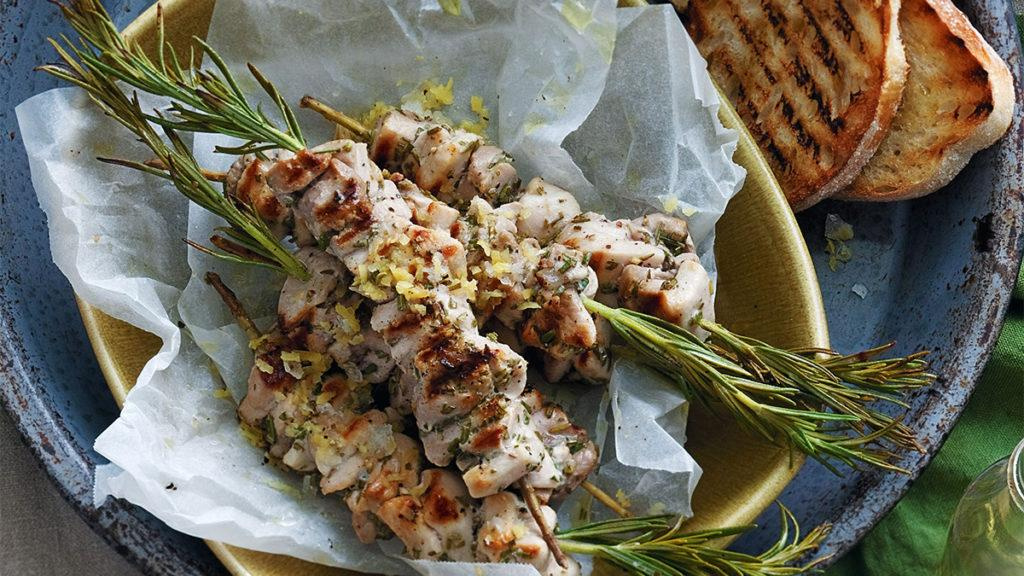
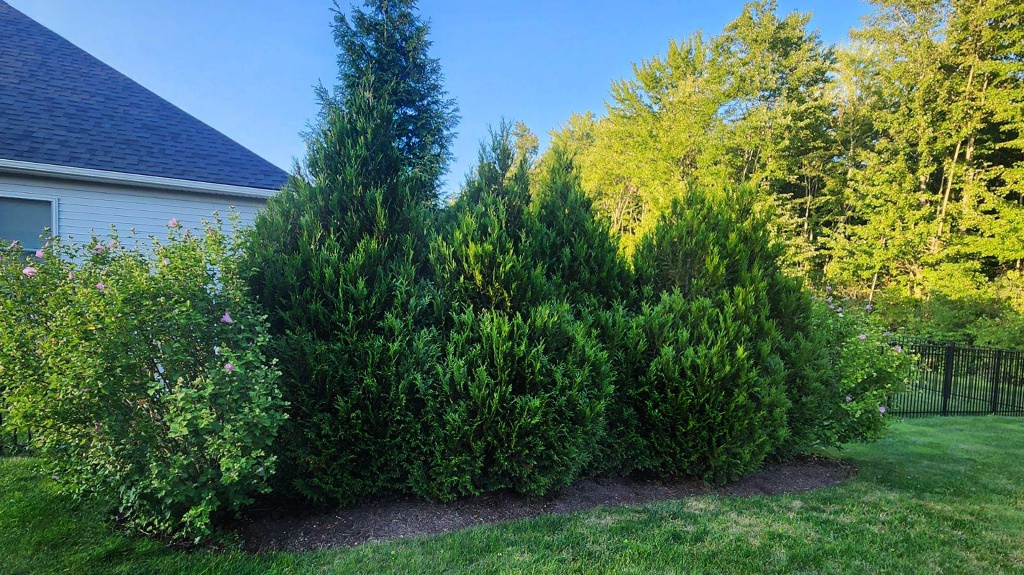
| Description | A true garden aristocrat, this refined evergreen shrub is a great specimen or formal hedge plant for mild climate gardens. The oval-shaped, deep green leaves are held along beautiful red young stems. Creamy yellow-green perfumed blossoms enhance the distinctive foliage. Leaves may be used to add a spicy, peppery flavor to foods. This male selection will not fruit. |
|---|---|
| Bloom Time | Late winter to early spring |
| Deciduous/Evergreen | Evergreen |
| Special Features | Easy Care, Compact Form |
| Problems/Solutions | Coastal Exposure, Deer Resistant |
| Growth Rate | Moderate |
| Flower Attributes | Fragrant |
| Landscape Use | Hedge, Privacy Screen |
| Design Ideas | This distinctive evergreen shrub lends a refined elegance to the garden. Planted in mass as a foundation plant, the glossy foliage will provide a wonderful background to shorter flowering shrubs. Striking dark red stems and leaf petioles stand out especially when grouped with red or burgundy-leaved companions. Attractive as a single specimen shrub, it also takes well to pruning into a formal hedge. |
| Flower Color | Yellow |
| Foliage Color | Dark Green |
| Companion Plants | Weigela (Weigela); Barberry (Berberis); Smoke Tree (Cotinus); Japanese Maple (Acer); Heavenly Bamboo (Nandina) |
| Care Instructions | Prefers moist, well-drained soil. Water deeply, regularly during the first few growing seasons to develop an extensive root system. Tolerates brief drought, once established. In zone 7 and 8, a sheltered location is recommended, to protect from cold, harsh winter winds. Prune as needed to shape, ideally just after flowering. |
| History | This cousin of the Chilean native Drimys winteri, this species originates from Tasmania, an island southeast of mainland Australia. Monrovia-grown Drimy's lanceolata are thought to be male and are cutting-grown, from stock selected from original seedlings from Dan Hinkley. |
| Lore | Drimys lancolata is dioecious, meaning male and female flowers are produced on separate plants. Female plants require a nearby male plant for pollination in order to produce berries. The aboriginals of its native habitat as well as colonists found the dried fruit of Drimys lancolata to be a perfect substitute for pepper, and it is still used widely for that purpose today. Though colloquially referred to as Tasmanian Pepper, Monrovia's selection is male and will not produce berries. |
Details
| Description | A true garden aristocrat, this refined evergreen shrub is a great specimen or formal hedge plant for mild climate gardens. The oval-shaped, deep green leaves are held along beautiful red young stems. Creamy yellow-green perfumed blossoms enhance the distinctive foliage. Leaves may be used to add a spicy, peppery flavor to foods. This male selection will not fruit. |
|---|---|
| Bloom Time | Late winter to early spring |
| Deciduous/Evergreen | Evergreen |
| Special Features | Easy Care, Compact Form |
| Problems/Solutions | Coastal Exposure, Deer Resistant |
| Growth Rate | Moderate |
| Flower Attributes | Fragrant |
Style
| Landscape Use | Hedge, Privacy Screen |
|---|---|
| Design Ideas | This distinctive evergreen shrub lends a refined elegance to the garden. Planted in mass as a foundation plant, the glossy foliage will provide a wonderful background to shorter flowering shrubs. Striking dark red stems and leaf petioles stand out especially when grouped with red or burgundy-leaved companions. Attractive as a single specimen shrub, it also takes well to pruning into a formal hedge. |
| Flower Color | Yellow |
| Foliage Color | Dark Green |
| Companion Plants | Weigela (Weigela); Barberry (Berberis); Smoke Tree (Cotinus); Japanese Maple (Acer); Heavenly Bamboo (Nandina) |
Care
| Care Instructions | Prefers moist, well-drained soil. Water deeply, regularly during the first few growing seasons to develop an extensive root system. Tolerates brief drought, once established. In zone 7 and 8, a sheltered location is recommended, to protect from cold, harsh winter winds. Prune as needed to shape, ideally just after flowering. |
|---|
History
| History | This cousin of the Chilean native Drimys winteri, this species originates from Tasmania, an island southeast of mainland Australia. Monrovia-grown Drimy's lanceolata are thought to be male and are cutting-grown, from stock selected from original seedlings from Dan Hinkley. |
|---|---|
| Lore | Drimys lancolata is dioecious, meaning male and female flowers are produced on separate plants. Female plants require a nearby male plant for pollination in order to produce berries. The aboriginals of its native habitat as well as colonists found the dried fruit of Drimys lancolata to be a perfect substitute for pepper, and it is still used widely for that purpose today. Though colloquially referred to as Tasmanian Pepper, Monrovia's selection is male and will not produce berries. |
Retailers Near You
About Us
We have been pioneers and craftsmen in the art of growing plants for 100 years. Since our founding in Southern California by Harry E. Rosedale, Sr. in 1926, we have been absolutely dedicated and obsessed with quality.
We have been pioneers and craftsmen in the art of growing plants for nearly 100 years. Since our founding in Southern California by Harry E. Rosedale, Sr. in 1926, we have been absolutely dedicated and obsessed with quality.