
You're growing in this Zip Code:
Discover Plants for Your Area


Snowdrop Anemone
Anemone sylvestris
Pronunciation: uh-NEM-oh-nee sil-VES-tris
SKU #00274
LIGHT:
Filtered sun, Full shade, Partial shade
WATER:
Keep soil moist, but not soggy.
SIZE:
Moderate growing; grows 12 to 18 in. tall, spreading 12 in. wide or more.

Retailers Near You
Ready to Grow?
Ship Monrovia plants directly to your door. Browse a curated selection available online.
Shop Now >This Plant's Growing Zones: 2-9
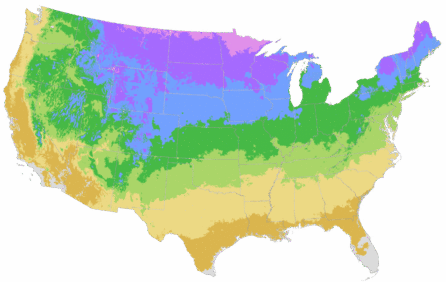
Your USDA Cold Hardiness Zone:
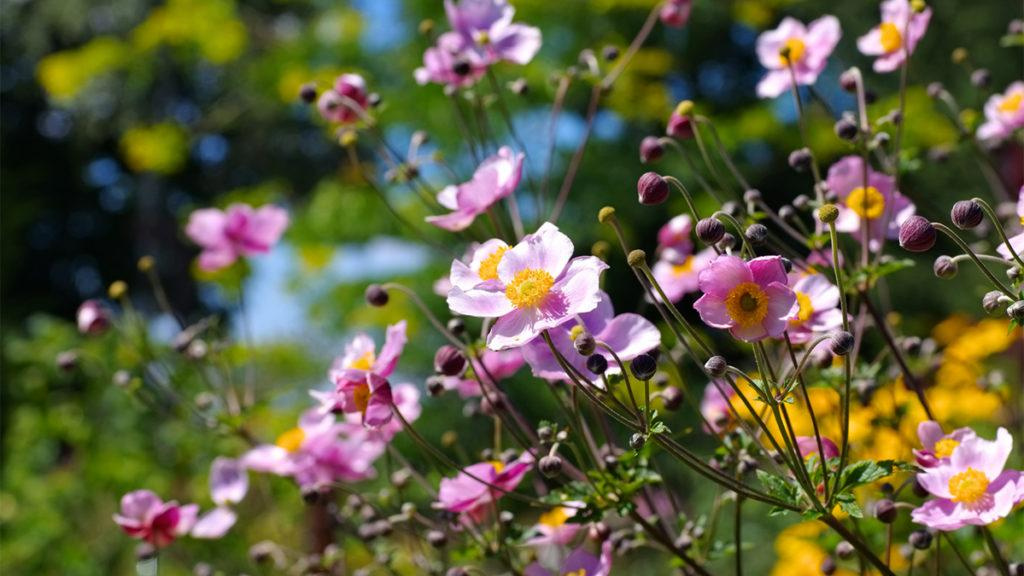
| Description | Lightly fragrant, yellow-centered, white flowers are borne above the soft-textured blue-green foliage on this lovely shade tolerant forest native. Ideal for naturalizing in rockeries and woodland borders under the canopy of large trees. Spreads freely by underground stems; more so in loose, moist soils. An herbaceous perennial. |
|---|---|
| Bloom Time | Mid spring to early summer |
| Deciduous/Evergreen | Herbaceous |
| Special Features | Easy Care, Attracts Pollinators |
| Problems/Solutions | Deer Resistant |
| Growth Rate | Moderate |
| Flower Attributes | Flowers for Cutting, Fragrant, Showy Flowers |
| Landscape Use | Border, Container |
| Design Ideas | This unique anemone is a forest floor dweller and therefore belongs beneath tree canopies in gardens. Blend with ferns and other understory species to create interesting shade garden floral effects. Shade tolerance makes it an excellent choice for sideyards and city gardens dominated by tall buildings. |
| Flower Color | White |
| Foliage Color | Blue-green |
| Companion Plants | Coral Bells (Heuchera); Lungwort (Pulmonaria); Hosta (Hosta); Ligularia (Ligularia); Bleeding Heart (Dicentra) |
| Care Instructions | Thrives in enriched, moist, loose, well-drained soil; tolerates clay soils. Mulch to keep roots cool and preserve moisture, avoiding the crown. Water deeply, regularly during first growing season to establish an extensive root system. For a tidy appearance, remove old foliage in early spring. Divide clumps every 2 to 3 years in early spring. |
| History | The genus Anemone contains about 120 species from around the world in the North Temperate Zone. Its species name describes the tendency of this plant to dwell in the "sylvan" or forest environments of Europe, southwest Asia and Siberia. This A. sylvestris was known in ancient times with only a few cultivars, unlike the Japanese anemones that came to the west far later and spawned a wealth of garden varieties. |
| Lore | Linnaeus named this genus for a mythological Greek goddess closely associated with the flowers in Old World folklore. |
Details
| Description | Lightly fragrant, yellow-centered, white flowers are borne above the soft-textured blue-green foliage on this lovely shade tolerant forest native. Ideal for naturalizing in rockeries and woodland borders under the canopy of large trees. Spreads freely by underground stems; more so in loose, moist soils. An herbaceous perennial. |
|---|---|
| Bloom Time | Mid spring to early summer |
| Deciduous/Evergreen | Herbaceous |
| Special Features | Easy Care, Attracts Pollinators |
| Problems/Solutions | Deer Resistant |
| Growth Rate | Moderate |
| Flower Attributes | Flowers for Cutting, Fragrant, Showy Flowers |
Style
| Landscape Use | Border, Container |
|---|---|
| Design Ideas | This unique anemone is a forest floor dweller and therefore belongs beneath tree canopies in gardens. Blend with ferns and other understory species to create interesting shade garden floral effects. Shade tolerance makes it an excellent choice for sideyards and city gardens dominated by tall buildings. |
| Flower Color | White |
| Foliage Color | Blue-green |
| Companion Plants | Coral Bells (Heuchera); Lungwort (Pulmonaria); Hosta (Hosta); Ligularia (Ligularia); Bleeding Heart (Dicentra) |
Care
| Care Instructions | Thrives in enriched, moist, loose, well-drained soil; tolerates clay soils. Mulch to keep roots cool and preserve moisture, avoiding the crown. Water deeply, regularly during first growing season to establish an extensive root system. For a tidy appearance, remove old foliage in early spring. Divide clumps every 2 to 3 years in early spring. |
|---|
History
| History | The genus Anemone contains about 120 species from around the world in the North Temperate Zone. Its species name describes the tendency of this plant to dwell in the "sylvan" or forest environments of Europe, southwest Asia and Siberia. This A. sylvestris was known in ancient times with only a few cultivars, unlike the Japanese anemones that came to the west far later and spawned a wealth of garden varieties. |
|---|---|
| Lore | Linnaeus named this genus for a mythological Greek goddess closely associated with the flowers in Old World folklore. |
Retailers Near You
About Us
We have been pioneers and craftsmen in the art of growing plants for 100 years. Since our founding in Southern California by Harry E. Rosedale, Sr. in 1926, we have been absolutely dedicated and obsessed with quality.
We have been pioneers and craftsmen in the art of growing plants for nearly 100 years. Since our founding in Southern California by Harry E. Rosedale, Sr. in 1926, we have been absolutely dedicated and obsessed with quality.